Have you noticed white, yellow, or brown patches on your child’s teeth? Do their teeth seem fragile, sensitive, or prone to breaking down? You may be seeing what is commonly referred to as “chalky teeth.”
At Dental Nook, we often help parents understand this condition and guide them through treatment and prevention options. Early recognition can make a significant difference in protecting your child’s smile.
What Are Chalky Teeth?
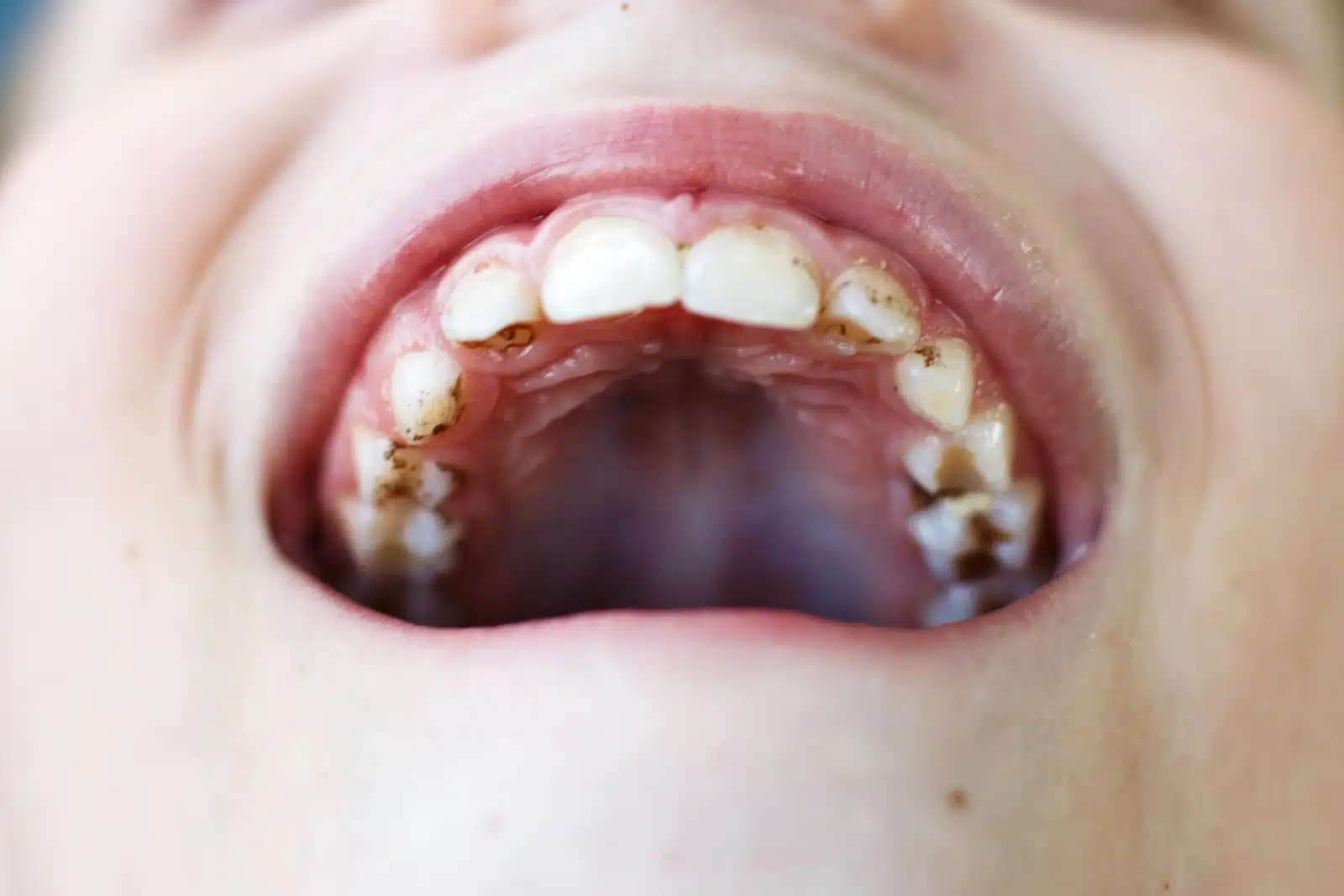
Chalky teeth occur when the enamel does not form properly. Instead of being strong and smooth, the enamel may appear:
- White and opaque
- Creamy or yellow
- Brownish in colour
- Rough or uneven in texture
This condition is often linked to enamel hypomineralisation, where the enamel lacks proper mineral content.
Because the enamel is weaker, affected teeth can be more vulnerable to wear, sensitivity, and decay.
What Causes Chalky Teeth in Children?
The exact cause is not always clear, but several factors may contribute.
Possible causes include:
- Illness during early childhood
- High fevers
- Nutritional deficiencies
- Premature birth
- Environmental influences
- Genetic factors
Sometimes, no specific cause can be identified.
Which Teeth Are Commonly Affected?
Chalky enamel most commonly affects:
- First permanent molars
- Front permanent incisors
In some cases, baby teeth may also show signs of enamel defects.
How Can I Tell If My Child Has Chalky Teeth?
You may notice:
- White, cream, or brown patches
- Increased tooth sensitivity
- Teeth that chip easily
- Complaints of pain when brushing
- Rapid decay despite good oral hygiene
If you observe these signs, early dental evaluation is recommended.
Are Chalky Teeth Painful for Children?
They can be.
Because the enamel is weaker, the inner layers of the tooth may be more exposed. This can cause:
- Sensitivity to hot or cold
- Discomfort when eating sweets
- Pain during brushing
Prompt treatment can help reduce discomfort and protect the tooth.
Do Chalky Teeth Lead to Cavities?
Yes, they can increase the risk.
Weakened enamel is more prone to:
- Plaque accumulation
- Rapid decay progression
- Enamel breakdown
This is why regular dental monitoring is important.
Can Chalky Teeth Be Prevented?
While not all cases can be prevented, early dental visits and good oral hygiene reduce complications.
Preventive strategies include:
- Regular check-ups
- Fluoride applications
- Sealants on vulnerable molars
- Healthy diet with limited sugar
The focus is on strengthening enamel and preventing further breakdown.
Does Fluoride Help Strengthen Chalky Teeth?
Fluoride can help strengthen remaining enamel and reduce sensitivity. Professional fluoride treatments may be recommended depending on severity.
Dr Nikita will assess whether fluoride therapy is appropriate for your child.
How Are Chalky Teeth Diagnosed?
Diagnosis involves:
- Clinical examination
- Assessment of enamel appearance
- Checking for sensitivity
- Digital imaging if needed
Early detection allows us to create a protective treatment plan.
Is Chalky Teeth Hereditary?
There may be a genetic component in some cases, but environmental and early childhood factors also play a role.
If you are concerned, a dental assessment can provide clarity.
What Treatments Are Available for Chalky Teeth?
Treatment depends on the severity.
Preventive Protection
Fluoride and sealants may be used to protect weakened enamel.
Desensitising Treatments
Special materials can reduce discomfort.
Composite Restorations
Tooth-coloured fillings may be used if enamel breakdown has occurred.
Stainless Steel Crowns
In more severe cases affecting molars, crowns may provide strength and protection.
Each treatment plan is personalised to your child’s needs.
Are There Long-Term Effects of Chalky Teeth?
If managed properly, many children maintain healthy smiles without major complications.
However, untreated chalky enamel can lead to:
- Increased cavity risk
- Early tooth breakdown
- Repeated restorations
- Orthodontic considerations
Early care reduces long-term impact.
Should Children with Chalky Teeth Avoid Certain Foods?
Limiting:
- Sugary snacks
- Sticky foods
- Acidic drinks
can help reduce enamel stress and decay risk.
Balanced nutrition supports overall oral health.
How Can Parents Support a Child with Chalky Teeth?
You can help by:
- Supervising brushing twice daily
- Using fluoride toothpaste
- Attending regular dental visits
- Encouraging a balanced diet
- Addressing sensitivity concerns early
Consistency is key.
Can Sealants Protect Chalky Teeth?
Yes. Dental sealants act as a protective barrier over vulnerable molars. They help prevent food and bacteria from settling into grooves where enamel is weak.
Sealants are often recommended for children with enamel defects.
Can Chalky Teeth Affect Both Baby and Permanent Teeth?
Yes. While permanent molars are most commonly affected, baby teeth may also show enamel changes.
Monitoring eruption patterns is important.
How Does Chalky Teeth Differ from General Enamel Weakness?
Chalky teeth are typically caused by enamel hypomineralisation during development, whereas general enamel wear may result from:
- Grinding
- Acid erosion
- Poor hygiene
Proper diagnosis ensures correct treatment.
Can Chalky Teeth Affect a Child’s Ability to Chew Food?
If the enamel is severely compromised, chewing discomfort may occur. Protective restorations can restore function and reduce pain.
Stronger Smiles Begin with the Right Care
Chalky teeth in children can feel concerning, but early recognition and professional guidance make a significant difference.
At Dental Nook in Brisbane, Dr Nikita focuses on preventive care, gentle treatment, and long-term oral health planning.
If you notice unusual enamel changes, sensitivity, or rapid decay in your child’s teeth, book a consultation. Early action protects growing smiles and builds lifelong dental confidence.