
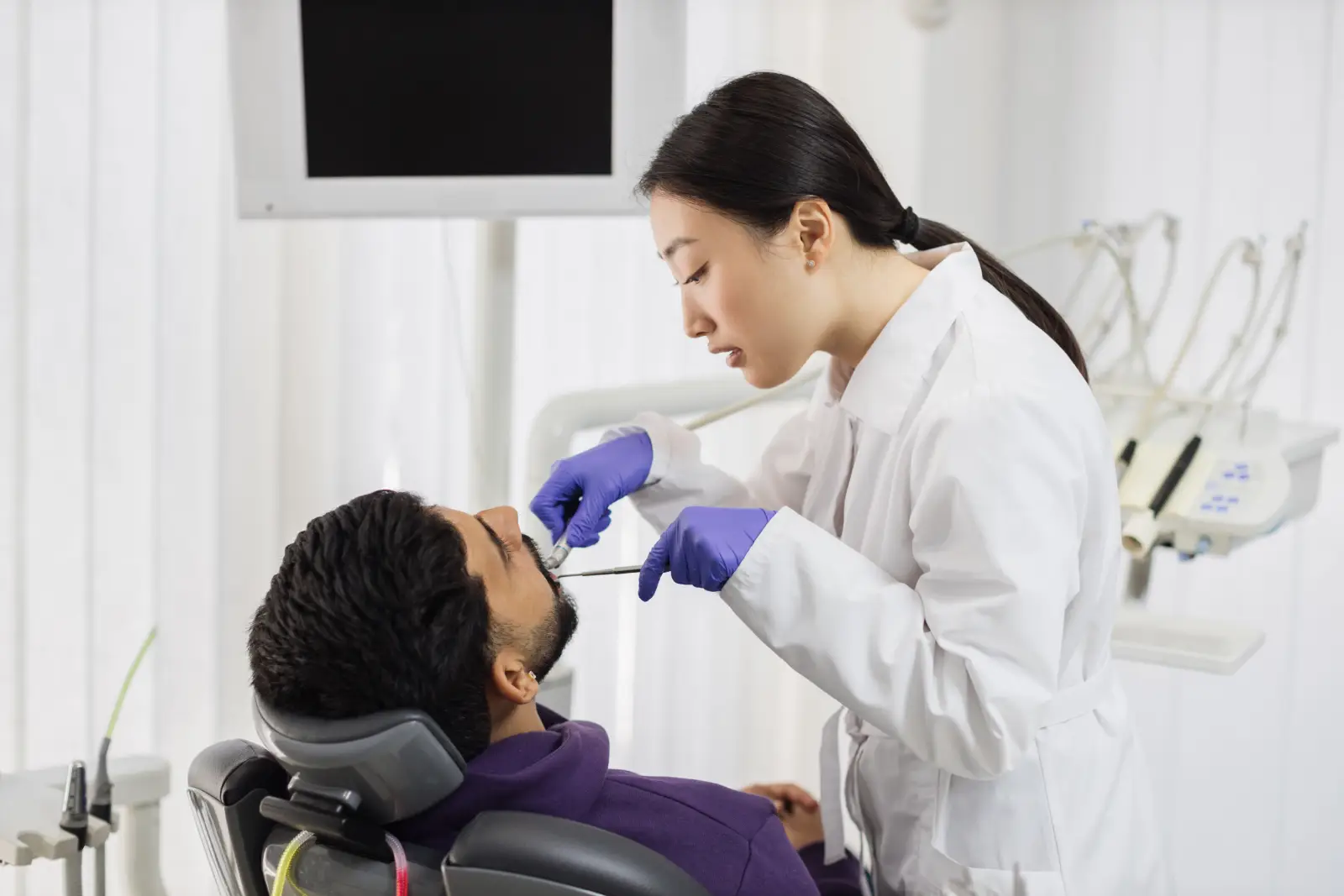
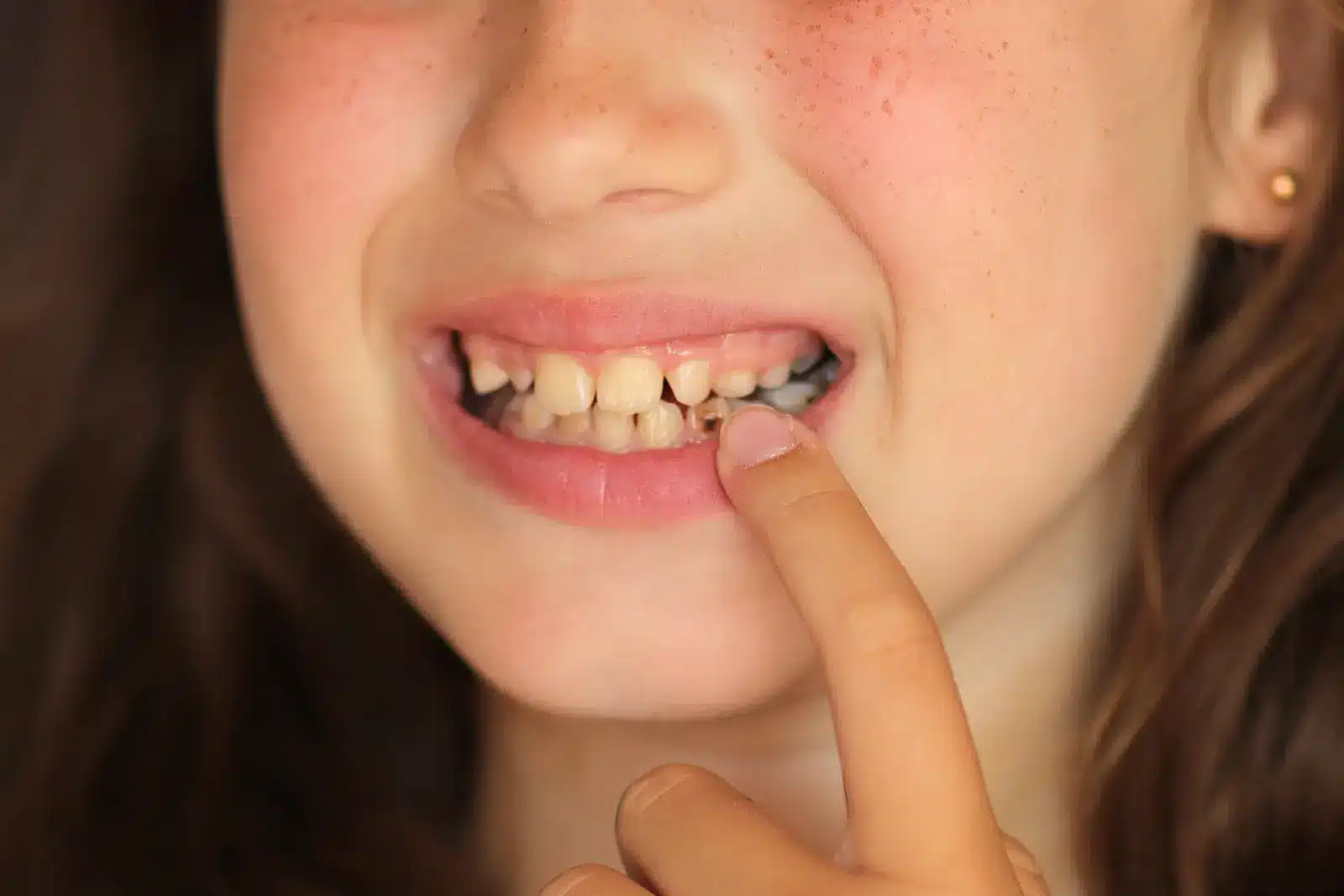
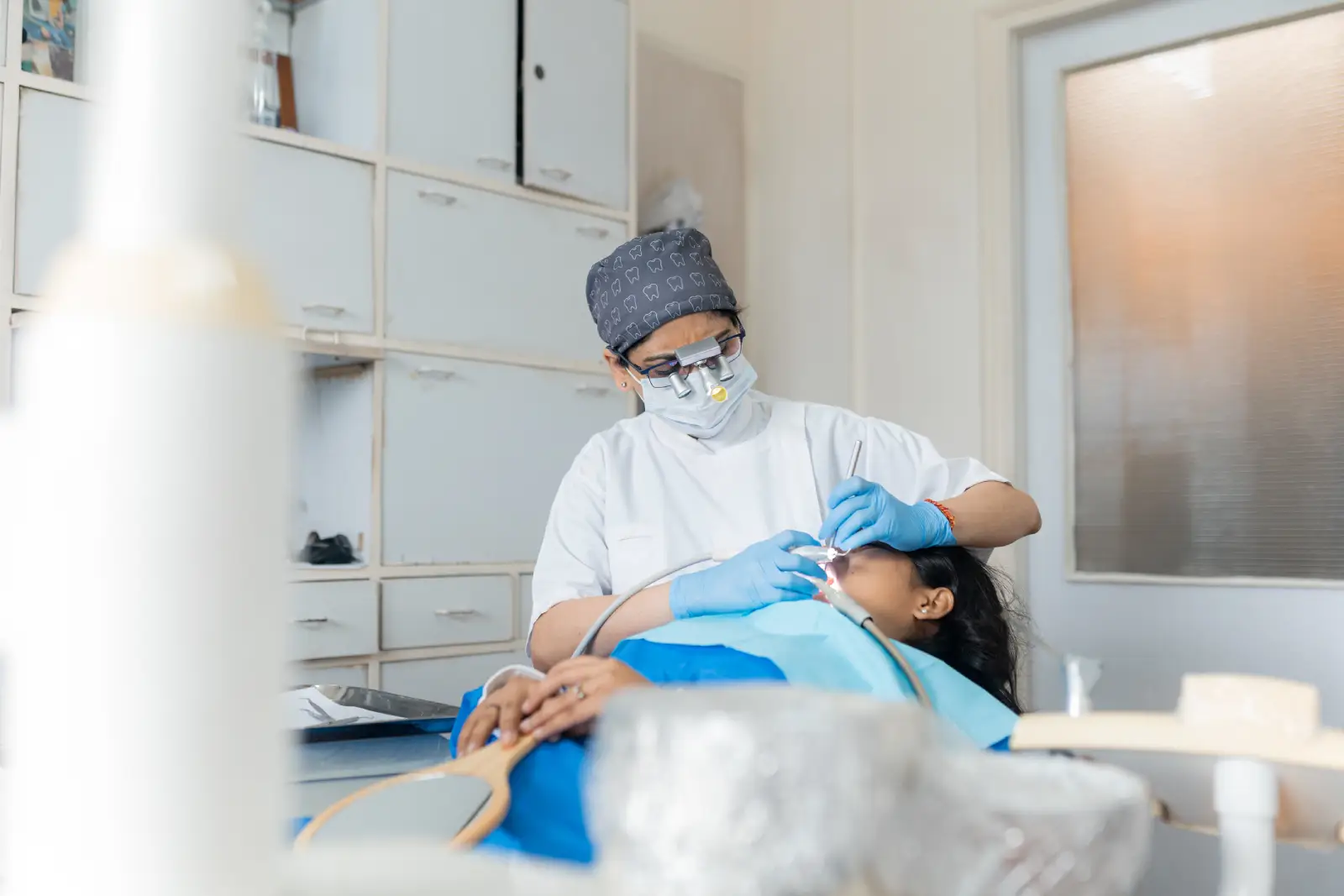
Treatment may involve fillings, root canal therapy, gum treatment, crown placement, or tooth removal if necessary. Our goal is always to preserve your natural teeth whenever possible.
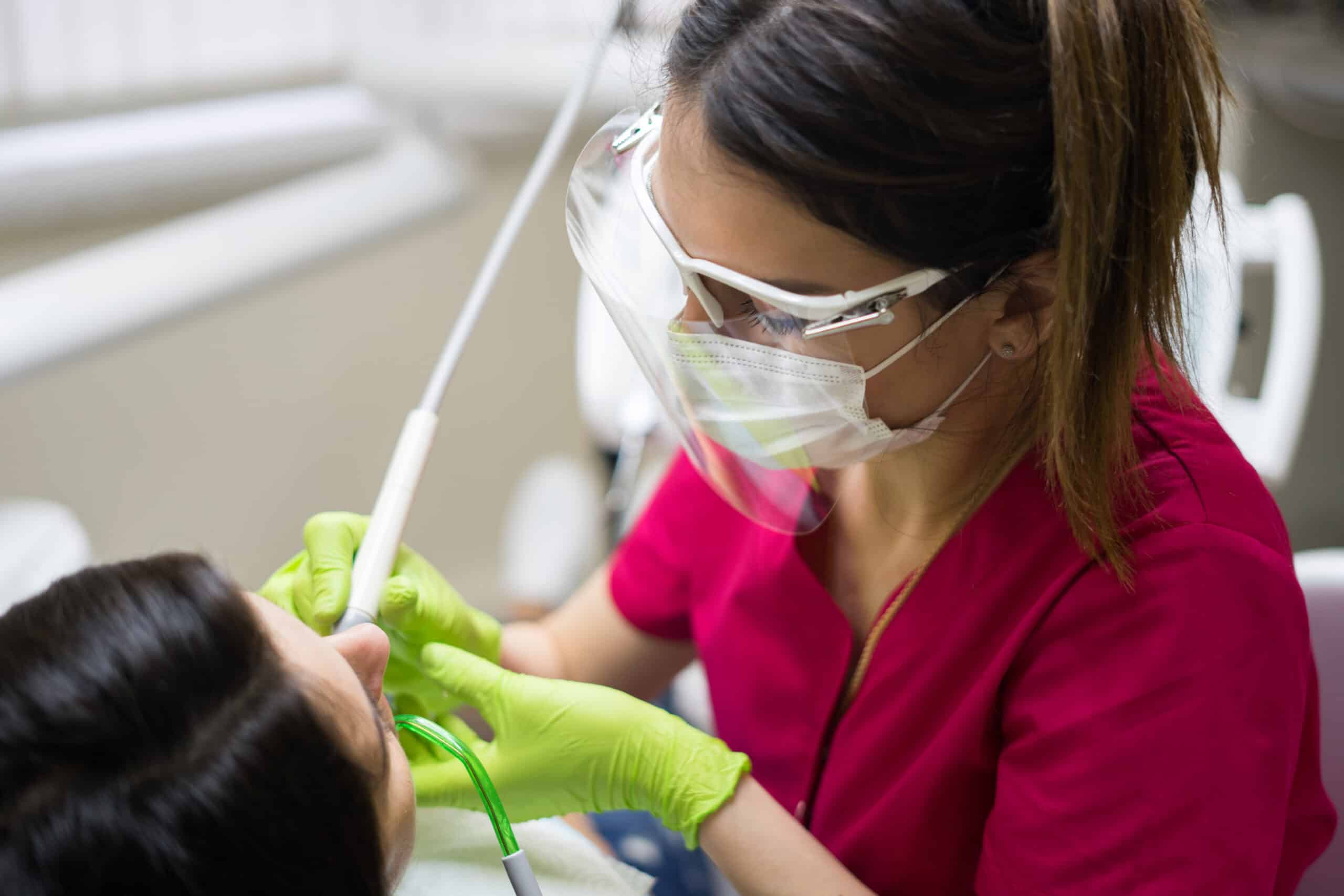
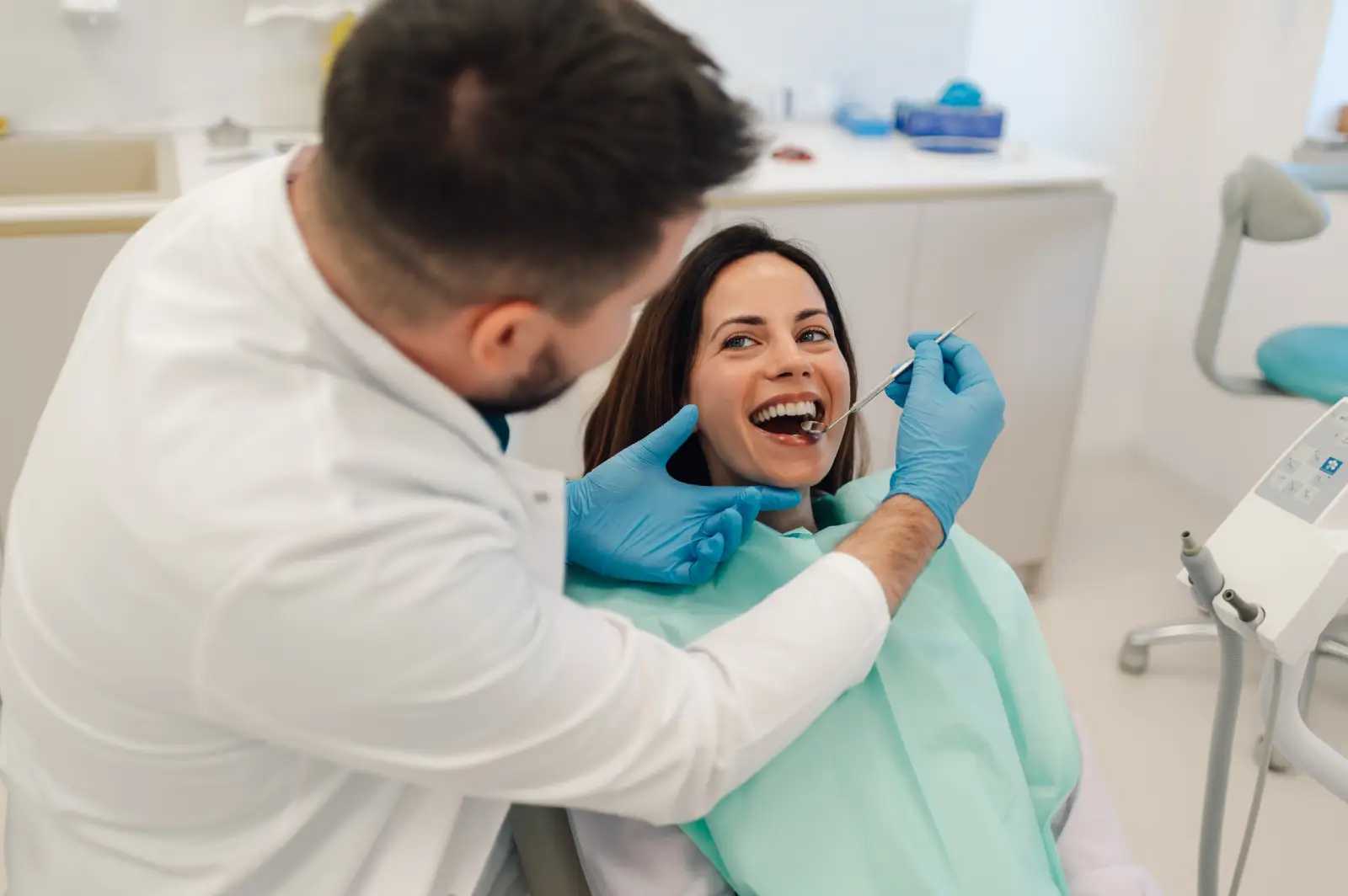
Severe tooth pain typically signals an underlying dental issue such as tooth decay, infection, an abscess, or a cracked tooth. While over-the-counter pain medication offers temporary relief, it does not fix the root cause. You should be evaluated by a dentist promptly.
At Dental Nook Brisbane, our dentists perform a comprehensive clinical examination and take digital X-rays to pinpoint the cause of your discomfort before recommending treatment—such as a composite filling, root canal therapy, crown, or extraction.
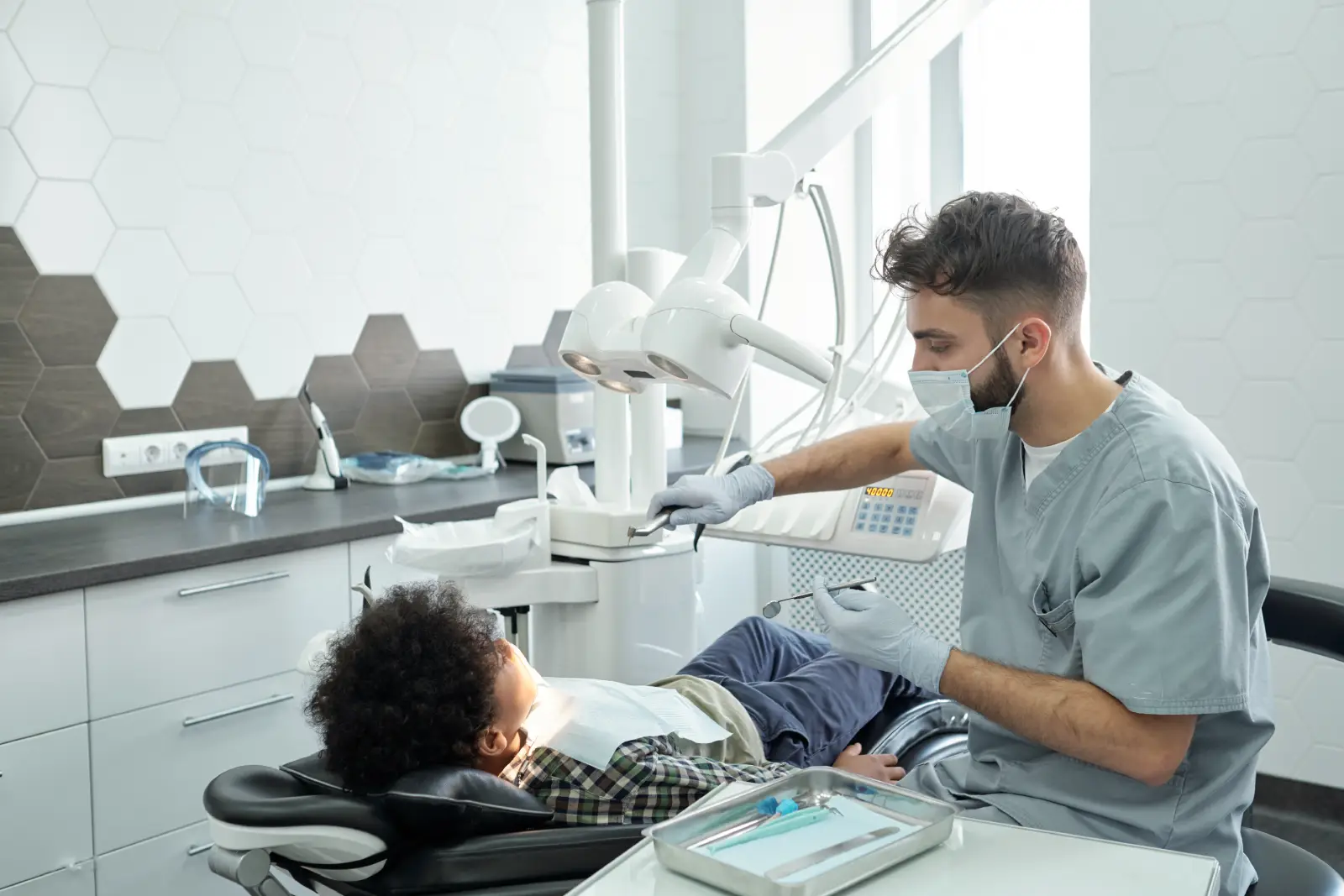


A toothache can be caused by several dental problems, including tooth decay, infection, a cracked tooth, gum disease, an abscess, or wisdom tooth issues. In some cases, pain may also come from teeth grinding or food trapped between teeth.
You should see a dentist as soon as possible if your toothache is severe, lasts more than a day or two, causes swelling, makes it painful to chew, or is accompanied by fever, a bad taste in the mouth, or sensitivity to hot and cold.
Some mild discomfort may ease temporarily, but the underlying dental problem often remains. A toothache should not be ignored because untreated issues can become more painful and may require more complex treatment later.
A toothache can be a dental emergency, especially if it involves strong pain, facial swelling, bleeding, infection, or difficulty eating or sleeping. Urgent assessment is important to relieve pain and prevent the problem from worsening.
Treatment depends on the cause of the pain. A dentist may recommend a filling, root canal treatment, tooth extraction, infection management, or other care to address the source of the toothache and provide relief.
Yes, Dental Nook understands that dental pain can feel stressful, especially when treatment is urgent. Our team aims to provide gentle care, clear explanations, and a supportive approach to help anxious patients feel more comfortable.
Yes, Dental Nook provides emergency toothache treatment for patients in Carindale and nearby Brisbane suburbs including Camp Hill, Belmont, Mansfield, Carina, Tingalpa, and surrounding areas.
Good oral hygiene, regular dental check-ups, early treatment of dental problems, and avoiding delays when pain starts can help reduce the risk of future toothaches. Your dentist can also recommend preventive care based on your oral health needs.
Please note that this is not an actual appointment, but only a request for one. We Will Contact you for a confirmation shortly after. Thank you!
toothache treatment, tooth pain remedy brisbane, tooth decay treatment brisbane, toothache dentist, toothache pain relief, dentist for toothache, toothache treatment bayside
Recognizing the specific symptoms of a toothache is crucial for timely intervention. Symptoms can vary widely, from dull, persistent pain to sharp, acute discomfort that may radiate to the jaw, ear, or neck. Other indicators include swelling around the tooth, sensitivity to temperature changes, and pain during chewing.
For instance, if you experience a throbbing pain that worsens when lying down, it may indicate an underlying infection. Promptly identifying these symptoms can guide you in seeking appropriate dental care and prevent complications that could arise from delayed treatment.
While professional dental care is essential for treating toothaches, some home remedies can provide temporary relief. Options such as rinsing with warm salt water, applying a cold compress to the affected area, or using over-the-counter pain relievers can help alleviate discomfort.
For example, clove oil is a well-known natural remedy due to its analgesic properties. Applying a small amount to the painful area may help reduce pain until you can see a dentist. However, these remedies should not replace professional treatment, especially if the pain persists.
Regular dental check-ups play a vital role in preventing toothaches and maintaining oral health. During these visits, dentists can identify early signs of decay or other issues before they develop into painful conditions. This proactive approach can save you from more extensive and costly treatments in the future.
For instance, a routine examination might reveal small cavities that can be easily treated with fillings, preventing further pain or tooth loss. Establishing a consistent dental care schedule is key to ensuring your teeth and gums remain healthy.
Patients often have numerous questions regarding toothaches, including their causes, treatment options, and preventive measures. Understanding these aspects can empower individuals to take charge of their oral health and make informed decisions when faced with dental pain.
Common questions might include: "What should I do if I have a toothache?" or "Can a toothache go away on its own?" Addressing these FAQs not only provides clarity but also helps in demystifying dental care, encouraging patients to seek help when needed.