Teeth Braces in Brisbane
Advanced Orthodontic Care with the Latest Technology for Teens and Adults
Our Brisbane southside orthodontic services are based at Dental Nook in Brisbane, just a short drive from the CBD and convenient for patients from nearby suburbs such as Carina, Camp Hill, Mount Gravatt, Mansfield, and the surrounding areas.
Welcome to Dental Nook’s braces and orthodontics hub. From our modern Brisbane clinic, we see every day how a confident, well-aligned smile can transform self-esteem and overall well-being.
Our dentist with a special interest in orthodontics provides braces for adults and older patients, using contemporary techniques and technology. She is committed to creating healthy, attractive smiles that feel as good as they look.
All our clinicians are AHPRA-registered Brisbane dentists. Our team includes general dentists and practitioners with additional training in teeth straightening and orthodontic care.
Adult braces and orthodontic treatment in Brisbane
Straightening your teeth is possible at any age. Orthodontic treatment is not limited to children or teenagers. With braces tailored for adults and seniors, you can still enjoy the long-term benefits of a healthy, well-aligned smile.
What are Teeth Braces?
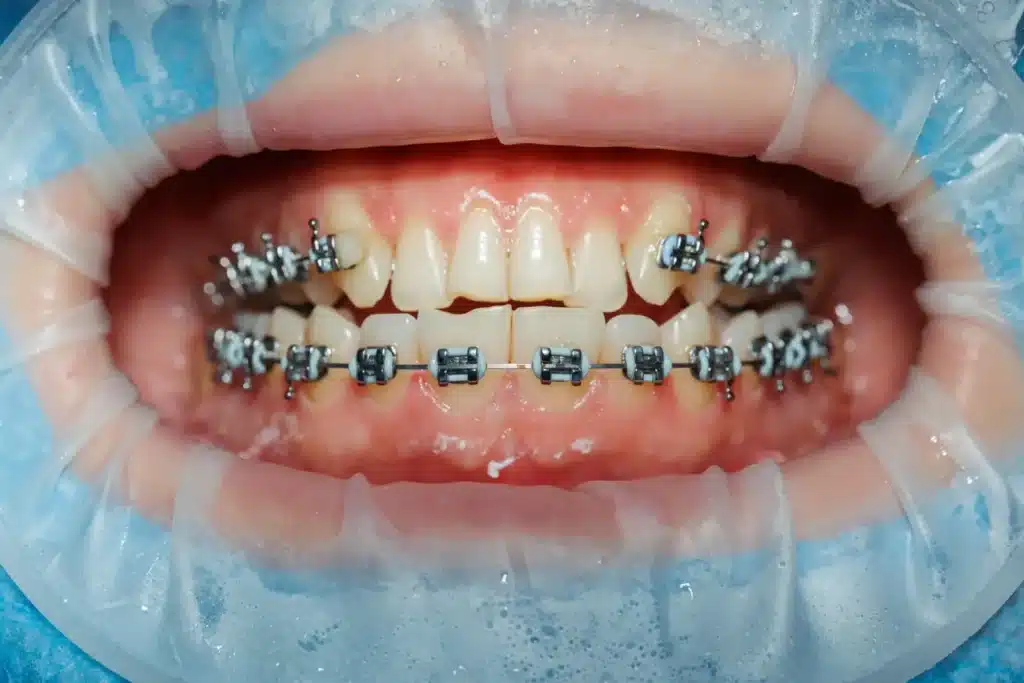
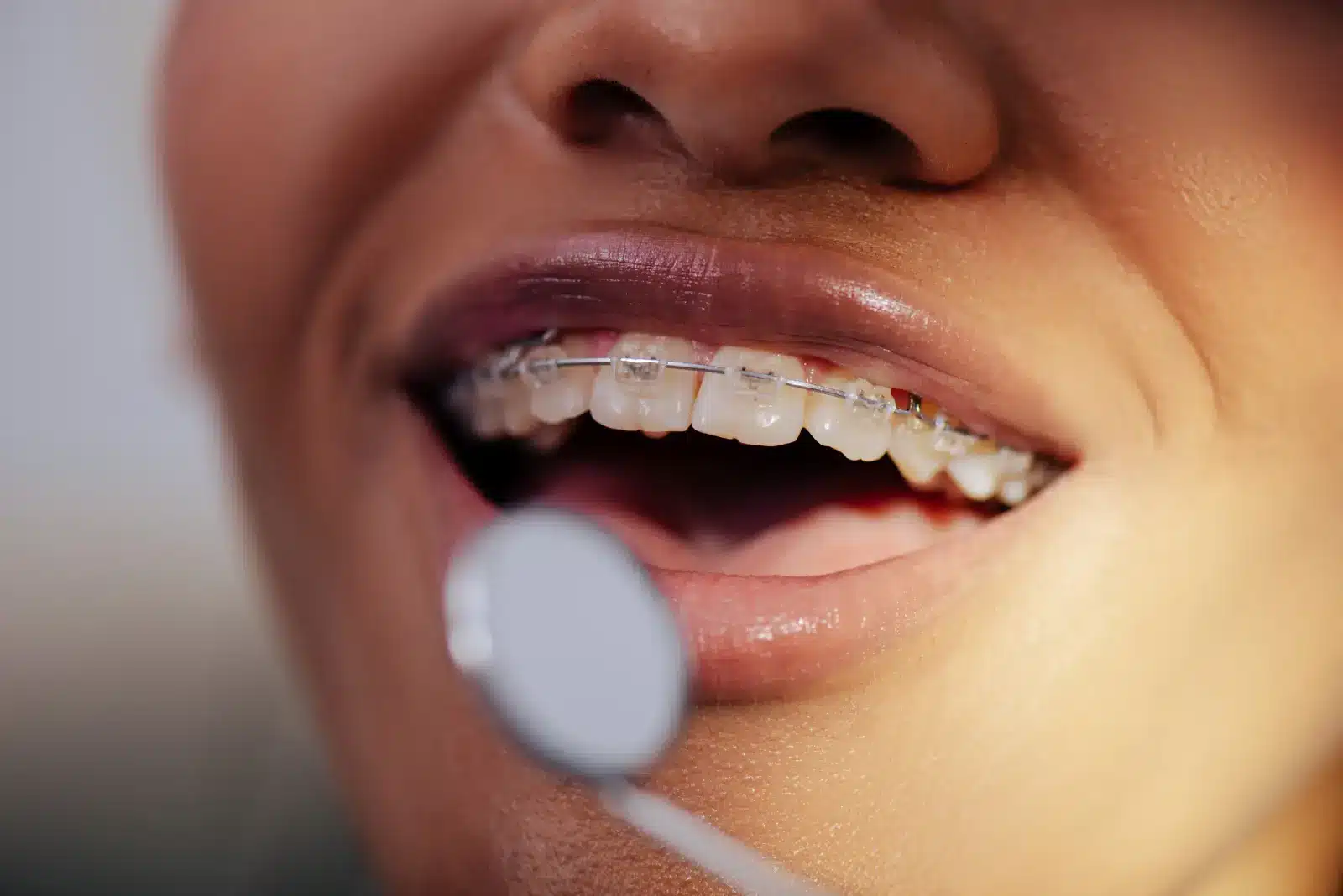
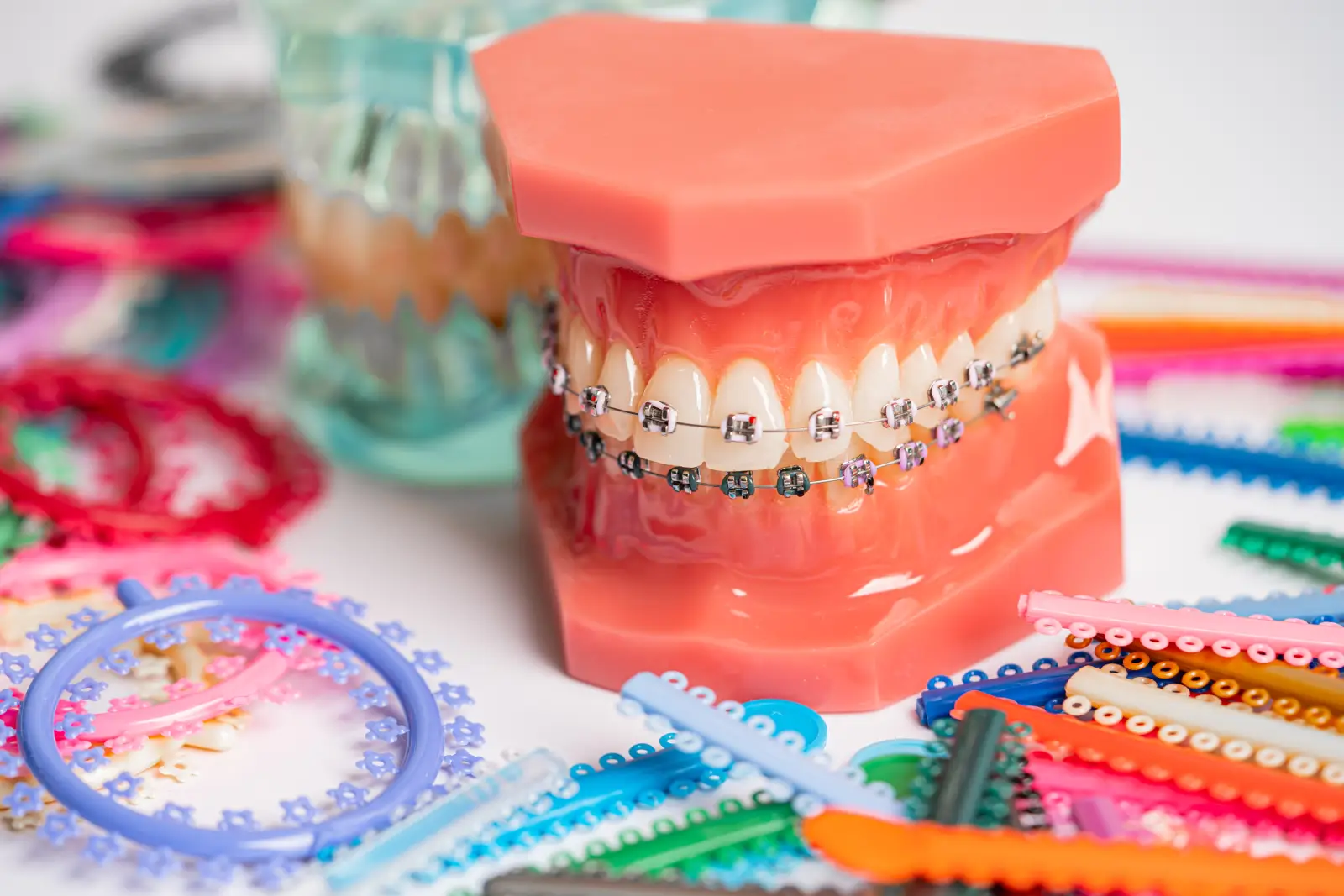
Braces are an orthodontic appliance made up of small brackets and thin wires that place gentle, continuous pressure on your teeth. Over time, this pressure gradually moves teeth into a healthier, more even position. Treatment usually takes between one and three years. Braces can close gaps, straighten crowded teeth, and help correct problems such as overbites, underbites, and jaw alignment issues.
Traditional metal braces are still one of the most common and affordable ways to straighten teeth. With this option, your dentist or orthodontist carefully bonds metal brackets to each tooth and connects them with a wire. The wire is regularly adjusted to keep guiding the teeth into their ideal position. For many patients, this process takes around two years from start to finish.
What is a retainer?
Once braces are removed, many patients are fitted with a retainer. A retainer is a slim orthodontic appliance, usually a fine wire or clear tray, that sits over your teeth to help keep them in their new position.
- How should I use and care for my retainer?
Handle your retainer gently. Although it is sturdy, it can still crack or bend if mistreated. Clean it every day with a soft toothbrush, toothpaste and lukewarm water. Wear your retainer exactly as your dentist or orthodontist recommends, and remove it for meals, contact sports, or swimming. When it is not in your mouth, place it straight into its protective case.
Keep your retainer away from heat sources such as hot water, radiators, or a warm car dashboard, as high temperatures can distort the plastic or wire.
Remember to bring your retainer with you to every review appointment.
- How should retainers be adjusted?
Retainers should only ever be adjusted by your dental professional. Do not try to bend or tighten them yourself, as this can damage the appliance or affect your teeth.
- Polishing and final checks
Adults choose braces for more than just appearance. Straighter teeth can:
-
Improve oral hygiene
Aligned teeth are easier to brush and floss, which can reduce the risk of decay and gum disease. -
Boost confidence
A healthy, even smile often makes people feel more comfortable and self-assured in social and professional settings.
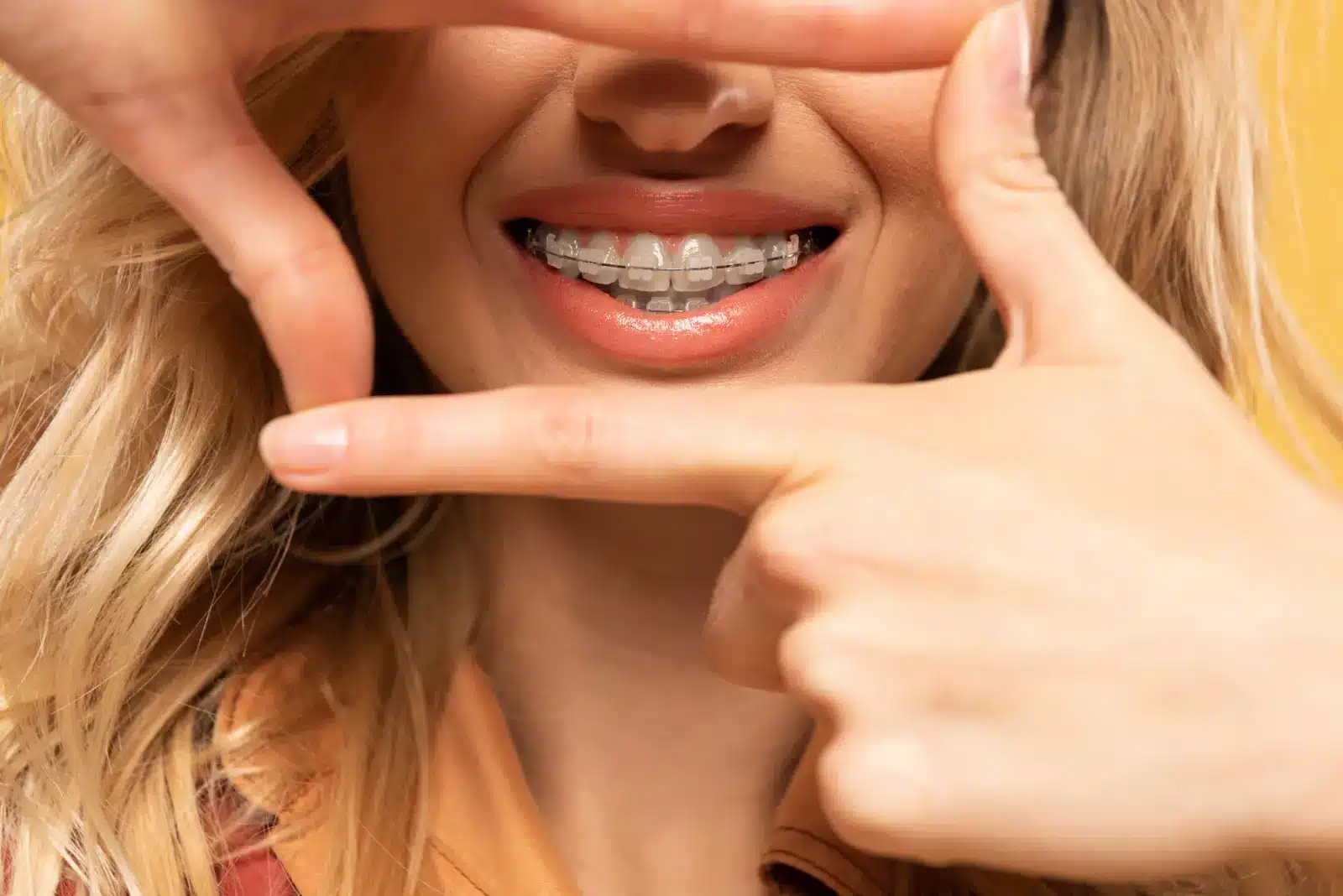
Are people with straight, healthy teeth seen as more successful?
Many people feel that a well-aligned smile makes someone look more confident, approachable and successful. Straight teeth are not just about appearance though – they also support better oral and overall health.
Healthier gums with straight teeth
When teeth line up correctly, it is easier to keep the gums clean and healthy. Plaque and food are less likely to become trapped in hard-to-reach areas, which can lower the risk of gum disease.
Sometimes, before placing a new dental implant, crown or bridge, the neighbouring teeth need to be gently moved into a better position. Orthodontic treatment with braces can be used to create this ideal spacing and alignment.
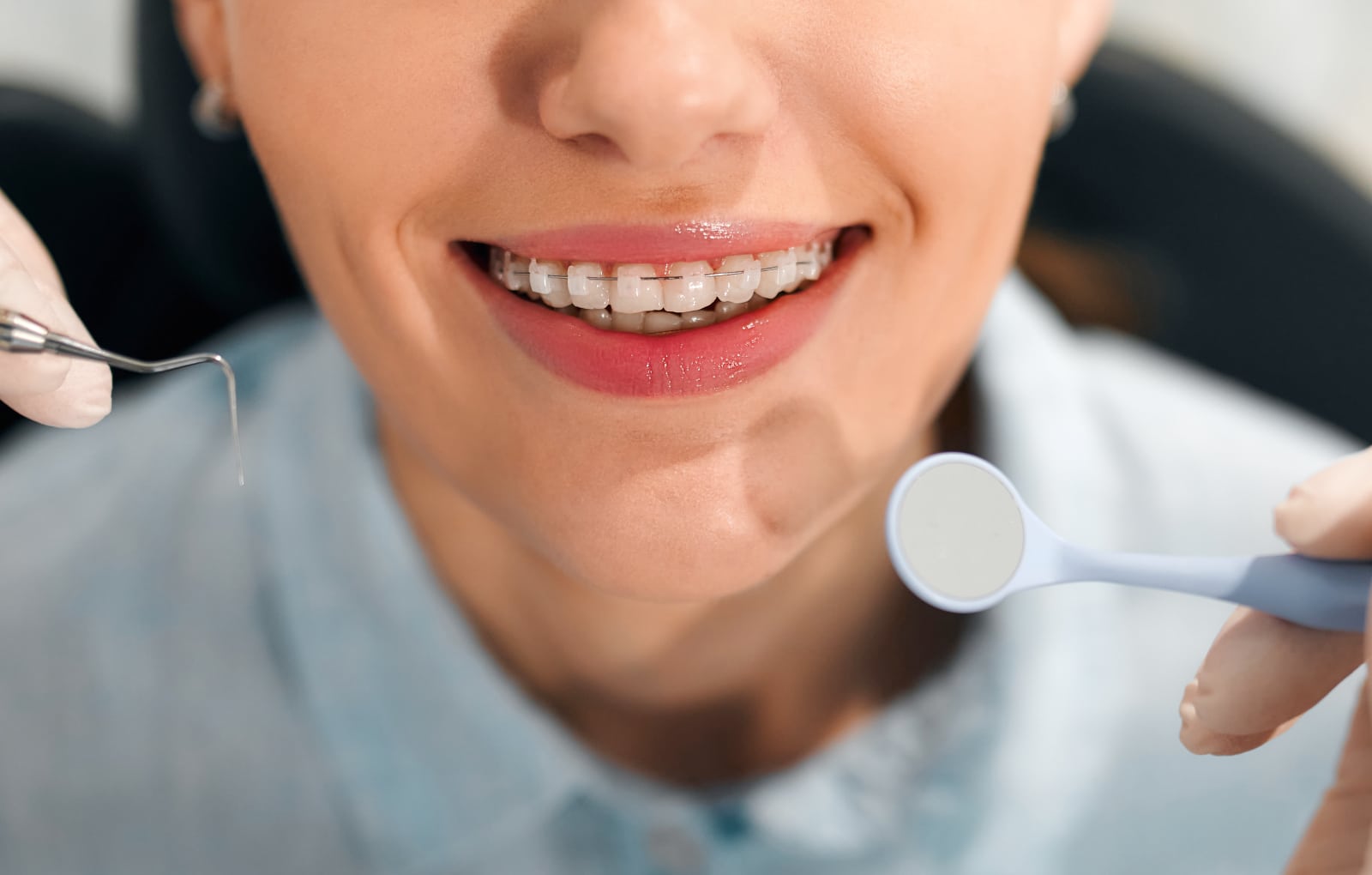

Support for digestion
If your bite is very uneven or your teeth are crowded and crooked, chewing properly can be difficult. Poorly chewed food can place extra stress on the digestive system. By straightening the teeth and improving the way the upper and lower jaws meet, braces help you break food down more effectively before you swallow.
Treatment of painful or noisy jaw joints
Clicking, popping or pain around the jaw joint can sometimes be linked to bite problems. In suitable cases, correcting the bite with orthodontic treatment can ease strain on the jaw joint and reduce discomfort. If you notice these symptoms, our team at Dental Nook can assess whether braces may help.

Frequently Asked Questions for Teeth Braces
Will straightening my teeth make them loose?
A slightly loose feeling during treatment is normal and expected. Braces work by applying gentle, constant pressure that encourages teeth to move through the bone. As they move, they can feel mobile for a short time. Once the teeth reach their new positions and treatment is complete, this sensation settles and the teeth feel firm again.
Will my health fund contribute to braces?
Many private health funds offer rebates for orthodontic treatment, but the level of cover depends on your individual policy. If you have extras cover with a fund such as Medibank, Bupa, HCF, NIB or another provider, our reception team can help you check what orthodontic benefits you may be entitled to and how much they could reduce your out-of-pocket costs.
How much do braces cost in Brisbane?
Orthodontic fees vary from person to person because every smile and treatment plan is different. The overall cost depends on factors such as the complexity of your case, the type of braces chosen and the expected length of treatment. During your consultation at Dental Nook in Brisbane, we will outline your options, discuss costs in detail and provide a personalised quote.
If you are wondering whether braces are right for you, book a teeth-straightening consultation with Dental Nook. Our friendly team can explain your options and show how orthodontic treatment could improve your smile, bite and long-term oral health.
How long does braces treatment usually take?
Braces treatment commonly takes between 12 and 24 months, although this varies depending on how complex the tooth movement is and how well the teeth respond to treatment.
Are braces only for children and teenagers?
No. Braces can also be a very effective option for adults who want to improve tooth alignment, bite function, and smile appearance.
Do braces hurt?
Braces do not usually hurt during fitting, but it is normal to feel some pressure or soreness for a few days after adjustments as the teeth begin to move.
What foods should I avoid with braces?
Hard, sticky, and chewy foods should be limited because they can bend wires, loosen brackets, or make cleaning more difficult.
Will I need to wear a retainer after braces?
Yes. Retainers are usually recommended after braces to help keep your teeth in their new positions and reduce the chance of movement over time.
Can braces improve more than just appearance?
Yes. Braces can help improve bite alignment, make cleaning easier, reduce uneven wear, and support long-term oral health as well as appearance.
Do patients visit Dental Nook from nearby suburbs for braces?
Yes. Dental Nook sees braces patients from Carindale and nearby suburbs including Carina, Camp Hill, Mansfield, Mount Gravatt, and surrounding Brisbane areas.
Ready to Know more about Teeth and Braces?