If you’ve noticed your child having difficulty feeding, speaking clearly, or moving their tongue freely, you may have come across the terms tongue-tie or lip-tie. These conditions are more common than many parents realise and can affect infants, toddlers, and even older children.
At Dental Nook, we take a careful, evidence-based approach to diagnosing tongue-tie and lip-tie. Accurate assessment is essential before recommending any form of treatment.
Let’s explore how these conditions are identified.
Tongue-Tie and Lip-Tie: How We Diagnose Them
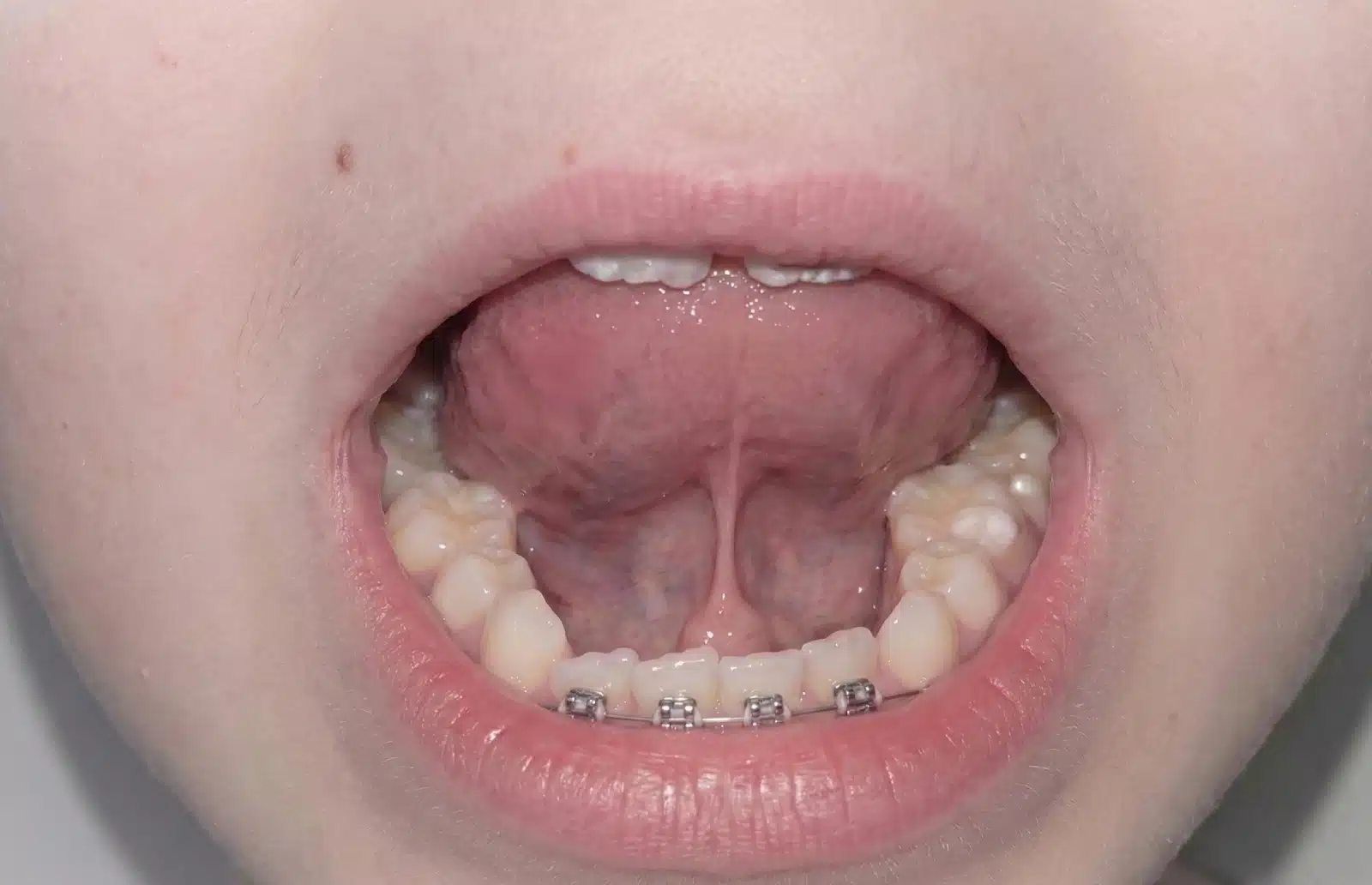
Tongue-tie (ankyloglossia) occurs when the band of tissue under the tongue is tight, short, or thick, restricting movement. Lip-tie involves a tight attachment of the upper lip to the gums.
Not every tight frenulum requires treatment. Diagnosis focuses on how the tissue affects function — not just appearance.
Diagnosing Tongue-Tie
Visual Assessment
The first step is a thorough clinical examination.
We carefully observe:
Tongue Position at Rest
Is the tongue able to sit comfortably at the roof of the mouth?
Tongue Mobility
Can the child lift the tongue upward, extend it outward, and move it side to side?
Appearance of the Frenulum
Is the attachment thick, tight, or positioned close to the tip of the tongue?
Heart-Shaped Tongue Tip
In some cases, the tongue may appear notched when extended, indicating restriction.
Visual assessment helps guide further evaluation.
Functional Assessment
Function is often more important than appearance.
We assess:
Feeding Ability
In infants, we look at latch quality, clicking sounds, and feeding fatigue.
Speech Development
In older children, we assess articulation, particularly sounds requiring tongue elevation.
Swallowing Patterns
Restricted movement can influence how a child swallows.
Oral Hygiene Challenges
Limited tongue movement may affect the ability to clear food debris.
If restriction interferes with daily function, further discussion may be warranted.
Classification Systems for Tongue-Tie
To provide structured assessment, professionals may use recognised classification systems.
Hazelbaker Assessment Tool (HATLFF)
Evaluates both structure and function of the frenulum.
Coryllos Classification
Categorises tongue-ties based on the location of attachment.
Tongue Range of Motion Ratio (TRMR)
Measures how much movement is restricted compared to normal range.
These tools help ensure diagnosis is objective and consistent.
Diagnosing Lip-Tie (Maxillary Midline Frenulum)
Lip-tie involves the upper lip and the tissue attaching it to the gum above the front teeth.
Visual Indicators
We look for:
Limited Lip Mobility
Difficulty lifting the upper lip toward the nose.
Tension on the Gums
Blanching (whitening) of gum tissue when the lip is lifted.
Gap Between Front Teeth
A prominent frenulum may contribute to spacing between upper incisors.
Functional Concerns
Lip-tie may contribute to:
- Breastfeeding difficulties
- Lip flanging problems during feeding
- Speech concerns
- Oral hygiene challenges
However, many lip-ties do not require intervention unless they cause functional issues.
Lip-Tie Classification
Lip-ties are sometimes graded based on how far the frenulum extends toward the gum or palate. Classification helps determine whether monitoring or treatment is appropriate.
Again, function is the primary consideration.
The Best Treatment Option After Diagnosis
Treatment decisions depend on:
- Severity of restriction
- Functional impact
- Age of the child
- Parental concerns
- Feeding or speech challenges
When intervention is recommended, options may include:
Frenotomy
A simple release of the restrictive tissue, often performed in infants.
Frenectomy
A more comprehensive procedure when deeper or thicker tissue is involved.
Post-Procedure Care
Stretching exercises, feeding support, and speech therapy may be advised.
Every recommendation is tailored to the individual child.
Frequently Asked Questions
What is tongue-tie and how might it affect my child?
It is a restriction of tongue movement that may impact feeding, speech, and oral function.
What is lip-tie and how might it affect my child?
It is a tight attachment of the upper lip that may interfere with feeding or oral hygiene.
Are there risks associated with release procedures?
All procedures carry minor risks, but complications are uncommon when performed carefully.
Can my child be too old for treatment?
Evaluation can occur at any age. The approach may differ depending on developmental stage.
Are tongue-tie and lip-tie hereditary?
There may be a genetic component in some families.
How long does recovery take?
Healing is typically quick, especially in infants.
What happens if severe restriction is left untreated?
Persistent feeding or speech challenges may continue without intervention.
Helping Little Mouths Move Freely
Not all tongue-ties or lip-ties require treatment. Careful diagnosis ensures that only children who truly benefit from intervention are recommended for it.
At Dental Nook in Brisbane, we prioritise:
- Thorough functional assessment
- Evidence-based recommendations
- Gentle, child-focused care
- Clear communication with parents
If you have concerns about feeding difficulties, speech delays, or restricted oral movement, book a consultation. Early evaluation provides reassurance and helps guide the best path forward for your child.