
Gum Disease Treatment in Brisbane
How Is Gum Disease Treated in Brisbane?
Gum disease, or periodontal disease, is an inflammatory condition that affects the gums and the bone that supports the teeth. It is caused by a buildup of dental plaque around the teeth and along the gum line.
At Dental Nook Brisbane, gum disease is managed as a bacterial infection of the gums and surrounding bone. Plaque is a sticky layer of bacteria that forms on teeth and gums. If it is not removed, it can harden into tartar, which cannot be brushed away at home and must be removed by a dental professional. Left untreated, gum disease can lead to tooth loss and may also contribute to other general health problems.
The good news is that gum disease is largely preventable with:
- Consistent brushing and flossing
- Good daily oral hygiene habits
- Regular check-ups and professional cleans with your dental team

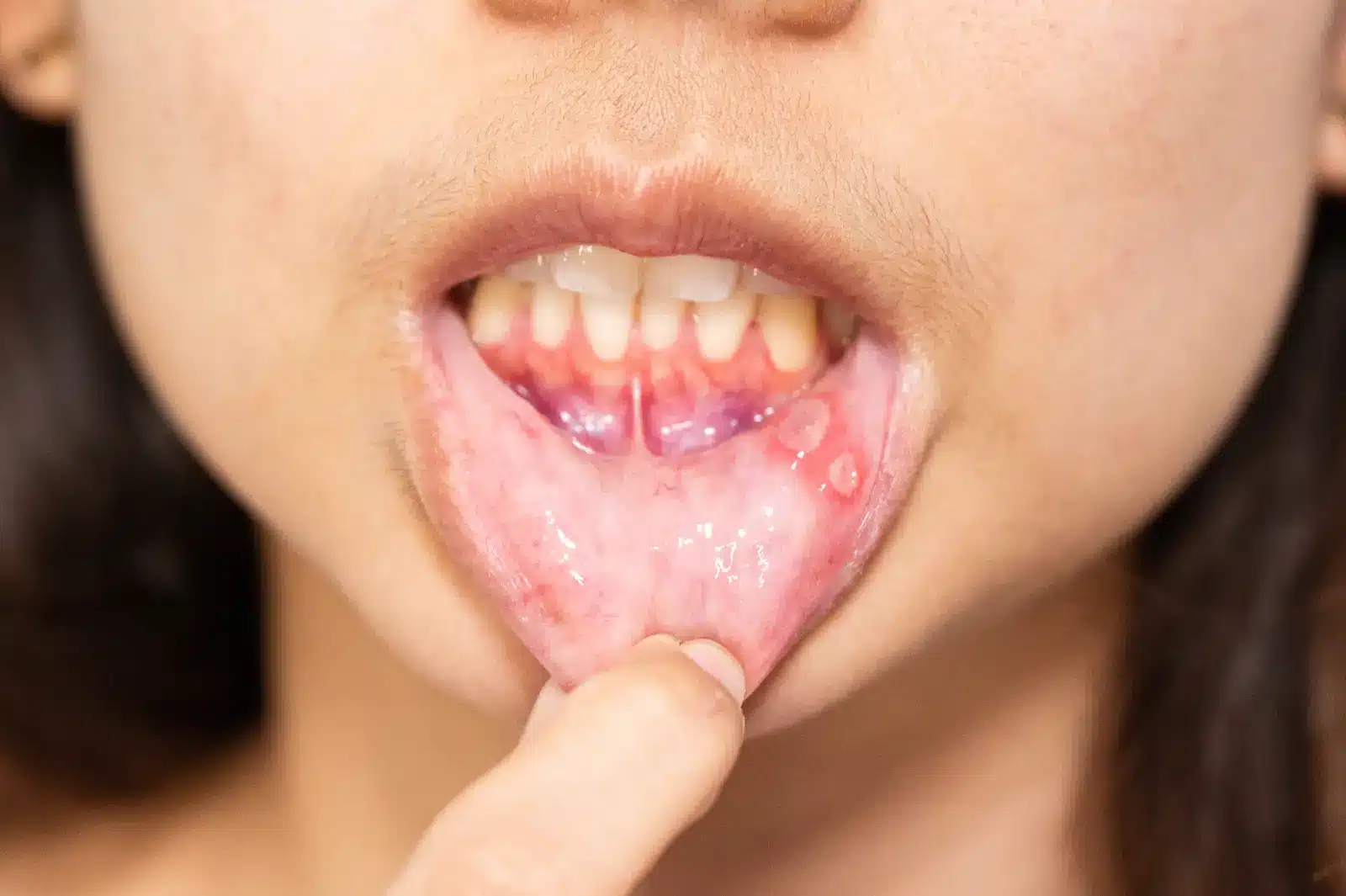
- Gum disease most often starts because of poor oral hygiene and plaque build up around the gum line, combined with missed dental visits.
- If periodontal disease is ignored, it can threaten your oral health and may be linked with other medical conditions.
- The simplest way to protect yourself is to maintain good home care and attend regular dental check-ups at Dental Nook.
What Are the Stages of Gum Disease?
Gingivitis & Periodontitis
Gingivitis
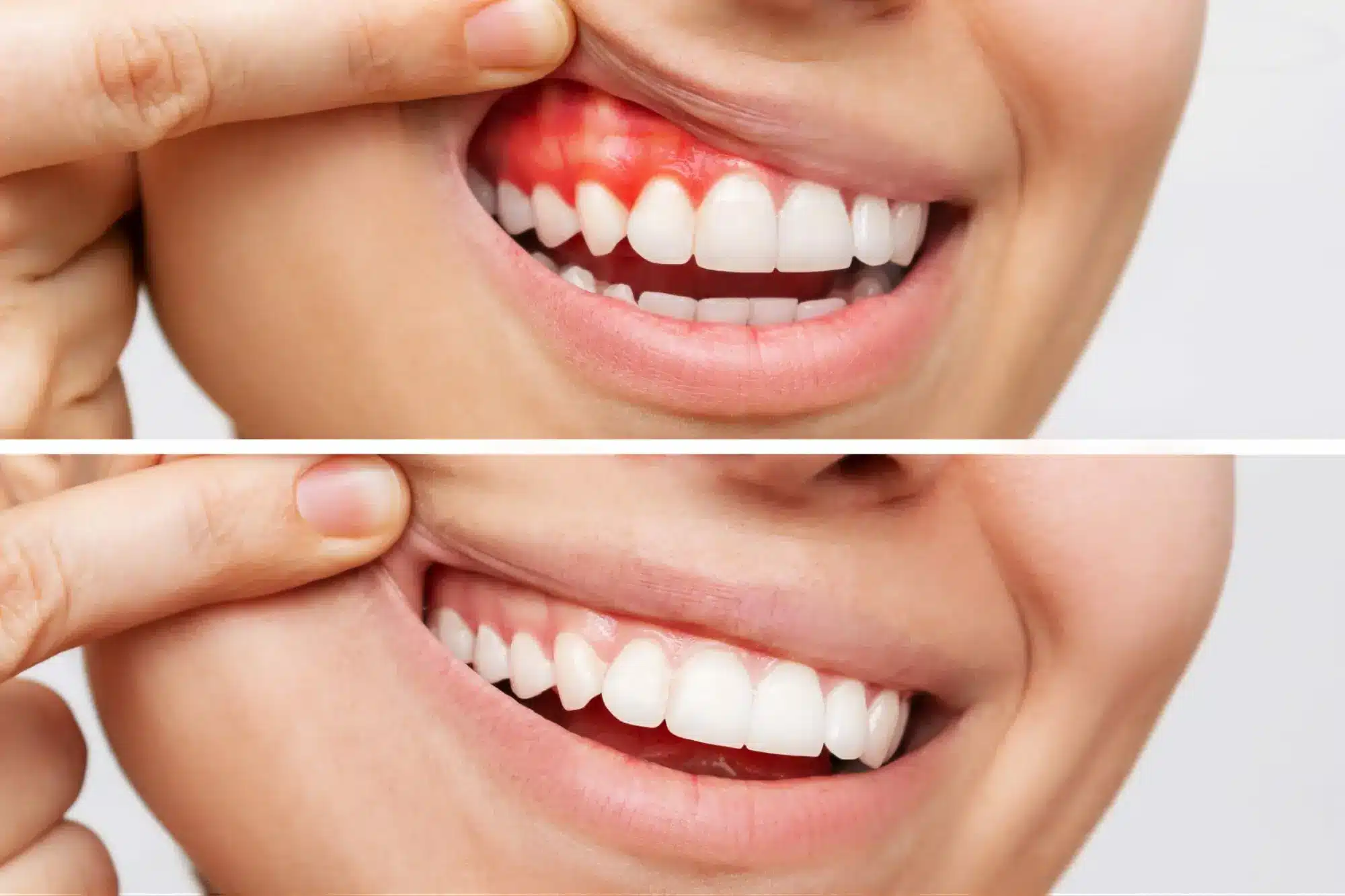
- Gingivitis is the early stage of gum disease and is marked by red, swollen or bleeding gums.
- You may notice bad breath, tenderness or bleeding when brushing or flossing.
- Gingivitis can usually be reversed with careful brushing, flossing and regular professional cleaning.
Periodontitis
- Periodontitis is the advanced form of gum disease. The inflammation spreads deeper into the tissues and bone supporting the teeth.
- As the condition progresses, the gums can pull away from the teeth to form periodontal pockets where bacteria collect and cause further damage.
- Untreated periodontitis may lead to bone loss, loose teeth and eventually tooth loss. It does not resolve on its own and needs professional treatment alongside good home care.
Warning Signs
- Bleeding, swollen or tender gums
- Ongoing bad breath
- Sensitive or loose teeth
- Gum recession exposing more of the tooth
- Changes in the way your teeth bite together
What Are Gum Disease Risk Factors?
- Brush or floss irregularly or inadequately
- Rarely use interdental brushes or floss
- Have a diet high in sugar
- Smoke or use tobacco products
- Have crowded or crooked teeth that are difficult to clean
- Experience hormonal changes
- Take certain medications
- Have systemic conditions such as diabetes
Nonsurgical vs Surgical Gum Disease Treatments – What Are My Options?
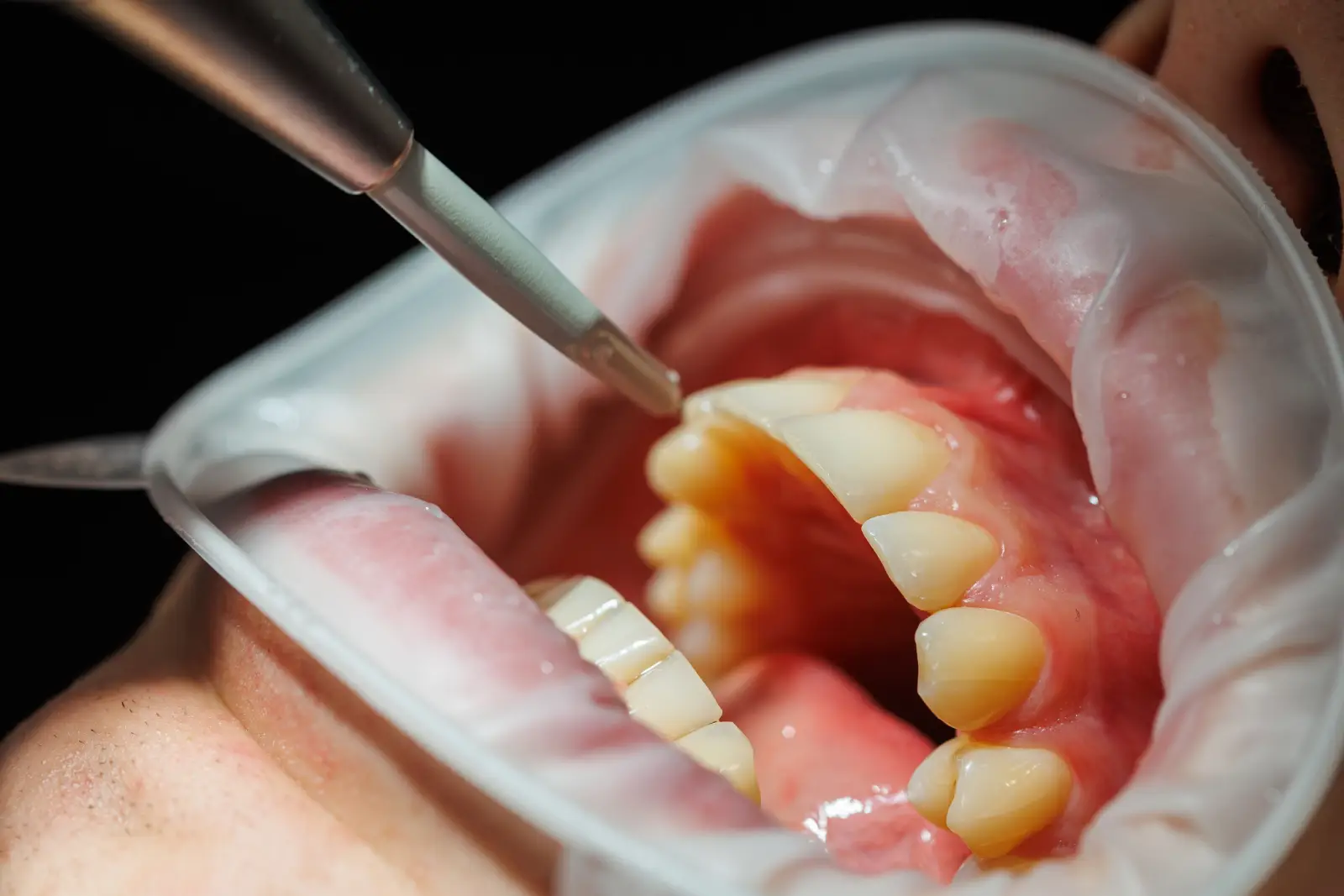
Periodontal treatment aims to clean the pockets around the teeth, reduce harmful bacteria and help save teeth from further damage.
- Deep cleaning below the gum line
- Antibiotics to control infection
- In more severe cases, surgical procedures to repair damaged tissues and bone
- How far the disease has progressed
- Your overall health
- How well you can maintain oral hygiene after treatment
Nonsurgical Treatments
Scaling and Root Planing
Antibiotic Therapy for Gum Disease
Surgical Treatments
Laser Periodontal Therapy
Pocket Reduction (Flap) Surgery
Bone Grafting
Soft Tissue Grafts
Guided Tissue Regeneration
Risks or Complications of Periodontal Treatment
- Pain and discomfort: Mild soreness and sensitivity in the treated area are common and usually settle within a few days. Your dentist may recommend pain relief to keep you comfortable.
- Bleeding: Some bleeding after treatment is normal. Excessive or prolonged bleeding is less common but can occur, particularly if you are taking blood-thinning medicines.
- Infection: Although the goal of treatment is to control infection, there is a small risk of a secondary infection if the area is not cared for properly.
- Tooth sensitivity: Teeth can feel more sensitive to hot and cold after treatment. This often improves with time.
- Receding gums: In some cases, the gums may shrink back slightly after treatment, making the teeth appear longer and exposing more of the root surface.
- Tooth mobility: When deep periodontal disease has been treated, affected teeth may feel looser for a time. In rare cases, severely compromised teeth may eventually be lost.


How Should I Care for My Teeth and Gums After Gum Disease Treatment?
- Following all aftercare instructions closely, including any prescribed medications
- Brushing twice daily with a soft-bristle toothbrush and fluoride toothpaste
- Flossing or using interdental brushes every day
- Using an antiseptic mouthwash if advised
- Avoiding smoking and tobacco products, which slow healing and increase gum disease risk
- Eating a balanced diet rich in vitamins and minerals to support immune health and tissue repair
- Keeping up with regular dental checkups so your gums and teeth can be monitored
How Long Does It Take to Recover from Gum Disease Treatment?
Recovery may take longer if you have had surgical procedures such as flap surgery, bone grafting or soft tissue grafts. It is common to experience mild pain, swelling and slight bleeding in the days following surgery.

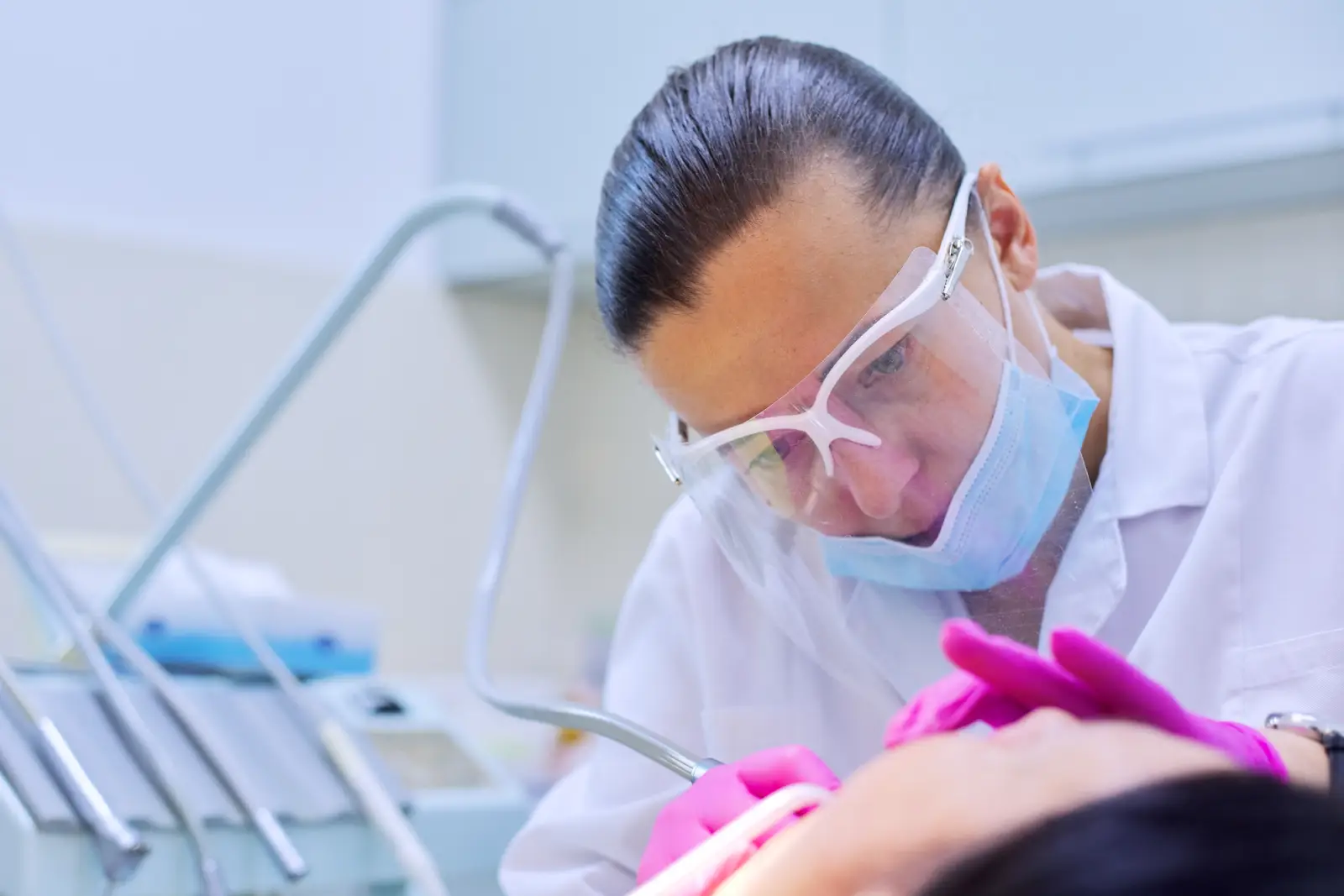
Dental Nook and Ongoing Gum Health
- General dentistry
- Gum disease diagnosis and treatment
- Cosmetic and restorative care
For gum-care enquiries in Carindale, contact Dental Nook to ask about a periodontal assessment, current appointment availability and fees. Discuss your concerns and questions with our team before arranging your visit.
Frequently Asked Questions about Gum Disease Treatment
What are the early signs of gum disease?
Can gum disease affect my overall health?
How Successful Is Gum Disease Treatment?
- How severe is the disease?
- How much bone and gum tissue have been damaged?
- Your general health and commitment to good home care