Emergency Root Canal Treatment in Brisbane
Emergency Dentist Brisbane for Root Canal or Extraction
Emergency Root Canal: Saving Your Natural Tooth

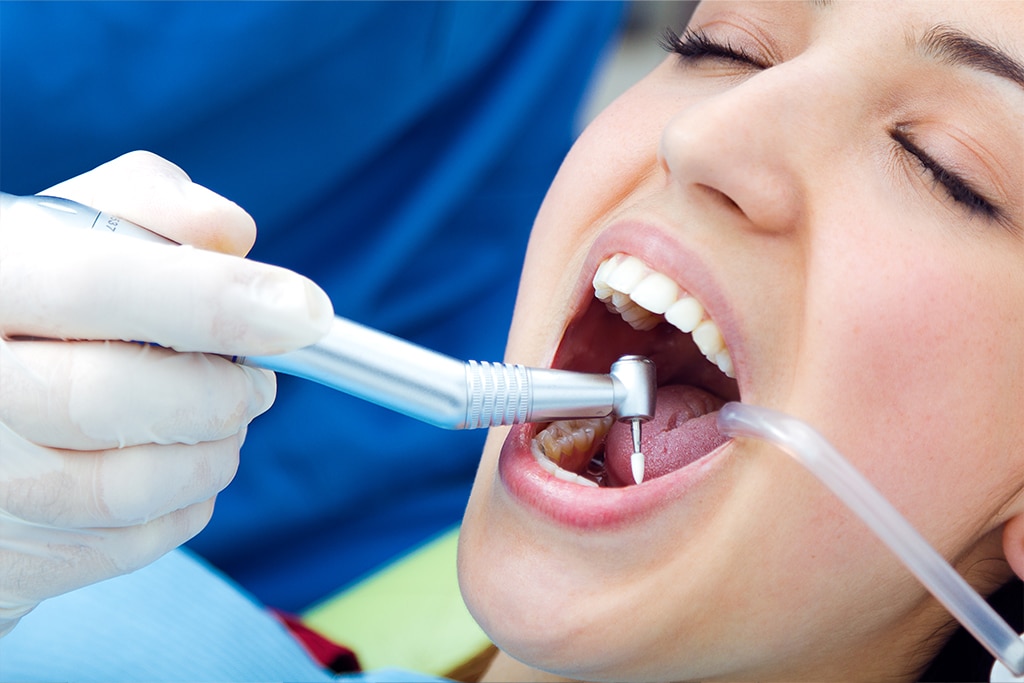
Root canal treatment at Dental Nook
- Gently cleans, disinfects and repairs the inside of the tooth
- Is performed under local anaesthetic for a comfortable experience
- Usually feels comparable to a longer filling appointment
- It is commonly completed with a dental crown for added strength and protection
Tooth Extraction: Gentle Removal of a Severely Damaged Tooth
- Tooth extraction is sometimes an alternative to root canal treatment
- It can be quicker and may cost less in the short term
- If the tooth is too badly damaged or fractured, extraction might be the only option
- The missing tooth can later be replaced with an implant, bridge, or denture
Extraction or Root Canal: Cost and Other Things to Consider
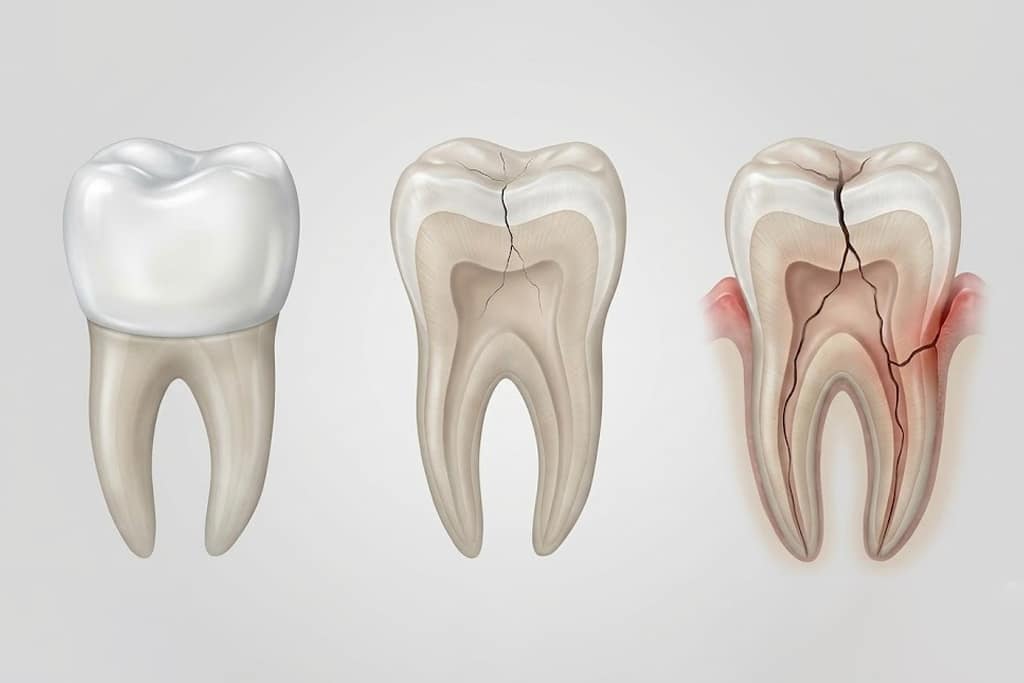
Complex Cracks in Teeth: Replace or Repair?
Want to Keep Your Own Tooth?

Want to Be Confident About the Outcome?
Frequently Asked Questions for Root Canal Treatment
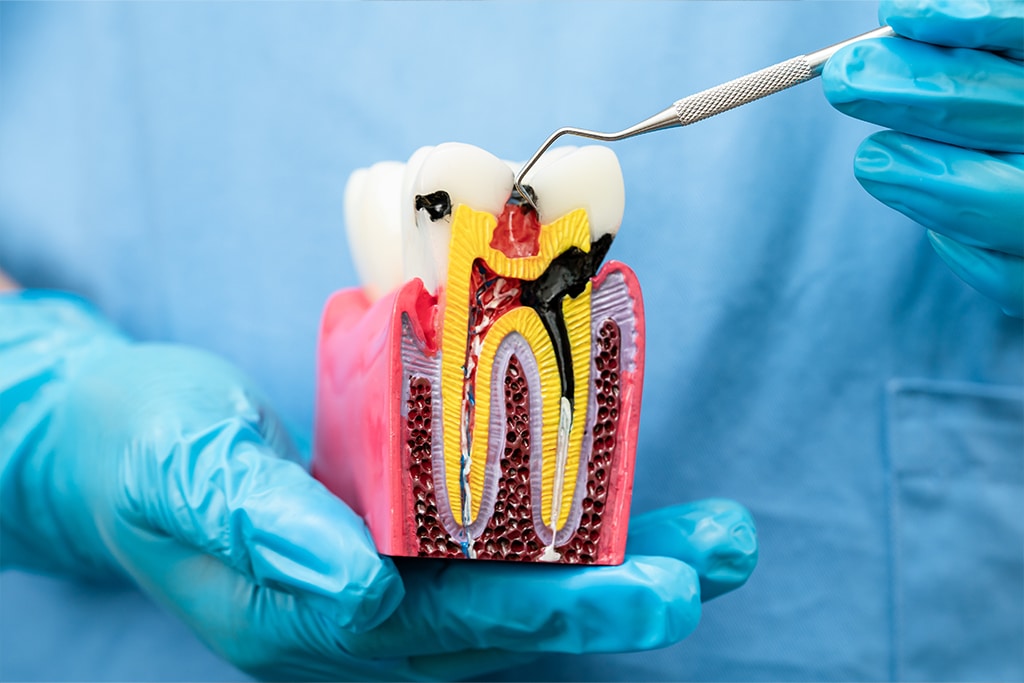
What Is a Root Canal?
What Is Root Canal Treatment?
What are the Signs that You Need Root Canal Treatment?
- Ongoing toothache
A deep, throbbing pain that does not fully settle can indicate infection inside the tooth. The pain may spread to the jaw, face, or neighbouring teeth. - Change in tooth colour
An infected or dying tooth can darken or take on a greyish shade. Because discolouration can also have other causes, it is important to have it checked by your dentist. - Sensitivity to temperature
Sharp or lingering pain when you have something hot or very cold, such as ice cream or chilled drinks, may be a sign that the nerve or surrounding tissues are inflamed or damaged. - Swollen or tender gums
Infection near the root can lead to swelling, tenderness, or a small pimple-like spot on the gum, sometimes with an unpleasant taste if it drains. - Loosening of the tooth
When infection affects the bone around the root, the tooth can feel slightly mobile. Root canal treatment may help stop further damage and save the tooth. - Cracked or chipped tooth
A crack from an accident, sports injury, or biting on something hard can let bacteria enter the pulp. If infection develops, root canal therapy is often needed to clean the area and prevent it from spreading. - Pain when biting or touching the tooth
Discomfort when you bite down or press on the tooth can be a sign of underlying nerve or root problems. Treating the infection with a root canal can usually relieve this pain and protect the tooth.
What is the step-by-step root canal treatment?
Step 1: Careful assessment and X-ray
First, our dentist will take an X-ray of the painful tooth to see the exact shape of the root canals and check whether the infection has spread to the surrounding bone.
Before any treatment begins, the area is numbed with local anaesthesia so you stay comfortable throughout the appointment. In some cases, where the nerve has already died, minimal sensation is felt even before the anaesthetic is given.
Step 2: Keeping the tooth isolated and dry
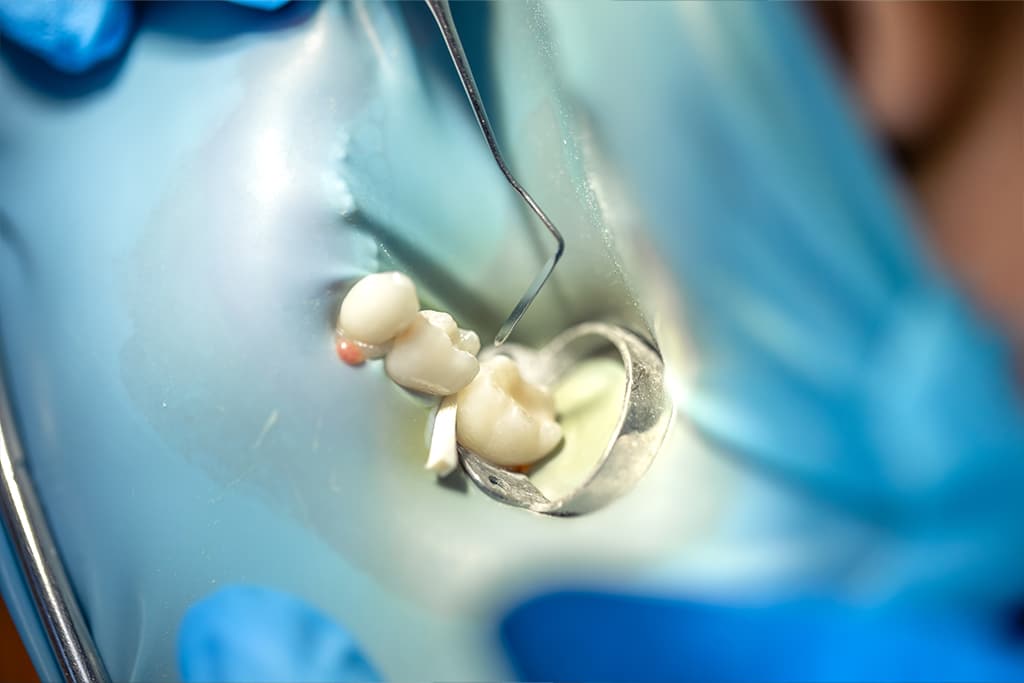
For root canal therapy to work properly, the tooth must stay clean and free of saliva. A small rubber sheet, called a rubber dam, is placed around the tooth. This isolates it from the rest of your mouth and keeps the area dry while we work.
Step 3: Creating an access point and cleaning the canals
Next, a tiny opening is made on the top of the tooth so the dentist can reach the infected tissue inside. Fine root canal instruments are then used to gently remove the dead nerve tissue, bacteria, and debris from each canal.
The canals are gradually shaped and smoothed, and the inside of the tooth is rinsed with antibacterial solutions to flush away any remaining infection. This cleaning step is repeated until the canals are thoroughly disinfected.
Step 4: Filling and sealing the root canals
Once the canals are clean and dry, they are filled with a special rubber-like material and sealed with a dental cement. This closes the space where bacteria once lived and helps prevent the infection from returning.
Sometimes this sealing is completed in the same visit. In other situations, a temporary dressing may be placed and the final filling done at a later appointment, especially if medication is needed inside the tooth to settle the infection first.
Step 5: Restoring and protecting the tooth
Because the tooth no longer has a nerve supply, it can become more fragile over time. To strengthen it and restore normal function, a final restoration is needed. Most teeth that have had root canal treatment are best protected with a dental crown, although in some cases a large filling or post-and-crown may be recommended.
Until the final crown or restoration is fitted, we advise avoiding hard or very chewy foods on that tooth to reduce the risk of fracture. Once fully restored, the tooth should feel and function much like your other teeth.
How to Care for Your Teeth after Root Canal Treatment?
- Keep Up Great Oral Hygiene
Keeping your mouth clean helps stop bacteria from getting back into the tooth or irritating the surrounding gum.- Brush at least twice a day with fluoride toothpaste or a fluoride rinse
- Floss gently once a day to clean between the teeth
- An alcohol-free antiseptic mouthwash can give added protection around the treated tooth
- Keep Up Great Oral Hygiene
- Eat to Support Healing
What you eat after treatment can influence how quickly everything settles.- Limit sugary snacks and refined carbohydrates that stick to your teeth
- If you do enjoy sweet or sticky foods, rinse your mouth or brush soon afterwards
- Choose more vegetables, fruit and fibre-rich foods to support overall oral and general health
Try to avoid biting hard foods on the treated tooth until your permanent crown or final filling is in place.
- Eat to Support Healing
- Stay Consistent with Check Ups and Cleans
Routine visits help us spot small issues before they become painful problems.- Aim for a full dental check-up and professional cleaning at least once a year
- Many patients benefit from a visit every six months, especially after major treatment such as a root canal
These appointments allow us to monitor your restored tooth and the health of the surrounding gums and bone.
- Stay Consistent with Check Ups and Cleans
- Avoid Habits That Slow Healing
Smoking is strongly linked with infections and complications after root canal therapy.- Smokers are significantly more likely to need root canal treatment than non-smokers
- Continuing to smoke increases the chance of further problems with teeth and gums
Quitting or reducing smoking is one of the best things you can do for your long-term oral health.
- Avoid Habits That Slow Healing
Root Canal Care at Dental Nook