

During this waiting period, patients who choose a conventional denture alone will not have teeth in that area. To help maintain appearance and confidence while the gums heal, an immediate denture can be used as a temporary solution before the final denture is fitted.
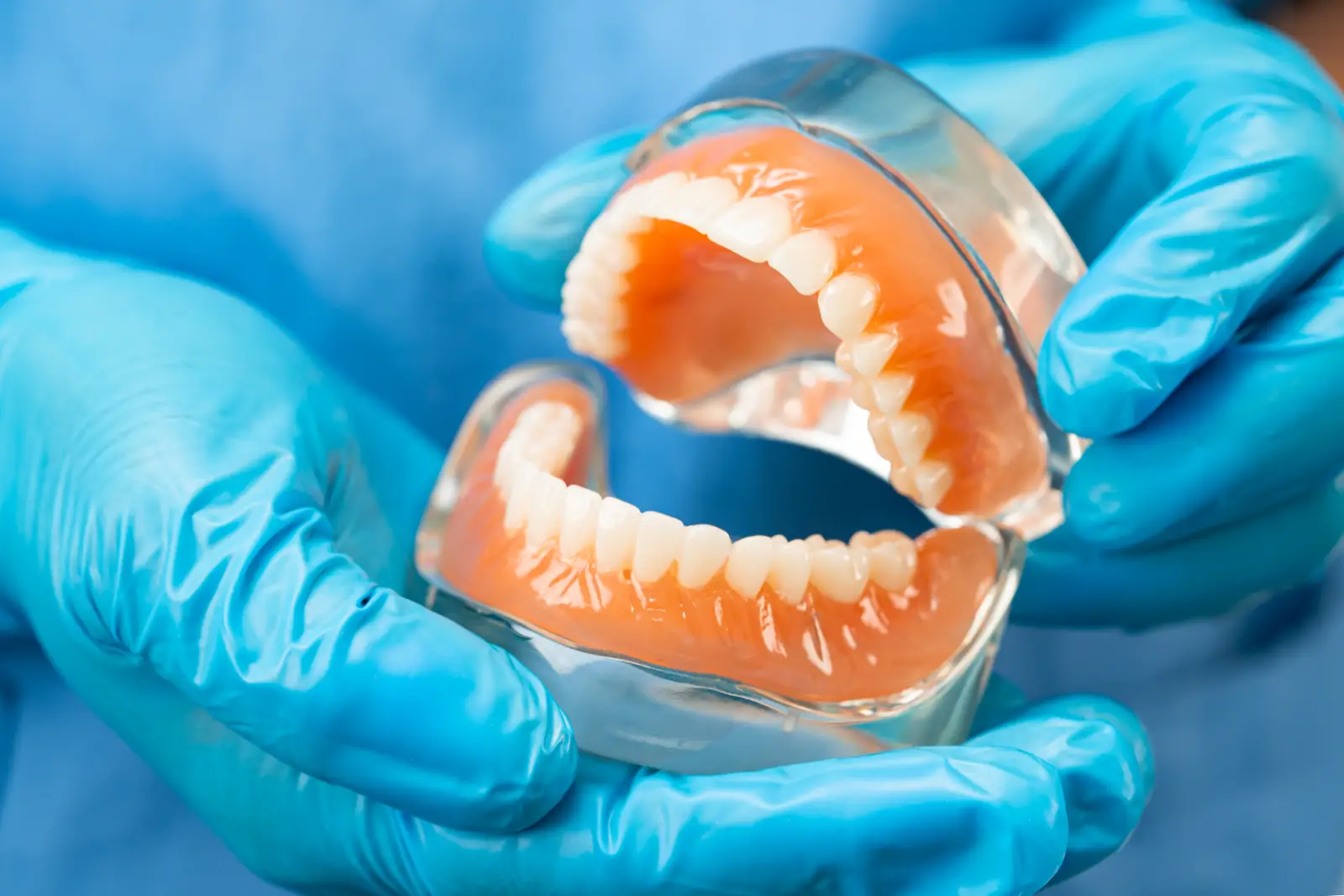
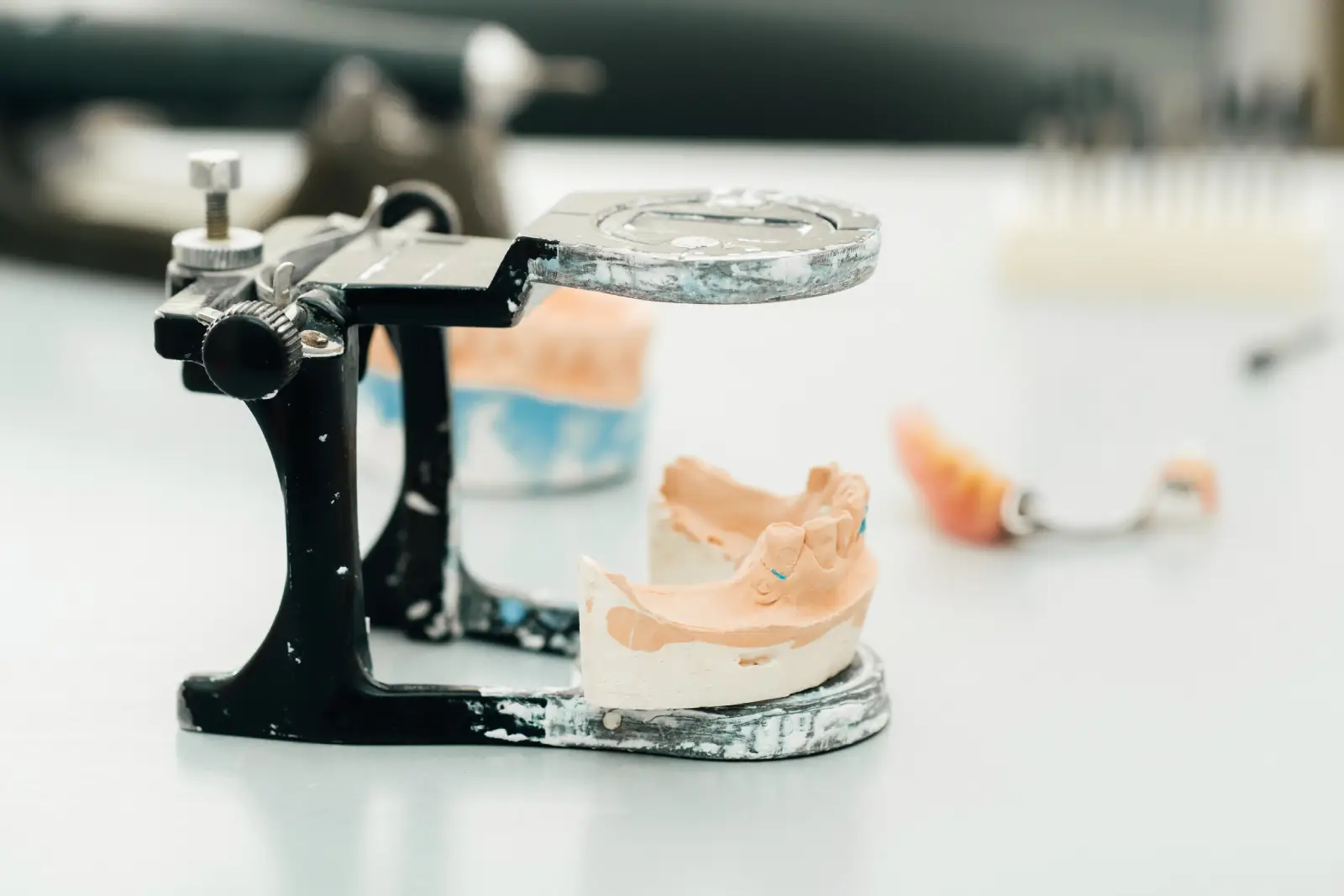
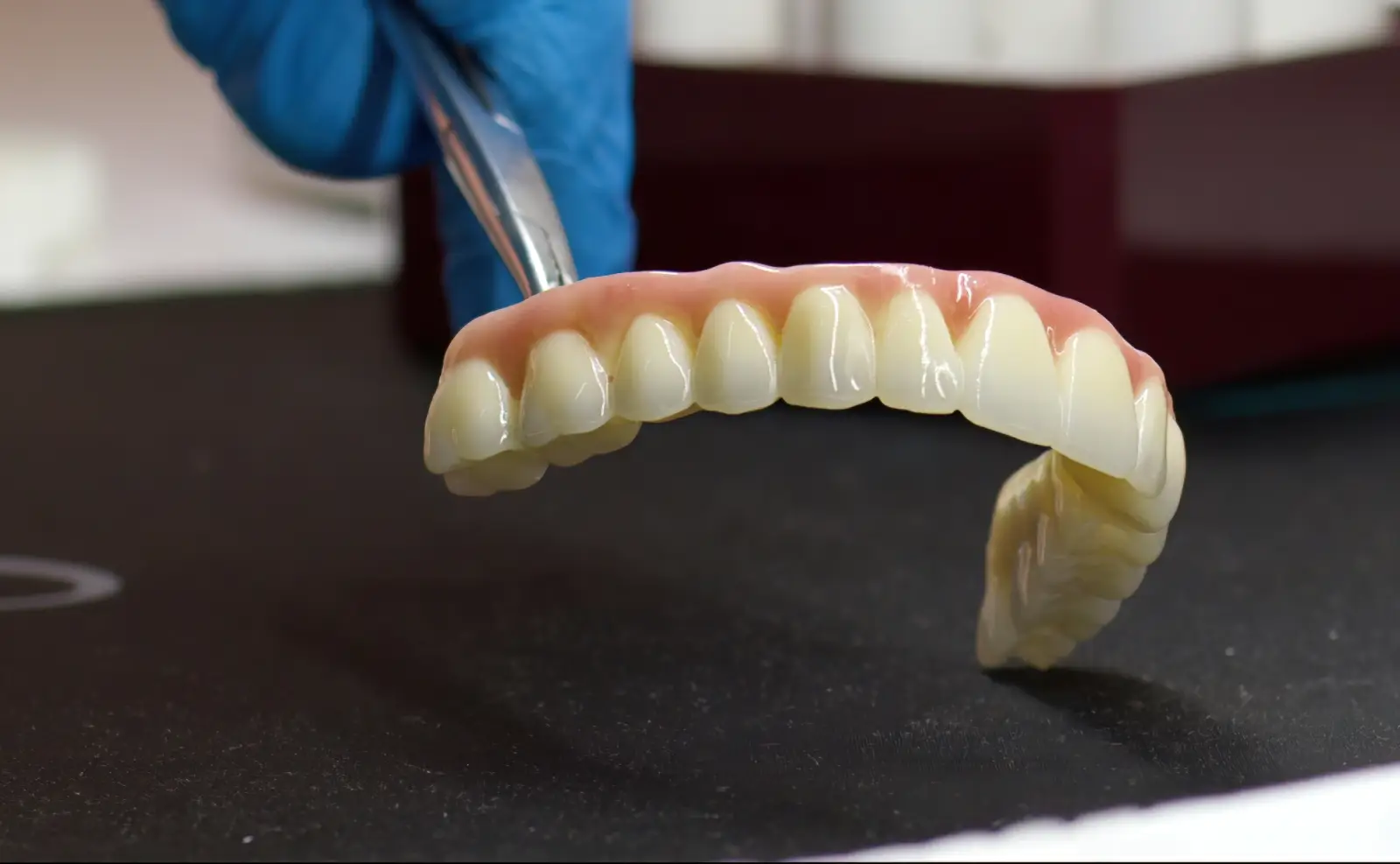
Interim immediate dentures (IID) are placed in the mouth straight after tooth removal. As the name suggests, they are intended for short-term use while the extraction sites heal. They are worn only during the healing period and later replaced with a longer-term denture. Because they bridge the gap between extractions and the final denture, they are sometimes called transitional immediate dentures.
Conventional immediate dentures (CID) are used when front teeth remain, or when a patient chooses to have the back teeth removed first while keeping the front teeth for as long as possible.
Conventional immediate dentures are sometimes referred to as classic immediate dentures and are an excellent option for patients who wish to maintain their smile throughout the treatment process.
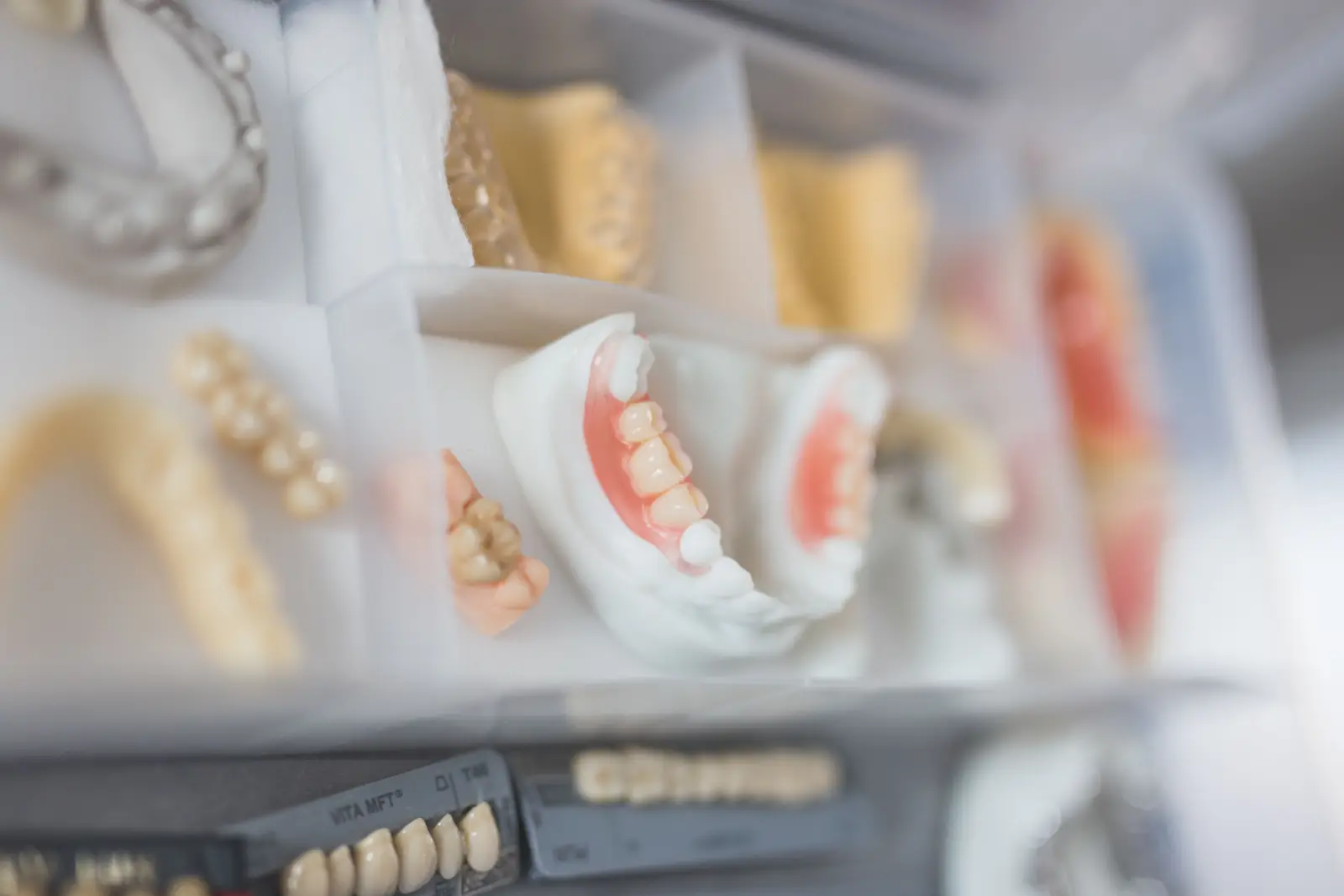
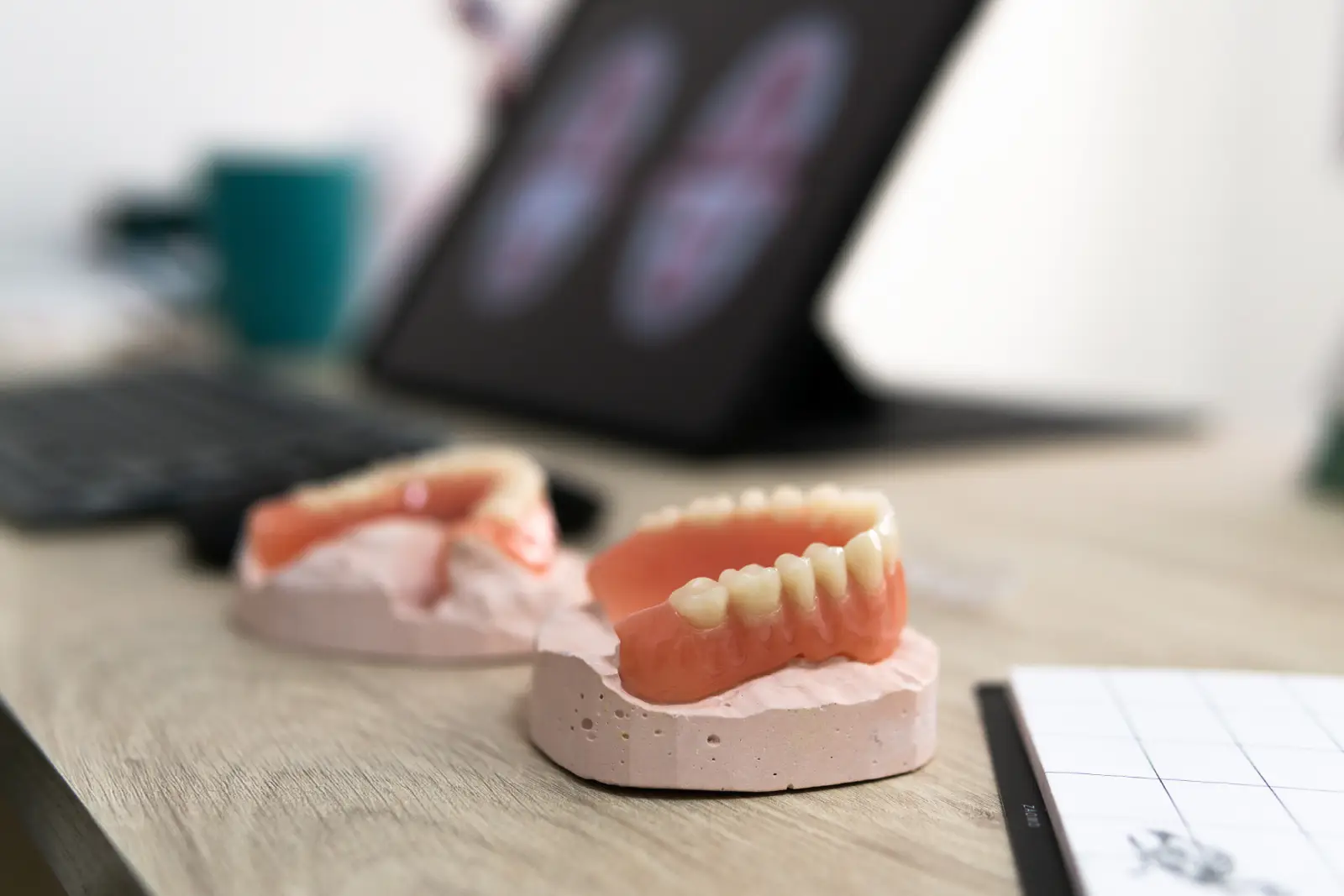
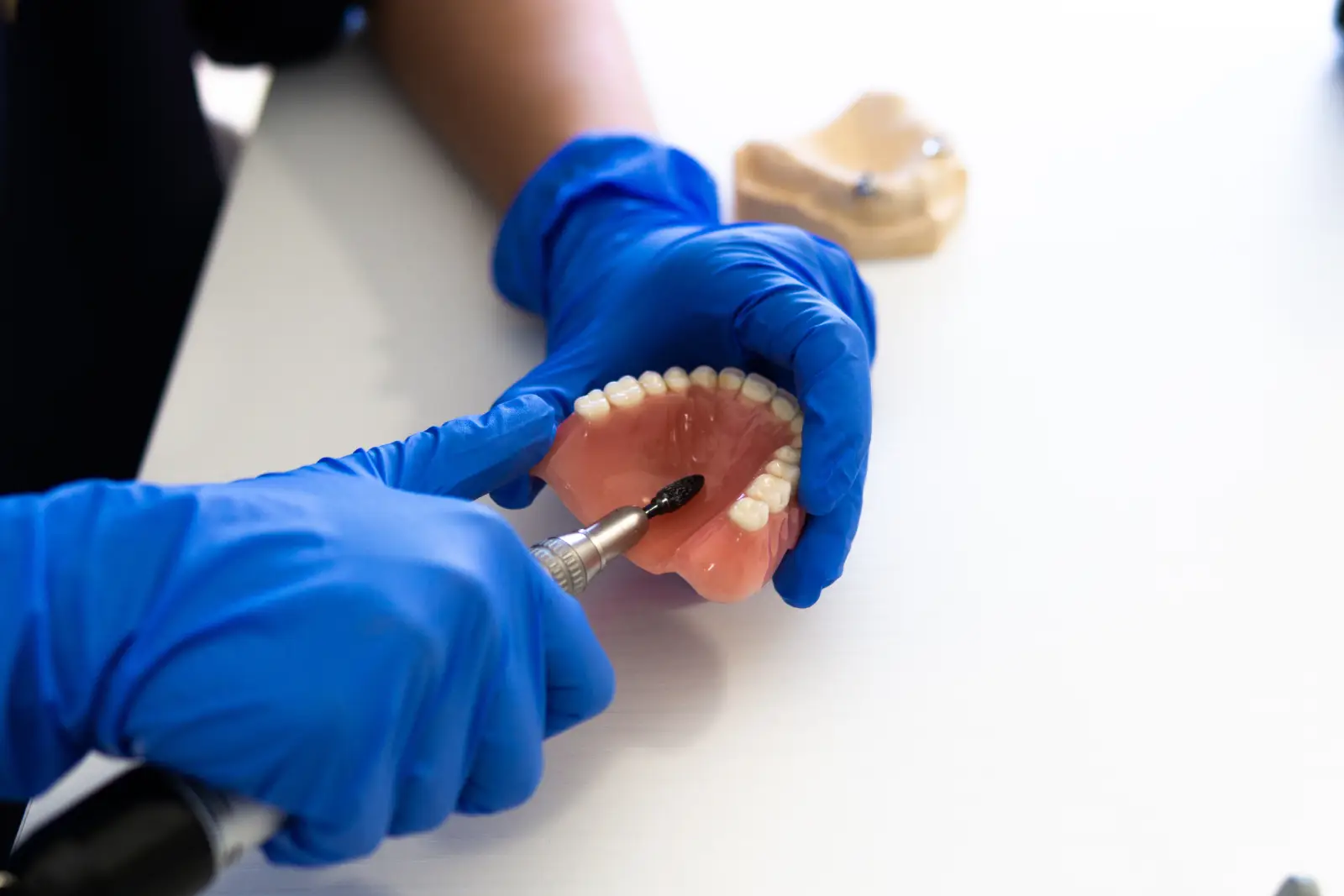
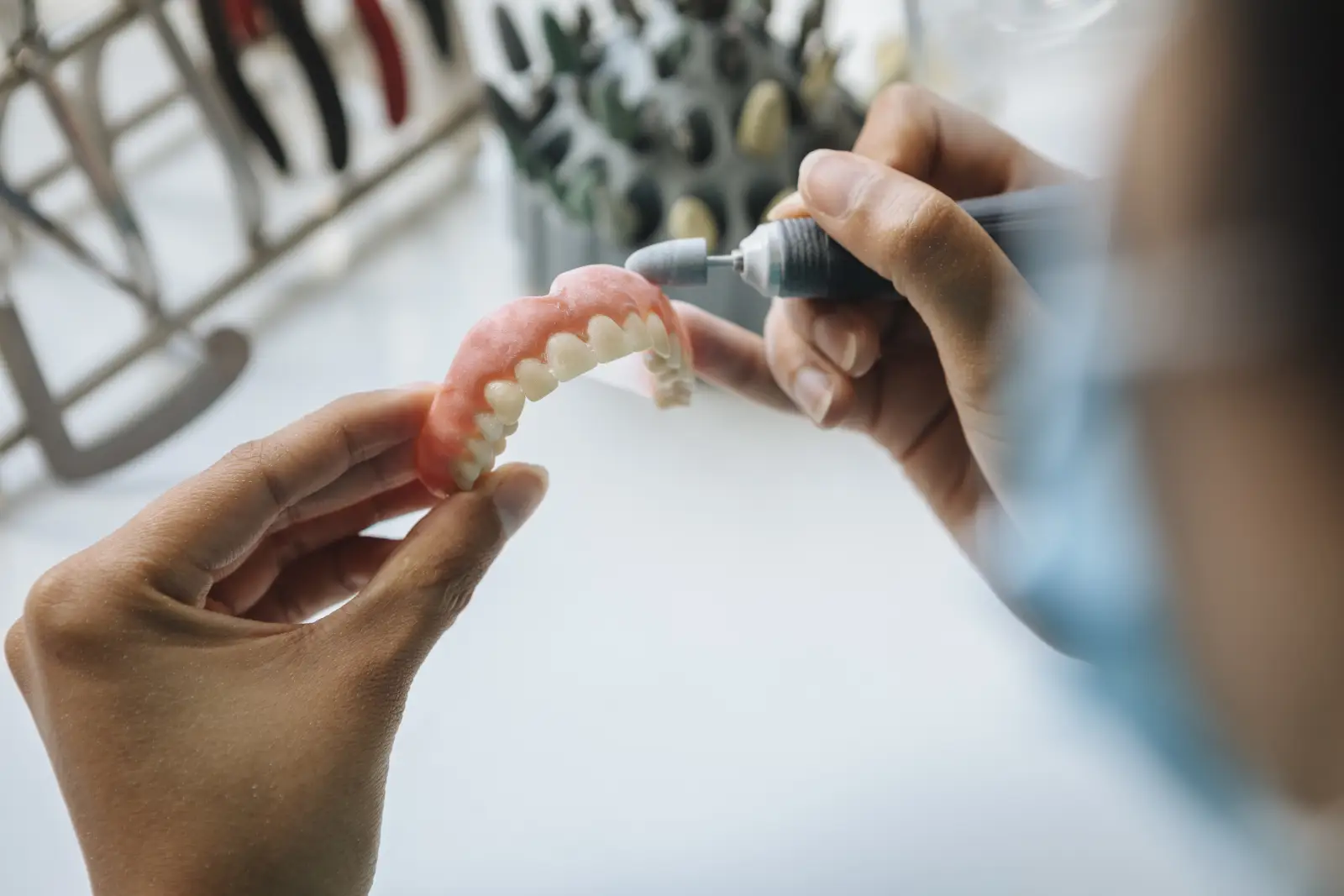


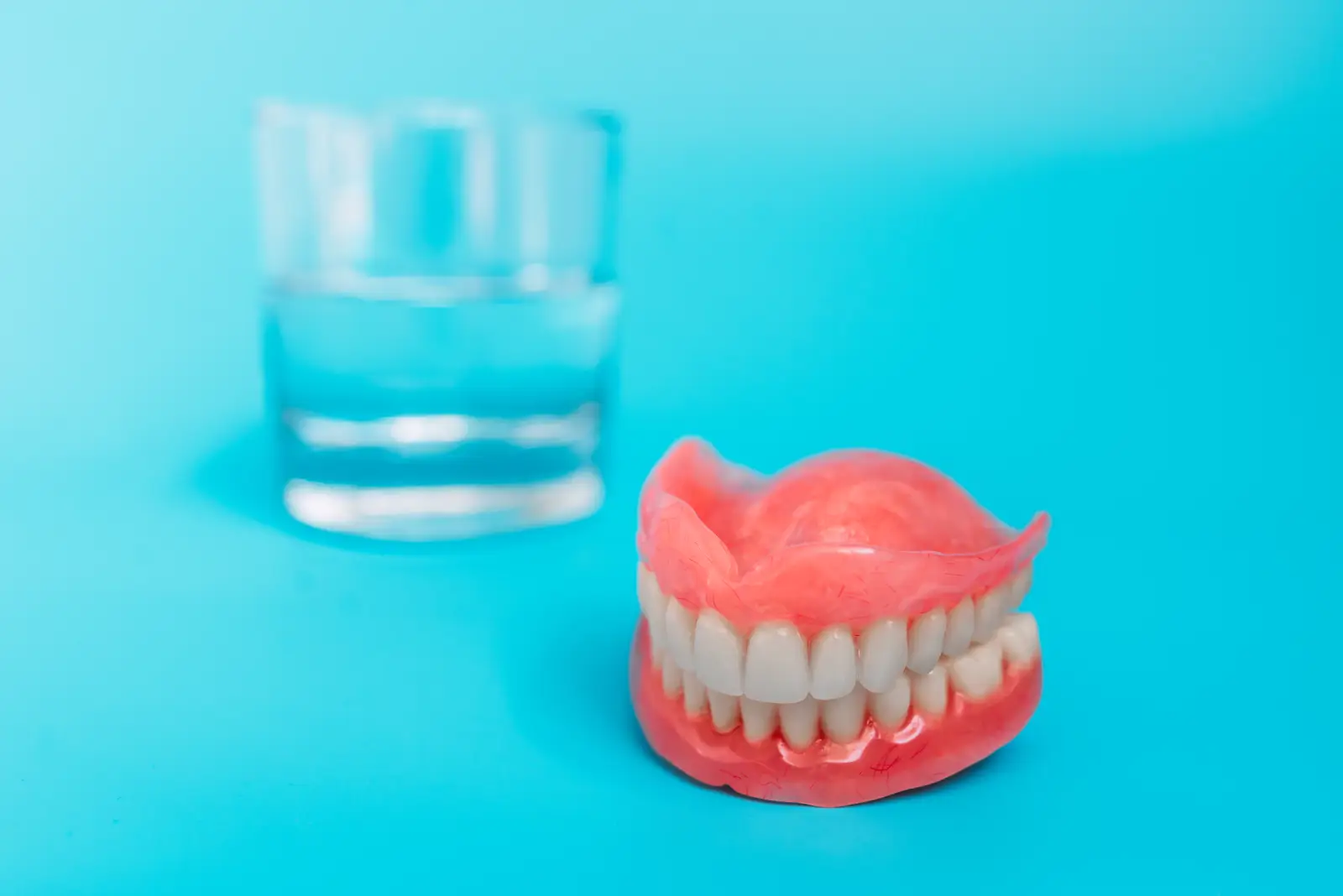
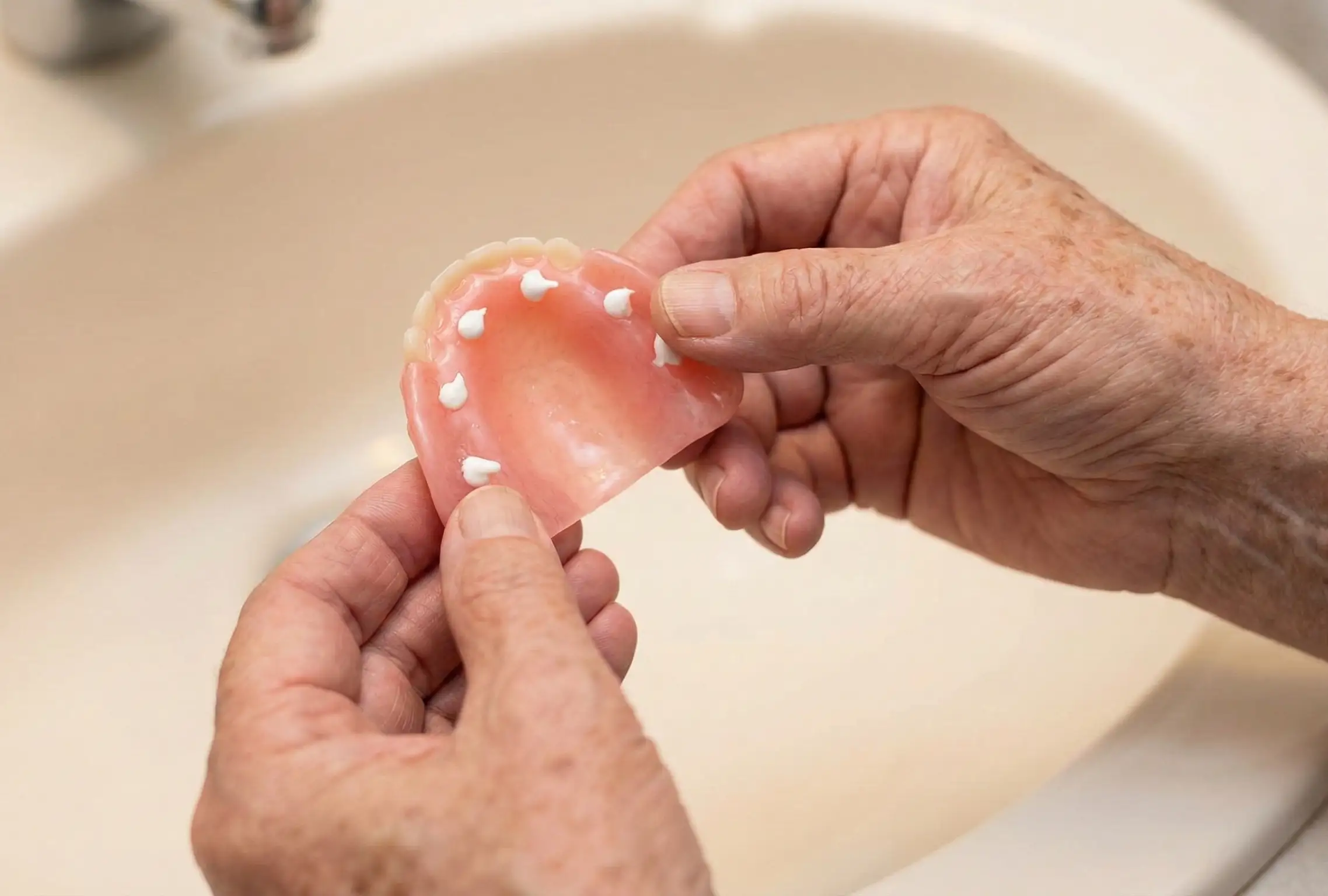


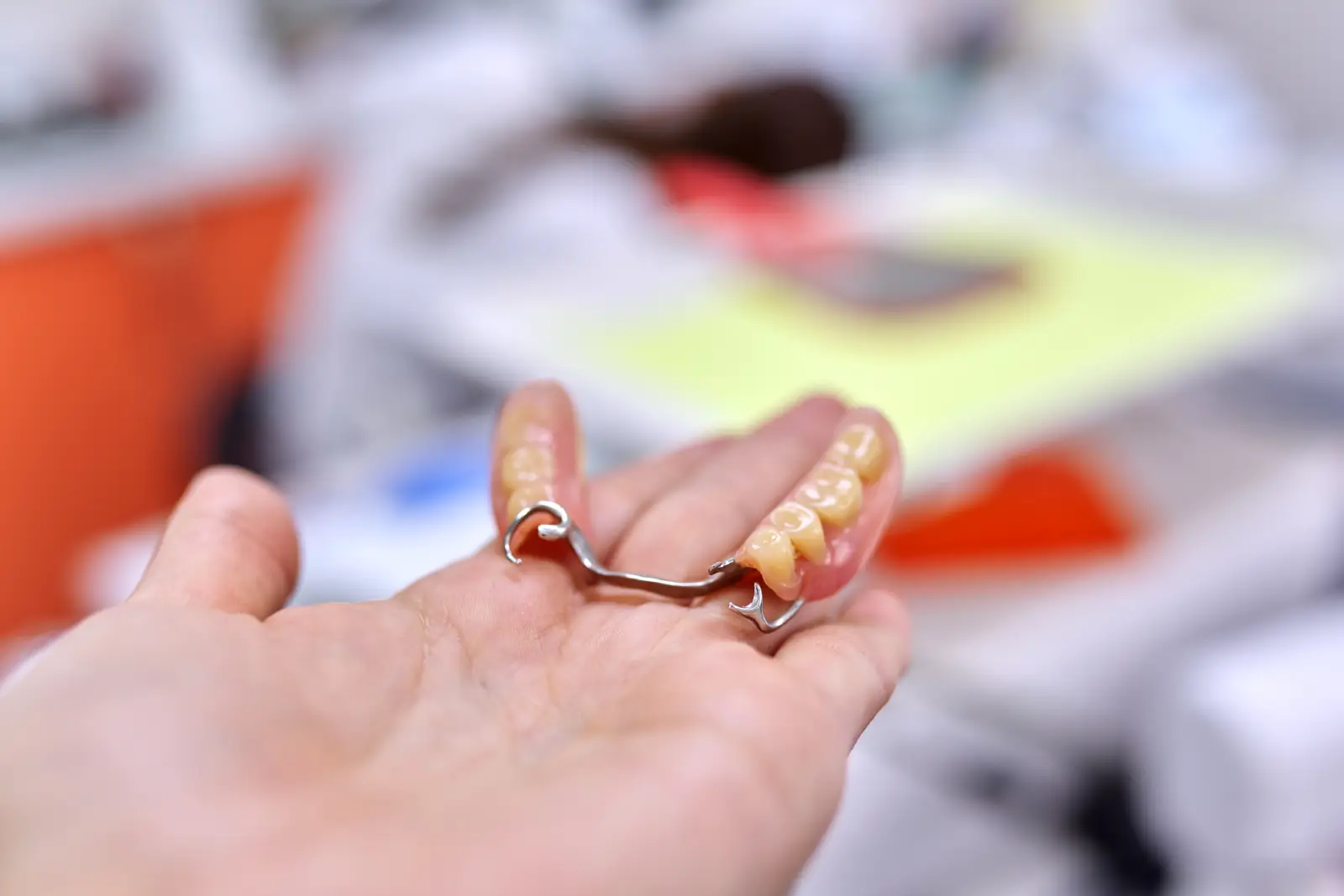
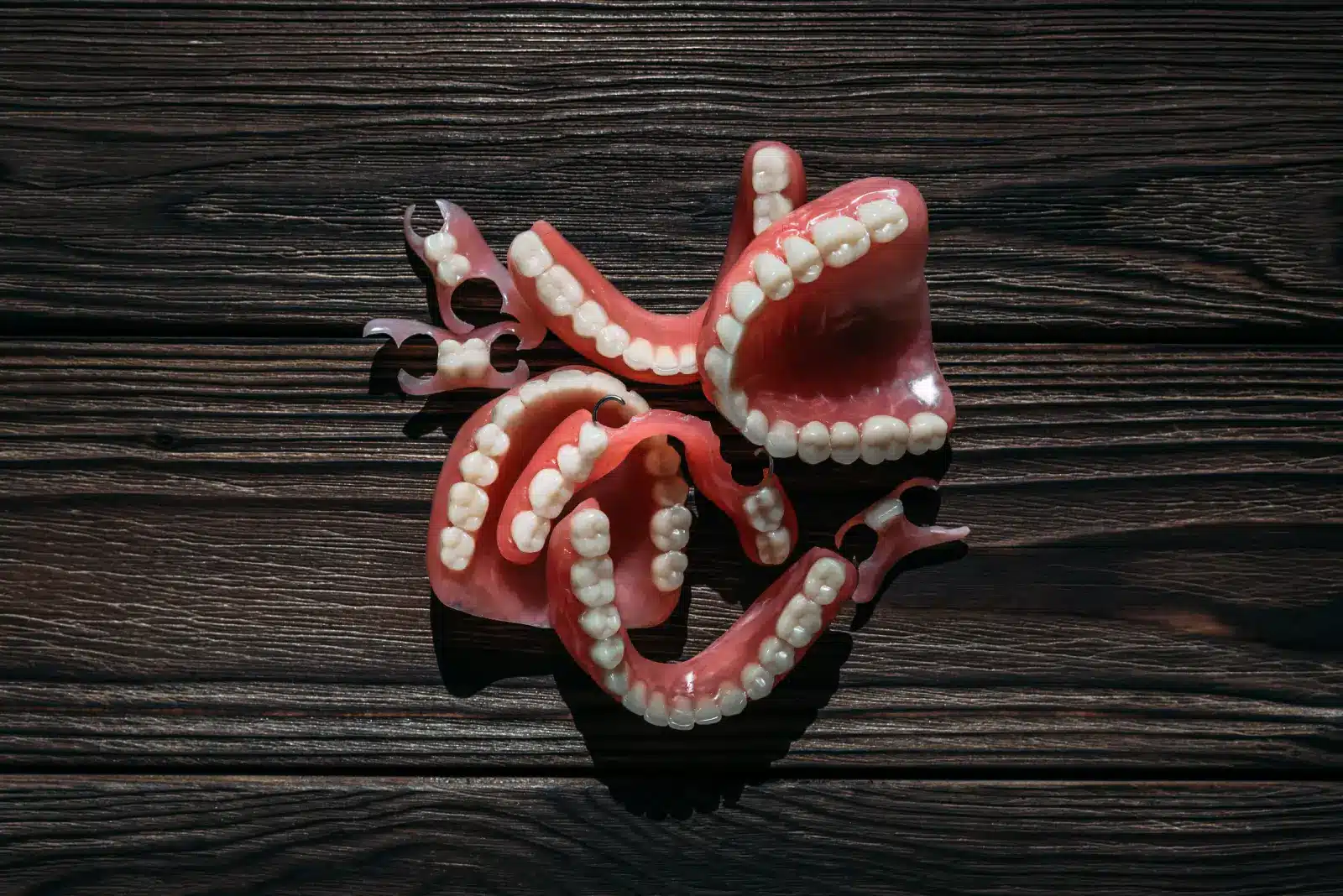
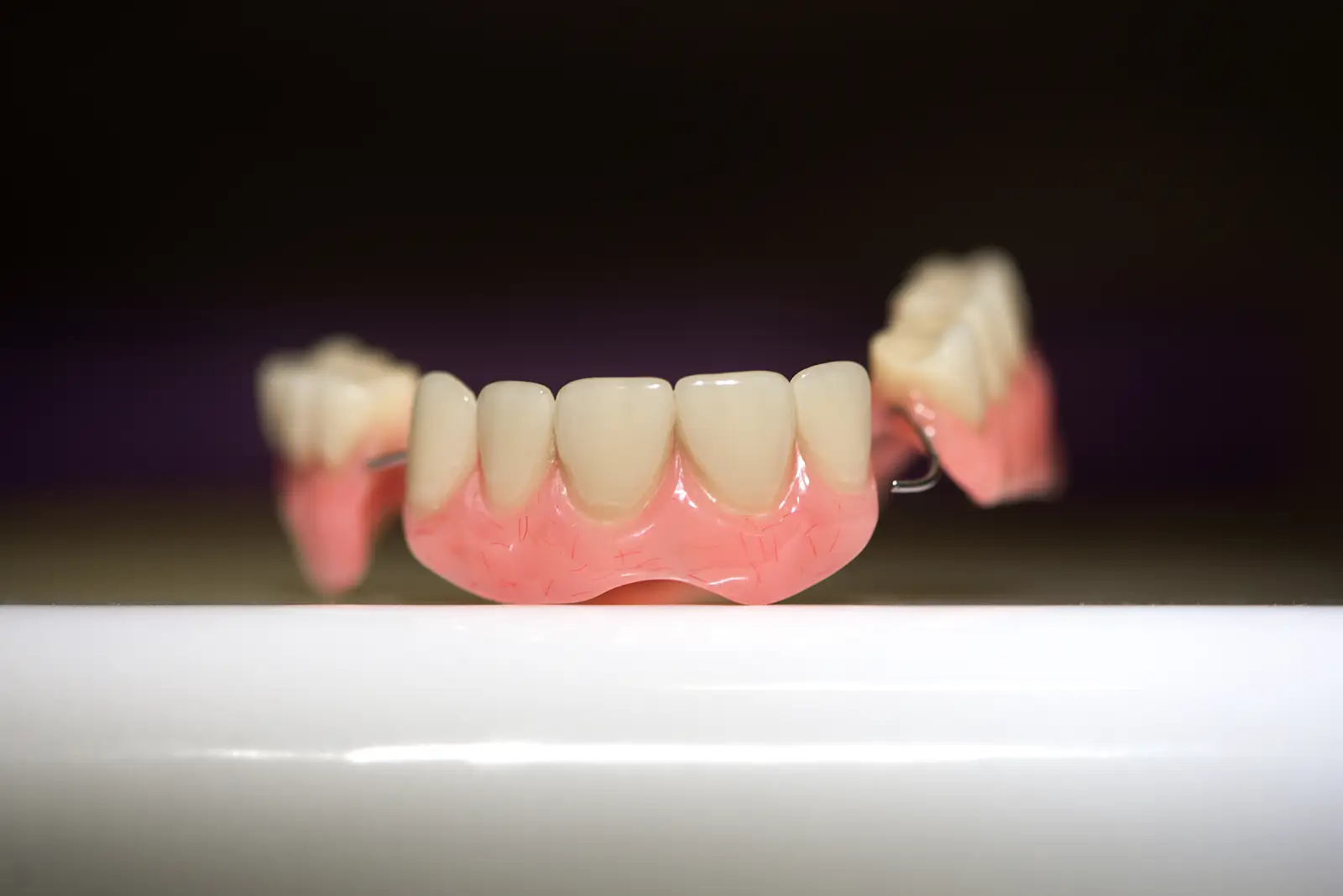
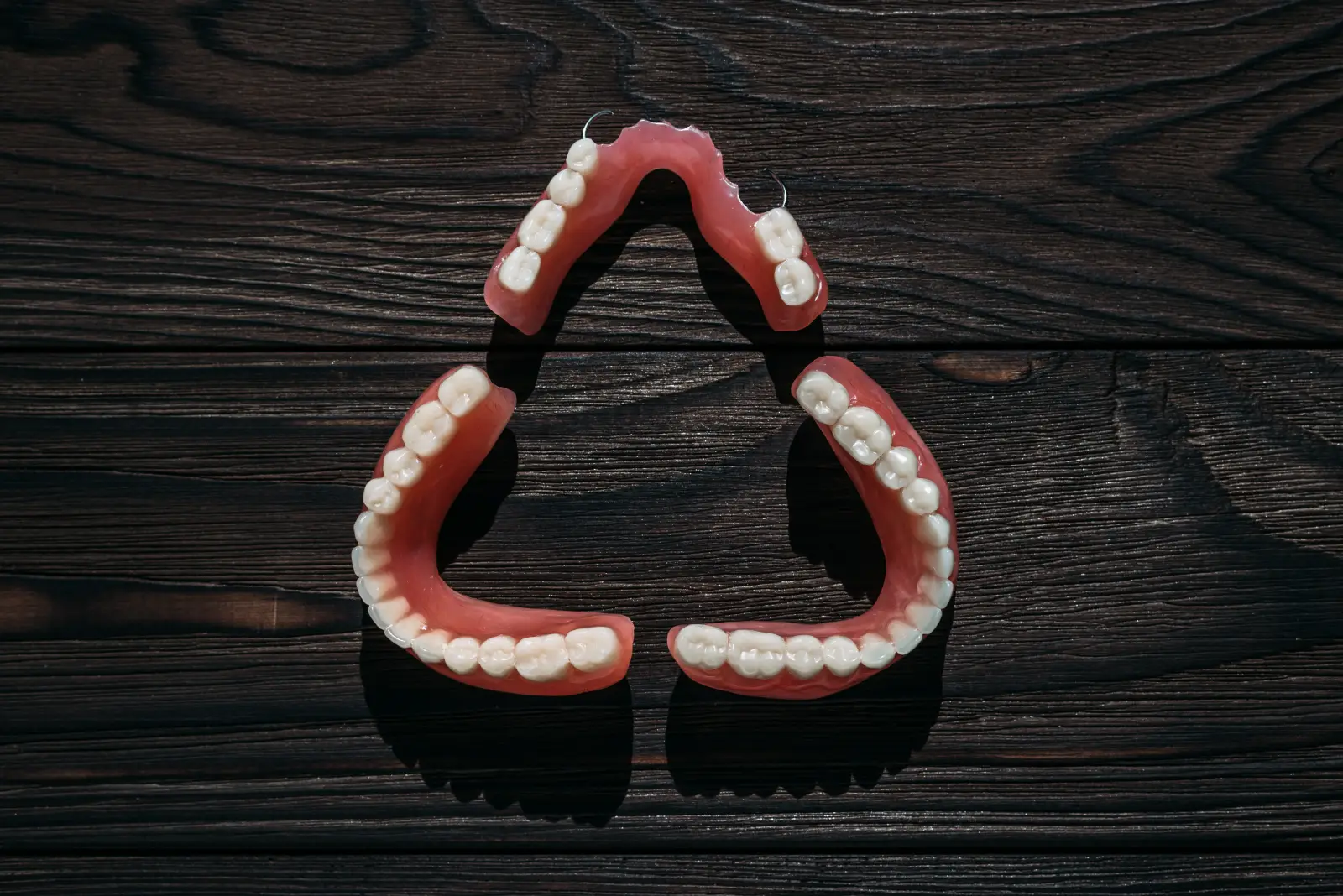
Full dentures are used when all teeth in the upper or lower jaw are missing. Partial dentures are used when some natural teeth remain and help fill the gaps while being supported by the remaining teeth.
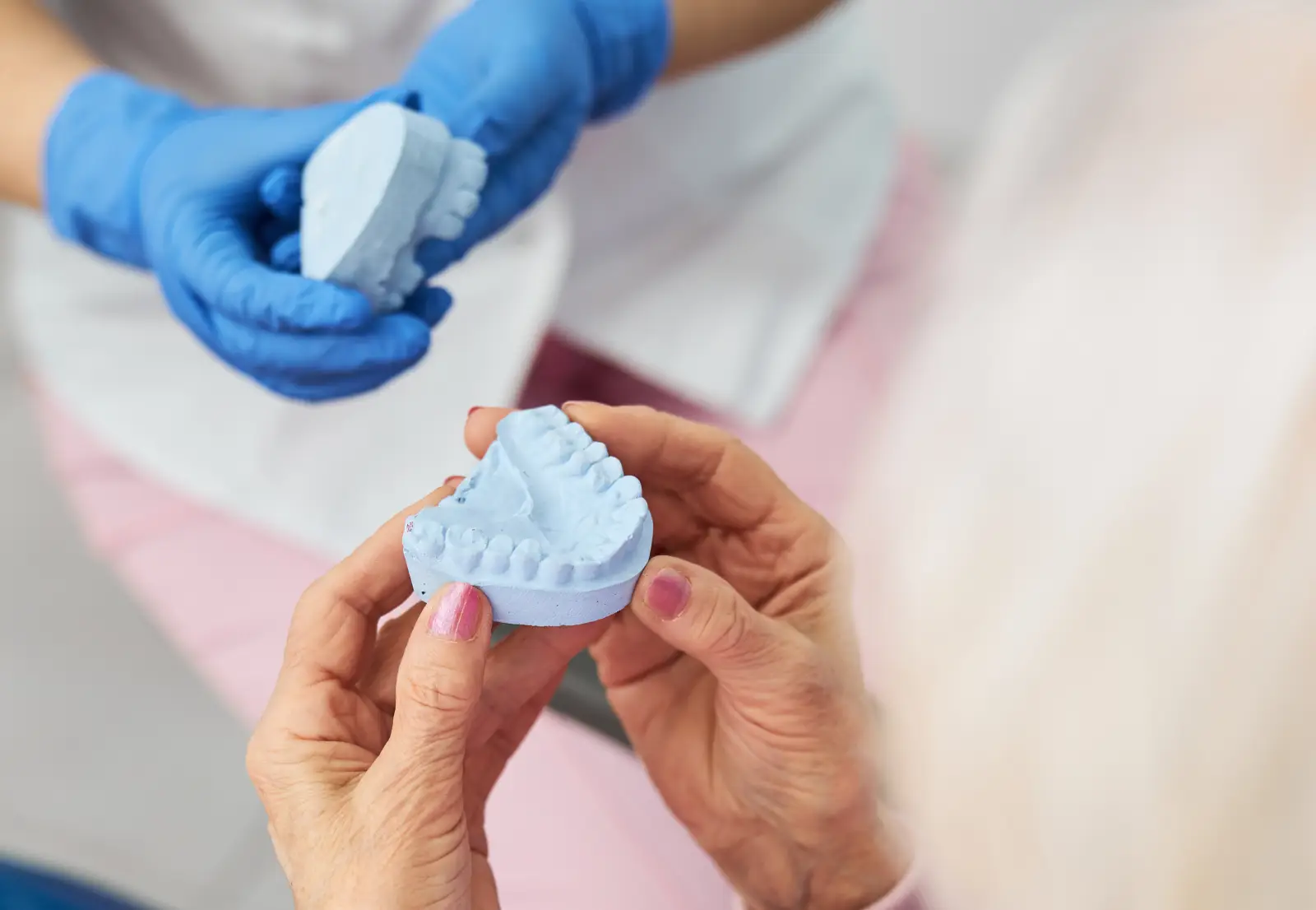
The process usually involves several appointments over a few weeks. This includes impressions, bite measurements, trial fittings, and final placement. Immediate dentures may be available in some situations.
New dentures may feel unusual at first and may cause minor soreness while your mouth adjusts. Most patients adapt over time, and adjustments can be made to improve comfort and fit.
Dentures may last several years, but they may need adjustments, relining, or replacement over time due to changes in your gums and jawbone.
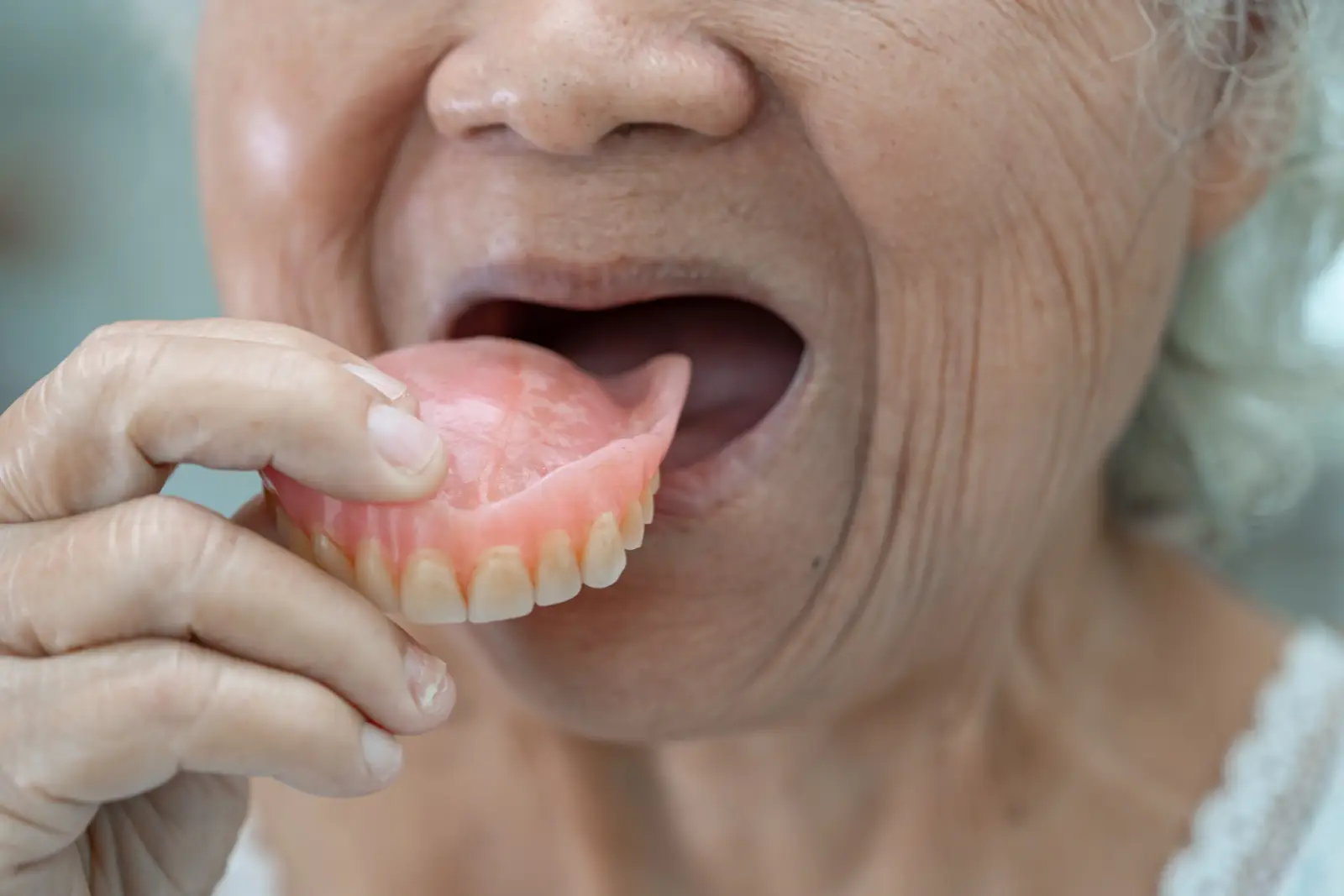
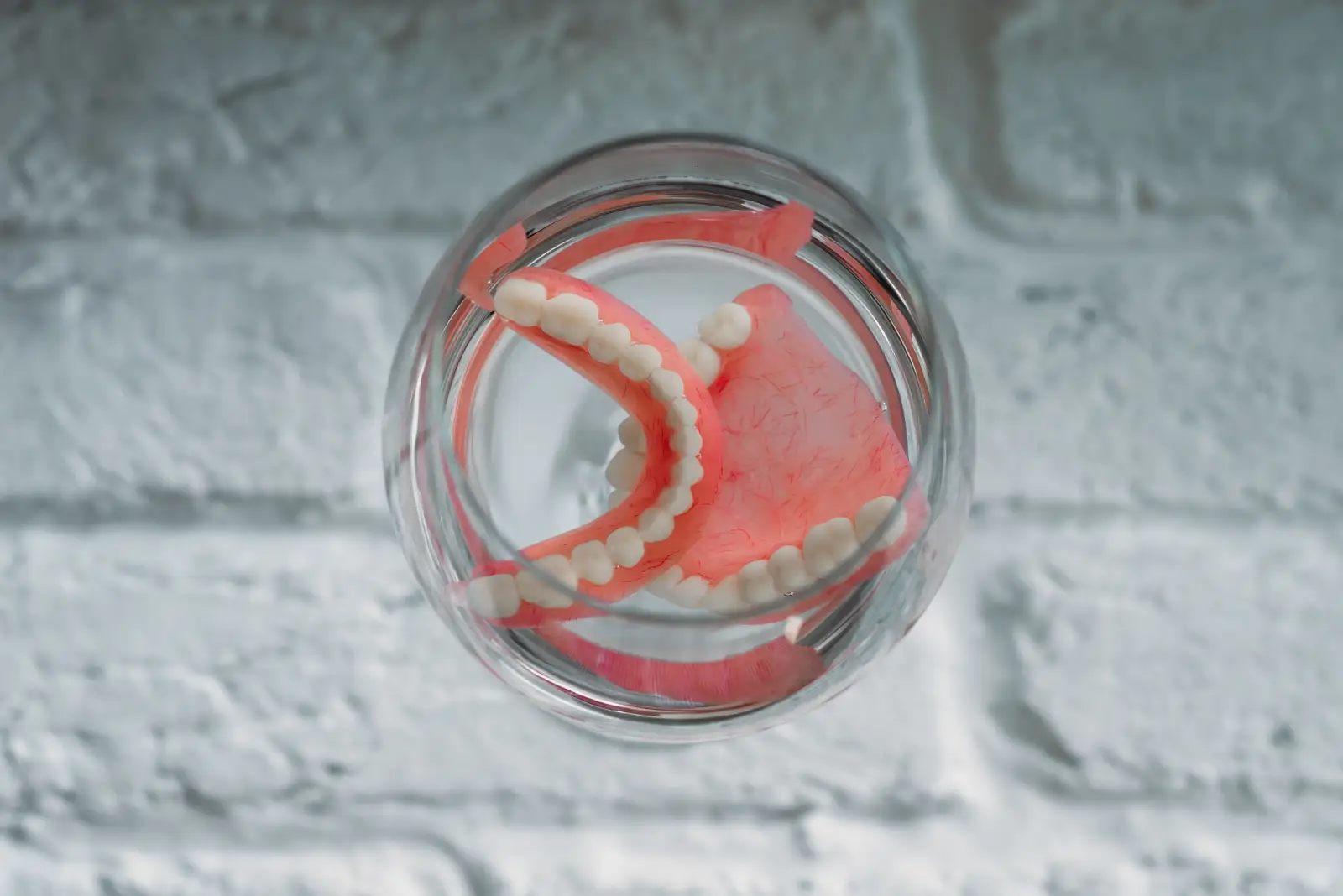
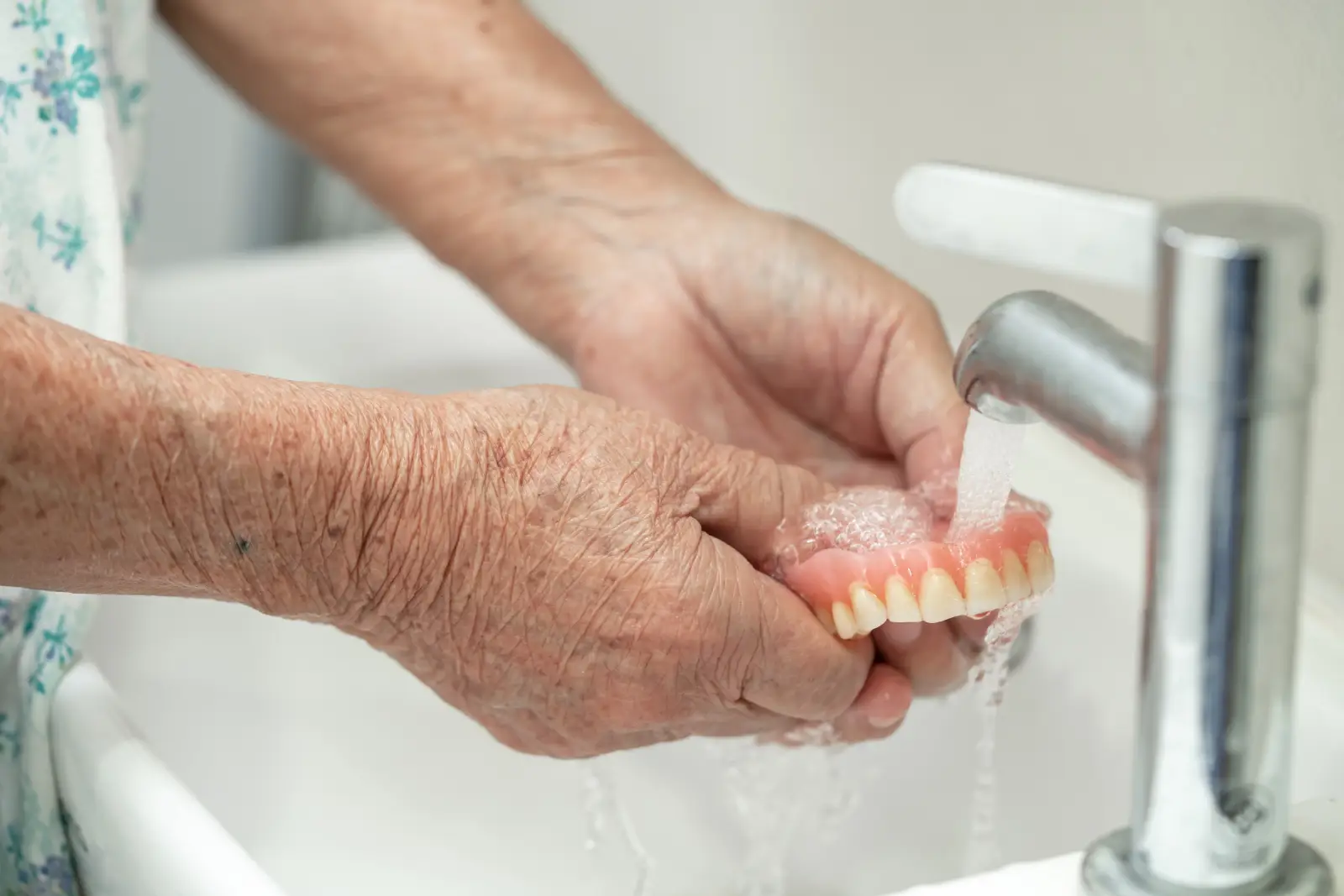
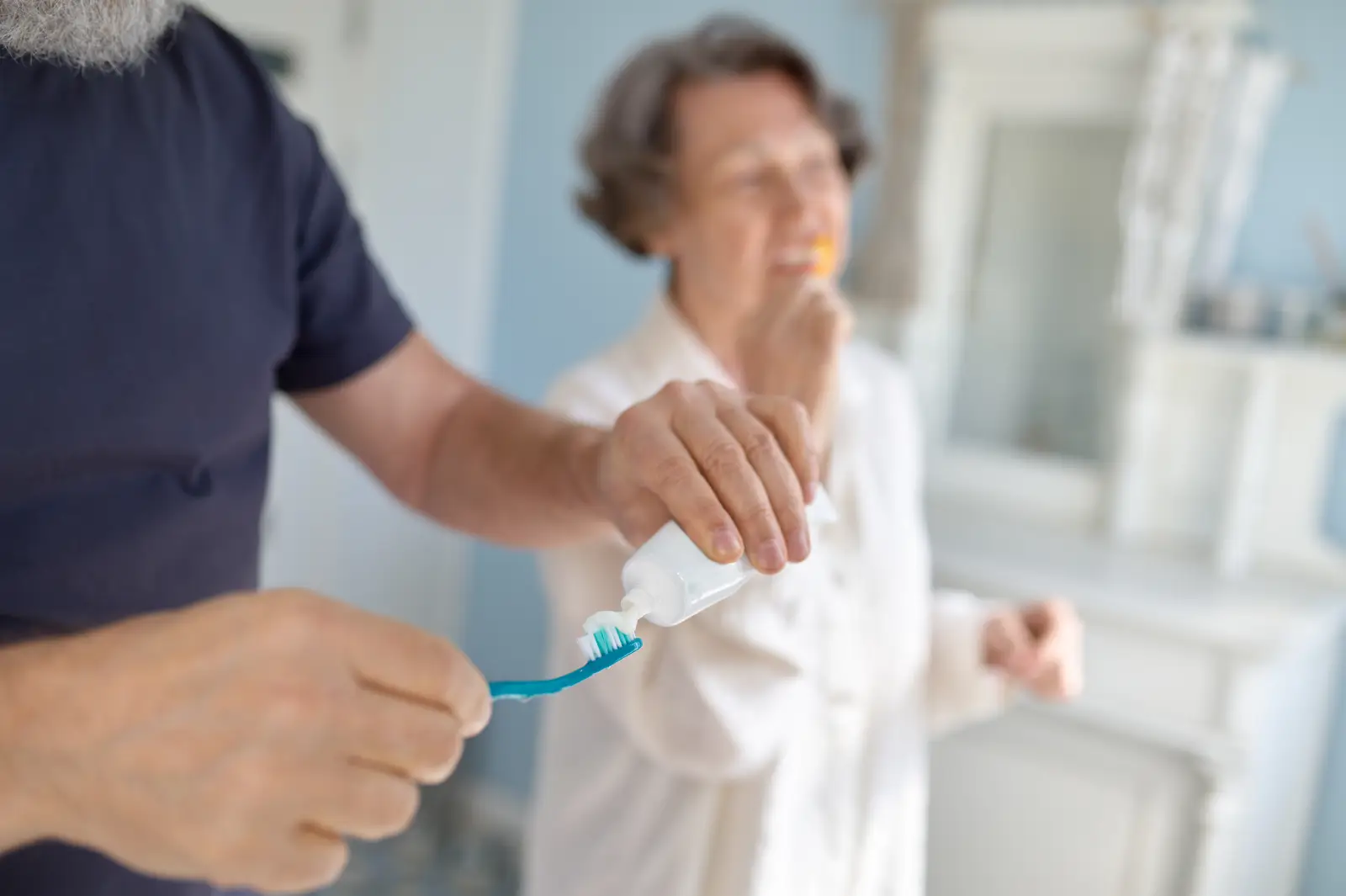
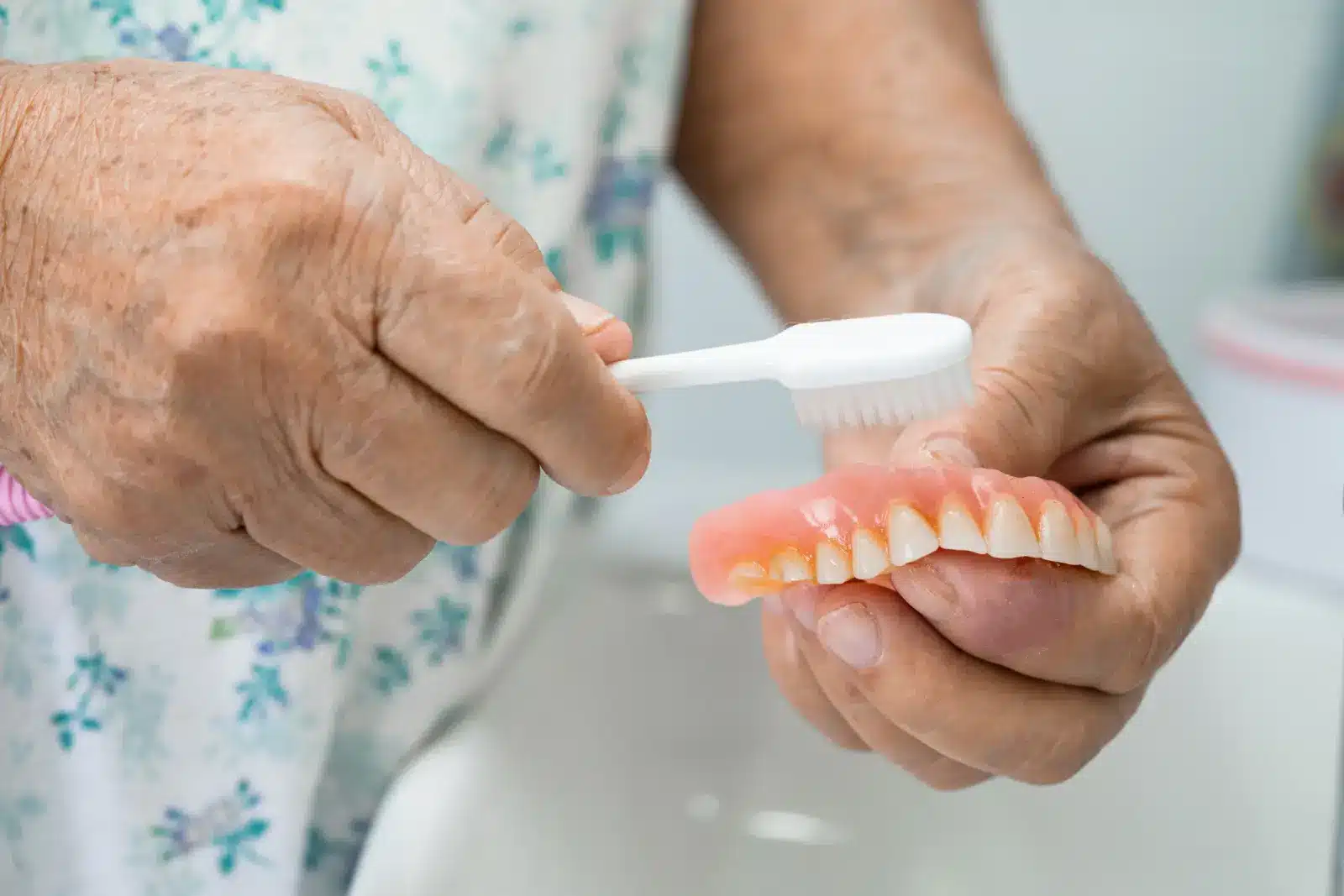
Dentures should be cleaned daily using a denture brush and denture cleaner. They should be removed at night and stored in water or denture solution to help maintain their shape.
Yes, Dental Nook provides denture consultations and treatment for patients in Carindale and nearby Brisbane suburbs including Camp Hill, Belmont, Mansfield, Carina, Tingalpa, and surrounding areas.
Please note that this is not an actual appointment, but only a request for one. We Will Contact you for a confirmation shortly after. Thank you!
denture reline service brisbane, new dentures, immediate dentures brisbane, denture brisbane, partial dentures brisbane, dentures carindale, dental dentures, denture consultation, teeth dentures, instant dentures
Modern dentures offer numerous benefits, including improved comfort, aesthetics, and functionality. They are designed using advanced materials and technology, ensuring a natural appearance that closely resembles real teeth, allowing patients to smile confidently.
Additionally, modern dentures can enhance oral health by providing better support for facial structures, which helps prevent the sunken look that can occur with missing teeth. Patients often experience improved speech and chewing ability, significantly enhancing their overall quality of life.
Choosing the right type of denture is crucial for achieving optimal comfort and functionality. This guide outlines the differences between complete and partial dentures, as well as the various materials used in their construction, helping patients make informed decisions about their dental care.
Complete dentures are ideal for those who have lost all their teeth, while partial dentures are suitable for individuals who still have some natural teeth. Understanding these options allows patients to discuss their specific needs with their dentist, ensuring a tailored approach to their dental restoration.
Adjusting to life with dentures can be a significant change for many patients. It may take time to get used to the feel of dentures in the mouth, and some people may initially experience discomfort or difficulty with eating and speaking.
To ease this transition, patients are encouraged to start with soft foods and gradually introduce harder items as they become more comfortable. Regular follow-ups with the dentist can also help address any concerns and ensure that the dentures fit properly, enhancing the overall experience.
Regular check-ups are essential for maintaining the health and functionality of dentures. Over time, the shape of the mouth changes, which can affect the fit of dentures, leading to discomfort and other issues.
During these check-ups, dentists can make necessary adjustments, provide cleaning guidance, and assess the overall condition of the dentures, ensuring they continue to serve their purpose effectively. Staying proactive with dental visits can prevent potential complications and prolong the lifespan of dentures.