
Dental Check-Ups and Professional Teeth Cleaning in Brisbane
Dental Check-Ups and Professional Teeth Cleaning in Brisbane
Regular dental examinations are one of the simplest ways to protect your teeth, gums and overall oral health. Whether you are due for your routine dental check-up, need a professional clean, or are arranging your child’s first dental visit, regular preventive care can help identify problems before they become painful or complicated.
At Dental Nook, dental examinations are focused on identifying potential concerns early, maintaining healthy teeth and gums, and helping patients understand what they can do between appointments to look after their smiles.
Dental check-ups may also include screening the soft tissues of the mouth for unusual changes. Regular oral examinations are particularly important because some conditions can develop without causing obvious symptoms in their early stages.
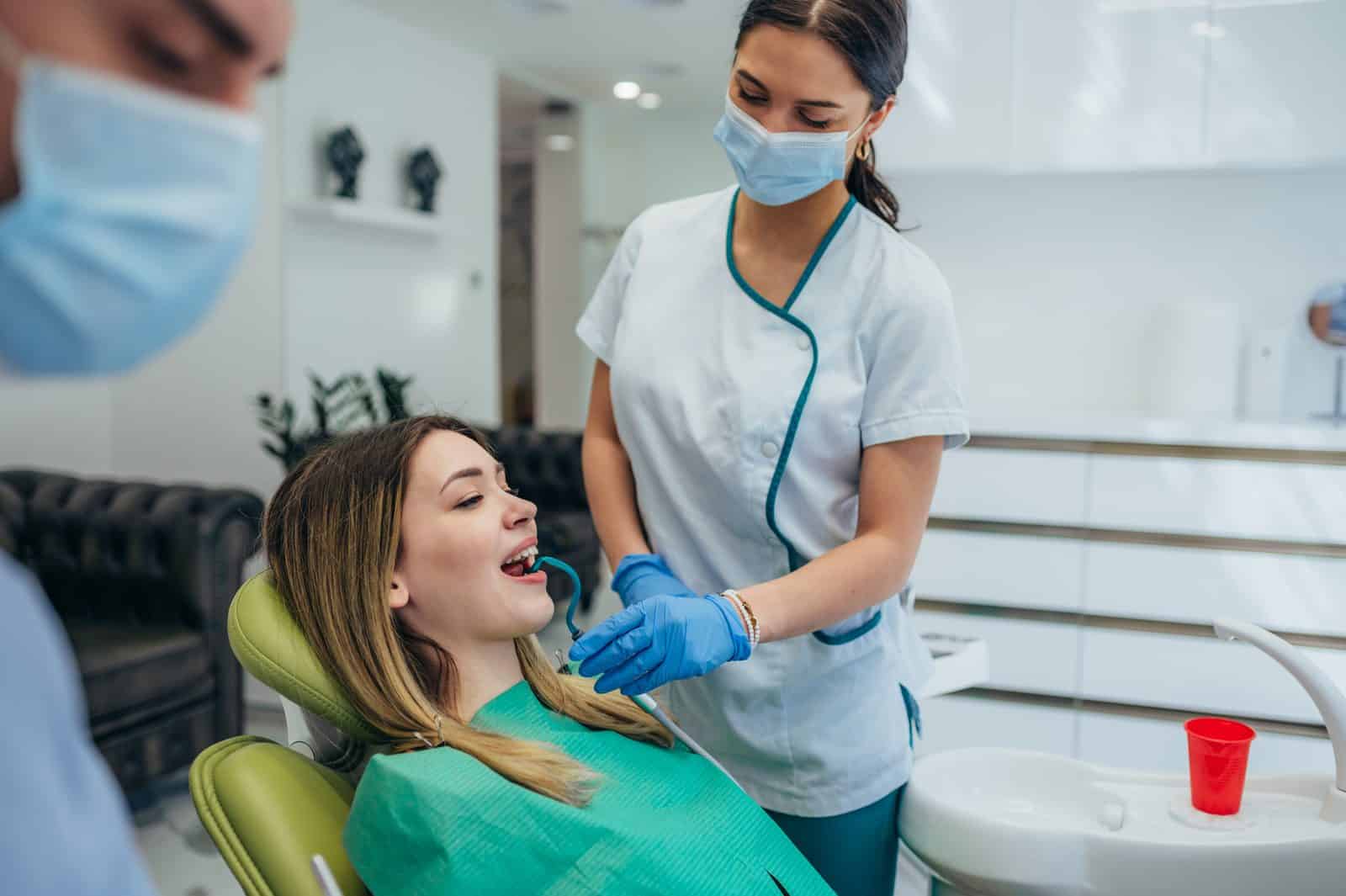
When Should a Child Have Their First Dental Check-Up?
Introducing children to dental care early can help establish healthy habits and make visiting the dentist feel like a normal part of life.
A child’s first dental visit is generally recommended when their first tooth appears or by around their first birthday.
Early appointments allow the dental team to monitor how the teeth and jaws are developing, identify potential concerns and provide parents with practical advice about brushing, fluoride, diet, teething and preventing tooth decay.
Starting early can also help children become familiar with the dental environment before they ever need significant treatment.
How Often Should a Child Have a Dental Check-Up?
There is no single schedule that is appropriate for every child.
Many children benefit from regular dental examinations approximately every six months. However, the recommended interval can vary depending on the child’s oral health, age, tooth development, diet, brushing habits and individual risk of tooth decay or gum problems.
Children who are more susceptible to dental problems may need to be examined more frequently.
Dental Exam and Clean in Brisbane
A dental check-up is an important part of preventive oral healthcare. A typical check-up and clean generally involves two main components: a comprehensive examination of your mouth and professional cleaning of your teeth.
In some cases, removing plaque and tartar first may help the dental team examine tooth and gum surfaces more clearly.
During your dental examination, your teeth, gums, bite and surrounding oral tissues are assessed for signs of problems such as:
- Tooth decay
- Gum disease
- Damaged or failing restorations
- Tooth wear
- Cracks or fractures
- Bite problems
- Changes to the soft tissues of the mouth
Professional cleaning can then remove plaque, tartar and deposits that cannot always be effectively removed through normal brushing and flossing.
Your examination may also include an assessment of your face, jaw, neck and oral tissues where clinically appropriate.
Dental X-rays may be recommended when additional information is required to properly assess areas that cannot be seen during a visual examination.
Why Regular Dental Check-Ups and Cleans Matter
Waiting until a tooth hurts before visiting the dentist can turn a relatively manageable problem into something much more complicated.
Regular dental examinations allow potential problems to be identified at an earlier stage.
Even people who brush and floss carefully can develop tartar in areas that are difficult to clean at home. Professional dental cleaning helps remove these deposits and provides an opportunity to assess the health of the gums.
Routine dental care is not only about finding cavities.
Changes in your mouth can sometimes provide clues about broader health concerns. Certain systemic conditions can affect the teeth, gums, tongue or other oral tissues, which is another reason regular examinations are valuable.
Being proactive with dental care can help reduce the likelihood of preventable pain, infection and more extensive treatment later.
Types of Dental Examinations
The type of examination recommended will depend on whether you are a new or existing patient and the reason for your appointment.
Comprehensive Dental Examination
A comprehensive examination provides a detailed assessment of your current oral health.
It is commonly recommended for new patients, people returning after a significant period without dental care, or existing patients whose medical or dental circumstances have changed considerably.
The examination may include:
- Assessment of the teeth and gums
- Checking for tooth decay
- Examination of existing fillings
- Assessment of crowns and dental veneers
- Gum disease screening
- Bite assessment
- Jaw and TMJ evaluation where appropriate
- Oral soft-tissue examination
- Review of your dental history
- Review of relevant medical history
- Dental X-rays where clinically indicated
- Discussion of your brushing and oral hygiene habits
After the examination, a personalised treatment plan can be prepared if treatment is required.
Periodic Dental Examination
A periodic examination is a routine review for existing patients.
It allows the dental team to identify changes that may have occurred since your previous appointment.
Your teeth and gums are examined, previous areas of concern can be reassessed and existing restorations may be checked.
X-rays may also be reviewed or recommended when clinically appropriate.
Limited Dental Examination
A limited examination focuses primarily on a specific dental problem.
For example, you may require a limited examination if you develop:
- Sudden toothache
- Facial swelling
- A broken tooth
- Dental trauma
- A lost filling or crown
- Another urgent dental concern
The aim is to assess the immediate problem, establish its likely cause and determine appropriate treatment.
Dental X-Rays During a Dental Examination
Dental radiographs, commonly known as dental X-rays, provide information about areas of your mouth that cannot always be properly assessed by looking at the teeth alone.
Modern dental X-rays use low levels of radiation and may help identify problems involving the teeth, roots, jawbone and surrounding structures.
X-rays are not necessarily required at every dental appointment. Their frequency depends on your individual circumstances and clinical need.
Types of Dental X-Rays
Bitewing X-Rays
Bitewing X-rays are commonly used to examine the areas between the back teeth and can help identify decay that may not be visible during a standard examination.
Occlusal X-Rays
Occlusal X-rays provide a broader view of an area of the upper or lower jaw and may be useful for assessing tooth development or particular anatomical concerns.
Panoramic X-Rays
A panoramic X-ray captures a broad image of the upper and lower jaws, teeth and surrounding structures.
It can be particularly useful when assessing wisdom teeth, developing teeth and certain jaw-related concerns.
Periapical X-Rays
Periapical X-rays show the complete tooth, including the crown, root and surrounding bone.
They may be recommended when investigating problems around the root of a tooth or its supporting structures.
Six Signs You May Need a Dental Examination
Regular appointments are important, but you should not necessarily wait until your next scheduled check-up if something changes.
The following symptoms may indicate that an earlier dental examination is appropriate.
1. Your Gums Bleed When You Brush or Floss
Occasional bleeding can sometimes occur after brushing too aggressively, but gums that repeatedly bleed during normal brushing or flossing should not simply be ignored.
Persistent bleeding can be associated with gum inflammation or periodontal disease.
Gum disease affects the tissues that support the teeth. Without appropriate treatment, more advanced periodontal disease can result in loss of supporting bone and eventually contribute to loose teeth.
2. Your Gums Are Receding
Gum recession occurs when gum tissue moves away from the tooth and exposes more of its surface or root.
Some changes to the gums can occur over time, but noticeable recession should still be professionally assessed.
Exposed tooth roots are generally more vulnerable to sensitivity, decay and other dental problems.
Identifying why the gums are receding is therefore important when determining the most appropriate treatment.
3. Your Mouth Is Frequently Dry
Saliva plays an important role in protecting your mouth.
It helps wash away food particles, keeps oral tissues lubricated and helps neutralise acids produced by bacteria.
Persistent dry mouth can therefore increase the risk of tooth decay and other oral health concerns.
If your mouth regularly feels unusually dry, a dental examination can help investigate possible contributing factors and determine whether additional management is required.
4. Your Teeth Feel Loose or Appear to Be Shifting
Permanent adult teeth should normally remain stable.
If a tooth begins to feel loose, gaps appear unexpectedly, or your teeth seem to be changing position, arrange a dental assessment.
Loose or shifting teeth may be associated with gum disease, loss of supporting bone, trauma or other dental conditions.
Early assessment gives the dental team an opportunity to investigate the cause before the problem progresses further.
5. You Have Persistent Bumps, Ulcers or Sores
Minor mouth ulcers are relatively common and often heal without treatment.
However, a sore, lump, patch or other change that persists should be professionally assessed.
Certain infections can also produce unusual patches or lesions inside the mouth.
Rather than trying to diagnose persistent oral changes yourself, arrange an examination if something does not heal or appears unusual.
6. You Have a Toothache
Tooth pain should never be dismissed simply because it occasionally disappears.
Pain may come and go while the underlying problem continues to develop.
Possible causes of toothache include:
- Tooth decay
- Dental abscess
- Cracked or broken teeth
- Damaged restorations
- Gum problems
- Teeth grinding or clenching
- Infection
A dental examination can help determine what is causing the pain and what treatment, if any, is required.
What Happens During a Dental Check-Up and Clean?
Knowing what to expect can make attending your appointment considerably easier.
Review of Your Health and Dental History
Your appointment may begin with a review of your dental and medical history.
Inform the dental team about relevant medical conditions, medications, allergies and any changes that have occurred since your previous visit.
This information can affect the way certain dental treatments are planned.
Examination of Your Teeth and Gums
Your mouth is then carefully examined.
The dental team may assess your:
- Teeth
- Gums
- Existing restorations
- Bite
- Oral tissues
- Jaw function
The objective is to identify existing dental problems as well as early signs of conditions that may require monitoring or treatment.
Professional Scale and Clean
Plaque is a sticky bacterial film that develops continuously on the teeth.
If plaque is not adequately removed, it can harden into tartar or calculus. Once tartar has formed, ordinary brushing cannot reliably remove it.
During a professional clean, specialised dental instruments are used to remove plaque and tartar from around the teeth and gum line.
The teeth may then be polished and flossed.
Professional cleaning can help reduce the accumulation of deposits associated with:
- Gum inflammation
- Gum disease
- Tooth decay
- Persistent bad breath
Dental X-Rays When Required
X-rays may be recommended depending on factors such as:
- Your age
- Dental history
- Symptoms
- Previous X-rays
- Risk of decay
- Gum health
- Clinical findings
Dental X-rays can reveal conditions that may otherwise remain hidden during a visual examination.
These can include:
- Decay between teeth
- Impacted teeth
- Dental abscesses
- Changes to the jawbone
- Certain cysts
- Other abnormalities requiring further assessment
If X-rays are not clinically required, your dental check-up may be completed without them.
How Often Should You Have a Dental Check-Up and Clean?
Many people have traditionally been advised to visit the dentist every six months, but dental care should be personalised rather than based on an identical schedule for everyone.
If your teeth and gums are healthy and you have a relatively low risk of dental disease, your dentist may recommend a particular routine interval.
People with active gum disease, frequent decay, certain medical conditions or other risk factors may need more frequent appointments.
Your Dental Nook team can recommend an appropriate recall schedule based on your individual oral health.
Why Regular Oral Examinations Are Important
Dental check-ups are about more than keeping your teeth looking clean.
Regular examinations provide an opportunity to assess the soft tissues of your mouth and identify unusual changes.
Some oral conditions may initially develop with few obvious symptoms. If you notice a persistent ulcer, unexplained lump, unusual patch, difficulty swallowing, unexplained bleeding or another ongoing change in your mouth, do not wait for your next routine appointment.
Arrange an assessment promptly.
How Much Does a Dental Check-Up and Clean Cost in Brisbane?
The cost of a dental examination and professional teeth cleaning can vary depending on the treatment required.
Factors that can influence the overall cost include:
- Whether you are a new or existing patient
- The amount of plaque or tartar present
- Whether X-rays are clinically necessary
- Your gum health
- Whether additional periodontal cleaning is required
- Any other treatment identified during your examination
A routine professional clean and a deeper periodontal clean are different procedures, so their costs can also differ.
The Dental Nook team can explain the recommended treatment and associated costs based on your individual needs.
What Is a Deep Dental Cleaning?
If significant plaque and tartar have accumulated below the gum line, or periodontal disease is present, a routine scale and clean may not be sufficient.
A deeper periodontal cleaning may involve scaling and root planing.
Scaling removes plaque and calculus from around and beneath the gums, while root planing smooths contaminated root surfaces.
The exact treatment required depends on the condition of your gums and supporting tissues. In some cases, periodontal treatment may need to be completed over more than one appointment.
Get a Dental Check-Up in Brisbane at Dental Nook
Looking after your teeth and gums is an important part of protecting your long-term oral health.
Regular dental examinations allow potential problems such as tooth decay and gum disease to be detected before they have an opportunity to become more complicated.
At Dental Nook, we provide comprehensive preventive and restorative dental care tailored to each patient’s needs.
Depending on your individual situation, treatment options may include:
- Professional dental check-ups and cleans
- Dental fillings
- Dental crowns
- Dental implants
- Teeth whitening
- Digital dental X-rays
- Orthodontic treatment
- Clear aligner treatment
- Preventive dental care
Whether you are due for your regular check-up, have not visited a dentist for some time, or have noticed a change in your teeth or gums, the Dental Nook team can assess your oral health and discuss your options.
Book your dental check-up and clean with Dental Nook today.