
Broken Teeth in Brisbane: Causes, Symptoms and Treatment Options
Broken Teeth in Brisbane
Breaking or chipping a tooth can happen unexpectedly. You might bite into something hard, take a knock while playing sport, grind your teeth at night, or simply have a tooth that has become weakened over time.
Whatever the cause, a broken tooth should not be ignored. Even a small crack or chip can sometimes expose the inner layers of the tooth, increase sensitivity, allow bacteria to enter, or develop into a more serious dental problem.
At Dental Nook, treatment for a broken tooth depends on how much of the tooth has been damaged, whether the nerve has been affected, and the overall condition of the tooth.
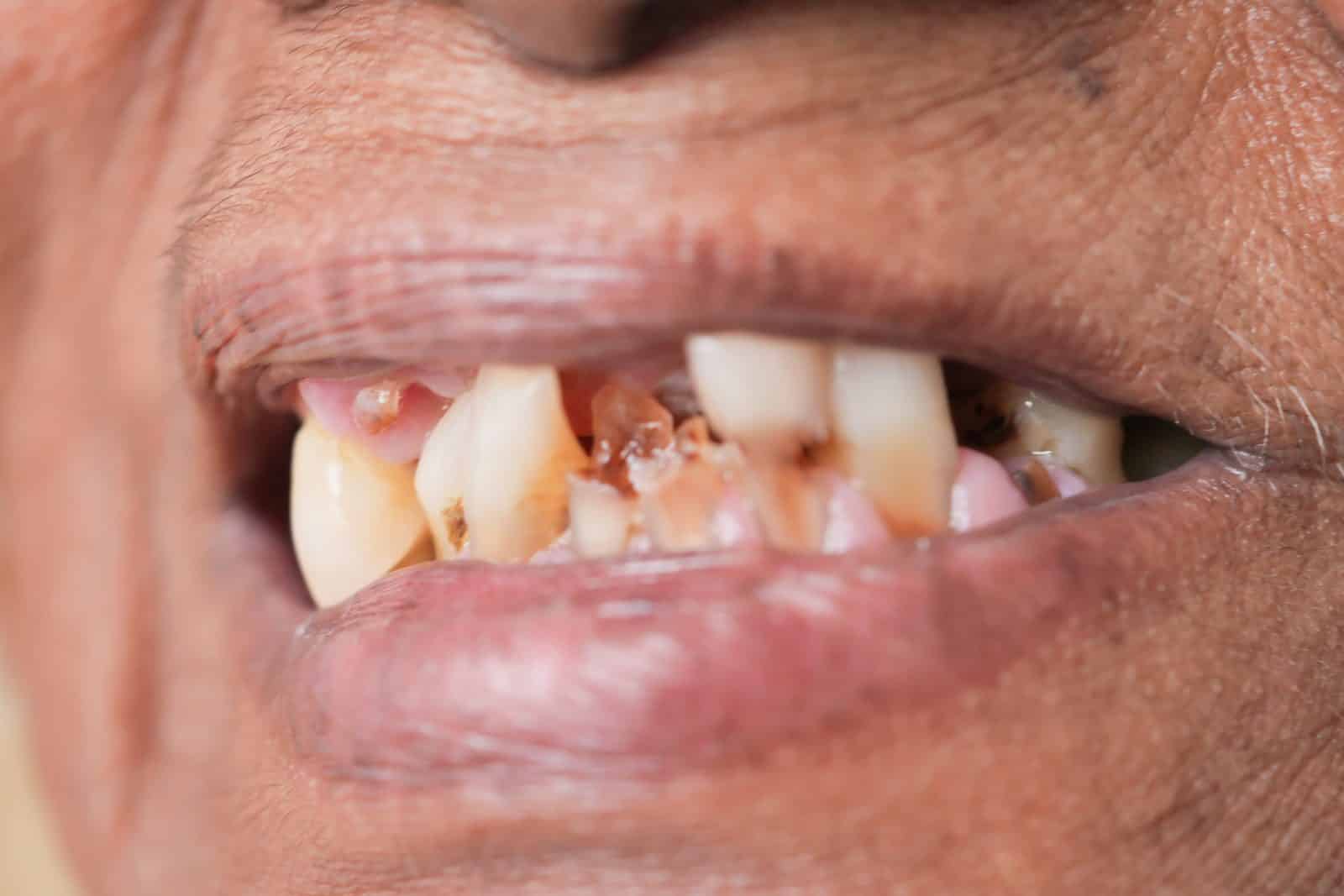
Dental Treatments for Broken Teeth
There isn’t one treatment that works for every broken tooth. A minor chip may require a relatively simple restoration, while significant fractures can require more extensive treatment.
After examining the affected tooth, your dentist can recommend the most appropriate way to restore its function, strength and appearance.
Dental Sealants for Broken Teeth
Dental sealants create a protective coating over the surface of a tooth. They are most commonly applied to the grooves of premolars and molars to help prevent bacteria and food particles from becoming trapped.
While sealants can provide additional protection for vulnerable tooth surfaces, they are not suitable for repairing every type of cracked or broken tooth. Your dentist will determine whether a sealant or another restorative treatment is appropriate.
Dental Crowns for Broken Teeth
A dental crown covers the visible portion of a damaged tooth above the gum line, helping restore its shape, strength and function.
If only a small amount of tooth structure has been damaged, a filling or bonding procedure may be sufficient. However, when a larger portion of the tooth has fractured or weakened, a crown may provide greater protection.
Crowns can also help protect teeth that have undergone extensive restorative treatment.
Dental Veneers for Broken Teeth
Dental veneers are thin, custom-made shells that are bonded to the front surface of teeth. They can be considered when a chip or fracture primarily affects the appearance of a front tooth and the remaining tooth structure is suitable.
Veneers can be designed to complement the colour, size and shape of surrounding teeth, helping create a natural-looking result.
Because some types of veneers require preparation of the natural tooth, suitability should always be assessed individually. Your dentist can discuss whether veneers, bonding, a crown or another restoration would be more appropriate.
Everything You Need to Know About Repairing Broken Teeth
Several restorative treatments may be used depending on the location and severity of the damage.
Dental Bonding
Dental bonding involves applying tooth-coloured composite resin to the damaged area and carefully shaping it to restore the appearance of the tooth.
It can be particularly useful for relatively small chips and cosmetic imperfections.
How long bonding lasts varies considerably depending on the location of the restoration, the patient’s bite, oral hygiene and habits such as chewing hard objects or grinding the teeth.
Root Canal Treatment
When a crack or fracture reaches the pulp inside the tooth and causes inflammation or infection, root canal treatment may be required.
During root canal treatment, infected or damaged tissue is removed from inside the tooth. The internal canals are then cleaned, disinfected and sealed.
Depending on how much natural tooth structure remains, a crown may subsequently be recommended to protect the treated tooth.
Dental Implants
When a tooth is too severely damaged to be predictably restored and extraction becomes necessary, a dental implant may be one possible replacement option.
A dental implant is placed into the jawbone to act as an artificial tooth root. Once the area has healed appropriately, a dental crown can be attached to restore the missing tooth.
Not every patient is immediately suitable for implant treatment. Bone condition, gum health, general health and the location of the missing tooth all need to be assessed beforehand.
Composite Fillings
Tooth-coloured composite fillings can repair certain chipped, fractured or decayed teeth.
Composite resin is bonded to the remaining tooth structure and shaped to restore the damaged area. Its colour can be selected to blend with the surrounding natural tooth.
Composite restorations can provide both functional and cosmetic benefits, particularly when the damage is relatively limited.
Broken Tooth Symptoms and Treatment
The symptoms associated with a broken tooth depend on the type and extent of the fracture. Some chips are immediately obvious, while very small cracks may be difficult to see.
A professional examination can determine how deeply the tooth has been affected and whether treatment is necessary.
Broken Teeth in Adults
A small chip in an adult tooth may not always require emergency treatment, particularly when there is no pain, bleeding or significant damage.
However, it is still worth arranging a dental examination. What appears to be a small surface chip can occasionally extend deeper into the tooth.
Seek urgent dental care if the broken tooth is associated with severe pain, significant swelling, uncontrolled bleeding, facial trauma or other concerning symptoms.
Broken Teeth in Children
A broken tooth in a child should be assessed carefully because treatment differs depending on whether the affected tooth is a baby tooth or a permanent tooth.
If a child breaks a tooth, contact a dentist promptly for advice. Permanent teeth that have been significantly fractured, displaced or knocked out can be particularly time-sensitive.
If the injury involves serious facial trauma, uncontrolled bleeding, difficulty breathing, loss of consciousness or other medical concerns, seek emergency medical attention.
Understanding Broken Teeth
A broken tooth can affect more than appearance. Depending on the severity of the fracture, it can make chewing uncomfortable, cause sensitivity, irritate the tongue or expose the inner portion of the tooth.
Prompt assessment can help determine whether the tooth can be repaired and may reduce the likelihood of the damage becoming more extensive.
Why Do Teeth Break?
Teeth can fracture because of sudden trauma, but sometimes the underlying tooth has already been weakened.
Decay can remove healthy tooth structure and make a tooth more susceptible to breaking. Acid erosion can also gradually weaken enamel.
Factors that may contribute to enamel erosion include:
- Acid reflux or frequent heartburn
- Certain eating disorders
- Frequent exposure to acidic foods and beverages
- Excessive alcohol consumption
- Regular consumption of acidic drinks such as soft drinks, fruit juices and some sports drinks
Natural wear and changes to teeth over time can also make fractures more likely as we age.
How Can You Chip or Break a Tooth?
A tooth can chip or fracture in several ways, including:
- Biting hard foods or objects
- Falling
- Sporting injuries
- Vehicle accidents
- Grinding or clenching the teeth
- Using teeth to open packaging
- Existing tooth decay
- Playing contact sports without appropriate protection
If you participate in contact or high-impact sport, a properly fitted mouthguard can help reduce the risk of dental trauma.
What Are the Symptoms of a Chipped Tooth?
Some small chips cause few or no symptoms and may only be discovered during a dental examination.
Possible symptoms include:
- A rough or jagged edge that you can feel with your tongue
- Pain when biting or chewing
- Sensitivity to hot, cold or sweet foods
- Irritation of the tongue or cheek
- Tenderness around the affected tooth
- Gum irritation near the damaged area
- Intermittent toothache
More significant fractures can cause stronger or persistent pain, particularly if the inner portion of the tooth has been exposed.
How to Protect a Repaired Tooth
Repairing the tooth is only part of the job. Looking after the restoration afterwards can help reduce the risk of another fracture.
Wear a Nightguard If You Grind Your Teeth
Grinding or clenching places considerable pressure on both natural teeth and dental restorations.
If you grind your teeth while sleeping, your dentist may recommend a custom nightguard to help protect your teeth and restorations.
Be Careful Biting With a Repaired Front Tooth
If a front tooth has been restored after a fracture, avoid placing unnecessary force directly on it.
Your dentist may recommend being cautious with particularly hard foods depending on the type and size of restoration you have received.
Avoid Biting Your Nails
Nail biting repeatedly places pressure on the edges of the front teeth and can contribute to chips, cracks and damage to restorations.
Avoiding the habit can help protect both natural teeth and dental work.
Pay Attention to Tooth Sensitivity
Some temporary sensitivity can occur after certain dental treatments. However, persistent, severe or worsening sensitivity should not simply be ignored.
Contact your dentist if you develop ongoing sensitivity to hot or cold temperatures, pain when biting, swelling or unexplained discomfort around a repaired tooth.
Don't Leave a Broken Tooth Untreated
Breaking a tooth can be uncomfortable and frustrating, particularly when the damage affects a visible front tooth. More importantly, a fracture may worsen over time or allow bacteria to reach vulnerable areas inside the tooth.
The appropriate treatment depends on the severity and location of the break. Options can range from bonding and tooth-coloured fillings to veneers, crowns, root canal treatment or replacement of a tooth that cannot be saved.
At Dental Nook, we can assess the damaged tooth, explain the available treatment options and recommend an approach based on your individual circumstances.
If you have chipped, cracked or broken a tooth, arrange a dental assessment rather than waiting for the problem to become more painful.
Contact Dental Nook on 07 3124 0248 to arrange an appointment.