
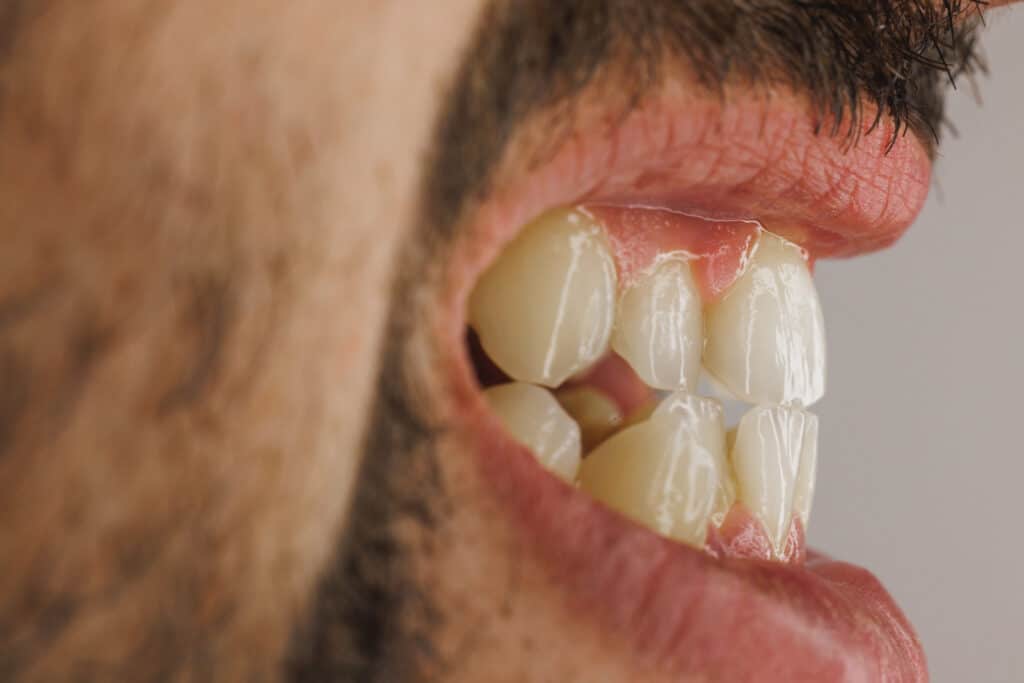

Night-time bruxism usually happens during sleep, so most people are unaware that it is occurring. The American Academy of Sleep Medicine (AASM) classifies sleep bruxism as a sleep-related movement disorder. It is described as clenching or grinding the teeth during sleep, and the intensity and frequency can vary from one night to the next.
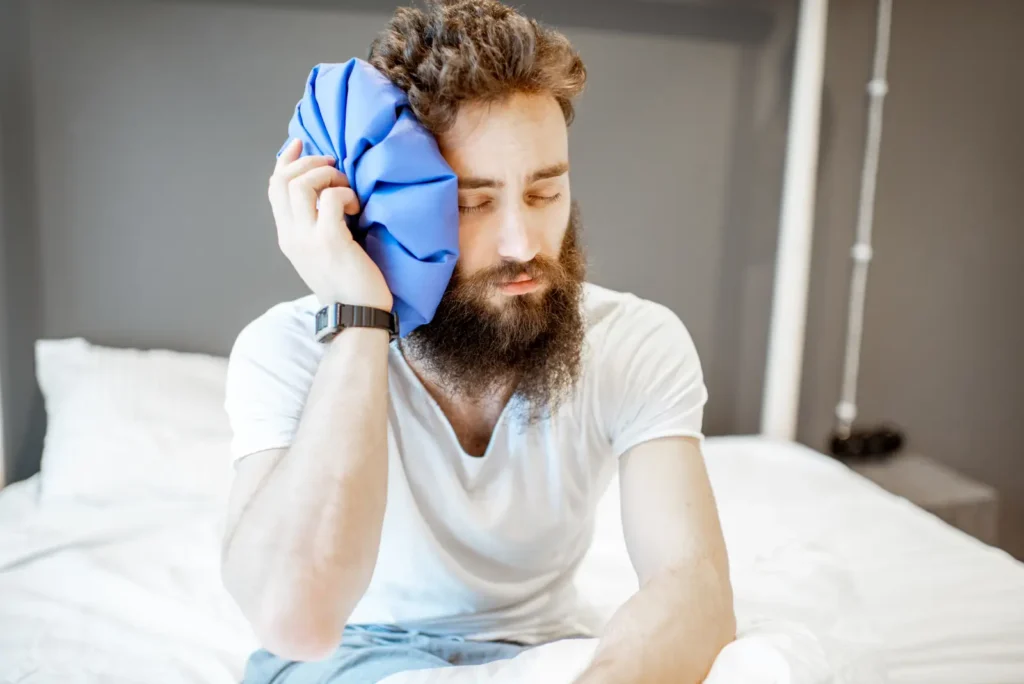
Sleep bruxism can lead to toothache, jaw pain or facial discomfort. Over time, it can also cause abnormal wear on the teeth.
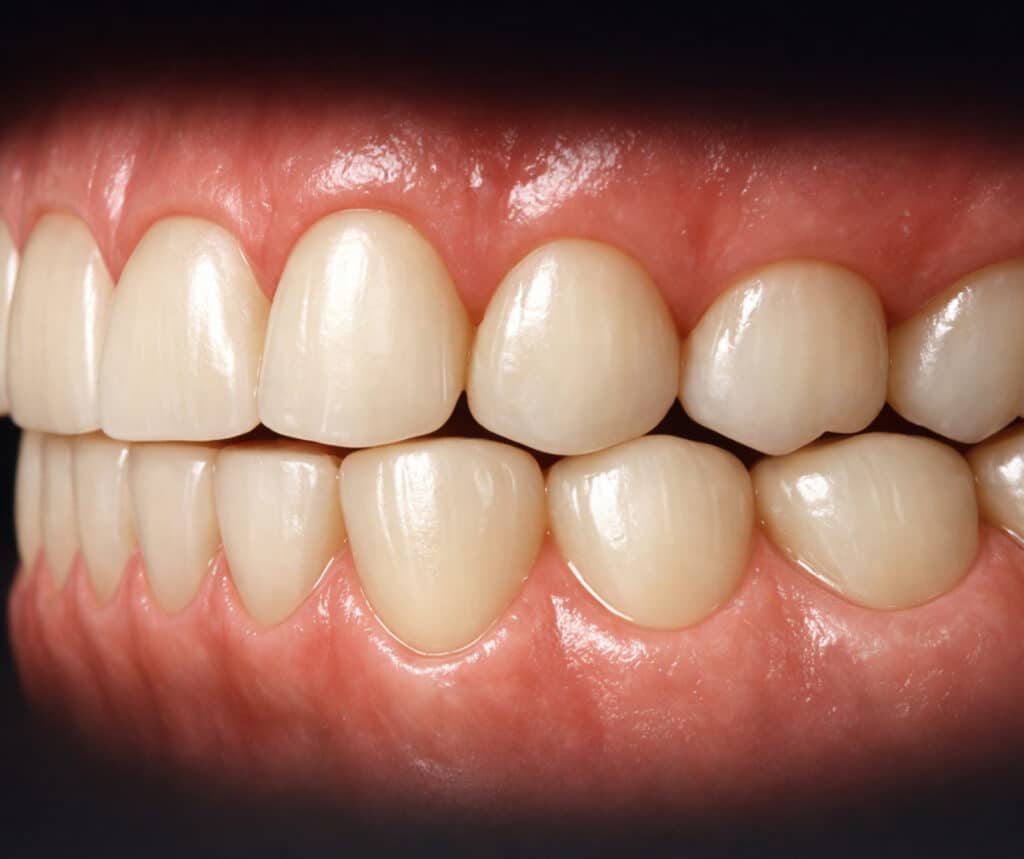
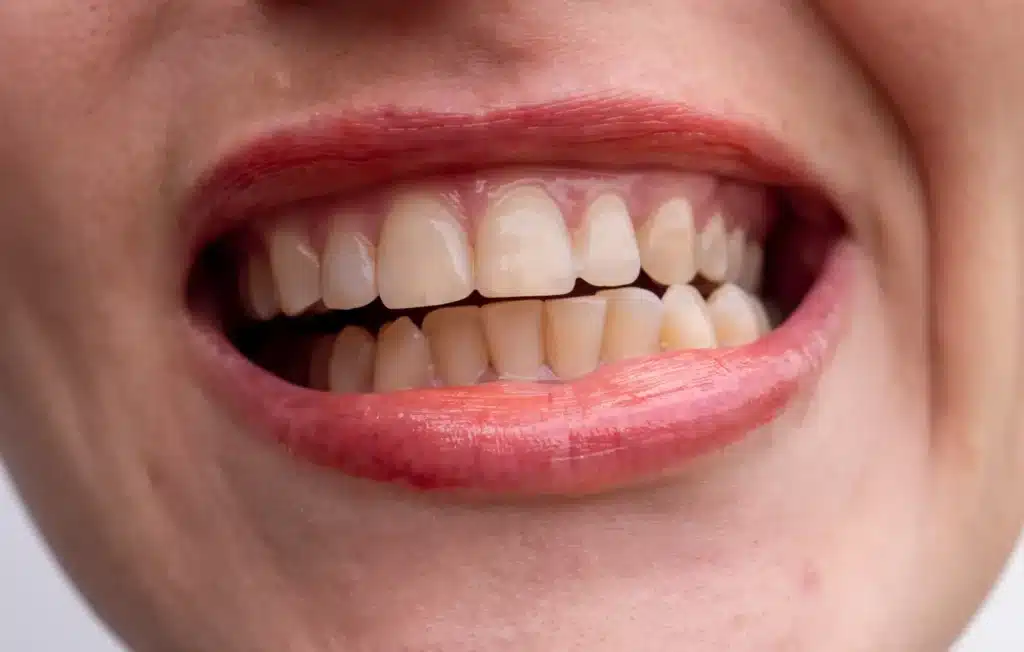


At the moment, there is no permanent cure, but enamel protecting mouthguards or splints are the most widely used treatment to reduce damage to the teeth.
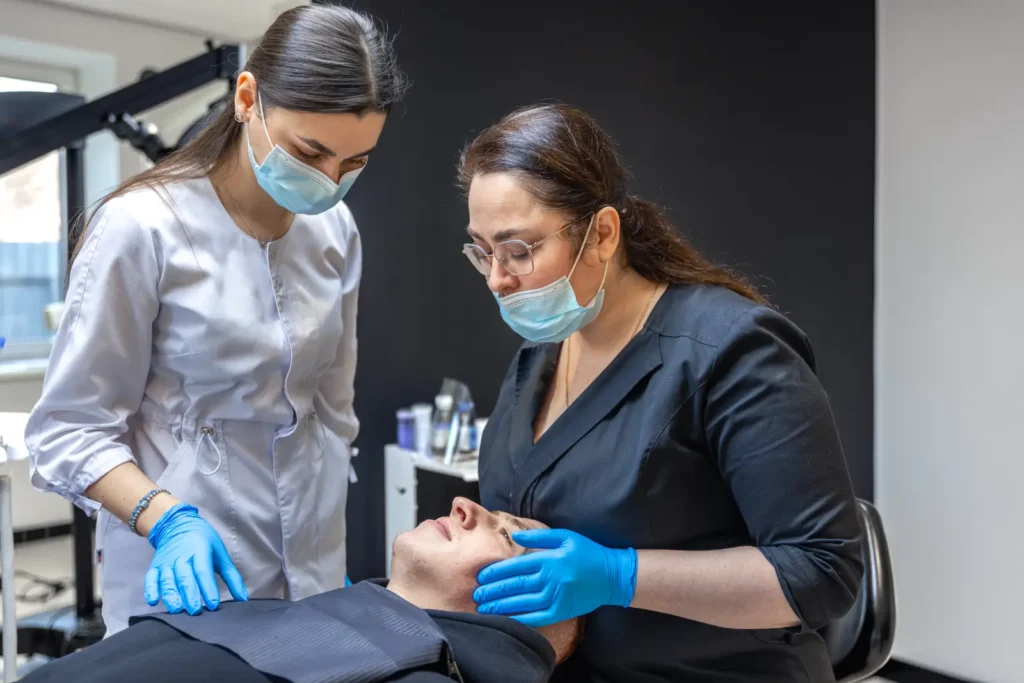
Diagnosing teeth grinding is usually straightforward and is based on the clinical findings your dentist sees. Dentists can detect bruxism by identifying patterns of tooth wear that are not consistent with normal chewing.
Problems that may be related to night-time grinding include:
Your Dental Nook dentist may recommend a bite plate or occlusal splint as part of your treatment. These appliances help protect the teeth from excessive clenching forces, although they do not cure bruxism itself.
When dentists plan crowns, veneers or dental implants, they take the heavy biting forces from bruxism into account. Research indicates that people who grind their teeth have a significantly higher risk of implant complications than those who do not.
These symptoms are signals to arrange a dental assessment. Patients with bruxism should see a dentist so that tooth wear can be measured, monitored and managed.
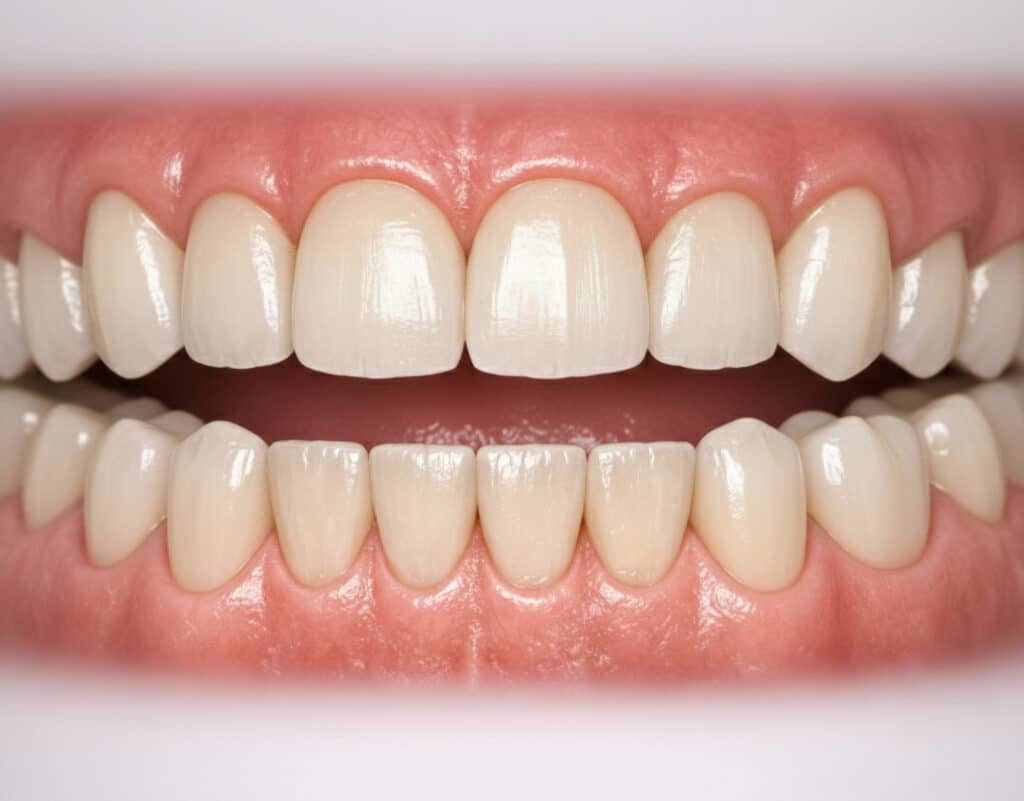
Soft, vacuum-formed mouthguards are relatively cost-effective and can also be used as a short-term diagnostic aid. Over time, a determined bruxer can still wear through these guards, so they may need to be replaced.
If you are concerned about teeth grinding, you can have a custom night guard made at Dental Nook in Brisbane.

Please note that this is not an actual appointment, but only a request for one. We Will Contact you for a confirmation shortly after. Thank you!
treatment for bruxism, bruxism treatment, teeth grinding treatment
Bruxism can manifest through various symptoms, making it essential for individuals to recognize these signs early. Common indicators include jaw pain, headaches, and noticeable wear on teeth, which may be observed during dental check-ups. Many individuals may not realize they are grinding their teeth until they experience discomfort or are informed by a partner who hears the grinding sounds at night.
In addition to physical symptoms, bruxism can also lead to emotional and psychological effects, such as increased stress and anxiety. Patients may find themselves feeling fatigued due to disrupted sleep patterns caused by nighttime grinding. Recognizing these symptoms is crucial for timely intervention and management of the condition.
If left untreated, bruxism can lead to significant long-term dental and health issues. Chronic grinding can result in severe tooth wear, fractures, and even tooth loss, necessitating extensive dental restorations. Over time, the pressure exerted on the jaw can also lead to temporomandibular joint (TMJ) disorders, causing chronic pain and discomfort.
Moreover, untreated bruxism can contribute to other health problems, such as sleep disturbances and increased levels of stress and anxiety. Addressing bruxism early through proper diagnosis and treatment can help prevent these complications and promote overall dental health.
Incorporating lifestyle changes can significantly aid in managing bruxism. Techniques such as stress management through mindfulness, yoga, or regular exercise can help reduce the frequency of grinding episodes. Additionally, establishing a calming bedtime routine can promote relaxation and minimize the likelihood of teeth grinding during sleep.
Moreover, avoiding stimulants like caffeine and alcohol, especially in the evening, can also be beneficial. These substances can increase muscle tension and exacerbate grinding. Making these adjustments can help individuals better control their bruxism and enhance their overall well-being.
It is important to seek professional help if you suspect you have bruxism or are experiencing its symptoms. A dental professional can provide a thorough evaluation and recommend appropriate treatment options tailored to your needs. Early intervention can prevent further complications and help you manage the condition effectively.
In addition to dental treatments, healthcare providers may also refer patients to specialists for stress management or psychological support if bruxism is linked to emotional factors. Recognizing when to seek help is a crucial step in ensuring long-term dental health and comfort.