Hearing that something unusual is happening to your child’s teeth can feel worrying. One condition that sometimes affects growing children is progressive root resorption.
At Dental Nook, we believe in early diagnosis, clear communication, and gentle treatment planning. Understanding this condition helps parents make informed decisions and protect their child’s long-term oral health.
What Is Root Resorption in Baby Teeth?
Root resorption is a natural process that occurs when baby teeth begin to loosen and fall out. As permanent teeth prepare to erupt, the roots of primary teeth gradually dissolve.
However, progressive root resorption refers to when this process happens earlier than expected, occurs too quickly, or affects teeth in an unusual pattern.
In some cases, intervention may be necessary to protect surrounding teeth and developing permanent teeth.
What Is Progressive Root Resorption?
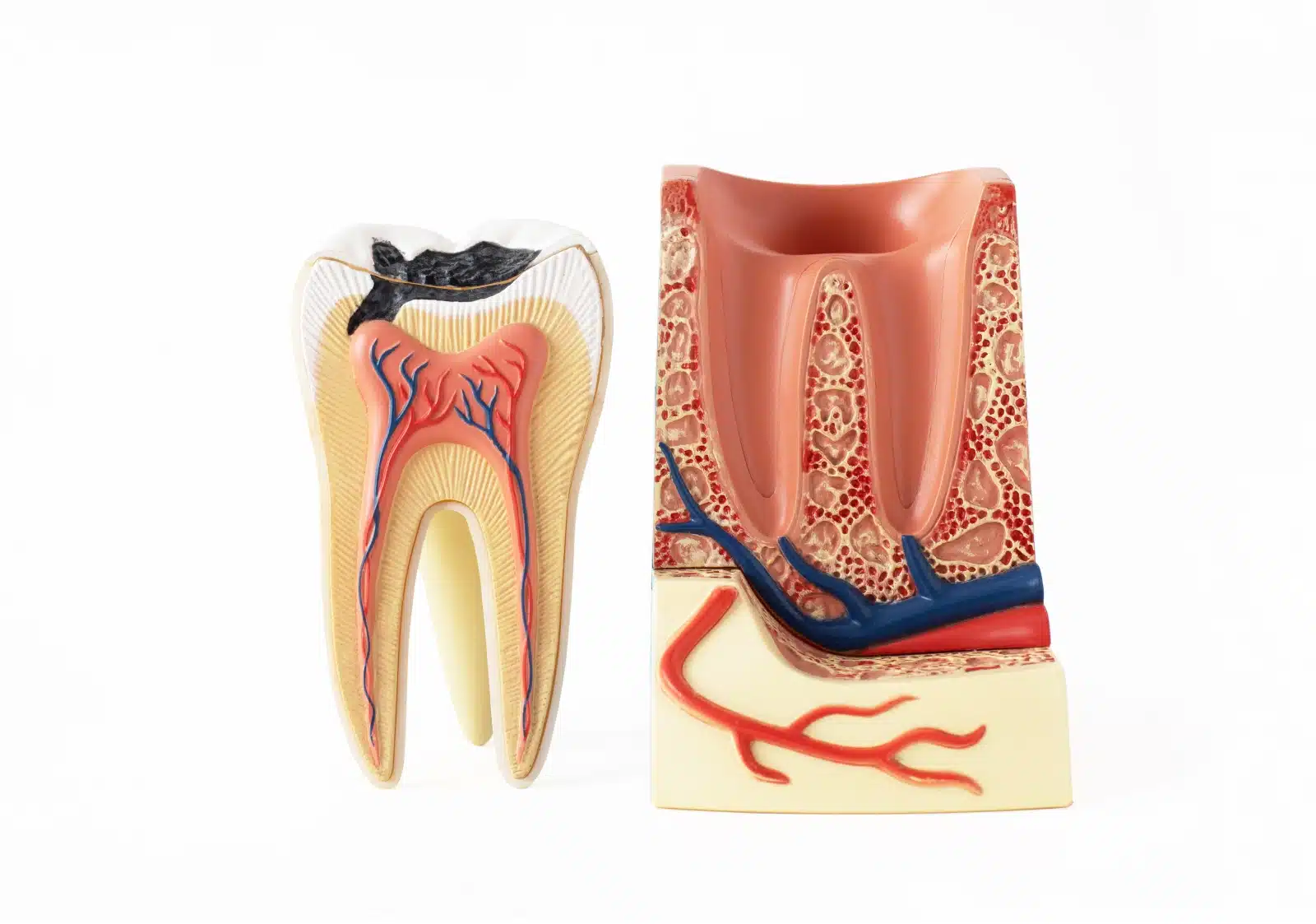
Progressive root resorption is when the structure of a tooth’s root begins breaking down abnormally. Instead of a gradual, controlled process, the root shortens or deteriorates more rapidly.
This can affect:
- Baby teeth
- Occasionally permanent teeth
- Tooth stability
- The eruption pattern of adult teeth
Early detection plays a key role in preventing complications.
Why Does Progressive Root Resorption Happen?
There are several possible causes.
Trauma
Previous injury to the tooth can trigger abnormal root breakdown.
Infection
Untreated decay or infection may affect the root structure.
Orthodontic Pressure
In some cases, excessive force during orthodontic treatment can contribute to resorption.
Unknown Causes
Sometimes, the exact cause cannot be identified, and the condition develops without clear triggers.
Each child’s case is unique and requires careful assessment.
Signs to Watch For
Progressive root resorption is not always painful, which is why routine dental visits are so important.
Parents may notice:
- Loose teeth earlier than expected
- Swelling around the gums
- Discolouration of a tooth
- Sensitivity when eating
- Delayed or abnormal eruption of permanent teeth
In many cases, it is discovered during routine X-rays rather than through symptoms.
How Dentists Diagnose Progressive Root Resorption
Diagnosis typically involves:
Clinical Examination
Checking mobility, gum health, and surrounding structures.
Digital X-Rays
Imaging allows us to see root length and detect abnormal changes.
Monitoring Over Time
In some cases, we monitor the tooth periodically to assess progression.
At Dental Nook, we use careful imaging and evaluation to determine whether treatment is needed or if observation is sufficient.
Potential Impact on Permanent Teeth
If left unmanaged, progressive root resorption may:
- Affect the eruption path of adult teeth
- Lead to space loss
- Cause alignment problems
- Increase the risk of infection
Early detection helps prevent complications that may require more extensive treatment later.
Why It’s Important Not to Wait for Treatment
Delaying treatment can sometimes allow the condition to worsen.
Timely evaluation allows us to:
- Protect developing permanent teeth
- Prevent unnecessary discomfort
- Maintain proper spacing
- Avoid more invasive procedures
Even if no immediate treatment is required, monitoring ensures stability.
Treatment Options for Progressive Resorption
Treatment depends on severity and the child’s age.
Monitoring
If the condition is mild and not progressing rapidly, observation may be recommended.
Extraction of the Affected Tooth
If the tooth becomes unstable or risks affecting permanent teeth, removal may be necessary.
Space Maintenance
If a baby tooth is removed early, a space maintainer may be used to preserve alignment.
Orthodontic Assessment
In some cases, referral for orthodontic evaluation may be advised.
Dr Nikita will recommend the most conservative and appropriate option for your child.
How Your Child’s Dentist Can Support an Orthodontic Outcome
Proper timing and coordination are important.
When progressive root resorption is identified early, we can:
- Plan around eruption timing
- Maintain healthy spacing
- Reduce future orthodontic complexity
- Ensure balanced development
A proactive approach protects your child’s smile long term.
Frequently Asked Questions
Is progressive root resorption common?
It is not extremely common, but it is not rare either. Many cases are detected early through routine X-rays.
Is it painful?
Often, it is painless and only identified during dental check-ups.
Can permanent teeth be affected?
In some cases, yes — which is why early monitoring is important.
Does it always require extraction?
Not necessarily. Treatment depends on severity and progression.
Keep Little Smiles on Track
Children’s oral development changes rapidly. Regular dental visits allow us to monitor growth patterns and detect issues like progressive root resorption early.
At Dental Nook in Brisbane, we focus on preventive care and careful monitoring to support healthy development.
If you have concerns about your child’s loose teeth, early eruption, or unusual dental changes, book a consultation. Early guidance provides reassurance and helps protect your child’s long-term oral health.