
When to See a Dentist: Assessing Dental Issues
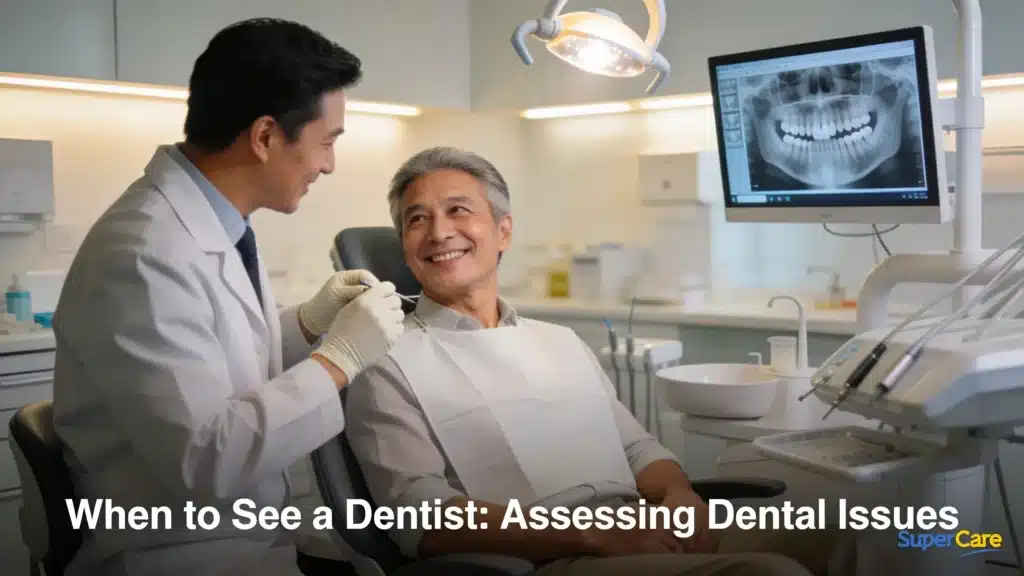
When to See a Dentist: Assessing Dental Issues
By Dental Nook Editorial Team · Updated 2026-07-13
Regular self-assessment of dental issues involves checking for persistent tooth pain, bleeding gums, sensitivity lasting more than a few days. Visible damage — any of these symptoms warrant professional care promptly. Dental Nook in Carindale, Queensland, led by Principal Dentist Dr. Nikita Verma, welcomes patients Monday to Wednesday from 9:00 AM to 5:00 PM, reachable at 1800 930 336.
Dental issues warrant professional assessment when patients notice persistent pain, swelling, bleeding gums, or visible damage. Routine self-checks help identify early warning signs, but a qualified dentist performs thorough examinations that detect problems invisible to patients. Dental Nook provides same-day appointments in Carindale, ensuring timely professional evaluation before minor concerns escalate into complex, costly treatments.
Key Takeaways
- Persistent tooth pain lasting over 2 days signals a dental issue requiring professional evaluation.
- Dr. Nikita Verma at Dental Nook assesses early warning signs linked to broader health conditions.
- Swelling, bleeding gums, or visible cracks demand urgent attention before damage worsens significantly.
- Dental Nook accepts appointments Monday to Wednesday; call 1800 930 336 to book yours.
What Signs Indicate a Dental Issue Needs Attention?
How Do I Determine if My Dental Issues Require Professional Care or Home Remedies? Dental issues that persist beyond a few days, cause pain, or involve visible changes to the gums or teeth require professional evaluation — home remedies address discomfort temporarily but do not resolve underlying conditions. Delaying professional care allows problems to progress, increasing the risk of tooth loss and broader health complications.
When Does Gum Sensitivity Signal Something Serious?
Gum disease is an inflammatory condition driven by plaque buildup along the gumline. Left untreated, gum disease leads to tooth loss and contributes to general health problems beyond the mouth. Plaque that is not removed hardens into tartar — a calcified deposit that no toothbrush can eliminate and that only a dental professional can safely remove.
Can a Dentist Detect More Than Oral Health Problems?
Dentists are trained to recognize early-warning signs of systemic health conditions through oral examination. Detecting these signs and recommending appropriate follow-up care is a core part of dental education. Patients who attend regular appointments give dental professionals the opportunity to identify unusual changes before those changes become serious.
Key warning signs that warrant professional attention:
- Bleeding or swollen gums that persist beyond two weeks
- Persistent tooth sensitivity or pain
- Visible changes in gum color or tissue texture
- Hardened deposits along the gumline that brushing does not remove
When Can Home Care Manage the Problem Safely?
How do I determine if my dental issues require professional care or home remedies? Home care manages early-stage concerns effectively when patients commit to consistent daily habits and maintain regular professional oversight. Neglecting either component allows gum disease to progress silently, often causing damage that becomes far more complex and costly to reverse.
What daily habits genuinely prevent gum disease from worsening?
Consistent brushing and flossing form the foundation of safe home management. Patients who maintain strong daily oral hygiene habits remove the bacterial plaque that drives gum disease before it establishes a foothold. These habits are most effective when practiced without interruption — gaps in routine allow conditions to deteriorate faster than many patients expect.
When does home care need professional support to stay safe?
Home care alone is insufficient without regular check-ups and professional cleans from a qualified dental team. Professional cleaning removes calcified deposits that brushing and flossing cannot address. Patients also benefit from sharing complete, honest information about their oral health history at every appointment. open communication with a dental team gives practitioners the full context needed to deliver safer, more targeted care. Dental Nook encourages patients to treat each check-up as a collaborative assessment, not a passive procedure. That home care and clinical care work together to protect long-term oral health.
How Do You Choose the Right Professional Care?
Choosing the right professional care starts with establishing a reliable dental home. A trusted practice where a qualified dentist monitors the long-term oral health of patients and their families. Without that foundation, patients risk missing early warning signs that home remedies cannot address.
Follow these steps to select the right dental provider:
- Verify practitioner credentials. Confirm that a principal dentist, such as Dr. Nikita Verma at Dental Nook, leads the clinical team.
- Assess scheduling flexibility. Prioritize practices that offer appointments throughout the week, including weekends and extended after-hours or after-school slots.
- Confirm accessible location. Choose a clinic that serves the broader region — Dental Nook, for example, is situated within Westfield Carindale Shopping Center and accepts patients from across Brisbane.
- Evaluate emergency availability. A dependable dental home provides a safe, trusted place to turn during unexpected dental emergencies.
How Do Patients Know When Home Remedies Are Not Enough?
Determining whether dental issues require professional care or home remedies depends on symptom severity and duration. Persistent pain, swelling, or sensitivity that does not resolve within a day or two signals the need for professional evaluation rather than self-treatment.
What Makes a Dental Practice Genuinely Accessible?
Accessible practices combine convenient location with flexible booking options. Dental Nook supports patients through online booking and extended hours, reducing barriers that cause individuals to delay necessary care.
Recognizing the warning signs of a dental issue. Acting on them promptly is one of the most meaningful steps you take toward protecting your long-term oral health. Whether you are managing mild sensitivity or confronting sudden, severe pain, the ability to assess your symptoms clearly empowers you to seek the right level of care at the right time. At Dental Nook, Dr. Nikita Verma and our experienced team stand ready to provide the attentive, expert care your smile deserves. Because early intervention always yields the best outcomes.
FAQ
How long does tooth pain need to last before I see a dentist?
Persistent tooth pain lasting over two days signals a dental issue that requires professional evaluation. Home remedies address discomfort temporarily but do not resolve underlying conditions.
What warning signs mean my gum problem is serious?
Bleeding or swollen gums persisting beyond two weeks, visible changes in gum color or tissue texture. Hardened deposits along the gumline all warrant professional attention at Dental Nook.
Do dentists identify health problems beyond my teeth and gums?
Dentists recognize early-warning signs of systemic health conditions through oral examination and recommend appropriate follow-up care — Dr. Nikita Verma at Dental Nook assesses these signs during appointments.