
Mini Dental Implants in Brisbane
What Are Mini Dental Implants?
Living with missing teeth can affect much more than the appearance of your smile. Gaps can make eating and speaking more difficult, affect surrounding teeth, contribute to changes in the jawbone, and leave some people feeling less confident about smiling.
Fortunately, modern dentistry offers several ways to replace missing teeth. Depending on your individual circumstances, these may include dentures, dental bridges, conventional dental implants, and mini dental implants.
Mini dental implants provide another tooth-replacement option, particularly for certain patients who may not be suitable candidates for traditional, full-sized dental implants.
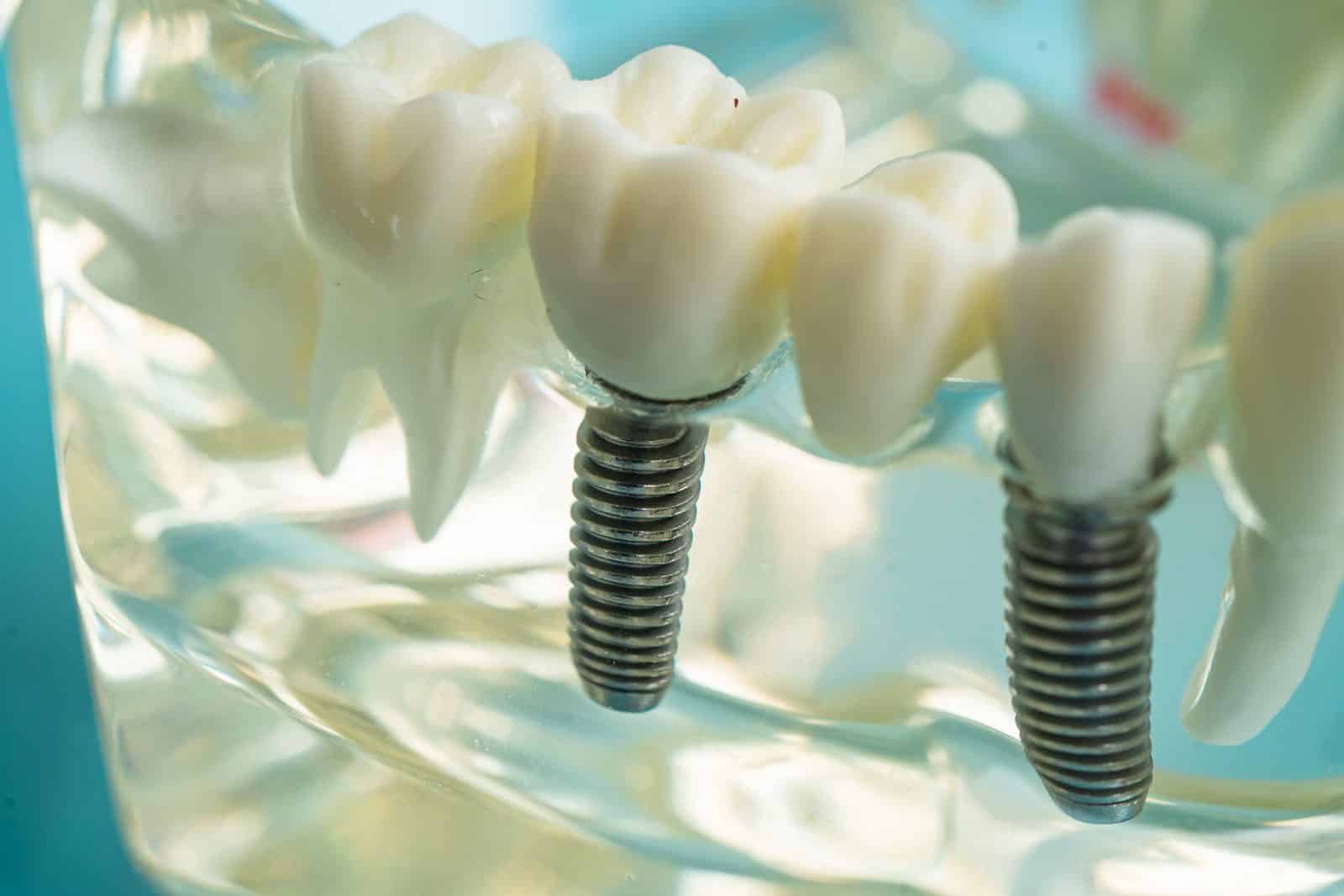
Mini Dental Implants in Brisbane
Mini dental implants are smaller-diameter dental implants designed to support replacement teeth or help stabilise dentures.
A mini dental implant generally consists of a small, one-piece implant screw that is narrower than a conventional dental implant. Mini implants are typically less than 3 mm in diameter, although the exact design can vary depending on the implant system being used.
Despite their smaller size, mini implants work on a similar principle to conventional implants. They are positioned within the jawbone to create an artificial foundation that can support a replacement tooth or help secure a dental prosthesis.
Both traditional and mini dental implants essentially act as artificial tooth roots.
Does a Smaller Dental Implant Mean Less Discomfort?
Placing a mini dental implant can involve a less extensive procedure than placing a conventional implant.
Because mini implants have a smaller diameter, their placement may require less alteration of the surrounding bone and gum tissue in suitable cases. This can mean a less invasive procedure and potentially a more comfortable recovery.
However, every patient’s situation is different. The level of discomfort experienced depends on factors such as the number of implants being placed, the location of the missing teeth, bone condition, individual pain sensitivity, and the complexity of treatment.
Appropriate anaesthesia is used during treatment to help keep patients comfortable.
What Are the Benefits of Mini Dental Implants?
Mini dental implants can offer several potential advantages for suitable patients, particularly when conventional implants may not be the preferred treatment.
Potential benefits can include:
- A less invasive procedure in selected cases
- Less post-treatment discomfort for some patients
- Shorter treatment times
- Potentially faster recovery
- Suitability for certain smaller teeth or spaces
- An option for selected front-tooth replacements
- Bone grafting may not be required in some cases
- Lower bone-volume requirements compared with some conventional implants
- Helping support the jawbone where an implant is placed
- Helping stabilise loose dentures
- Potentially lower treatment costs than conventional implant treatment
- Fewer appointments in selected cases
- Restoration of missing teeth to improve function and appearance
One of the reasons mini implants may be considered is that some patients do not have enough jawbone to comfortably accommodate a conventional implant.
Traditional implant treatment may sometimes require bone grafting before an implant can be placed. Mini implants may reduce the need for grafting in carefully selected cases, although this cannot be guaranteed.
A complete dental assessment is therefore necessary before deciding whether mini implants are appropriate.
Am I a Good Candidate for Mini Dental Implants?
Mini implants are not suitable for everyone.
Before recommending treatment, the team at Dental Nook will assess your teeth, gums, jawbone, bite, medical history, and overall oral health.
Mini implants generally would not be recommended for children or younger patients whose jaws are still developing.
People who grind or clench their teeth heavily may also require additional assessment because excessive biting forces can place significant pressure on an implant.
Mini implants may not be suitable for replacing certain molars because back teeth are exposed to substantial chewing forces.
Certain dental and medical conditions can also affect whether implant treatment is appropriate. These may include:
- Advanced gum disease
- Significant bone loss
- Certain bone disorders
- Poorly controlled diabetes
- Conditions that interfere with healing
- Medical treatments that affect bone or wound healing
Other factors that may reduce suitability or increase the risk of complications include:
- Smoking
- Poor oral hygiene
- Active gum disease
- Certain medications
- Chemotherapy or other medical treatments that may affect healing
Having one of these risk factors does not automatically mean you cannot receive dental implants. A personalised assessment is required to determine whether treatment can be carried out safely and predictably.
Traditional Dental Implants vs Mini Dental Implants
Although both options are designed to replace missing teeth, there are important differences between conventional and mini dental implants.
Bone Requirements
Traditional implants generally require sufficient jawbone width and density to support the implant securely.
When there is significant bone loss, bone grafting may sometimes be required before conventional implant placement.
Because mini implants are narrower, they may be suitable for certain patients with reduced bone volume. However, bone quantity and quality still need to be assessed before treatment.
Treatment and Recovery
Conventional implant placement usually involves creating an opening in the gum and preparing the jawbone for the implant.
Depending on the patient’s circumstances, additional procedures such as bone grafting may also be necessary.
After placement, conventional implants commonly require a healing period that allows the implant to integrate with the surrounding bone before the final restoration is fitted.
Mini implants may involve a less invasive placement process and can therefore have a shorter recovery period in selected cases.
Number of Appointments
Traditional implant treatment often takes place over several appointments and can extend over a number of months.
Mini implant treatment may sometimes be completed in fewer visits.
In selected situations, a replacement tooth or denture may be attached shortly after mini implant placement. However, immediate restoration is not appropriate for every patient.
Cost
Mini dental implants may cost less than conventional implants in some situations because the implants are smaller and treatment can sometimes involve fewer surgical procedures.
The actual cost depends on several factors, including:
- Number of missing teeth
- Number of implants required
- Type of restoration
- Bone condition
- Complexity of treatment
- Whether additional dental procedures are necessary
A consultation is the best way to receive an accurate treatment plan and cost estimate.
How to Care for Mini Dental Implants
Good oral hygiene is essential for maintaining both natural teeth and dental implants.
Although implants cannot develop tooth decay in the same way natural teeth can, the gum and bone surrounding them can still be affected by plaque and bacteria.
Eating After Mini Implant Placement
Following treatment, you may be advised to temporarily avoid very hard, crunchy, chewy, or sticky foods.
Softer foods may be more comfortable during the early healing period. Options can include:
- Mashed vegetables
- Soup
- Smoothies
- Yoghurt
- Soft pasta
- Other foods that require minimal chewing
Always follow the specific aftercare instructions provided following your procedure.
Cleaning Your Mini Implants
Maintaining excellent oral hygiene helps protect the gums and tissues surrounding your implants.
Brush your teeth at least twice a day using a soft-bristled toothbrush and clean between your teeth every day using floss or another interdental cleaning method recommended by your dental professional.
A soft toothbrush can also be more comfortable if the treatment area is temporarily sensitive.
Regular dental examinations and professional cleaning appointments at Dental Nook are important after implant treatment. These appointments allow the health of your implants, gums, remaining teeth, and bite to be monitored.
How Long Do Mini Dental Implants Last?
The lifespan of a mini dental implant varies from patient to patient.
With appropriate treatment planning, good oral hygiene, regular dental care, and healthy lifestyle habits, mini implants may remain functional for many years.
Their longevity can be influenced by:
- Oral hygiene
- Gum health
- Bone quality
- Implant location
- Bite forces
- Teeth grinding or clenching
- Smoking
- Medical conditions
- Regular dental maintenance
As with any surgical or invasive dental procedure, implant placement carries potential risks and complications. A thorough assessment is necessary before treatment so that you can understand the potential benefits, limitations, alternatives, and risks relevant to your individual situation.
How Are Mini Dental Implants Placed?
The exact procedure will depend on your individual treatment plan, but mini dental implant placement commonly involves several stages.
1. Dental Examination and Imaging
Your treatment begins with a detailed dental examination. Dental X-rays and other imaging may be used to assess the jawbone and determine an appropriate position for the implant.
2. Local Anaesthesia
Local anaesthesia is administered to numb the treatment area and minimise discomfort during the procedure.
3. Preparing the Implant Site
A small opening is carefully prepared in the jawbone at the planned implant location.
4. Placing the Mini Implant
The mini implant is carefully inserted into the prepared area of the jaw. Part of the implant remains accessible above the gum so that it can connect with the replacement tooth or denture.
5. Securing the Restoration
Once the implant has been positioned appropriately, the restoration or attachment can be connected according to the treatment plan.
Because the placement technique can be less invasive than conventional implant surgery, stitches may not be required in some cases.
Are Mini Dental Implants Right for You?
Mini dental implants can provide a useful tooth-replacement or denture-stabilisation option, but choosing between mini implants and conventional implants should be based on more than convenience or cost.
Your jawbone, gum health, bite, missing-tooth location, medical history, and long-term treatment goals all need to be considered.
At Dental Nook, we can assess your individual circumstances, discuss the available tooth-replacement options, and explain whether mini dental implants, conventional implants, dentures, bridges, or another treatment may be appropriate for you.
Talk to Dental Nook About Mini Dental Implants in Brisbane
If you have missing teeth, uncomfortable dentures, or have previously been told that conventional implants may not be suitable, a dental assessment can help you understand your available options.
Contact Dental Nook to arrange a consultation and discuss whether mini dental implants may be suitable for your smile.
Call Dental Nook on 07 3124 0248 to arrange an appointment.
*Any surgical or invasive procedure carries risks. Before proceeding, you should seek an appropriately qualified dental professional for a personalised assessment and discuss the potential benefits, risks, limitations, costs, and alternative treatment options.*