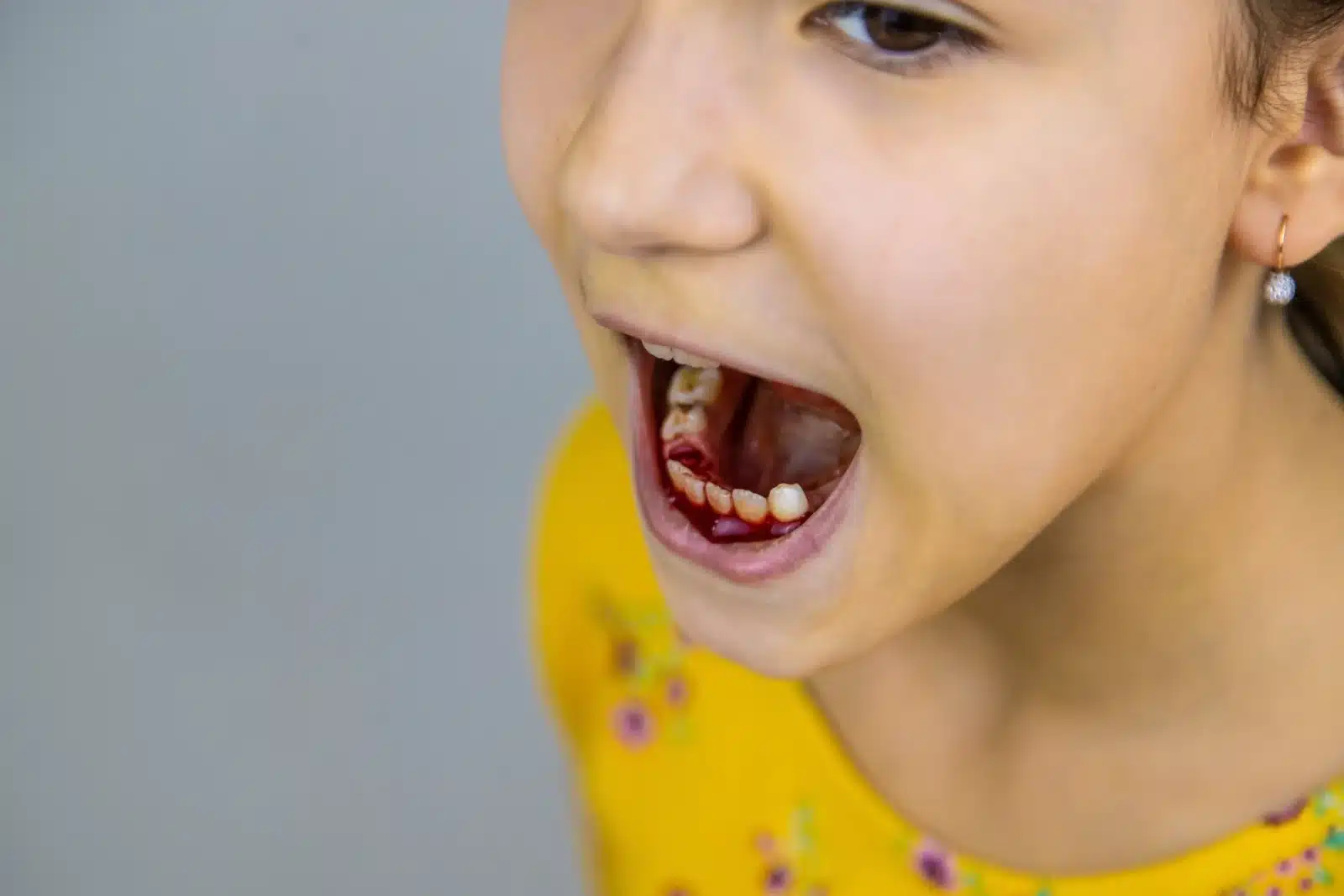
Dental injuries in childhood can happen unexpectedly — during sports, playtime, or simple accidents at home. While some injuries may seem minor at first, untreated trauma can sometimes lead to long-term complications affecting permanent teeth, oral function, and even emotional wellbeing.
Understanding the possible consequences helps parents act early and protect their child’s smile.
What Are the Long-Term Consequences of Dental Injuries in Children?
The impact of a dental injury depends on:
- The type of trauma
- The age of the child
- Whether baby or permanent teeth are involved
- How quickly treatment is provided
Early intervention significantly reduces the risk of lasting damage.
Impact on the Development of Permanent Teeth
When baby teeth are injured, the developing permanent teeth beneath them may be affected.
Enamel Defects
Trauma can disturb enamel formation, leading to:
- White spots
- Yellow or brown discoloration
- Weakened enamel
These changes may not appear until the permanent tooth erupts.
Crooked or Misaligned Teeth
Injury to baby teeth can interfere with the natural eruption path of permanent teeth, sometimes causing:
- Crowding
- Spacing irregularities
- Alignment concerns
Orthodontic monitoring may be required.
Delayed Tooth Eruption
Damage to developing teeth may slow down eruption timing. Regular dental review helps track progress.
Structural Abnormalities
Severe trauma may affect tooth shape or size, potentially requiring restorative treatment later.
Lasting Damage to Permanent Teeth
When permanent teeth are directly injured, the consequences may include:
Pulp Damage
The inner nerve tissue may become inflamed or infected, sometimes leading to root canal treatment.
Root Resorption
In some cases, trauma triggers gradual breakdown of the tooth root, which may compromise long-term stability.
Ankylosis
This occurs when a tooth fuses to the surrounding bone, preventing normal movement and eruption.
Understanding Functional Dental Injuries in Children: Dental Nook
Untreated injuries may affect everyday activities.
Difficulty Chewing
Damaged or sensitive teeth can make eating uncomfortable.
Speech Issues
Tooth displacement or loss may affect pronunciation during key developmental stages.
Increased Risk of Future Tooth Loss
Severely injured teeth may eventually require extraction if complications develop.
Emotional and Psychological Impact
Dental trauma can also affect confidence and wellbeing.
Self-Esteem and Appearance
Visible damage to front teeth may influence how children feel about their smile.
Fear of Dental Treatment
A traumatic experience may lead to anxiety during future dental visits.
Social Challenges
Children may become self-conscious about visible dental injuries.
Risk of Infections and Oral Health Complications
Untreated dental injuries may increase the risk of:
Persistent Infection
Infection can spread beyond the tooth if not managed promptly.
Spread of Infection
Severe cases may affect surrounding bone or tissues.
Chronic Sensitivity
Ongoing discomfort may develop if nerve tissue is affected.
Preventive Strategies to Minimise Long-Term Consequences
Early care makes a significant difference.
Seek Immediate Dental Attention
Prompt assessment after any dental injury allows early intervention.
Attend Follow-Up Appointments
Some complications develop gradually, making monitoring essential.
Orthodontic Evaluation
Growth and alignment should be assessed when needed.
Protective Measures
Encourage mouthguards during sports and high-impact activities.
The Importance of Early Intervention
Quick action can prevent:
- Infection
- Permanent tooth damage
- Alignment issues
- Emotional distress
Even if an injury appears minor, professional evaluation ensures nothing is overlooked.
Frequently Asked Questions
Can dental injuries in childhood affect adult teeth?
Yes. Trauma to baby teeth can influence the development of permanent teeth.
What happens if a knocked-out baby tooth is not treated?
Monitoring is important to prevent infection or damage to developing teeth.
Can damaged permanent teeth be saved?
Often, yes — especially with early treatment.
Are long-term effects always visible immediately?
Not always. Some complications appear months or years later.
How can I reduce the risk of dental injuries?
Use mouthguards during sports and supervise high-risk activities.
Your Child’s Smile Deserves the Best Care
Dental injuries can have lasting consequences, but early diagnosis and proper management significantly reduce risks.
At Dental Nook, we provide careful assessment, ongoing monitoring, and personalised treatment plans to protect growing smiles.
If your child experiences a dental injury, book an appointment promptly for professional evaluation and peace of mind.