Do You Really Need to Be Sedated for Implant Surgery?
One of the most common questions patients ask when considering dental implants is whether sedation is necessary. The idea of implant surgery can feel intimidating, especially if you already experience dental anxiety.
At Dental Nook in Brisbane, we believe in personalised treatment. Not every patient requires sedation for dental implants. The right approach depends on your comfort level, medical history and the complexity of the procedure.
What Are Dental Implants?
Dental implants are a long-term solution for replacing missing teeth. The process involves placing a small titanium post into the jawbone, which acts as an artificial tooth root. Over time, the implant integrates with the bone and provides a stable foundation for a crown.
Dental implants are designed to:
• Restore chewing function
• Improve speech
• Maintain jawbone structure
• Enhance smile aesthetics
• Prevent shifting of surrounding teeth
Is Sedation Required for Dental Implants?
In many cases, dental implant surgery is performed comfortably under local anaesthesia alone. This numbs the treatment area and prevents pain during the procedure.
Sedation may be considered if:
• You experience moderate to severe dental anxiety
• Multiple implants are being placed
• The procedure is more complex
• You have a strong gag reflex
• You feel extremely nervous about surgery
Dr. Nikita carefully assesses your individual needs before recommending sedation.
Types of Sedation Available
If sedation is appropriate, several options may be discussed:
Nitrous Oxide
Also known as laughing gas, this mild sedation helps you feel relaxed while remaining awake and responsive.
Oral Sedation
Medication taken before the appointment promotes deeper relaxation while you remain conscious.
IV Sedation
IV sedation, often called twilight sedation, works quickly and allows for controlled levels of relaxation. Many patients have little memory of the procedure.
General Anaesthesia
In more complex cases or for patients with severe anxiety, general anaesthesia may be considered. This places you in a controlled unconscious state for the duration of the procedure.
Benefits of Sedation for Dental Implants
For suitable candidates, sedation can:
• Reduce anxiety and fear
• Increase comfort during longer procedures
• Help complete multiple treatments in one session
• Improve overall patient experience
Sedation does not replace local anaesthesia but works alongside it to enhance comfort.
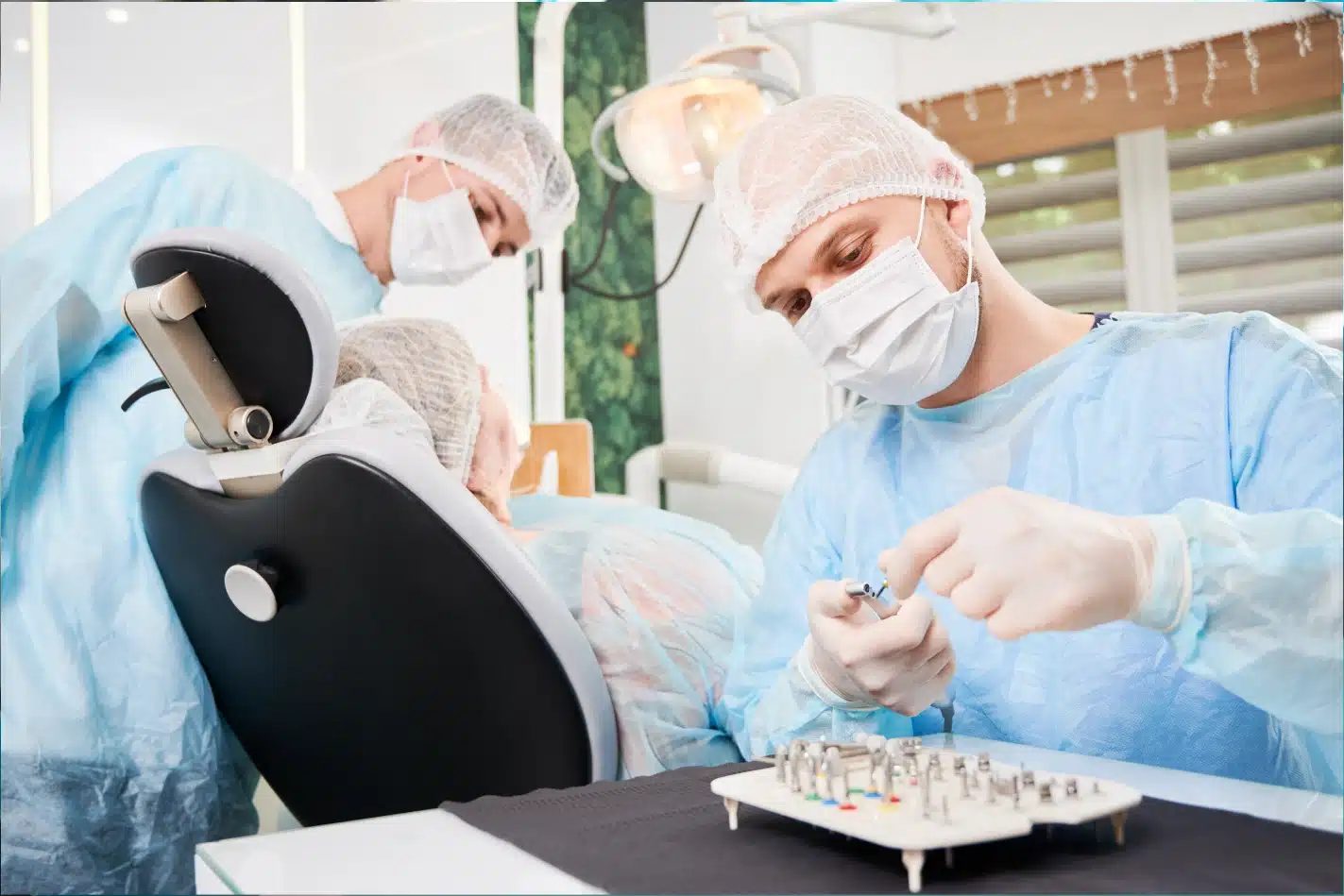
What to Expect During Implant Surgery
Whether you choose sedation or not, implant surgery follows a structured process.
• The area is numbed with local anaesthesia
• The implant is placed precisely into the jawbone
• Healing begins through osseointegration
• A crown is attached once integration is complete
The procedure is typically more comfortable than many patients expect.
ow Long Does Implant Surgery Take?
The duration depends on the number of implants and whether additional procedures such as bone grafting are required. Single implants may take around one hour, while more complex cases require additional time.
Sedation may be helpful for longer sessions.
Recovery After Implant Surgery
After the procedure, mild swelling or discomfort may occur. This is usually manageable with prescribed medication and aftercare instructions.
If sedation was used, you may feel drowsy for several hours and will need someone to drive you home.
Dr. Nikita provides detailed recovery guidance to support smooth healing.
Are Dental Implants Painful?
Dental implant surgery is generally performed under effective anaesthesia, meaning you should not feel pain during the procedure. Mild discomfort afterward is normal and typically subsides within a few days.
Many patients report that implant surgery is less uncomfortable than they anticipated.
The Benefits of Dental Implants
Dental implants offer long-term advantages:
• Natural appearance
• Improved chewing ability
• Jawbone preservation
• Durability
• Stability compared to removable dentures
They are one of the most reliable tooth replacement options available.
Extra Support for Special Needs Patients
For patients with additional needs or heightened anxiety, sedation may provide essential support. Each case is assessed individually to ensure safety and suitability.
Comfort, dignity and personalised care remain central to our approach.
Is Sedation Always Necessary?
The simple answer is no. Many patients undergo implant surgery comfortably with local anaesthesia alone.
Sedation is an option, not a requirement. The decision is based on your comfort level, medical history and treatment plan.
Dr. Nikita will discuss all available options so you can make an informed choice.
Book a Consultation
If you are considering dental implants and are unsure whether sedation is right for you, schedule a consultation with Dr. Nikita at Dental Nook in Brisbane. We will assess your needs, explain the procedure clearly and create a treatment plan that prioritises comfort and safety.
Medical Disclaimer
This blog is intended for informational purposes only and does not replace professional dental advice. Always consult Dr. Nikita or a qualified healthcare provider regarding your oral health and suitability for sedation.