
Dental Implant Complications: Risks, Warning Signs and What You Should Know
Dental Implant Complications
Dental implants are widely used to replace missing teeth and can provide a stable, natural-looking, long-term solution. Although implant treatment has a strong success rate, it is still a surgical procedure, which means complications can occasionally occur.
Some problems develop soon after implant placement, while others may appear months or even years later. Understanding the possible complications, risk factors and warning signs can help patients recognise when something may be wrong and seek professional dental care promptly.
Problems Caused by Missing Teeth
Maintaining good oral hygiene and attending regular dental appointments can significantly reduce the risk of many dental problems. However, tooth loss can still occur because of tooth decay, gum disease, dental trauma, injury and other oral health conditions.
Replacing a missing tooth is important for more than appearance alone.
When a tooth is lost, the jawbone in that area no longer receives the same stimulation it received from the natural tooth root. Over time, this can contribute to loss of bone volume.
Missing teeth may also affect:
- Facial appearance
- Smile aesthetics
- Confidence
- Speech
- Chewing ability
- Jawbone health
- The position of surrounding teeth
When a gap remains untreated, neighbouring teeth may gradually move towards the empty space. This movement can contribute to crooked teeth, unwanted spacing, bite problems and overcrowding.
Fortunately, several tooth replacement options are available. One commonly considered solution is dental implant treatment.
What Are Dental Implants?
A Replacement for Missing Natural Teeth
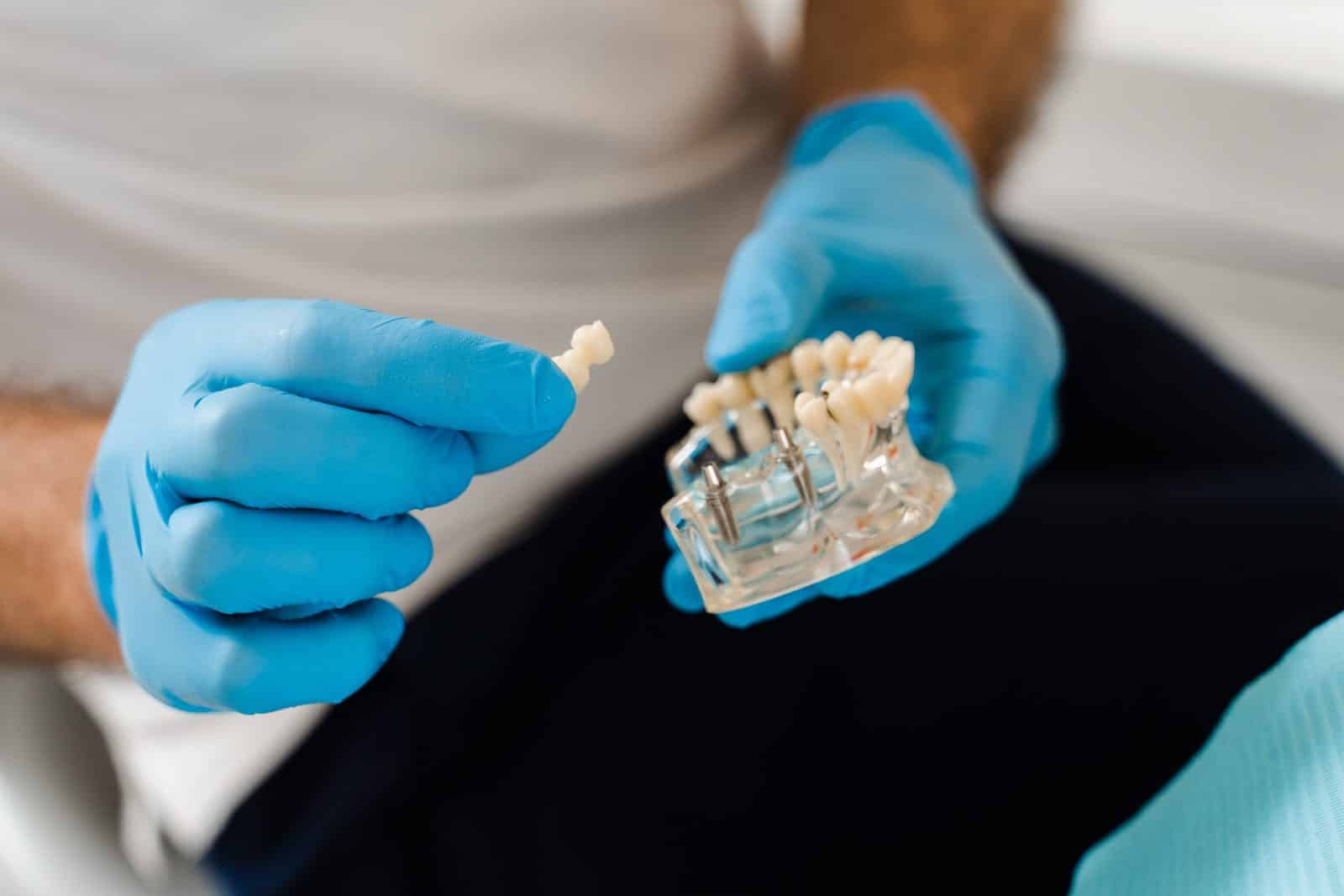
A dental implant is designed to replace the root portion of a missing natural tooth and provide a stable foundation for a replacement tooth.
The implant itself is generally a small screw-shaped post that is surgically positioned within the jawbone. Dental implants are commonly manufactured from titanium or another biocompatible material.
After placement, the implant is given time to integrate with the surrounding jawbone through a biological process known as osseointegration.
Once sufficient healing has occurred, an abutment can be connected to the implant. The abutment acts as the connection between the implant and the final dental restoration.
A dental crown can then be attached to create the visible replacement tooth.
When treatment is successful, an implant-supported tooth is designed to closely resemble the appearance and function of a natural tooth.
What Are the Risks and Complications of Dental Implants?
Dental implant treatment generally has a high reported success rate, often around 90–95%. However, a high success rate does not mean complications are impossible.
Implant failure can occur:
- During the early healing period
- Within the first several months
- After the implant has initially integrated
- Several years after treatment
Whether an implant remains successful depends on several factors involving the patient’s general health, oral health, jawbone, lifestyle, implant placement and ongoing maintenance.
Careful assessment before treatment plays an important role in reducing avoidable complications.
Before proceeding with implant treatment, the dental team may assess factors such as:
- Medical history
- Dental history
- Gum health
- Bone quantity and quality
- Position of nearby nerves and anatomical structures
- Bite and chewing forces
- Proposed restoration
- X-rays and other diagnostic imaging
- Existing dental conditions
Creating an appropriate treatment plan before surgery helps identify potential risks and determine whether dental implants are suitable for the individual patient.
Early Dental Implant Complications
Early implant complications generally occur during the initial healing period, often within the first few months following implant placement.
Several factors may contribute to early implant failure.
Infection Around the Implant Site
Bacteria entering or accumulating around the surgical area can interfere with healing and increase the risk of implant complications.
Factors that may increase the likelihood of infection include:
- Poor oral hygiene
- Smoking
- Existing gum disease
- Certain medical or immune-related conditions
- Failure to follow post-operative instructions
Signs of infection may include increasing pain, swelling, discharge, an unpleasant taste or persistent inflammation around the implant site.
Any suspected infection following implant surgery should be assessed promptly.
Excessive Movement of the Dental Implant
An implant needs sufficient stability during the healing process so that the jawbone can properly integrate with its surface.
Excessive movement during this period may interfere with osseointegration.
In some situations, a temporary or permanent replacement tooth may be attached relatively soon after implant placement. This approach is known as immediate loading.
Immediate loading can be successful in carefully selected patients, but it is not suitable for everyone.
If excessive pressure is placed on an implant before adequate integration has occurred, micromovement may compromise healing and increase the possibility of implant failure.
The appropriate timing for attaching the replacement tooth depends on factors such as bone quality, implant stability, implant location and the patient’s bite.
Failed Osseointegration
Osseointegration is the process through which the surrounding jawbone forms a stable connection with the implant.
If this process does not occur adequately, the implant may fail to become securely anchored.
Signs of unsuccessful osseointegration can include:
- Implant mobility
- Persistent discomfort
- Implant displacement
- Difficulty chewing
- Failure of the implant to stabilise
One potential contributor is insufficient jawbone volume or density.
Before implant placement, the dentist should assess whether adequate healthy bone is available to support the implant.
If there is not enough bone, a bone graft may sometimes be recommended before or during implant treatment.
Bone Grafting
Bone grafting is used to rebuild or increase bone volume in areas where the jawbone may be insufficient for predictable implant placement.
Depending on the clinical situation, grafting material may come from the patient’s own body, donor material, animal-derived material or synthetic sources.
The objective is to encourage new bone formation and create stronger support for the planned dental implant.
Allergic or Sensitivity Reactions
Most dental implants are made from titanium because it is strong, durable and generally well tolerated by the body.
True titanium allergy or hypersensitivity is considered uncommon, but sensitivity reactions may occur in some individuals.
Possible symptoms may include:
- Swelling
- Tingling or unusual sensations
- Irritation
- Changes in taste
Patients with known metal allergies or previous reactions to implanted materials should discuss this with their dental professional before treatment.
Alternative implant materials may be considered when clinically appropriate.
Not Following Post-Operative Instructions
Successful implant healing does not depend solely on the surgery itself.
What happens during the days and weeks following treatment can also influence the outcome.
Patients may be advised to:
- Eat softer foods temporarily
- Avoid disturbing the surgical area
- Maintain appropriate oral hygiene
- Take prescribed medication as instructed
- Avoid smoking
- Limit strenuous physical activity initially
- Attend follow-up appointments
Ignoring post-operative instructions may interfere with healing and increase the risk of infection or other complications.
Late and Long-Term Dental Implant Complications
An implant can initially heal successfully and still develop problems months or years later.
Late complications can involve a gradual reduction in implant stability or deterioration of the tissues supporting the implant.
Factors that may contribute include:
- Poor bone quality or quantity
- Plaque accumulation
- Inadequate oral hygiene
- Gum disease
- Excessive biting forces
- Smoking
- Teeth grinding
- Peri-implant disease
Let’s look more closely at some potential long-term complications.
Nerve or Tissue Damage
Nerve injury is a potential complication when an implant is positioned too close to an important nerve.
The risk can often be reduced through appropriate treatment planning and diagnostic imaging before surgery.
X-rays and, where necessary, three-dimensional imaging can help determine the location of important anatomical structures and assist with planning implant placement.
Symptoms that may suggest nerve involvement include:
- Persistent tingling
- Numbness
- Burning sensations
- Altered sensation
- Pain affecting the gums, lips, chin, tongue or face
Injury involving nerves such as the inferior alveolar nerve can be serious.
Persistent or unusual changes in sensation after implant surgery should be reported to the treating dental professional as soon as possible.
Foreign Body Reaction
Dental implants are designed to be biocompatible, and rejection is uncommon. Nevertheless, the body may occasionally react adversely to an implant or one of its components.
Possible warning signs can include:
- Persistent swelling
- Pain around the implant
- Ongoing inflammation
- Implant mobility
- Other unusual systemic symptoms
These symptoms do not automatically mean the body is rejecting the implant, as several other conditions can produce similar signs. Professional assessment is therefore necessary.
Sinus-Related Complications
Implants replacing teeth in the back of the upper jaw are located relatively close to the maxillary sinuses.
In some patients, there may not be sufficient bone between the mouth and sinus cavity to place an implant safely without additional treatment.
If an implant extends into or adversely affects the sinus, complications such as inflammation or infection may occur.
Potential symptoms can include:
- Sinus pressure or swelling
- Headaches
- Nasal congestion
- Pain resembling toothache
- Fever
- Changes in the sense of smell
Appropriate imaging and careful planning can help minimise sinus-related complications.
Loosening of a Dental Implant
A dental implant should remain stable once it has successfully integrated with the jawbone.
Implant mobility may develop because of:
- Trauma
- Failed osseointegration
- Bone loss
- Infection
- Excessive biting forces
- Peri-implantitis
A loose implant should not be ignored. Early assessment may improve the chances of addressing the underlying problem before additional damage occurs.
Peri-Implant Diseases
Peri-implant diseases are inflammatory conditions affecting the tissues surrounding dental implants.
Two important conditions are peri-implant mucositis and peri-implantitis.
Peri-Implant Mucositis
Peri-implant mucositis involves inflammation of the soft gum tissue surrounding an implant without significant supporting bone loss.
Plaque and bacterial accumulation are common contributors.
Signs can include:
- Redness
- Swelling
- Tenderness
- Bleeding around the implant
If identified and treated early, the condition may often be managed before it progresses.
Peri-Implantitis
Peri-implantitis is a more advanced inflammatory condition involving both the soft tissues and supporting bone surrounding an implant.
It may result in progressive bone loss and, without appropriate management, eventual implant failure.
Risk factors may include:
- Poor oral hygiene
- Smoking
- Previous gum disease
- History of periodontitis
- Inadequate professional maintenance
- Certain systemic health conditions
A history of advanced periodontal disease may increase the risk of developing peri-implant disease.
For this reason, gum health should be assessed and stabilised before dental implant treatment wherever possible.
Maintaining healthy gums and natural teeth after implant placement is also essential for protecting the implant over the long term.
Patient-Related Risk Factors for Dental Implant Failure
Some complications are associated with surgical or treatment factors, while others relate to the patient’s health, habits and oral environment.
Patient-related factors may include:
- Smoking
- Teeth grinding or clenching
- Poor oral hygiene
- Certain medical conditions
- Insufficient jawbone
- Allergic or sensitivity reactions
- Existing gum disease
- Failure to attend maintenance appointments
Smoking
Smoking can interfere with normal blood circulation and tissue healing.
Reduced blood supply around the surgical site may negatively affect bone healing and increase the risk of infection and implant failure.
Patients considering implants should discuss smoking with their dental professional before proceeding with treatment.
Teeth Grinding
Bruxism refers to habitual grinding or clenching of the teeth.
The excessive forces produced by bruxism can place significant pressure on dental implants and their restorations.
Over time, this may contribute to:
- Implant component damage
- Crown damage
- Loosening
- Fracture
- Bone-related complications
Patients who grind their teeth may require additional planning or protective measures.
Poor Oral Hygiene
Dental implants cannot develop tooth decay in the same way as natural teeth, but the gums and bone surrounding implants remain vulnerable to bacterial infection.
Without effective brushing, interdental cleaning and professional maintenance, plaque can accumulate around an implant and contribute to peri-implant disease.
Medical Conditions
Certain medical conditions may affect wound healing, immunity or bone metabolism and therefore influence implant treatment.
For example, poorly controlled diabetes may increase the risk of complications.
A complete medical history should therefore be discussed before implant treatment begins.
Insufficient Jawbone
Dental implants require adequate bone for support.
If bone volume has reduced significantly following tooth loss, gum disease, trauma or another condition, additional treatment such as bone grafting may be necessary.
Bone grafting can help rebuild the treatment area and create a more suitable foundation for implant placement.
Implant-Related Factors
Not every complication is directly related to the patient.
The characteristics, dimensions, location and loading of the implant may also influence treatment outcomes.
Some research has suggested that shorter implants can experience different failure rates compared with longer implants in certain clinical situations.
However, implant success depends on far more than implant length alone.
Important considerations include:
- Bone quality
- Available bone volume
- Implant diameter and length
- Implant position
- Surgical technique
- Bite forces
- Restoration design
- Patient health
- Oral hygiene
- Ongoing professional maintenance
The implant should therefore be selected according to the patient’s individual anatomy and treatment requirements rather than using a one-size-fits-all approach.
What Can Happen After Dental Implant Surgery?
Some discomfort after implant placement is expected and does not necessarily indicate a complication.
During the initial healing period, patients may experience:
- Minor bleeding
- Gum or facial swelling
- Mild to moderate discomfort
- Tenderness around the surgical site
- Bruising
Pain relief may be recommended or prescribed depending on the procedure and individual circumstances.
Patients are commonly advised to eat softer foods for several days while the surgical site begins healing.
Less common complications can include:
- Infection
- Reopening of the surgical incision
- Injury to surrounding teeth
- Blood vessel damage
- Nerve injury
- Implant instability
If symptoms become severe, persist longer than expected or worsen instead of improving, contact your dental professional.
How Do You Know If a Dental Implant Is Failing?
Several symptoms can indicate a potential implant problem.
Signs of Dental Implant Failure
Seek professional assessment if you notice:
- A loose or mobile implant
- Bone loss around the implant
- Receding gums
- Persistent pain or discomfort
- Pain when pressure is placed on the implant
- Difficulty chewing
- Swelling around the implant
- Pus or discharge from the surgical area
- Persistent bleeding
- Increasing inflammation
Not every symptom automatically means an implant has failed, but these signs should not be ignored.
Early diagnosis can sometimes allow the underlying problem to be treated before the implant is lost.
Who Performs Dental Implant Treatment?
Dental implant treatment may involve several dental professionals depending on the complexity of the case.
The team may include:
- Dentists with appropriate implant training and experience
- Oral and maxillofacial surgeons
- Periodontists
- Prosthodontists
- Other appropriately qualified dental professionals
For some patients, one practitioner may coordinate most stages of treatment, while more complicated cases may require a multidisciplinary approach.
The important consideration is that appropriate assessment, treatment planning, surgical placement, restoration and ongoing maintenance are carried out according to the patient’s individual needs.
Reducing the Risk of Dental Implant Complications
Although not every implant complication can be prevented, patients can take several steps to improve the likelihood of a successful outcome.
These include:
- Maintaining excellent oral hygiene
- Attending regular dental examinations
- Having professional dental cleans as recommended
- Avoiding smoking
- Managing gum disease before implant treatment
- Following all post-operative instructions
- Avoiding excessive pressure on a healing implant
- Managing teeth grinding where necessary
- Informing your dental team about medical conditions and medications
- Attending scheduled implant maintenance appointments
- Seeking care promptly if the implant becomes painful or mobile
Long-term implant success requires ongoing care. Dental implants should not be considered a treatment that can simply be placed and forgotten.
Considering Dental Implants? Speak With Dental Nook
If you have a missing tooth or are considering dental implants, the first step is determining whether implant treatment is suitable for your individual circumstances.
At Dental Nook, your teeth, gums, jawbone and overall oral health can be assessed before treatment options are discussed. Proper planning is particularly important because factors such as gum disease, bone availability, smoking, teeth grinding and general health can influence the outcome of dental implant treatment.
If you already have a dental implant and notice persistent pain, swelling, gum recession, discharge or movement around the implant, arrange an assessment rather than waiting for the symptoms to disappear on their own.
For more information about dental implants or to arrange a consultation with Dental Nook, contact our team.
Call Dental Nook on 07 3124 0248.