
Teeth Braces Brisbane: Braces and Teeth Straightening for Adults and Teens
Teeth Braces Brisbane
A straighter smile can make a meaningful difference to your confidence, oral hygiene and overall dental health. At Dental Nook, we provide teeth straightening and orthodontic treatment options for teenagers and adults in Brisbane.
Modern braces can be used to address crowded teeth, gaps, bite problems and a range of alignment concerns. Every smile is different, which is why treatment begins with a detailed dental assessment and a personalised treatment plan based on your teeth, bite and individual goals.
Whether you are considering braces for yourself or exploring treatment for your teenager, the team at Dental Nook can help you understand the available options and what may be suitable for your situation.
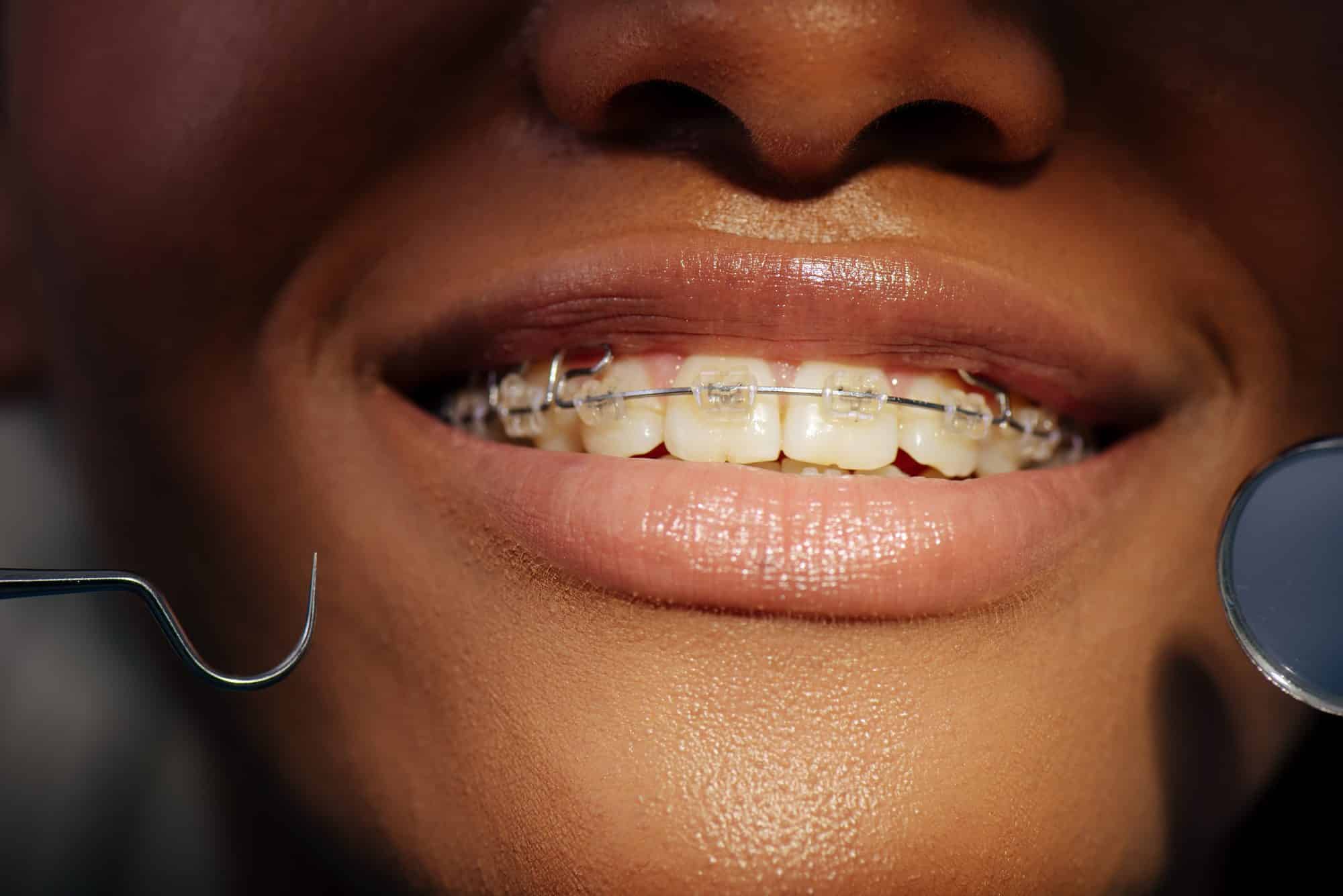
Adult Braces and Orthodontic Treatment in Brisbane
There is no age limit on wanting a healthier, straighter smile.
Although orthodontic treatment is commonly associated with children and teenagers, many adults choose braces to improve tooth alignment, address bite concerns or enhance the appearance of their smile.
Provided your teeth, gums and supporting bone are healthy enough for treatment, braces may be an option even later in life.
For some patients, existing dental or gum problems may need to be treated before orthodontic treatment begins.
Teen Braces in Brisbane
The teenage years are a common time to begin orthodontic treatment because the teeth and jaws are still developing.
Braces may be recommended for teenagers experiencing problems such as:
- Crowded teeth
- Gaps between teeth
- Crooked teeth
- Overbites
- Underbites
- Crossbites
- Problems with jaw or tooth alignment
An assessment at Dental Nook can help determine whether treatment is necessary and which teeth-straightening approach may be appropriate.
What Are Teeth Braces?
Dental braces are orthodontic appliances designed to gradually move teeth into improved positions.
Traditional braces generally consist of brackets attached to the teeth and an orthodontic wire running through them. Controlled pressure is applied over time to encourage the teeth to move gradually.
Depending on the patient’s needs, braces may be used to correct:
- Crowded teeth
- Gapped teeth
- Crooked or rotated teeth
- Overbites
- Underbites
- Certain bite and alignment problems
Treatment time varies significantly between patients. Some cases may be completed relatively quickly, while more complex orthodontic problems can require treatment over several years.
Your Dental Nook clinician will explain the expected treatment duration after assessing your teeth and bite.
How Do Metal Braces Work?
Traditional metal braces remain one of the most established methods of straightening teeth.
Small brackets are bonded to the teeth and connected using an orthodontic wire. During treatment, adjustments are made to gradually guide the teeth towards their planned positions.
Modern metal braces are generally smaller and more comfortable than older orthodontic appliances.
Regular appointments are important throughout treatment so tooth movement can be monitored and adjustments made when necessary.
Braces and Retainers: Keeping Your Teeth Straight
Finishing active orthodontic treatment does not necessarily mean your teeth will permanently remain in their new positions without support.
After braces are removed, retainers are commonly used to help maintain the new tooth alignment.
What Is a Dental Retainer?
A retainer is an orthodontic appliance designed to hold your teeth in their corrected positions after active orthodontic treatment.
Depending on your treatment plan, you may receive a removable or fixed retainer.
Teeth naturally have a tendency to move over time, particularly after orthodontic treatment. Wearing your retainer as instructed is therefore an important part of maintaining your results.
How Should I Use and Care for My Retainer?
Retainers should be handled carefully to help prevent damage and keep them hygienic.
Follow the specific instructions provided by your dental team. General retainer care may include:
- Wearing your retainer for the recommended amount of time
- Cleaning removable retainers regularly
- Using cool or lukewarm water rather than hot water
- Keeping removable retainers in their protective case when they are not being worn
- Keeping retainers away from excessive heat
- Bringing your retainer to dental or orthodontic review appointments
- Contacting Dental Nook if your retainer becomes damaged, uncomfortable or no longer fits correctly
Do not attempt to bend, reshape or adjust a retainer yourself.
How Are Retainers Adjusted?
If your retainer feels uncomfortable, becomes loose or no longer fits properly, arrange an assessment.
Retainers should only be adjusted professionally. Attempting to alter one yourself may damage the appliance or affect your tooth alignment.
Benefits of Straight Teeth and Adult Braces
The appearance of a straighter smile is one reason people consider braces, but orthodontic treatment can provide benefits beyond aesthetics.
Easier Oral Hygiene
Crowded and overlapping teeth can create areas that are difficult to brush and floss effectively.
Improving tooth alignment may make daily cleaning easier and help reduce areas where plaque and food debris can accumulate.
Greater Confidence in Your Smile
Many adults seek orthodontic treatment because they have spent years feeling self-conscious about crooked or crowded teeth.
A straighter smile may help some people feel more comfortable smiling in photographs, social situations and professional environments.
Supporting Healthy Gums
Teeth that are easier to clean can make maintaining healthy gums more manageable.
However, orthodontic treatment itself requires excellent oral hygiene because plaque can accumulate around brackets and wires if they are not cleaned thoroughly.
Preparing for Other Dental Treatment
In certain situations, tooth positioning may need to be improved before restorative dental treatment such as:
Orthodontic treatment may be incorporated into a broader dental treatment plan when appropriate.
Can Straightening Teeth Improve Chewing?
Significant bite or alignment problems can sometimes interfere with efficient chewing.
Orthodontic treatment may improve how the upper and lower teeth meet, helping create a more functional bite in suitable cases.
However, digestive symptoms can have many different causes, so braces should not be considered a treatment for digestive disease itself.
Can Braces Help With Teeth Grinding?
Teeth grinding and clenching, known as bruxism, can have several causes.
Although bite alignment may be relevant in certain patients, braces are not automatically a treatment for bruxism.
If you regularly grind or clench your teeth, Dental Nook can assess your teeth, jaw and bite to determine whether orthodontic treatment or another approach may be appropriate.
Can Braces Help With Jaw Pain or Clicking?
Jaw clicking and temporomandibular joint (TMJ) discomfort can have multiple causes.
Some patients with bite problems may benefit from orthodontic assessment, but braces are not a universal solution for jaw pain.
If you experience ongoing jaw pain, locking, clicking or difficulty opening your mouth, a proper assessment is important before deciding on treatment.
Am I Too Old for Braces?
Not necessarily.
Adults of many ages undergo orthodontic treatment successfully. Age itself is generally less important than the health of your teeth, gums and supporting bone.
Before recommending treatment, Dental Nook will assess factors such as:
- Gum health
- Bone support
- Existing dental restorations
- Missing teeth
- Tooth alignment
- Your bite
- Your overall treatment goals
If gum disease is present, periodontal treatment may be required before orthodontic treatment can begin.
Are Braces Painful?
Modern braces are generally more comfortable than older orthodontic systems, but some temporary discomfort is normal.
After braces are first fitted or adjusted, your teeth may feel tender or sensitive for several days as they respond to the pressure being applied.
The brackets can also initially irritate the cheeks or lips while your mouth becomes accustomed to them.
Most patients find that this discomfort settles as they adapt to their braces.
Adult Braces vs Teen Braces
The underlying principle of moving teeth is similar, but orthodontic treatment for adults and teenagers can differ.
Teenagers are still developing, meaning jaw growth may sometimes be incorporated into treatment planning.
Adult jaws have already finished growing. As a result, certain significant skeletal or jaw alignment problems may require a different treatment approach. In selected complex cases, orthodontic treatment may be combined with jaw surgery after appropriate specialist assessment.
Your treatment plan should therefore be based on your individual anatomy rather than simply your age.
Do Braces Make Your Teeth Loose?
Teeth can sometimes feel slightly mobile during orthodontic treatment.
This occurs because braces gradually move teeth through the supporting bone. The tissues around each tooth remodel as movement takes place.
Some temporary mobility may therefore occur during treatment.
However, significant or unexpected tooth movement should always be assessed. Maintaining healthy gums and attending regular reviews is particularly important while undergoing orthodontic treatment.
Does Private Health Insurance Cover Braces?
Orthodontic benefits vary considerably between Australian private health insurance policies.
Your level of cover may depend on:
- Your insurer
- Your particular policy
- Waiting periods
- Annual limits
- Lifetime orthodontic limits
- Whether orthodontics is included in your extras cover
Before beginning treatment, check directly with your health fund to understand your individual entitlements and any applicable limits.
Dental Nook can provide treatment information and cost estimates that may assist when checking your available benefits.
How Much Do Teeth Braces Cost in Brisbane?
There is no single price for braces because orthodontic treatment varies considerably from one patient to another.
The overall cost can depend on factors including:
- The complexity of tooth movement required
- The type of braces or orthodontic appliance used
- Expected treatment duration
- The number of appointments required
- Whether additional dental treatment is necessary
- Your individual treatment goals
Following an assessment, Dental Nook can provide you with a personalised treatment plan and explain the associated fees before treatment begins.
Using Superannuation to Pay for Orthodontic Treatment
Some Australian patients investigate whether they may be eligible to access superannuation early under the ATO’s Compassionate Release of Superannuation provisions to help fund eligible dental treatment.
Early release of superannuation is not automatically available simply because someone wants braces or cosmetic teeth straightening.
Eligibility is determined under the ATO’s compassionate-release requirements and depends on the individual’s circumstances and the nature of the treatment.
Where orthodontic treatment forms part of managing a qualifying dental or functional problem, you may wish to investigate whether your circumstances meet the applicable criteria.
Patients considering this pathway should review the current ATO requirements and obtain appropriate financial or professional advice before accessing retirement savings.
Where supporting dental documentation is appropriate, Dental Nook can discuss what clinical information may be available as part of your treatment assessment.
Do I Need Braces?
You may benefit from an orthodontic assessment if you are concerned about:
- Crooked teeth
- Crowded teeth
- Gaps between teeth
- An overbite or underbite
- Difficulty cleaning overlapping teeth
- Bite alignment
- Teeth that have shifted over time
- The appearance of your smile
The only reliable way to determine whether braces are appropriate is through a professional assessment.
Start Your Teeth-Straightening Journey With Dental Nook
If you have been thinking about straightening your teeth, the first step is understanding what is happening with your teeth and bite.
At Dental Nook, we can assess your smile, discuss your concerns and explain the teeth-straightening options that may be appropriate for you.
Whether you are exploring braces for yourself or looking into orthodontic treatment for your teenager, your treatment plan should be tailored to your individual dental health, alignment and goals.
Contact Dental Nook to arrange a teeth-straightening consultation and discover your options for a healthier, straighter smile.