
Sedation Dentistry: Comfortable Dental Care for Nervous Patients
Sedation Dentistry
Dental anxiety is far more common than many people realise. For some patients, even thinking about sitting in a dental chair can trigger nervousness, fear or panic. In more severe cases, people may tolerate a painful toothache for days or weeks simply because the thought of having dental treatment feels overwhelming.
Avoiding the dentist, however, can allow relatively simple dental problems to become much more complicated.
At Dental Nook, sedation dentistry can help suitable patients feel calmer and more comfortable during dental treatment. Different sedation options are available depending on the patient’s age, health, level of anxiety and the type of dental procedure required.
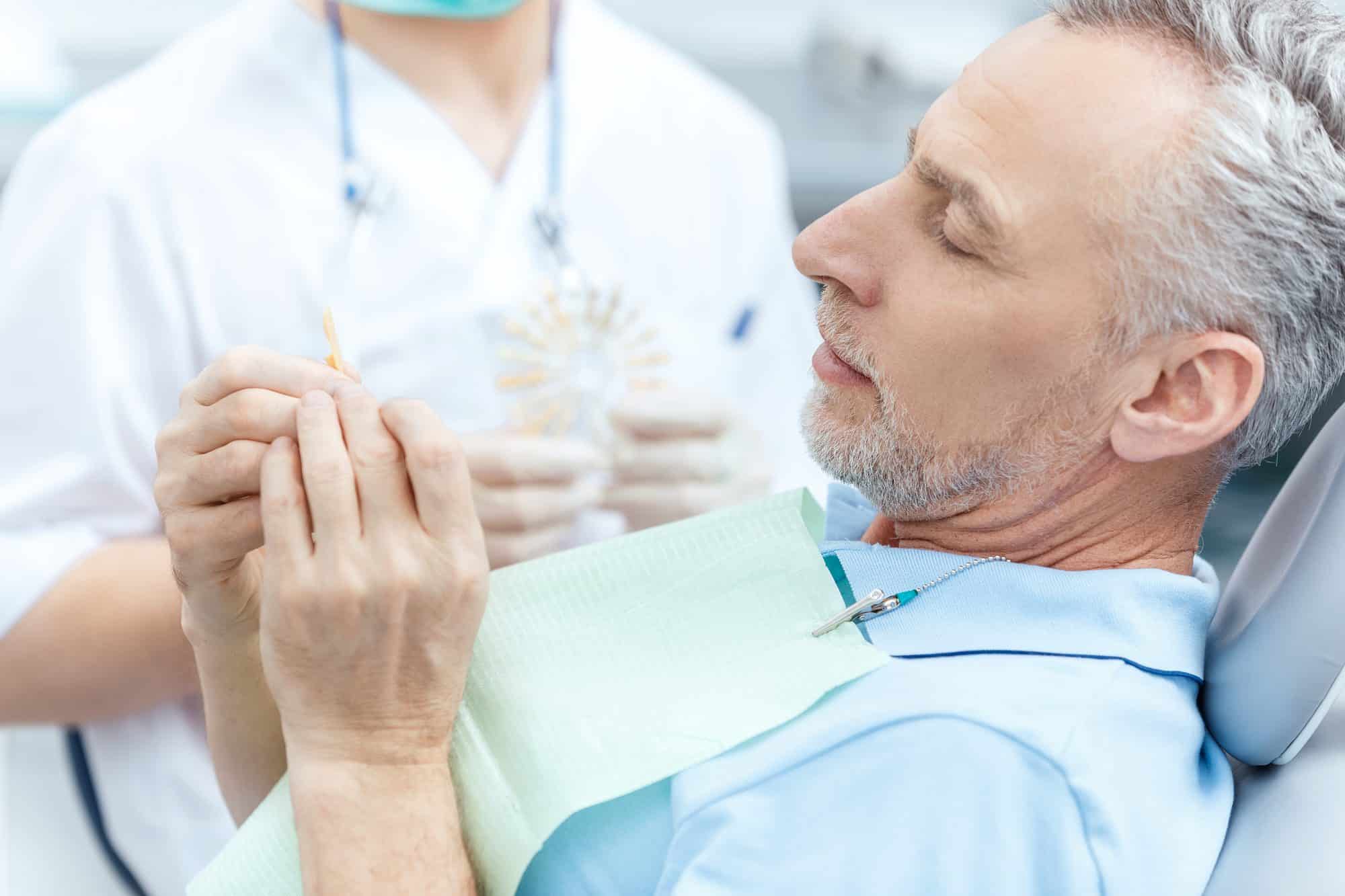
Why Am I So Afraid of the Dentist?
Dental anxiety can develop for many different reasons. Some people have experienced an uncomfortable or frightening dental appointment in the past, while others dislike needles, dental instruments, unfamiliar sounds or the feeling of not being in control.
For some patients, the fear is mild. For others, it can become severe enough to prevent them from attending dental appointments altogether.
Understanding that dental anxiety is real is the first step towards managing it. Modern dentistry offers several techniques to make treatment more comfortable, including sedation options for appropriate patients.
Aggressive Behaviour Can Sometimes Be a Sign of Dental Anxiety
Dental anxiety does not always look like fear.
Some extremely nervous patients may become defensive, frustrated, irritated or even aggressive when faced with dental treatment. This behaviour can sometimes be a way of masking anxiety or attempting to regain a sense of control.
Recognising the underlying fear allows the dental team to approach treatment with greater patience and develop a strategy designed to help the patient feel more secure.
Avoiding Dental Appointments May Be a Sign of Dental Anxiety
Repeatedly cancelling appointments, delaying treatment or only visiting a dentist once pain becomes unbearable may indicate dental anxiety.
Unfortunately, avoidance often creates a cycle.
A small dental problem may become larger while treatment is delayed. When the patient eventually attends, more extensive treatment may be required, reinforcing their fear of dentistry.
Addressing dental anxiety early can help break this cycle.
The Consequences of Delaying Dental Treatment
Putting off necessary dental treatment can have serious consequences for your oral health.
Many dental problems are considerably easier to manage when identified early. Delaying treatment may allow decay, infection or gum disease to progress.
Depending on the condition, untreated dental problems can potentially lead to:
- Increasing tooth pain
- Dental infections
- Gum disease
- Tooth loss
- More complicated restorative treatment
- Root canal treatment
- Tooth extraction
- Oral surgery
If anxiety is preventing you from receiving necessary dental care, sedation dentistry may be worth discussing with your dental team.
What Is Sedation Dentistry?
Sedation dentistry involves using medication to help patients feel calmer and more relaxed while receiving dental treatment.
It can be particularly helpful for people who experience significant dental anxiety, have difficulty remaining still, have a strong gag reflex or require lengthy dental procedures.
Sedation does not always mean being completely unconscious. There are several levels of sedation ranging from mild relaxation while remaining fully awake through to general anaesthesia, where the patient is unconscious.
The appropriate option depends on the patient’s individual circumstances and the treatment being performed.
Different Levels of Dental Sedation
Minimal Sedation
With minimal sedation, you remain awake and conscious throughout your dental procedure.
You can communicate normally and respond to instructions, but you should feel considerably calmer and more relaxed.
Depending on individual circumstances, minimal sedation may be suitable for both adults and children.
Moderate Sedation
Moderate sedation creates a deeper level of relaxation.
You may become sleepy or drowsy but can generally still respond when required. Some patients remember very little about their procedure afterwards.
This level of sedation may be considered for patients experiencing more significant dental anxiety or undergoing certain procedures.
Deep Sedation
Deep sedation places the patient in a state where they are very sleepy and may have limited awareness of the procedure.
Patients receiving deeper levels of sedation require appropriate monitoring throughout treatment.
The suitability of deep sedation depends on the patient’s medical history, treatment requirements and other clinical considerations.
Types of Sedation Dentistry
Sedation options may include:
- Happy gas
- Oral sedation
- IV sedation
- Deep sedation
- General anaesthesia
Each option provides a different level of relaxation and requires different preparation and monitoring.
Happy Gas
Happy gas, also known as nitrous oxide, is commonly used to help nervous patients relax during dental procedures.
The gas is inhaled through a small mask placed over the nose. The concentration can be adjusted during treatment according to the patient’s needs.
Patients generally remain conscious and aware of their surroundings but feel calmer and more relaxed.
One advantage of happy gas is that its effects usually wear off relatively quickly once administration stops.
It may be suitable for both adults and children depending on their individual circumstances.
Oral Sedation
Oral sedation involves taking prescribed medication before dental treatment to reduce anxiety and create a deeper feeling of relaxation.
Patients generally remain conscious but may feel considerably drowsy. Depending on the medication and dosage, some people remember very little about their dental procedure afterwards.
Because sedative medications can continue affecting coordination and judgement after treatment, patients may require someone to accompany them home and should carefully follow all post-treatment instructions.
The medication and dosage must always be selected by an appropriately qualified healthcare professional based on the patient’s health and treatment requirements.
IV Sedation
IV sedation involves administering sedative medication directly into a vein.
Because the medication enters the bloodstream directly, its effects can be carefully controlled during treatment.
Patients usually become deeply relaxed and sleepy while remaining responsive to appropriate stimulation. Many patients remember little or nothing about the procedure afterwards.
During IV sedation, appropriate monitoring may include:
- Heart rate
- Blood pressure
- Breathing
- Oxygen saturation
- Other vital signs
IV sedation may be considered for patients with significant dental anxiety, strong gag reflexes, complex treatment needs or lengthy procedures.
Suitability must be assessed individually.
Sedation Dentistry for Children
Children can also experience significant dental anxiety.
For a young child, an unfamiliar dental environment can feel intimidating. New sounds, smells, instruments and unfamiliar people can make some children reluctant or unable to cooperate with treatment.
However, delaying necessary dental care can allow dental problems to become worse.
For suitable children, sedation may help make dental treatment calmer and more manageable.
The most appropriate approach depends on factors including:
- The child’s age
- Medical history
- Overall health
- Anxiety level
- Ability to cooperate
- Treatment complexity
- Expected treatment duration
Sedation should always be selected based on the individual child rather than using a one-size-fits-all approach.
What Is the Safest Form of Sedation for Children?
There is no single sedation method that is automatically the safest choice for every child. Safety depends on the child’s medical history, age, treatment requirements, sedation level and the professionals administering and monitoring it.
For many suitable children requiring mild sedation, nitrous oxide or happy gas may be considered because it is minimally invasive and its effects usually wear off quickly.
Children remain conscious and can generally communicate while feeling calmer and slightly drowsy.
Possible temporary effects can include nausea, dizziness or vomiting, although these do not occur in every child.
Parents should carefully follow all instructions regarding food and drink before treatment.
Happy Gas for Children
Happy gas can help children feel relaxed without necessarily putting them to sleep.
A small mask is placed over the child’s nose so they can breathe the gas normally.
The child generally remains conscious and able to respond to instructions. Once treatment is finished, oxygen may be administered and the effects of the gas usually diminish relatively quickly.
Depending on the circumstances and dental practice protocols, a parent or caregiver may be able to remain nearby to reassure the child.
Oral Sedation for Children
In some situations, oral sedative medication may be considered for children who are particularly anxious about dental treatment.
The medication is usually given before treatment and is intended to make the child calmer and drowsier.
The child may still be able to follow instructions but might remember little about the procedure afterwards.
Parents must carefully follow instructions regarding eating, drinking and medication before treatment.
Oral sedation is not suitable for every child and must only be used following an appropriate professional assessment.
IV Sedation for Children
IV sedation provides a deeper level of relaxation by administering medication intravenously.
It may occasionally be considered for particular patients depending on their age, health, anxiety, special needs and treatment requirements.
Appropriate monitoring is essential. This can include monitoring:
- Heart rate
- Heart rhythm
- Breathing
- Blood pressure
- Oxygen levels
Children who have a strong gag reflex, significant anxiety or certain special needs may sometimes benefit from deeper sedation when clinically appropriate.
However, IV and oral sedation are not commonly used for children in Australia, and suitability must be assessed carefully.
General Anaesthesia for Children's Dental Treatment
General anaesthesia is different from conscious sedation.
Under general anaesthesia, a child is fully unconscious and unaware of the dental procedure.
General anaesthesia is typically administered in an appropriately equipped hospital or accredited facility by qualified anaesthesia professionals.
Throughout the procedure, the child’s vital functions are carefully monitored, including:
- Breathing
- Heart rate
- Blood pressure
- Oxygen levels
- Body temperature
General anaesthesia may be considered when extensive dental treatment is required and conventional treatment or lighter sedation is unsuitable.
It may also be considered for some children with severe dental anxiety, behavioural challenges, certain disabilities or special healthcare needs.
Parents should have an opportunity to discuss the benefits, limitations and potential risks before consenting to treatment.
Important Precautions Before Anaesthesia
Before your child receives sedation or general anaesthesia, make sure the treating healthcare professionals know about their complete medical history.
Tell them if your child:
- Takes prescription or non-prescription medication
- Has asthma or other breathing problems
- Has sleep apnoea
- Has heart problems
- Has blood pressure problems
- Has a seizure disorder
- Has known food or medication allergies
- Has previously experienced problems with anaesthesia or sedation
- Has any other significant medical condition
Providing accurate medical information is essential for treatment planning and patient safety.
What Are the Risks of General Anaesthesia?
General anaesthesia is routinely used in healthcare, but like any medical procedure, it carries potential risks and side effects.
Temporary effects following general anaesthesia can include:
- Sore throat
- Nausea
- Vomiting
- Chills
- Headache
- Dry mouth
- Dizziness
- Drowsiness
- Temporary confusion
Certain medical conditions can increase anaesthetic risk. For example, patients with sleep apnoea or significant respiratory conditions may require additional assessment and precautions.
The potential benefits and risks should therefore be assessed individually before treatment.
Do Dentists Use General Anaesthesia?
General anaesthesia is generally reserved for situations where it is clinically appropriate rather than being used routinely for ordinary dental treatment.
It may be considered for:
- Severe dental anxiety
- Complex oral surgery
- Extensive dental treatment
- Certain wisdom tooth extractions
- Patients who cannot tolerate treatment while conscious
- Some patients with disabilities or special healthcare needs
- Young children requiring extensive dental treatment
When general anaesthesia is required, it must be administered and monitored by appropriately qualified professionals in a suitable clinical environment.
Preparing Your Child for Dental Anaesthesia
Your dental and anaesthesia team should provide specific instructions before the procedure.
These instructions may include restrictions on food and drink.
It is extremely important to follow fasting instructions exactly. Failure to do so may mean treatment needs to be postponed because eating or drinking too close to anaesthesia can create serious safety risks.
Parents may also be required to complete medical questionnaires and consent documentation.
After treatment, some children may wake feeling confused, emotional or irritable. Bringing a familiar comfort item may help reassure them during recovery.
Always follow the discharge and recovery instructions provided by the treating team.
Is It Safe to Sedate a Child for Dental Work?
Sedation can be safely used for appropriately selected children when the correct medication, monitoring, equipment and trained healthcare professionals are involved.
However, every sedation method carries considerations and potential risks.
Mild options such as happy gas may be sufficient for some children, while deeper sedation or general anaesthesia may be considered when extensive treatment is necessary or a child cannot safely cooperate with conventional dental care.
A child’s medical history and individual circumstances must always be assessed before choosing sedation.
Is General Anaesthesia Safe for Toddlers?
General anaesthesia may sometimes be necessary for very young children who require dental treatment that cannot reasonably be delayed or completed safely while they are awake.
However, the decision should not be taken lightly.
The expected benefits of completing the necessary dental treatment must be weighed against the potential risks associated with anaesthesia and the procedure itself.
Parents should discuss these considerations with the dental and anaesthesia teams before making a decision.
General Anaesthesia Safety in Dentistry
General anaesthesia allows a patient to remain unconscious while complicated or extensive treatment is completed.
It can make treatment possible for patients who otherwise cannot tolerate the procedure because of severe anxiety, age, special needs or treatment complexity.
General anaesthesia may be used in appropriate circumstances for procedures such as:
- Complex tooth extractions
- Wisdom tooth removal
- Oral surgery
- Certain dental implant procedures
- Extensive restorative dental treatment
General anaesthesia is not the same as local anaesthesia.
Local anaesthesia numbs a specific treatment area while the patient remains conscious. General anaesthesia affects consciousness and therefore requires substantially greater monitoring and preparation.
Common Effects After General Anaesthesia
After general anaesthesia, some patients may temporarily experience:
- Sore throat
- Headache
- Dry mouth
- Nausea
- Dizziness
- Drowsiness
- Temporary numbness associated with local anaesthetic used during the procedure
Recovery varies between individuals, so follow the instructions provided by your healthcare team.
Can Teeth Be Removed Under General Anaesthesia?
Yes, tooth extraction can be performed under general anaesthesia when clinically appropriate.
However, many straightforward tooth extractions can be comfortably completed using local anaesthesia.
General anaesthesia may be considered for more complex extractions, multiple procedures, significant dental anxiety or patients who cannot tolerate conventional treatment.
Even when general anaesthesia is used, local anaesthetic may also be administered around the treatment area to help manage discomfort after the procedure.
For young children who struggle to cope with dental treatment, options such as happy gas, other forms of sedation or general anaesthesia may be discussed depending on their individual circumstances.
What About Local Anaesthesia for Dental Treatment?
Local anaesthesia is one of the most commonly used methods of pain control in dentistry.
It temporarily numbs a specific area of the mouth while allowing the patient to remain completely conscious.
It may be used for procedures such as:
- Fillings
- Tooth extractions
- Root canal treatment
- Gum treatment
- Restorative procedures
- Minor oral surgery
Topical anaesthetic may sometimes be applied before an injection to reduce discomfort at the injection site.
Conscious sedation can also be combined with local anaesthesia when appropriate.
General anaesthesia is usually reserved for patients or procedures where lighter approaches are unsuitable.
Is Dental Anaesthesia Painful?
Receiving local anaesthetic may cause a brief sting or pressure, but the purpose of anaesthesia is to make the dental procedure itself significantly more comfortable.
Modern techniques are designed to minimise injection discomfort.
The speed of administration, injection technique, location and condition of the surrounding tissue can all influence how an injection feels.
After local anaesthesia, numbness may continue for several hours.
Until normal sensation returns, take care when eating or drinking because accidentally biting your cheek, lip or tongue is possible.
Important Tips Before and After Dental Anaesthesia
Follow the instructions given specifically for your procedure, as requirements differ depending on the type of sedation or anaesthesia being used.
Important considerations can include:
- Follow all fasting instructions exactly when sedation or general anaesthesia is planned.
- Tell your dental team if you are pregnant or think you may be pregnant.
- Provide a complete list of medications and medical conditions.
- Arrange for a responsible adult to accompany you when required.
- Do not drive after sedation or general anaesthesia until you have been medically cleared and the recommended recovery period has passed.
- Closely supervise children following sedation or anaesthesia.
- Avoid chewing on numb areas until normal sensation returns.
- Contact the treating healthcare provider if unexpected or concerning symptoms develop.
Making Dental Treatment More Comfortable at Dental Nook
Fear should not have to stand between you and necessary dental care.
At Dental Nook, we understand that some patients need more than reassurance to feel comfortable during treatment. Depending on your individual needs, health and planned procedure, suitable sedation options can be discussed as part of your treatment plan.
The aim is not simply to complete a dental procedure. It is to make necessary dental care feel safer, calmer and more manageable, particularly for people who have previously avoided treatment because of anxiety.
If dental fear has been keeping you away from the dentist, speak with the Dental Nook team about your concerns and the options that may be available to you.
Dental Nook
Phone: 07 3124 0248
*Sedation and anaesthesia are not suitable for every patient. Eligibility depends on medical history, treatment requirements and individual clinical assessment. Specific sedation and anaesthesia services may require appropriately qualified medical or dental professionals and suitable facilities.*