
Wisdom Tooth Removal in Brisbane at Dental Nook
Wisdom Tooth Removal in Brisbane at Dental Nook
Wisdom tooth removal costs can vary considerably depending on the position of the tooth, whether it has fully erupted, and whether a simple or surgical extraction is required.
As a general guide, wisdom tooth extraction may cost approximately $315 to $650 per tooth for the extraction itself, excluding consultation, diagnostic imaging and sedation. When consultation and an OPG X-ray are included, removing a single straightforward wisdom tooth under local anaesthetic may total approximately $520, while a more complicated surgical extraction may cost approximately $800 to $1,050.
Removing all four wisdom teeth during one appointment under local anaesthetic may cost approximately $1,465 to $2,935, depending on the complexity of each tooth.
These figures are indicative only. Your actual treatment requirements and costs can only be determined after your wisdom teeth have been examined and the appropriate X-rays have been reviewed.
At Dental Nook, our dental team can assess troublesome wisdom teeth, explain whether removal is recommended and discuss the anaesthetic or sedation options appropriate for your individual situation.
Depending on your needs and clinical suitability, wisdom tooth treatment may involve local anaesthetic, nitrous oxide sedation, IV sedation or referral for treatment under general anaesthesia.
Diagnostic imaging, including panoramic OPG X-rays and, where clinically necessary, CBCT 3D imaging, can help determine the position of wisdom teeth and their relationship to important structures such as the inferior alveolar nerve.
Book an appointment with Dental Nook or call 07 3124 0248.
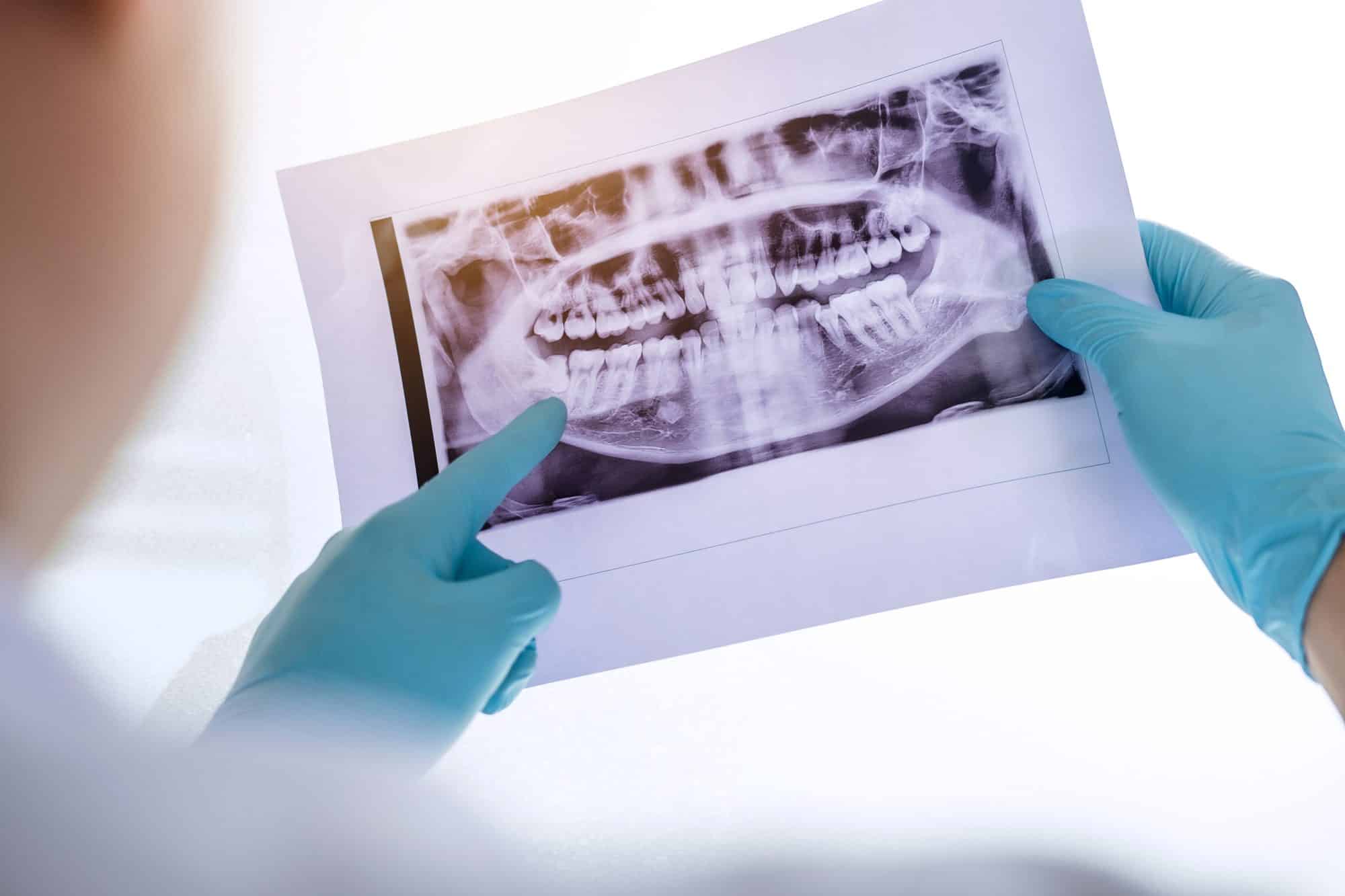
Wisdom Tooth Removal at Dental Nook
Our approach to wisdom tooth assessment may include:
- Wisdom tooth consultations and assessments
- Diagnostic dental imaging where clinically required
- Assessment of simple and impacted wisdom teeth
- Local anaesthetic and appropriate sedation options
- Personalised treatment planning
- Clear discussion of expected costs before treatment
The extraction fee itself can vary considerably depending on whether the tooth is fully erupted, partially erupted or impacted.
Tooth Extraction in Brisbane
Wisdom teeth can be unpredictable. Some erupt normally and never cause trouble, while others become trapped beneath the gum or jawbone and eventually cause pain, infection or damage to neighbouring teeth.
If you have been counting the hours until your next painkiller or repeatedly telling yourself that you will call the dentist tomorrow, it may be time to have the tooth properly assessed.
If wisdom tooth pain has become severe or pain relief is no longer helping, contact Dental Nook on 07 3124 0248.
Dental imaging allows your dentist to assess the position of the wisdom tooth, determine what may be causing your symptoms and explain the available treatment options.
When Do Wisdom Teeth Need Removing?
Wisdom teeth, also known as third molars, commonly begin erupting between approximately 17 and 25 years of age.
However, simply having wisdom teeth does not mean they automatically need to be removed.
Extraction is generally considered when a wisdom tooth:
- Causes ongoing pain or pressure
- Does not have enough room to erupt correctly
- Becomes repeatedly infected
- Is difficult to clean
- Is damaging or threatening a neighbouring tooth
- Develops decay
- Causes gum inflammation
- Becomes impacted beneath the gum or bone
Your dentist will usually examine the area and review an OPG panoramic X-ray. In some situations, a CBCT 3D scan may also be recommended, particularly when the roots of a lower wisdom tooth appear close to the inferior alveolar nerve.
Your dentist can then explain whether removal, monitoring or another treatment approach is appropriate.
Common Signs a Wisdom Tooth May Need Removing
Possible warning signs include:
- Pain or pressure towards the back of the mouth
- Pain around the lower jaw
- Red, swollen or tender gums around a partially erupted tooth
- Recurrent pericoronitis
- Difficulty opening your mouth
- Discomfort when swallowing
- Difficulty chewing on the affected side
- Persistent bad breath
- An unpleasant taste around the tooth
- Food repeatedly becoming trapped behind the second molar
- Repeated gum infections
- Damage to the neighbouring molar
How the wisdom tooth has erupted also influences how it may need to be removed.
A wisdom tooth that has completely erupted into a relatively normal position may be removed using a simple extraction.
A partially erupted tooth may require a surgical approach.
A fully impacted tooth buried beneath gum and bone may require a small amount of bone removal and the tooth may need to be divided into sections before removal.
Lower wisdom teeth are commonly more complicated because of the density of the lower jaw and their potential proximity to important nerves.
If you develop severe pain, facial swelling, fever or increasing difficulty swallowing, seek prompt dental assessment.
Call Dental Nook on 07 3124 0248.
Not Sure Whether Your Wisdom Tooth Actually Needs Removing?
An examination is the sensible starting point.
Your dentist can assess your wisdom teeth, determine what diagnostic imaging is necessary and show you what is happening on your X-ray.
You can then discuss:
- Whether extraction is actually necessary
- Which teeth may need treatment
- Whether removal is simple or surgical
- Potential risks
- Sedation choices
- Expected recovery
- Estimated treatment costs
You should have the opportunity to understand your options before deciding whether to proceed.
Impacted Wisdom Teeth Can Damage Neighbouring Teeth
Wisdom teeth do not always make particularly good neighbours.
When an impacted wisdom tooth becomes angled towards the second molar, it can create a difficult-to-clean area between the two teeth.
Food, plaque and bacteria may accumulate in this space, potentially resulting in:
- Decay on the back surface of the second molar
- Gum inflammation
- Recurrent infection
- Periodontal problems
- Damage to the adjacent tooth
- In uncommon situations, resorption of the neighbouring tooth’s root
The frustrating part is that some of this damage can develop without significant pain.
That is one reason diagnostic X-rays can be useful when evaluating impacted wisdom teeth.
How Wisdom Tooth Removal Works
The exact procedure depends on the position and complexity of the tooth.
A straightforward extraction may take approximately 15 to 30 minutes per tooth, while a surgical extraction involving bone removal or tooth sectioning may take approximately 30 to 60 minutes per tooth.
In appropriate cases, multiple wisdom teeth may be removed during the same appointment.
Here’s what generally happens.
1. Examination and Imaging
Your dentist examines your mouth and reviews the appropriate dental X-rays.
An OPG panoramic X-ray can show:
- The position of each wisdom tooth
- Root development
- The angle of impaction
- The surrounding jawbone
- Nearby teeth
- The relationship between lower wisdom tooth roots and the inferior alveolar nerve
If the panoramic image suggests that the roots are particularly close to the nerve, a CBCT scan may be recommended to provide a three-dimensional view.
2. Discussing Anaesthetic and Sedation
Your dentist will discuss the anaesthetic or sedation options appropriate for your procedure.
These may include:
- Local anaesthetic
- Nitrous oxide or happy gas
- IV sedation
- General anaesthesia in an appropriate hospital setting
Suitability depends on the complexity of treatment, your medical history, anxiety level and individual preferences.
The benefits, costs and potential risks should be explained before treatment.
3. Administering Anaesthesia
Local anaesthetic is used to numb the tooth and surrounding tissues.
During the extraction, you may notice pressure and movement, but the aim is that you should not experience sharp pain.
If sedation forms part of your treatment plan, it is administered according to the agreed treatment pathway.
4. Removing the Tooth
For a simple extraction, the dentist carefully loosens the fully erupted wisdom tooth before removing it.
For a surgical extraction, a small opening may be made in the gum.
If necessary, a small amount of surrounding bone can be removed and the tooth may be divided into smaller sections. Removing the tooth in sections can allow the dentist to extract it using less force.
Impacted lower wisdom teeth commonly require this approach.
5. Closing the Extraction Site
Once the tooth has been removed, the socket is cleaned.
Dissolvable stitches may be placed where necessary. These commonly dissolve naturally over approximately 7 to 14 days.
6. Recovery Instructions
Before leaving, you should receive instructions explaining:
- Pain management
- Swelling management
- What you can eat
- How to clean your mouth
- Activities to avoid
- Warning signs of complications
- When to contact the dentist
Many people can return to normal daily activities within approximately 2 to 5 days, although healing beneath the gum continues for several weeks.
Anaesthetic and Sedation Options for Wisdom Tooth Removal
Different patients have different comfort requirements.
Some people are perfectly comfortable having their wisdom teeth removed under local anaesthetic. Others have significant dental anxiety or require a more complicated procedure and prefer sedation.
The most appropriate option should be determined after your dentist reviews your treatment requirements and medical history.
1. Local Anaesthetic
Local anaesthetic is the standard numbing injection used throughout dentistry.
You remain awake throughout treatment.
The area surrounding the wisdom tooth becomes numb so that you should not feel sharp pain during the extraction, although pressure and movement may still be noticeable.
Local anaesthetic is commonly appropriate for straightforward extractions and many surgical extractions.
2. Happy Gas — Nitrous Oxide
Nitrous oxide can help reduce anxiety while allowing you to remain conscious and responsive.
You breathe a mixture of nitrous oxide and oxygen through a small nosepiece.
Many patients describe feeling calmer, lighter or more relaxed.
One advantage is that the effects generally wear off relatively quickly once administration stops.
Your dentist will determine whether nitrous oxide is appropriate for your treatment.
3. IV Sedation
IV sedation, sometimes referred to as twilight sedation or sleep dentistry, involves sedative medication being administered intravenously.
Patients generally become deeply relaxed and sleepy, and many remember little about the procedure afterwards.
Appropriate monitoring is required throughout treatment.
IV sedation involves additional costs and specific pre- and post-treatment instructions, so suitability and fees should be discussed before booking.
4. General Anaesthesia
For particularly complicated cases or patients requiring deeper anaesthesia, wisdom tooth extraction may sometimes be performed under general anaesthesia in an appropriate hospital environment.
You are completely unconscious during treatment.
General anaesthesia generally involves additional hospital and anaesthetist costs beyond the dental treatment itself.
Your dentist can explain whether this option is appropriate and what referrals or arrangements may be required.
Wisdom Tooth Removal Cost in Brisbane
Wisdom tooth extraction fees vary according to complexity.
As a broad guide, the extraction itself may cost approximately:
| Extraction type | Approximate cost |
|---|---|
| Simple extraction | $300–$340 |
| Sectional removal | Around $352 |
| Surgical extraction without significant bone removal | $350–$500 |
| Surgical extraction involving bone removal/tooth division | $550–$650 |
These figures exclude consultation, X-rays and sedation and should be treated as general estimates rather than a Dental Nook treatment quote.
Your dentist must examine your wisdom teeth before an accurate fee can be provided.
Examination and X-Ray Costs
Before wisdom tooth removal, diagnostic imaging is normally required to determine the position and complexity of the tooth.
Indicative figures from the source material include:
- Consultation: approximately $85
- OPG panoramic X-ray: approximately $120
- Small intraoral X-ray: approximately $60 per image
- CBCT 3D scan: approximately $250 when clinically necessary
Because Dental Nook’s current fees may differ, please confirm the applicable cost when booking.
Call 07 3124 0248 for current information.
Sedation Costs
Sedation can substantially change the overall cost of wisdom tooth treatment.
Indicative figures may include:
- Local anaesthetic: generally incorporated into the extraction treatment
- Happy gas: additional fee depending on treatment duration
- IV sedation: additional dental sedation and anaesthetist fees may apply
- General anaesthesia: dental, anaesthetist and hospital fees may apply separately
Your exact costs depend on the sedation method, treatment duration, complexity and provider arrangements.
Ask Dental Nook for an itemised treatment estimate before proceeding.
Estimated Cost of Removing All Four Wisdom Teeth
Using the indicative figures supplied in the original material, treatment may broadly fall within the following ranges:
- Four wisdom teeth under local anaesthetic: approximately $1,465–2,935
- Four wisdom teeth with nitrous oxide: approximately $2,160–3,290
- Four wisdom teeth with IV sedation: approximately $3,700–5,050
- Four wisdom teeth under hospital general anaesthesia: approximately $4,500–6,500+
A single straightforward wisdom tooth under local anaesthetic may total around $520, while a complicated surgical extraction may reach approximately 800–1,050 once assessment and imaging are considered.
Again, these are indicative ranges only and should not be presented as guaranteed Dental Nook pricing.
Health Fund Rebates and Payment Options
Private health insurance may contribute towards eligible wisdom tooth treatment depending on your policy, annual limits and level of extras cover.
The rebate varies significantly between funds and policies.
Before treatment, it is worth checking:
- Your remaining dental benefit
- Whether surgical extractions are covered
- Applicable waiting periods
- Annual limits
- Your expected gap payment
- Whether sedation has separate coverage
Ask the Dental Nook team about the currently available payment methods and health fund claiming options when arranging your appointment.
Using Superannuation to Pay for Wisdom Tooth Removal
In certain circumstances, eligible Australians may apply to the ATO for Compassionate Release of Superannuation to help fund necessary dental treatment.
Eligibility is determined by the ATO rather than the dental clinic.
Wisdom tooth treatment may potentially qualify when dental problems are causing circumstances such as:
- Severe ongoing pain
- Recurrent infections
- Difficulty eating
- Significant loss of function
- Damage to surrounding teeth
If you are considering this option, speak with the Dental Nook team about the clinical documentation that may be required and obtain independent information about the application process.
Recovery and Aftercare
Many patients return to normal activities within approximately 2 to 5 days following wisdom tooth removal.
However, recovery varies considerably.
A straightforward extraction of a fully erupted tooth generally involves less recovery than surgical removal of a deeply impacted lower wisdom tooth.
The extraction socket also continues healing underneath the gum for several weeks.
Your dentist will provide instructions specific to your procedure.
First 24 Hours
Some swelling, minor bleeding and discomfort are expected after wisdom tooth extraction.
During the first day:
- Bite gently on the gauze provided for approximately 30 minutes or as instructed.
- If bleeding continues, replace it with fresh gauze and apply gentle pressure.
- Apply an ice pack externally for around 20 minutes at a time.
- Rest and avoid strenuous physical activity.
- Choose soft foods.
- Keep yourself hydrated.
- Avoid alcohol.
- Avoid very hot food and beverages.
- Do not smoke.
- Do not spit forcefully.
- Do not drink through a straw.
- Avoid vigorous mouth rinsing.
- Do not aggressively brush around the extraction socket.
A stable blood clot is an important part of healing, so protecting it during the first day matters.
Days 2–5
Swelling often reaches its maximum around the second or third day before gradually improving.
Some bruising around the cheek or jaw can also occur.
During this period:
- Begin gentle warm saltwater rinses if recommended.
- Gradually introduce more normal foods as comfort improves.
- Continue avoiding hard, sharp, crunchy or particularly spicy foods.
- Avoid smoking, as it increases the risk of delayed healing and dry socket.
- Take pain medication exactly as directed.
- If antibiotics have been prescribed, follow the instructions provided by your treating clinician.
Week Two and Beyond
If dissolvable stitches were used, they commonly disappear naturally within approximately 7–14 days.
The surface of the gum may close within several weeks, while healing of the underlying bone takes considerably longer.
Many patients feel substantially back to normal within about a week.
Dry Socket: What Should You Watch For?
Dry socket, medically known as alveolar osteitis, occurs when the protective blood clot inside an extraction socket is lost or breaks down too early.
That blood clot acts almost like a natural dressing, protecting the underlying bone while healing begins.
Dry socket is particularly associated with lower wisdom tooth extraction and occurs more frequently among smokers.
Symptoms generally begin a few days after extraction and may include:
- Severe throbbing pain
- Pain radiating towards the ear or temple
- Unpleasant taste
- Bad breath
- An extraction socket that appears unusually empty
If pain becomes significantly worse rather than gradually improving, contact your dentist.
For assistance, call Dental Nook on 07 3124 0248.
When Should You Contact Dental Nook?
Some discomfort after wisdom tooth removal is expected.
However, contact Dental Nook or seek urgent dental attention if you experience:
- Bleeding that does not settle despite applying pressure
- Pain becoming substantially worse after several days
- Increasing swelling after approximately day three
- Fever or chills
- Feeling generally unwell
- Increasing difficulty swallowing
- Increasing difficulty opening your mouth
- Persistent numbness after the anaesthetic should have worn off
- Pus or discharge around the extraction site
Call Dental Nook on 07 3124 0248 if you are concerned about your recovery.
Planning Time Off After Wisdom Tooth Removal
If you are trying to fit treatment around work, study, travel or another commitment, ask your dentist about the expected recovery period before scheduling the procedure.
In suitable cases, multiple wisdom teeth can be removed during the same appointment, which may avoid having to repeat the recovery process several times.
Your individual recovery time depends on:
- Number of teeth removed
- Whether they are upper or lower wisdom teeth
- Level of impaction
- Whether bone removal is necessary
- Type of anaesthetic or sedation
- Your general health
- Your body’s healing response
Your dentist can give you a more realistic recovery estimate after reviewing your X-rays.
Risks of Wisdom Tooth Removal
Wisdom tooth extraction is a commonly performed dental procedure, but no surgical procedure is completely risk-free.
Your dentist should explain the relevant risks before you consent to treatment.
General Risks
Pain, Swelling and Bruising
Some discomfort and swelling are expected after extraction.
Swelling often peaks approximately two to three days after treatment before gradually settling.
Bleeding
Minor oozing during the first day is common. Persistent or heavy bleeding requires professional advice.
Infection
Occasionally, an extraction site can become infected.
Signs may include increasing:
- Pain
- Swelling
- Fever
- Pus or discharge
Dry Socket
Loss or breakdown of the blood clot can expose the underlying bone and produce considerable pain.
Difficulty Opening the Mouth
Temporary jaw stiffness, known as trismus, can occur after lower wisdom tooth surgery and usually improves as healing progresses.
Risks Specific to Lower Wisdom Teeth
Lower wisdom teeth can sit close to important nerves inside the jaw.
This relationship is assessed using panoramic imaging and, where necessary, CBCT imaging.
Inferior Alveolar Nerve
The inferior alveolar nerve provides sensation to areas including the lower lip and chin.
If this nerve becomes irritated, bruised or stretched during treatment, temporary numbness or altered sensation can occur.
Most temporary nerve disturbances improve, but permanent nerve damage, while uncommon, is possible.
If your wisdom tooth roots appear particularly close to the nerve canal, your dentist will discuss the individual risk before treatment.
Lingual Nerve
The lingual nerve supplies sensation to part of the tongue and contributes to taste sensation.
Injury can cause numbness, tingling or altered sensation on one side of the tongue.
Permanent injury is uncommon but remains a recognised surgical risk.
Risks Associated With Sedation and Anaesthesia
Sedation and general anaesthesia have their own potential risks.
Depending on the technique, these may include:
- Nausea
- Drowsiness
- Dizziness
- Medication reactions
- Rare allergic or anaesthetic complications
Your medical history, medications and previous experiences with sedation or anaesthesia should be reviewed before treatment.
What Should You Discuss With Your Dentist Before Wisdom Tooth Removal?
Before proceeding, consider asking:
- Is my extraction expected to be simple or surgical?
- How difficult is the extraction likely to be?
- How close are the roots to the inferior alveolar nerve?
- Do I need a CBCT scan?
- What anaesthetic or sedation options are available?
- What are the advantages and risks of each option?
- How long should recovery take?
- Should all four wisdom teeth be removed together?
- Would staged treatment be more appropriate?
- Could my medications or medical conditions affect treatment?
- What will my complete treatment cost?
- What warning signs should I watch for afterwards?
You should receive enough information to make an informed decision before treatment begins.
To arrange an assessment with Dental Nook, call 07 3124 0248.
Frequently Asked Questions
For approximately the first 48 hours, soft foods are usually easiest.
Options can include:
- Yoghurt
- Mashed potato
- Scrambled eggs
- Smooth foods
- Lukewarm soup
- Soft pasta
Avoid using a straw because suction may disturb the blood clot.
As healing progresses, gradually return to your normal diet according to comfort and your dentist’s instructions.
Avoid particularly hard, crunchy or spicy foods around the extraction site during early healing.
If cost is preventing you from seeking treatment, start by obtaining an examination and itemised treatment estimate.
Depending on your circumstances, possible avenues may include:
- Private health insurance rebates
- Available payment plans
- Dental financing
- Eligible compassionate release of superannuation
Eligibility, terms and availability vary.
Ask Dental Nook which payment options are currently available before committing to treatment.
Hospital-based general anaesthesia is generally more expensive than treatment under local anaesthetic because several separate costs can be involved.
These may include:
- Dental surgical fees
- Anaesthetist fees
- Hospital facility/admission fees
Using the indicative figures supplied in the original source, removing four wisdom teeth under IV sedation may fall around $3,700–5,050, while hospital general anaesthesia may total approximately $4,500–6,500 or more.
These are general indicative figures only and not a Dental Nook quote.
A personalised estimate requires examination and appropriate imaging.
No.
Some people naturally develop fewer than four wisdom teeth, while others develop none.
Research estimates vary, but missing one or more third molars is a recognised anatomical variation.
An OPG panoramic X-ray can determine whether your wisdom teeth:
- Are present
- Are still developing
- Are impacted beneath the gum
- Have already erupted
- Never developed
Wisdom teeth do not automatically need removing.
If they have:
- Fully erupted
- Grown into an appropriate position
- Remained healthy
- Caused no symptoms
- Created no problems for neighbouring teeth
- Remained accessible for brushing and cleaning
your dentist may recommend monitoring rather than removing them.
Regular examinations and occasional X-rays can help determine whether anything changes.
Pain that repeatedly disappears and returns can occur with pericoronitis.
This is inflammation around a partially erupted wisdom tooth.
A flap of gum may partially cover the tooth, creating an area where food debris and bacteria become trapped.
Symptoms can temporarily improve and then flare again.
Recurring wisdom tooth pain should therefore be assessed rather than repeatedly ignored.
Follow the post-operative instructions provided by your dentist.
General measures commonly include:
- Resting after treatment
- Keeping your head slightly elevated initially
- Applying a cold compress externally
- Avoiding smoking
- Avoiding straws
- Not spitting or rinsing forcefully during the first day
- Starting gentle saltwater rinses when instructed
- Eating appropriate soft foods
- Taking medication as directed
- Attending follow-up appointments when recommended
Everyone heals differently, so instructions from your treating dentist should take priority over general online information.
Ready to Have Your Wisdom Teeth Checked?
You can read everything there is to know about impacted wisdom teeth, sedation and recovery, but an article cannot tell you what is happening underneath your gums.
That requires an examination and appropriate dental imaging.
At Dental Nook, your dentist can assess the position of your wisdom teeth, explain whether they actually need removing and discuss the available treatment options before you make a decision.
You’ll have an opportunity to understand:
- What your X-rays show
- Whether removal is necessary
- How complicated the extraction may be
- Appropriate anaesthetic or sedation options
- Expected recovery
- Potential risks
- Your personalised treatment costs
Call Dental Nook on 07 3124 0248 to arrange your wisdom tooth assessment.
*This information is general in nature and does not replace individual dental advice, diagnosis or treatment. Treatment recommendations, fees, sedation suitability and recovery vary between patients.*