
Gummy Smile: Causes and Treatment Options
Gummy Smile
Many adults feel self-conscious about their smile, not because there is anything wrong with their teeth, but because more gum is visible than they would like when they smile. This is commonly known as a gummy smile.
A gummy smile does not necessarily mean there is a dental health problem. In many cases, it is simply a cosmetic concern. However, the amount of visible gum can be influenced by several factors, including the position of the teeth, the gums, the upper lip, the bite, and the way the upper jaw has developed.
At Dental Nook, we can assess what is contributing to excessive gum display and discuss treatment options that may help create a more balanced smile.
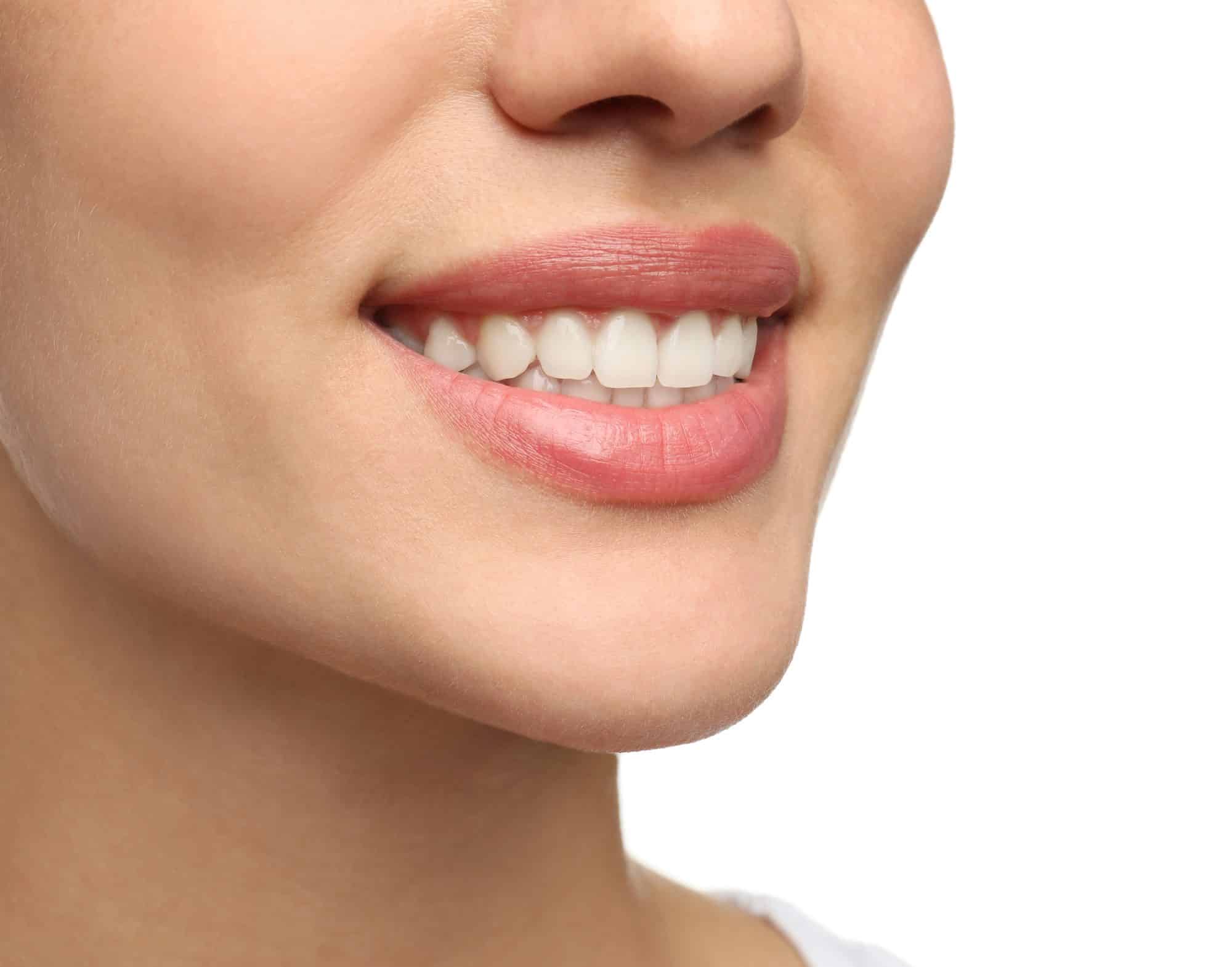
What Is Considered a Gummy Smile?
A gummy smile occurs when a noticeable amount of gum tissue is visible above the upper teeth when you smile. Dentists may also refer to this as excessive gingival display.
For most adults, having a gummy smile is not a medical or dental problem. It is generally an aesthetic concern related to the proportions between the teeth, gums, and lips.
Some people naturally show a small amount of gum when smiling and are completely comfortable with it. Others may feel that the visible gum draws attention away from their teeth or affects the overall appearance of their smile.
Ultimately, there is no single definition of what a smile should look like. What matters is whether you are comfortable and confident with your smile.
How Much Gum Is Usually Visible in a Balanced Smile?
The amount of gum visible during a smile varies considerably from person to person.
As a general aesthetic guideline, around 2 millimetres or less of visible gum above the upper teeth is often considered balanced. When approximately 3 to 4 millimetres or more is visible, the smile may be described as gummy.
However, these measurements are only guidelines. Facial proportions, tooth size, lip movement, and personal preferences all influence how a smile appears.
Interestingly, gummy smiles tend to be reported more frequently in women than men, partly because of natural differences in facial structure and upper-lip movement.
What Causes a Gummy Smile?
There is no single cause of a gummy smile. Genetics can play a role, but excessive gum display can also result from the teeth, gums, lips, bite, or jaw structure.
Identifying the underlying cause is particularly important because the most appropriate treatment depends on why the gum is visible.
Teeth That Appear Too Short
Sometimes teeth appear unusually short even though they are actually a normal size.
As permanent teeth erupt, the gum tissue should gradually move into its appropriate position around the tooth. In some people, additional gum tissue remains over part of the enamel.
As a result, less of the natural tooth is visible, making the teeth appear shorter and the gums more prominent.
In these situations, the issue may be related more to gum position than actual tooth size.
Upper Jaw Growth Pattern
The development and shape of the upper jaw can also influence how much gum appears when someone smiles.
In some people, the upper jaw develops more vertically than usual. This can position the upper teeth and gums lower within the face, causing more gum tissue to become visible when smiling.
This type of growth pattern can run in families and may not become particularly noticeable until adolescence or adulthood.
When jaw development is responsible for a gummy smile, treatment generally needs to consider the underlying skeletal structure rather than focusing only on the gum tissue.
Excessive Upper Lip Movement
Some people have an upper lip that moves considerably higher when they smile.
The muscles controlling the upper lip may simply be more active than average. During a full smile, these muscles pull the lip further upwards, exposing additional gum tissue.
In this situation, there may be nothing unusual about the teeth or gums themselves. The appearance is primarily caused by the movement of the upper lip.
A Short Upper Lip
The natural length of the upper lip can also influence gum visibility.
Someone with a relatively short upper lip may show more gum when smiling even when their teeth, gums, and jaw are normally proportioned.
This is simply an anatomical characteristic rather than a dental condition. However, it can influence the overall balance between the lips, gums, and teeth.
Gum Overgrowth
Excess gum tissue, sometimes called gingival enlargement or gingival hyperplasia, can cover a larger portion of the teeth.
This may occur because of:
- Plaque accumulation
- Chronic gum irritation
- Certain medications
- Mouth breathing
- Some medical conditions
As the gum tissue becomes thicker or enlarged, the visible portion of each tooth becomes smaller. This can make an otherwise normally proportioned smile appear much gummier.
Addressing the underlying cause of the gum enlargement is important before considering cosmetic treatment.
Bite Alignment Problems
The way the upper and lower teeth come together can also affect gum visibility.
For example, a significant deep bite or overbite may change the position of the upper teeth and surrounding gum line, making more gum visible when smiling.
In these circumstances, the teeth and gums themselves may be healthy. Correcting the bite or tooth position may improve the appearance of the smile without directly removing gum tissue.
Medication-Related Gum Enlargement
Certain medicines can contribute to excessive gum growth in some patients.
These may include particular medications used for conditions such as high blood pressure, epilepsy, or immune-related conditions.
If gum enlargement develops after beginning medication, do not stop taking prescribed medicine without medical advice. Your dentist and medical practitioner can assess the situation and determine an appropriate approach.
When Should You Consider Treatment for a Gummy Smile?
A gummy smile does not automatically require treatment.
If you are happy with your smile and your gums are healthy, there may be no reason to change anything. Treatment is generally considered when excessive gum display affects confidence, accompanies a dental health issue, or is associated with problems involving the bite or jaw.
When It Affects Your Confidence
If you regularly avoid smiling in photographs, cover your mouth when laughing, or feel uncomfortable during conversations because of the appearance of your gums, you may want to explore your options.
You do not need to wait until the issue becomes more noticeable. A consultation can simply help you understand why your smile looks the way it does and whether anything can be changed.
When Your Gums Look Irritated or Swollen
Sometimes a gummy appearance becomes more noticeable because the gum tissue is inflamed.
Plaque accumulation, gingivitis, or other gum conditions can cause the gums to become swollen and extend further over the teeth.
In these situations, improving gum health should come before cosmetic treatment. Once inflammation has been controlled, the teeth may naturally appear longer and the overall smile more balanced.
When Your Bite Does Not Feel Right
If excessive gum display occurs alongside a deep bite, uneven bite, jaw discomfort, or difficulty chewing, the underlying issue may involve tooth or jaw alignment.
Correcting the bite may improve both function and the appearance of the smile without requiring direct gum treatment.
Treatment Options for a Gummy Smile
There is no universal treatment for excessive gum display.
The right approach depends on whether the gummy smile is primarily caused by excess gum tissue, tooth position, jaw development, tooth size, or upper-lip movement.
A proper dental assessment is therefore essential before deciding on treatment.
Gum Contouring
When excessive gum tissue covers part of otherwise healthy teeth, gum contouring may be used to reshape the gum line and expose more of the natural tooth.
Modern techniques can allow the gum tissue to be reshaped precisely, creating a more even relationship between the gums and teeth.
Whether gum contouring is appropriate depends on the amount of gum tissue present and the position of the underlying bone.
Crown Lengthening
Sometimes removing or reshaping gum tissue alone is not enough because the supporting bone underneath is positioned too close to the visible portion of the tooth.
In these cases, crown lengthening may be considered.
The procedure reshapes the gum tissue and, where necessary, a small amount of supporting bone so that more of the natural tooth can be exposed.
Crown lengthening may be performed for cosmetic reasons or to provide sufficient tooth structure for restorative dental treatment.
Orthodontic Treatment
Braces or clear aligner treatment may be appropriate when excessive gum display is associated with tooth position or bite alignment.
Moving the teeth into a more suitable position can alter the relationship between the teeth, gums, and lips.
For some patients, correcting a deep bite or repositioning the upper teeth can significantly improve smile proportions without directly altering the gums.
Muscle-Relaxing Injections
When a gummy smile is primarily caused by an upper lip that lifts excessively during smiling, muscle-relaxing injections may sometimes be considered.
Small amounts can be placed into specific muscles controlling upper-lip movement. This reduces how far the lip rises when smiling and can therefore reduce the amount of gum displayed.
The effects are temporary and generally require repeat treatment to maintain the result.
A qualified practitioner must assess whether this treatment is appropriate for the individual.
Lip Repositioning Surgery
Lip repositioning is a surgical procedure designed to limit how far the upper lip moves upwards when smiling.
By changing the position and movement of the upper lip, less gum may become visible.
This procedure is only suitable for selected patients, particularly when excessive lip movement is the primary cause.
Dental Nook does not offer lip repositioning surgery, but we can assess your smile and discuss appropriate options or referrals where required.
Veneers or Crowns
Sometimes the gum tissue is normally positioned, but the teeth themselves appear disproportionately short.
In selected cases, veneers or crowns may be used to increase the visible length or modify the shape of the teeth, creating more balanced smile proportions.
These treatments do not correct excessive gum tissue, jaw development, or lip movement, so they are only suitable when tooth size or shape is an important contributing factor.
Because veneers and crowns involve treatment of the teeth themselves, suitability should be carefully assessed before proceeding.
Jaw Surgery
When excessive gum display results from significant vertical development of the upper jaw, orthognathic surgery may be considered.
This is generally reserved for more substantial skeletal or bite problems rather than mild cosmetic concerns.
Treatment is carefully planned with appropriate dental and surgical specialists and may also involve orthodontic treatment before or after surgery.
Support for Patients with Dental Anxiety
For some people, deciding how to improve their smile is easy. Actually sitting in the dental chair is the difficult part.
Dental anxiety can range from mild nervousness to severe fear. Some people become anxious days before their appointment, while others may feel overwhelmed by dental sounds, injections, previous negative experiences, or the thought of undergoing treatment.
At Dental Nook, patient comfort is an important part of dental care. Depending on the procedure, individual needs, medical history, and suitability, sedation options may be discussed for patients who experience dental anxiety.
Laughing Gas
Nitrous oxide, commonly called laughing gas, may be suitable for patients with mild to moderate dental anxiety.
It produces a relaxed feeling while allowing the patient to remain awake and responsive throughout treatment. Its effects generally wear off relatively quickly once administration stops.
IV Sedation
For patients who require a deeper level of relaxation, IV sedation may be considered for suitable procedures.
Medication is administered intravenously, creating a deeply relaxed or dream-like state. Patients remain monitored throughout treatment and may remember very little about the procedure afterwards.
General Anaesthesia
For selected patients and procedures, treatment under general anaesthesia may also be considered when clinically appropriate.
Under general anaesthesia, the patient is fully unconscious and carefully monitored throughout the procedure.
The appropriate type of sedation depends on factors including the patient’s medical history, level of anxiety, complexity of treatment, and individual clinical requirements.
Medical Disclaimer
The information provided in this article is general in nature and is intended for educational purposes only. It should not replace personalised dental or medical advice.
Every patient’s teeth, gums, bite, facial structure, medical history, and treatment needs are different. If you are concerned about a gummy smile or another oral health issue, arrange an assessment with a qualified dental professional who can evaluate your individual circumstances and explain appropriate treatment options.
Want to Know More About Your Smile?
If excessive gum display is affecting your confidence, the first step is understanding why it is happening.
At Dental Nook, we can assess the relationship between your gums, teeth, lips, and bite and explain which treatment options may be appropriate for your individual smile.
Whether the underlying issue involves excess gum tissue, tooth proportions, orthodontic alignment, or another dental concern, treatment should begin with a proper diagnosis rather than choosing a cosmetic procedure first.
For more information or to arrange an appointment with Dental Nook, contact our team on 07 3124 0248.