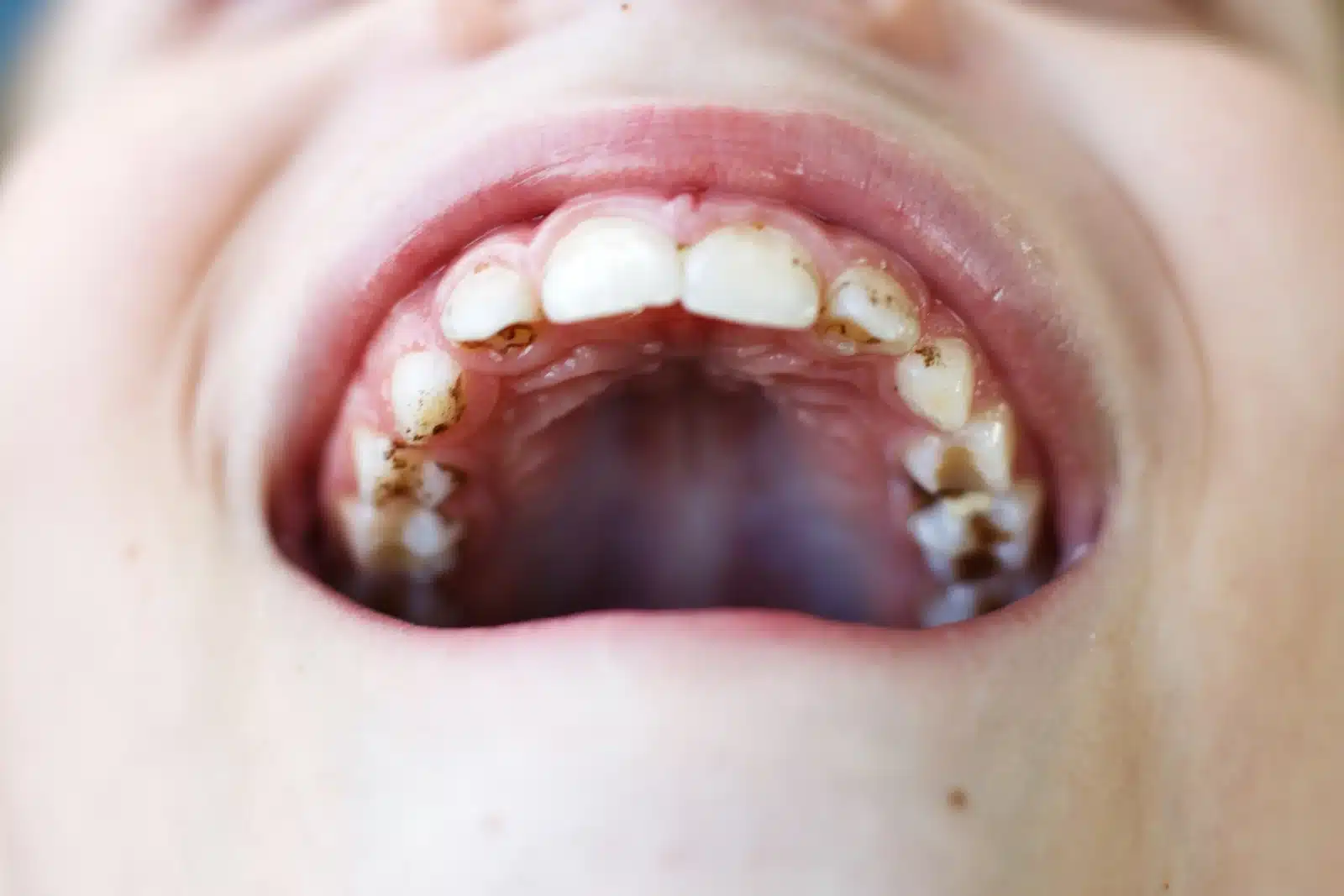
Tooth decay is one of the most common dental problems affecting children. Even baby teeth are vulnerable to cavities, and early damage can impact your child’s comfort, confidence, and long-term oral health.
Understanding what causes tooth decay and how to prevent it is the first step toward protecting your child’s smile.
How Tooth Decay Affects Young Teeth
Children’s teeth have thinner enamel compared to adult teeth. This makes them more susceptible to damage from plaque and acids produced by bacteria.
When sugary foods and drinks are consumed, bacteria in the mouth feed on these sugars and produce acid. Over time, this acid weakens the enamel, leading to cavities.
Without treatment, decay can worsen, causing pain, infection, and difficulty eating.
When Should Dental Care Begin?
Dental care should start as soon as your child’s first tooth appears. Early visits allow dentists to monitor development and provide guidance on brushing, fluoride use, and diet.
Many professionals recommend scheduling your child’s first dental visit by their first birthday.
Early intervention helps prevent small issues from becoming larger problems.
Common Causes of Tooth Decay in Children
Several factors contribute to cavities in children.
Frequent Sugar Consumption
Snacks, juices, and sweetened drinks increase the risk of decay.
Poor Oral Hygiene
Inconsistent brushing allows plaque to build up.
Prolonged Bottle Use
Putting a child to bed with milk or juice can expose teeth to sugar for extended periods.
Genetic and Environmental Factors
Some children may naturally have weaker enamel or higher cavity risk.
Dietary Habits and Their Impact
A child’s diet plays a significant role in oral health. Frequent snacking on sugary or sticky foods increases acid exposure, which can weaken enamel.
Encouraging water instead of sugary beverages and limiting sweet treats can dramatically reduce the risk of cavities.
Balanced meals that include calcium-rich foods also support stronger teeth.
Early Signs of Tooth Decay to Watch For
Cavities may not always cause immediate discomfort. Early signs can include:
- White spots on the teeth
- Brown or dark patches
- Sensitivity to hot or cold foods
- Complaints of tooth pain
If you notice any of these signs, scheduling a dental appointment promptly is important.
Choosing the Right Dental Products for Kids
Using age-appropriate dental products supports effective oral hygiene.
- A soft-bristled toothbrush designed for children
- Fluoride toothpaste in recommended amounts
- Supervised brushing, especially for younger children
Fluoride strengthens enamel and helps prevent cavities when used correctly.
Preventing Tooth Decay Through Proper Hygiene
Good oral care habits are essential for preventing cavities.
- Brush twice daily
- Use the correct amount of fluoride toothpaste
- Begin flossing once teeth touch
- Schedule regular dental check-ups
Supervision is important until children develop proper brushing skills.
How Is Tooth Decay Treated?
If decay is detected early, treatment may be simple. Options can include:
- Fluoride treatments to strengthen enamel
- Dental fillings to repair cavities
- Crowns in cases of more extensive damage
Prompt treatment prevents infection and protects surrounding teeth.
Helping Your Child Feel Comfortable at the Dentist
Dental visits can feel unfamiliar for some children. Creating a positive experience helps reduce anxiety.
Parents can:
- Speak positively about dental appointments
- Avoid using negative language
- Praise children for cooperation
A supportive environment builds confidence and trust.
Why Regular Check-Ups Are Important
Routine dental visits allow dentists to detect problems early and provide preventive care.
Regular examinations help ensure that small issues are addressed before they become painful or complex.
Preventive care is always more comfortable and cost-effective than restorative treatment.
Protect Your Child’s Smile at Dental Nook
At Dental Nook, we focus on preventive care and gentle treatment for children. Our team provides personalised guidance to help families reduce the risk of tooth decay and maintain healthy smiles.
If you have concerns about your child’s dental health or would like to schedule a check-up, contact our friendly team today.
Together, we can protect your child’s smile for years to come.