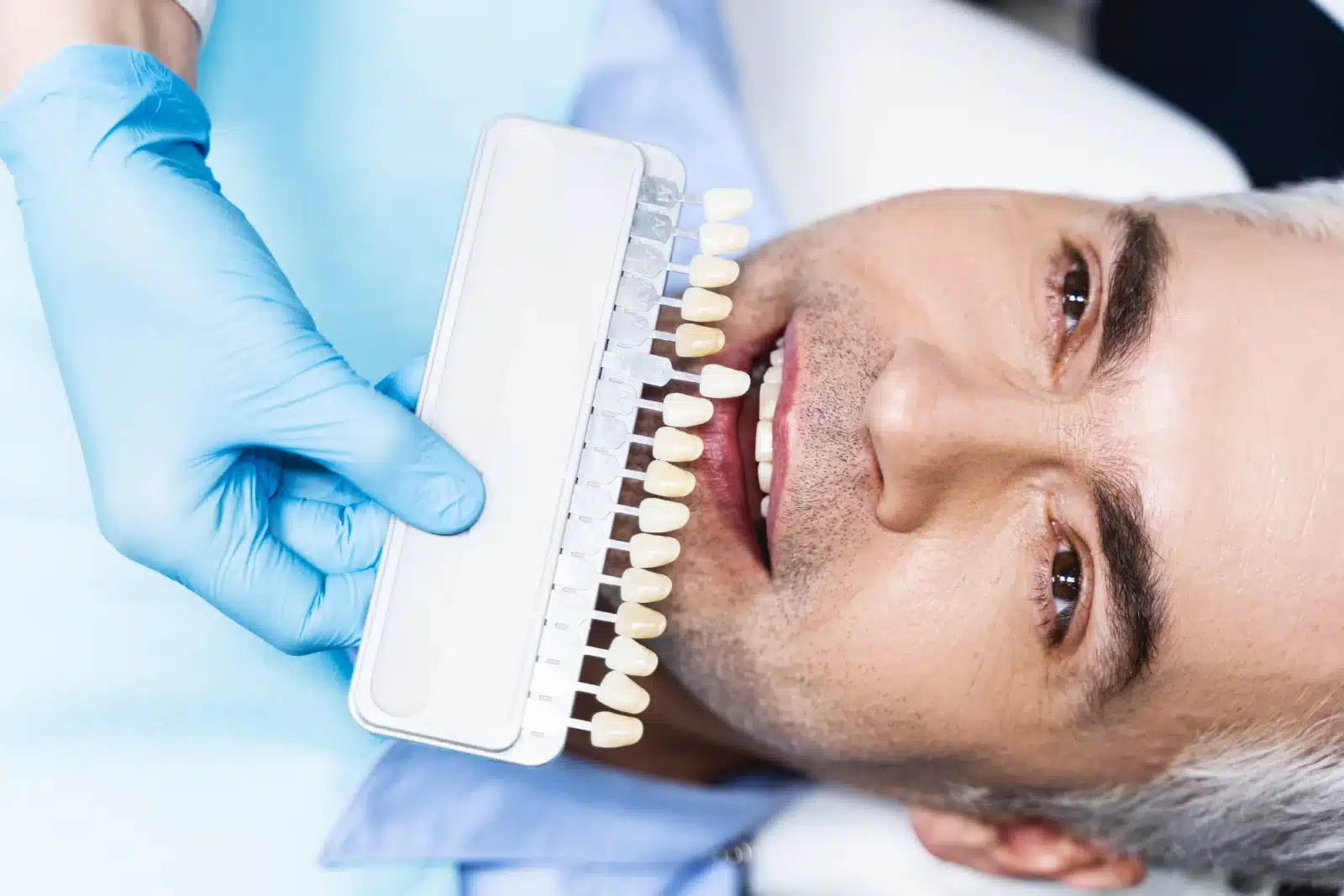
Dental veneers are a popular cosmetic treatment for improving the appearance of teeth. They can enhance shape, colour, and overall smile symmetry. However, while veneers offer impressive aesthetic results, they are not suitable for everyone.
Before deciding on veneers, it is important to understand both the benefits and the potential drawbacks. Being well-informed helps you make a confident decision about your smile.
What You Should Consider Before Getting Veneers
Veneers are thin shells bonded to the front surface of teeth to improve their appearance. They can dramatically enhance a smile, but they also involve certain long-term commitments.
Many patients focus on the cosmetic transformation, but understanding the limitations and risks is equally important.
What Are the Drawbacks of Dental Veneers?
While veneers can create beautiful results, here are several important considerations.
The Permanent Nature of Veneers
One of the most significant downsides is that veneers are usually irreversible.
To place veneers, a small amount of enamel is typically removed from the tooth surface. Because enamel does not grow back, this alteration is permanent. If a veneer becomes damaged or needs replacement in the future, it must be redone.
Increased Tooth Sensitivity
Some patients experience temporary or ongoing sensitivity after veneers are placed.
Since enamel is reduced during preparation, teeth may become more sensitive to hot and cold temperatures. For many patients this settles over time, but in some cases, mild sensitivity may persist.
Risk of Damage
Although veneers are strong and durable, they are not indestructible.
They can chip or crack if exposed to excessive force, such as teeth grinding, biting hard objects, or trauma. Repairing or replacing a damaged veneer involves additional treatment and cost.
Not Suitable for Everyone
Veneers are not always the best solution for every dental concern.
If you have significant tooth decay, gum disease, weakened enamel, or severe misalignment, these issues must be addressed before considering veneers. In some cases, alternative treatments such as orthodontics or crowns may be more appropriate.
Ongoing Maintenance and Replacement
Veneers require proper care to maintain their appearance and longevity.
Good oral hygiene, regular dental visits, and avoiding habits like nail biting or chewing ice are essential. While porcelain veneers can last many years, they will eventually need replacement.
Colour Limitations
Unlike natural teeth, porcelain veneers cannot be whitened.
If you decide to whiten your natural teeth after veneers are placed, the shade of the veneers will remain unchanged. This can lead to colour differences unless the veneers are replaced.
Cost Considerations
Veneers are considered a cosmetic treatment and may not be covered by private health insurance.
The overall cost depends on the number of teeth treated and the materials used. While many patients find the aesthetic improvement worthwhile, it is important to plan for the financial commitment involved.
Gum Tissue Response
In some cases, gum tissue may react to veneers.
Improperly fitted veneers can cause irritation or inflammation. Choosing an experienced dentist reduces this risk and ensures the veneers sit comfortably and naturally along the gumline.
Frequently Asked Questions
Can I get veneers if I have gum disease or tooth decay?
Existing dental issues must be treated before veneers are considered. Healthy teeth and gums are essential for long-term success.
How do I care for dental veneers?
Brush twice daily, floss regularly, and attend routine dental check-ups. Avoid biting hard objects and manage teeth grinding if present.
Can veneers stain?
Porcelain veneers are resistant to staining, but maintaining good oral hygiene is still important to keep surrounding teeth healthy and bright.
What is the difference between porcelain and composite veneers?
Porcelain veneers are typically more durable and stain-resistant, while composite veneers are more affordable but may require more maintenance over time.
Is It Time to Reconsider? Speak with Dr. Nikita
If you are considering veneers, the best first step is a consultation.
Dr. Nikita will assess your oral health, discuss your goals, and help determine whether veneers are the right option for you. Every smile is unique, and treatment should always be tailored to your specific needs.
Book a consultation today and explore your options with confidence.