A Quick Look at Dental Trauma
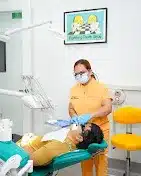
Dental trauma can occur unexpectedly due to accidents, sports injuries, or sudden impacts to the face. Such incidents may result in loose, displaced, or fractured teeth, requiring immediate dental attention. Prompt treatment is essential to preserve the affected teeth and prevent further complications.
At Dental Nook, Dr. Nikita provides expert emergency dental care, including tooth splinting, to stabilise injured teeth and promote optimal healing.
What Does Splinting Teeth Mean?
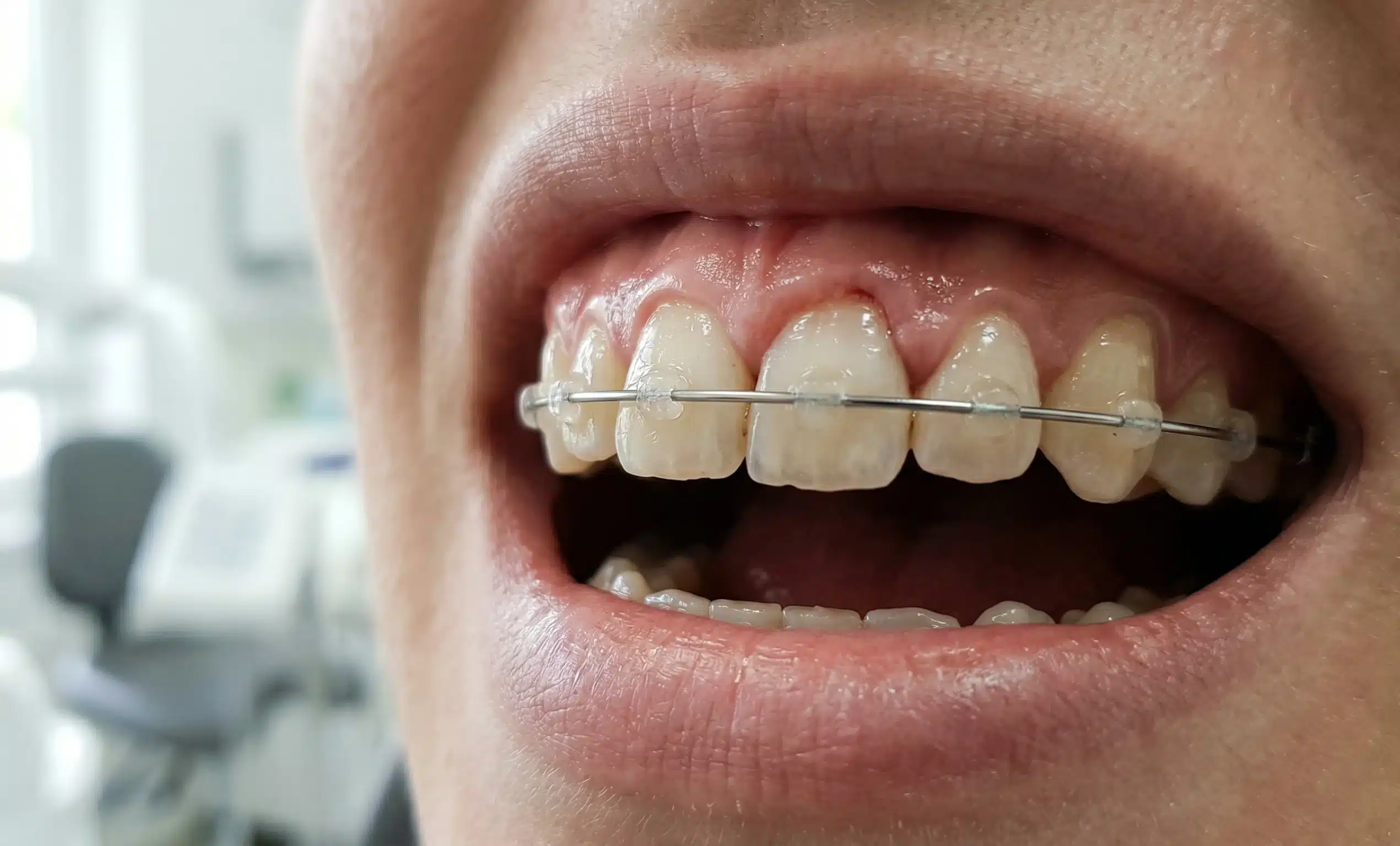
Tooth splinting is a dental procedure used to stabilise loose or displaced teeth by bonding them to adjacent healthy teeth. This technique acts as a supportive framework, allowing the injured teeth to remain in position while the surrounding tissues heal.
Splinting is commonly recommended following dental trauma, periodontal disease, or certain dental procedures. By immobilising the affected teeth, splinting helps restore function, reduce discomfort, and improve the likelihood of successful recovery.
Process of Splinting Teeth After Dental Trauma
The tooth splinting procedure is designed to stabilise injured teeth efficiently and comfortably. The process typically involves the following steps:
- Initial Examination and Diagnosis
Dr. Nikita conducts a thorough clinical assessment, which may include digital X-rays to evaluate the extent of the injury and determine the most appropriate treatment approach. - Repositioning of the Tooth
If the tooth has been displaced, it is gently repositioned to its correct alignment to support proper healing and function. - Placement of the Splint
A flexible splint, often made of composite resin and orthodontic wire or fibre-reinforced material, is bonded to the affected tooth and adjacent teeth to provide stability. - Final Adjustments
The bite is carefully checked to ensure comfort and proper alignment. Adjustments are made to minimise pressure on the splinted teeth. - Post-Treatment Instructions
Patients receive personalised guidance on oral hygiene, diet, and aftercare to support healing and prevent complications.
Benefits of Splinting Teeth After Trauma
Tooth splinting offers several advantages in managing dental injuries and preserving natural teeth.
Stabilisation and Support
Splinting immobilises injured teeth, allowing the surrounding bone and soft tissues to heal effectively.
Pain Relief and Comfort
By securing loose teeth, splinting reduces discomfort and improves oral function during the healing process.
Improved Healing Outcomes
Proper stabilisation enhances the chances of successful recovery and long-term tooth retention.
Preservation of Natural Teeth
Splinting helps save natural teeth that might otherwise require extraction or more invasive procedures.
Prevention of Further Damage
Stabilising the affected teeth minimises the risk of additional trauma or displacement during healing.
How Long Do Teeth Need to Be Splinted?
The duration of tooth splinting varies depending on the severity and type of dental injury. In most cases, splints are worn for a period ranging from two to four weeks. However, more complex injuries may require longer stabilisation.
Factors Affecting Splinting Duration
- Severity of the Injury: Minor tooth mobility may require short-term splinting, while severe trauma may necessitate extended support.
- Type of Dental Trauma: Fractures involving the tooth root or surrounding bone often require longer healing periods.
- Age and Healing Ability: Younger patients typically heal more quickly than adults.
- Gum and Bone Health: Healthy periodontal tissues contribute to faster and more successful recovery.
- Compliance with Aftercare Instructions: Proper oral hygiene and adherence to dietary recommendations play a vital role in healing.
Dr. Nikita will determine the appropriate splinting duration based on your individual condition and recovery progress.
Caring for Splinted Teeth: Do’s and Don’ts
Proper aftercare is essential to ensure successful healing and maintain oral health while teeth are splinted.
How to Clean Splinted Teeth
- Use a soft-bristled toothbrush to clean gently around the splinted area.
- Rinse with an antibacterial or saltwater mouthwash as recommended.
- Clean between teeth carefully using interdental brushes or floss threaders.
Foods to Avoid
- Avoid hard, crunchy, or sticky foods that may dislodge the splint.
- Choose soft foods such as yoghurt, soups, mashed vegetables, and smoothies.
- Refrain from biting directly on the splinted teeth.
Tips for Managing Discomfort
- Take prescribed or over-the-counter pain relief as directed by your dentist.
- Apply a cold compress to reduce swelling if necessary.
- Avoid strenuous activities or contact sports during the healing period.
When to See a Dentist After Splinting
Regular follow-up visits are essential to monitor healing and ensure the success of the splinting procedure. Contact your dentist promptly if you experience any of the following:
Signs of Complications to Watch For
- Persistent pain or swelling
- Increased tooth mobility
- Damage or loosening of the splint
- Bleeding or signs of infection
- Difficulty chewing or bite misalignment
- Sensitivity or discomfort that worsens over time
- Unusual changes in tooth colour or gum health
Importance of Follow-Up Appointments
Follow-up appointments allow Dr. Nikita to assess healing, adjust or remove the splint when appropriate, and recommend any additional treatment required for optimal recovery.
Bring Back Your Bright Smile with Expert Care
Dental trauma can be distressing, but prompt and professional treatment can make a significant difference in preserving your natural teeth. Tooth splinting is an effective and reliable solution for stabilising injured teeth and supporting long-term oral health.
At Dental Nook, Dr. Nikita and the experienced team are committed to providing gentle, compassionate, and advanced emergency dental care. From diagnosis to recovery, we ensure personalised treatment in a comfortable and supportive environment.
Book an Emergency Consultation Today
If you or a loved one has experienced dental trauma, seek immediate professional care. Contact Dental Nook to schedule an emergency consultation with Dr. Nikita. Our team is dedicated to restoring your oral health and helping you regain a confident, healthy smile.