
Will My Child Need Braces? Genetics, Bad Bites and Orthodontic Treatment
Will My Child Need Braces? Genetics, Bad Bites and Orthodontic Treatment
If you wore braces when you were younger, you may naturally wonder, “Will my child need braces too?”
The answer isn’t always straightforward. Genetics can influence the development of the teeth and jaws, which means some orthodontic problems can run in families. However, inherited traits aren’t the only reason children develop crooked teeth, crowding or bite problems. Childhood habits, oral health, early tooth loss and jaw development can also play an important role.
Understanding these factors can help parents recognise potential orthodontic concerns early and seek appropriate dental advice.
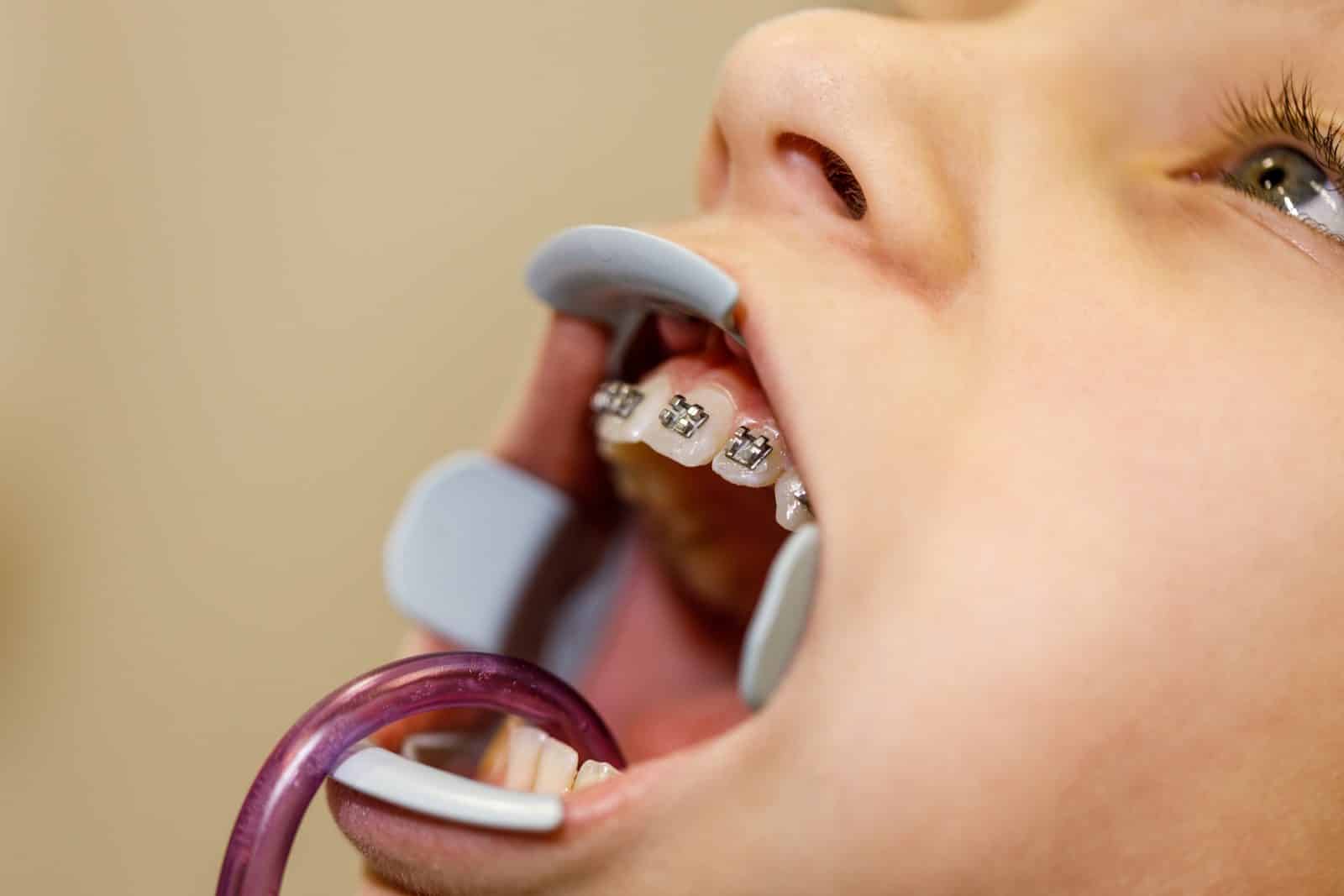
Could Your Child Inherit Your Malocclusion?
Orthodontic problems can affect both the appearance of a child’s smile and their overall oral health. Significant problems with tooth or jaw alignment generally don’t correct themselves and may require professional assessment and orthodontic treatment.
If you had crooked, crowded or poorly aligned teeth, your child may have a greater chance of developing similar problems.
This is because the size and shape of our teeth and jaws are influenced partly by genetics. A child inherits characteristics from both parents. For example, they might inherit relatively large teeth from one parent and a smaller jaw from the other. When there isn’t enough room in the jaw to accommodate the teeth comfortably, crowding can occur.
Fortunately, modern orthodontic treatment can address many alignment and bite problems and help create a healthier, more functional smile.
Common Orthodontic Problems That May Be Genetic
A number of dental and facial characteristics can be influenced by inherited traits, including:
- Jaw size
- Certain jaw growth patterns
- Tooth shape
- Tooth size
- The size and shape of the mouth
- Missing teeth
- Extra teeth
- Gaps between teeth
- Crowded teeth
- Crooked or rotated teeth
- Certain bite problems
However, not every dental problem should be blamed on genetics. Tooth decay and gum disease, for example, are strongly influenced by factors such as oral hygiene, diet, plaque accumulation and regular dental care.
What Causes a "Bad Bite"?
A bad bite, medically known as malocclusion, can develop for several reasons.
Genetics may play an important role, but environmental factors and childhood habits can also affect how the jaws and teeth develop.
Lifestyle and Childhood Habits That May Affect the Need for Braces
Certain behaviours during childhood may increase the likelihood of developing orthodontic problems, particularly when they continue for an extended period.
These may include:
- Habitual mouth breathing
- Prolonged thumb or finger sucking
- Extended pacifier use
- Finger biting
- Tongue thrusting
- Losing baby teeth earlier than expected
- Poor oral hygiene contributing to premature tooth loss
- Poor nutrition
The cause and severity of malocclusion can vary significantly between children. A dental or orthodontic assessment can help determine what’s happening and whether treatment is necessary.
What Is Malocclusion?
Occlusion describes the way the upper and lower teeth come together when the mouth closes.
When the teeth and jaws don’t meet in their ideal positions, this is known as malocclusion, or a bad bite.
With a well-aligned bite, the upper teeth normally overlap the lower teeth slightly, while the back teeth fit together in a balanced and functional relationship.
When the upper jaw, lower jaw or teeth develop differently, the bite can become misaligned.
The Three Main Classes of Malocclusion
Malocclusion is commonly classified into three categories:
- Class I malocclusion
- Class II malocclusion
- Class III malocclusion
Within these classifications, children may experience several different orthodontic problems.
Common Types of Malocclusion
These include:
- Open bite
- Overbite
- Underbite
- Crossbite
- Crooked teeth
- Dental crowding
- Gaps between teeth
The type and severity of the bite problem will influence whether orthodontic treatment is recommended and what form that treatment may take.
Does Your Child Need Braces?
Not every child with slightly crooked teeth will need braces. The decision depends on how the teeth and jaws are developing and whether the alignment problem affects function, oral health or future dental development.
A dental professional can assess your child’s bite and recommend an orthodontic evaluation when appropriate.
Some signs that may indicate your child could benefit from orthodontic assessment include:
- Crowded or noticeably crooked teeth
- Thumb or finger sucking that continued beyond early childhood
- Baby teeth falling out significantly earlier or later than expected
- Upper and lower teeth not meeting correctly when biting
- Difficulty biting or chewing
- Significant spacing between teeth
- Teeth erupting in unusual positions
- Noticeable problems with jaw alignment
Jaw clicking or noises alone do not automatically mean braces are required, so these symptoms should be assessed properly rather than assuming orthodontic treatment is necessary.
What Is the Best Age for a Child to Get Braces?
There isn’t one ideal age that applies to every child.
The appropriate timing depends on the type of orthodontic problem, the child’s stage of dental development and whether early intervention would provide a meaningful benefit.
Your Child's First Dental Visit
Regular dental care should begin early in childhood. Early dental visits allow a dentist to monitor tooth eruption, jaw development, oral hygiene and other changes as your child grows.
These appointments can also help identify potential orthodontic concerns before they become more complicated.
When Should a Child Have an Orthodontic Assessment?
An orthodontic assessment is commonly recommended at around seven years of age, when a mixture of baby and permanent teeth is often present.
This doesn’t necessarily mean your seven-year-old will need braces.
Instead, an early assessment gives the dental team an opportunity to examine how the permanent teeth and jaws are developing.
Certain orthodontic problems become easier to recognise during this stage. In some cases, early treatment may help guide jaw development or create sufficient room for permanent teeth.
For other children, the best approach may simply be monitoring development until they are older.
When Can Children Get Braces?
Many children begin comprehensive orthodontic treatment between approximately 9 and 14 years of age, when most permanent teeth have erupted.
However, treatment timing should always be based on the individual child’s needs rather than age alone.
Some children benefit from earlier intervention, while others may not need treatment until their teenage years.
Can Adults Wear Braces?
Yes.
Orthodontic treatment isn’t limited to children and teenagers. Adults can also have their teeth straightened using braces or clear aligners, depending on their oral health and orthodontic requirements.
Healthy teeth can often be moved successfully at many different ages.
How Long Does It Take to Straighten Teeth With Braces?
Orthodontic treatment time varies considerably because every patient’s teeth and bite are different.
The duration depends on factors such as:
- The severity of crowding or misalignment
- The type of bite problem
- The orthodontic appliance being used
- How much tooth movement is required
- The patient’s growth and development
- How closely treatment instructions are followed
- Attendance at adjustment appointments
Some relatively minor orthodontic cases may be treated within several months, while more complex cases can require treatment lasting around two years or longer.
A proper examination is necessary before an accurate treatment timeframe can be estimated.
How Are Braces Fitted?
Traditional braces use brackets and archwires to gradually guide the teeth towards improved positions.
First, small brackets are carefully attached to the teeth. An archwire is then placed through the brackets. Depending on the system being used, additional components may help secure the appliance.
Over time, carefully controlled forces encourage the teeth to move.
Regular orthodontic appointments are required so treatment can be monitored and adjustments made when necessary.
What If a Bracket or Wire Comes Loose?
If your child’s bracket becomes loose or a wire breaks or begins poking their cheek or gums, contact the dental or orthodontic provider for advice.
Orthodontic wax may temporarily help cover a sharp or irritating area until it can be professionally assessed.
Will Braces Hurt?
Having braces fitted shouldn’t cause severe pain, but children may experience tenderness or pressure after braces are first placed and following some adjustment appointments.
This discomfort is generally temporary.
Soft foods can make eating easier during the first few days. If pain relief is required, parents should follow appropriate professional or medication guidance for their child rather than exceeding recommended doses.
Looking After Teeth While Wearing Braces
Oral hygiene becomes particularly important during orthodontic treatment because brackets and wires create additional areas where food particles and plaque can collect.
Children wearing braces should be encouraged to:
- Brush thoroughly at least twice daily
- Carefully clean around brackets and wires
- Clean between their teeth every day
- Use appropriate interdental brushes or flossing aids when recommended
- Attend regular dental check-ups
- Attend scheduled orthodontic appointments
- Limit frequent sugary foods and drinks
- Follow dietary instructions for protecting their braces
Maintaining good oral hygiene throughout orthodontic treatment helps reduce the risk of tooth decay, gum inflammation and white marks developing around brackets.
Different Types of Braces
There are several orthodontic systems available. The most appropriate choice depends on the patient’s age, dental condition, treatment requirements, lifestyle and budget.
Metal Braces
Traditional metal braces use brackets attached to the teeth and an archwire that gradually guides the teeth into improved alignment.
They are widely used because they can treat a broad range of orthodontic problems and provide the dental team with precise control over tooth movement.
Metal braces are also generally one of the more cost-effective fixed orthodontic options.
Ceramic Braces
Ceramic braces work in a similar way to traditional metal braces, but the brackets are designed to blend more naturally with the colour of the teeth.
This makes them less noticeable.
However, ceramic braces may require additional care because some components can stain or discolour. They can also cost more than conventional metal braces.
Lingual Braces
Lingual braces are attached to the back surfaces of the teeth rather than the front.
Their position makes them much less visible when smiling.
However, lingual braces aren’t suitable for every orthodontic case. They can be more difficult to clean and may initially affect speech or irritate the tongue.
Treatment can also be more complex depending on the patient’s orthodontic needs.
Clear Aligners
Clear aligners use a sequence of customised, removable trays to gradually reposition the teeth.
Because they’re transparent and don’t use conventional brackets or wires, they can be a discreet alternative to traditional braces.
Another advantage is that the aligners can usually be removed for eating, brushing and flossing.
However, aligners need to be worn for the recommended number of hours each day to work effectively. They also aren’t suitable for every orthodontic problem, particularly some complex cases.
A professional assessment is necessary to determine whether clear aligners are appropriate for your child.
What Are Retainers?
Completing treatment with braces doesn’t necessarily mean orthodontic treatment is finished.
After braces are removed, the teeth have a natural tendency to move. Retainers are orthodontic appliances designed to help keep the teeth in their corrected positions while the surrounding tissues stabilise.
The Role of Retainers After Braces
Braces move the teeth into their improved positions; retainers help keep them there.
Depending on the patient’s treatment and individual needs, retainers may be:
- Fixed behind the teeth
- Removable
- Worn full-time initially
- Worn primarily at night
How long a retainer needs to be worn varies between patients. Following the recommended retention plan is important for protecting the results achieved through orthodontic treatment.
Worried Your Child May Need Braces? Visit Dental Nook
If you’re wondering whether your child’s crooked teeth, crowding or bite may require orthodontic treatment, an early assessment can give you a much clearer picture.
At Dental Nook, we can assess your child’s teeth, bite and jaw development, discuss any concerns you may have and explain whether further orthodontic assessment or treatment may be appropriate.
There is no need to wait until your child’s teeth become severely crowded before asking for advice. Identifying developing orthodontic problems early can make it easier to determine the right treatment approach and timing.
Contact Dental Nook on 07 3124 0248 to arrange an appointment and discuss your child’s dental and orthodontic needs.