
Cosmetic dentistry includes dental treatments designed to improve the appearance of your teeth and smile. Depending on your concerns, cosmetic dental care can address the colour, shape, position, alignment, size, and overall appearance of your teeth.
While some cosmetic procedures focus mainly on aesthetics, others may also provide functional or oral health benefits.
If stained, chipped, damaged, missing, uneven, or misaligned teeth are affecting how you feel about your smile, there are several cosmetic dentistry options that may help.
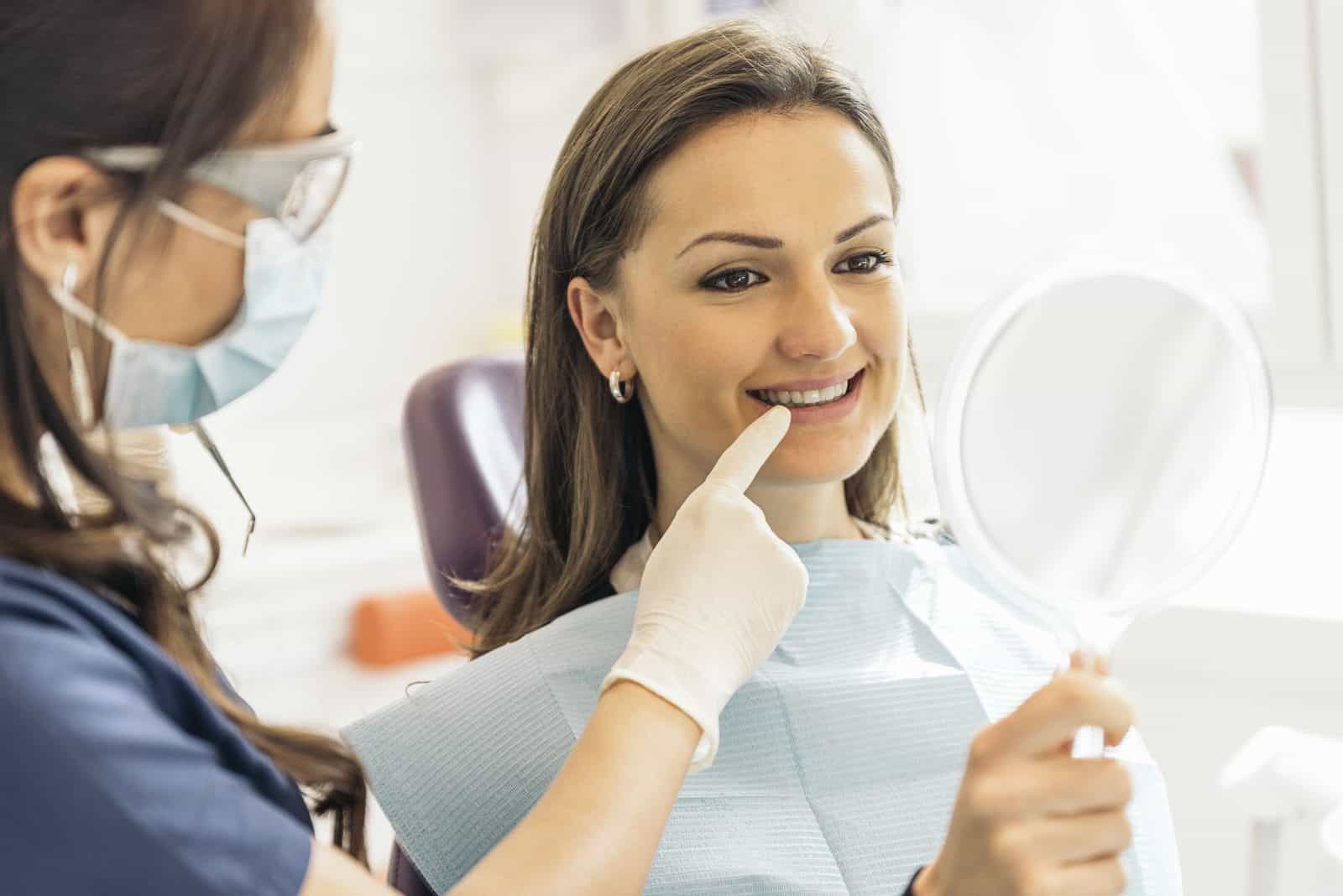
There is no single cosmetic dental treatment that is suitable for everyone. The right option depends on the condition of your teeth, your oral health, the changes you would like to make, and your individual treatment goals.
At Dental Nook, your teeth and gums can be assessed before suitable cosmetic treatment options are discussed with you.
Some of the most commonly considered cosmetic dentistry treatments include:
The most appropriate cosmetic treatment depends on what you would like to improve.
For example, someone concerned about tooth discolouration may benefit from professional teeth whitening, while a chipped or irregularly shaped tooth may be better suited to dental bonding or a veneer. Missing teeth may require restorative solutions such as dental implants or bridges.
A dental assessment is therefore important before deciding on treatment. It allows your dentist to examine your oral health, understand your expectations, and explain the advantages and limitations of the available options.
Teeth can gradually become stained or discoloured for many reasons. Coffee, tea, red wine, tobacco, certain foods, medications, ageing, and oral hygiene habits can all affect the brightness of your smile.
If tooth discolouration is making you less confident about smiling, professional teeth whitening may be an option.
Teeth whitening is one of the most commonly requested cosmetic dental treatments. It is designed to reduce certain stains and lighten the appearance of natural teeth.
Before whitening treatment, your dentist may examine your teeth and gums to make sure whitening is appropriate for you. Existing plaque or tartar may also need to be addressed before treatment.
Depending on your needs, teeth whitening options may include:
In-chair whitening is performed at the dental clinic and can usually produce noticeable results in a relatively short period.
Take-home whitening uses customised instructions and whitening products that are used gradually at home. Results generally develop over a longer period than in-chair treatment.
The suitability and final result of whitening vary between patients, particularly because not every type of tooth discolouration responds to whitening in the same way.
A dental crown is a custom-made restoration designed to cover and protect a damaged or weakened tooth.
Crowns may be manufactured from materials such as porcelain, ceramic, resin, metal, or combinations of different materials. They are designed to restore the tooth’s shape, size, strength, and appearance.
A tooth that has been significantly weakened by decay, damage, a large filling, or previous treatment can become more vulnerable to breaking. A dental crown can provide additional protection by covering the visible portion of the tooth above the gum line.
Dental crowns may also be used:
The most appropriate crown material will depend on the location of the tooth, your bite, aesthetic requirements, and other clinical considerations.
Dental veneers are thin restorations placed over the front surface of selected teeth to change their appearance.
Depending on your individual circumstances, veneers may be considered for cosmetic concerns such as:
Veneers are commonly made from porcelain or composite material.
Porcelain veneers are individually designed to complement the surrounding teeth and can provide a natural-looking result. They are also relatively resistant to staining when properly maintained.
In some cases, a small amount of natural tooth structure may need to be removed to create enough space for the veneer. Because this can make treatment irreversible, your dentist should discuss the process, alternatives, expected lifespan, and potential risks before treatment begins.
Composite dental bonding is a relatively conservative cosmetic treatment that can be used to improve minor imperfections in teeth.
It may be suitable for concerns such as:
During treatment, a tooth-coloured composite resin is applied to the tooth and carefully shaped. A specialised curing light is then used to harden the material before it is polished to blend with the surrounding teeth.
The shade of the composite material is selected to closely match your natural teeth.
One advantage of composite bonding is that it can often be performed with little or no removal of healthy tooth enamel, depending on the individual case.
Missing teeth can affect much more than the appearance of your smile. Tooth loss may influence chewing, speech, bite function, and the position of neighbouring teeth.
Dental implants are one option for replacing missing teeth.
A dental implant generally uses a titanium fixture that is surgically positioned within the jawbone. After healing and integration with the surrounding bone, the implant can support a replacement tooth.
A typical implant restoration consists of:
When appropriately planned and maintained, dental implants can provide a stable and natural-looking replacement for missing teeth.
However, implants are not appropriate for every patient. Factors such as bone availability, gum health, medical history, smoking, oral hygiene, and overall health need to be considered before treatment.
A missing tooth can leave a visible gap and may also affect chewing and the way surrounding teeth function.
A dental bridge is a fixed restoration designed to replace one or more missing teeth by spanning the space where teeth have been lost.
Traditional bridges generally use teeth on either side of the gap for support. Because of this, the condition and strength of the supporting teeth are important when determining whether a bridge is appropriate.
Different bridge designs are available, and your dentist can explain whether a bridge, implant, or another tooth replacement option is more suitable for your circumstances.
Crooked teeth, overcrowding, rotated teeth, and spaces between teeth can affect both the appearance and function of your smile.
Orthodontic treatment gradually moves teeth into improved positions.
Depending on the case, treatment options may include:
Orthodontic treatment is not purely cosmetic. Improving tooth alignment may also make certain areas easier to clean and can help address some bite-related concerns.
The most appropriate orthodontic option depends on the type and complexity of tooth movement required.
Feeling uncomfortable about your teeth can sometimes make you avoid smiling, laughing, speaking, or appearing in photographs.
Cosmetic dentistry provides different ways of addressing concerns that affect the appearance of your smile.
Depending on the treatment, cosmetic dentistry may help:
Some treatments can also contribute to improved dental function and oral health.
The goal should not simply be to create an artificially “perfect” smile. Treatment should be planned around your facial features, oral health, existing teeth, preferences, and realistic expectations.
Cosmetic dental procedures are generally considered safe when they are appropriately recommended and performed by qualified dental professionals.
However, every dental procedure has potential risks and limitations.
Before cosmetic treatment begins, your dentist should assess your:
Any underlying oral health concerns, such as active tooth decay or gum disease, may need to be addressed before certain cosmetic treatments are performed.
At Dental Nook, treatment recommendations are based on your individual dental condition rather than using the same cosmetic solution for every patient.
Health insurance coverage for cosmetic dentistry varies considerably between providers, policies, and individual treatments.
Procedures performed purely for aesthetic reasons may receive limited or no health insurance benefits. However, a procedure that also has a restorative or clinically necessary component may be treated differently by your insurer.
Before beginning treatment, check directly with your health fund to understand:
A treatment plan and cost estimate can also help you understand the financial side of your proposed dental care.
There is no single price for cosmetic dentistry because treatment costs depend heavily on the procedure and complexity of the individual case.
Factors that can influence the total cost include:
A personalised consultation is the most reliable way to understand which treatment options may be suitable and how much they may cost.
If there is something about your smile that you would like to change, the first step is understanding your options.
At Dental Nook, we can assess your teeth, gums, bite, and overall oral health before discussing cosmetic dental treatments that may be appropriate for your needs.
Whether you are considering teeth whitening, veneers, bonding, crowns, dental implants, bridges, or orthodontic treatment, our focus is on developing an individual treatment plan rather than recommending unnecessary dental work.
Want to find out what could be done to improve your smile?
Contact Dental Nook to arrange a cosmetic dentistry consultation in Brisbane.
Phone: (07) 3124 0248
During your consultation, we can discuss your concerns, assess your oral health, explain suitable treatment options, and provide information about expected costs and treatment timeframes.
Your ideal treatment depends on your teeth—not somebody else’s smile.
Please note that this is not an actual appointment, but only a request for one. We Will Contact you for a confirmation shortly after. Thank you!