
Smoking and Oral Health: How Quitting Can Protect Your Teeth and Gums
Smoking and Oral Health
Smoking can affect much more than the colour of your teeth. Tobacco use can contribute to stained teeth, persistent bad breath, gum disease, delayed healing after dental procedures and an increased risk of serious oral health conditions.
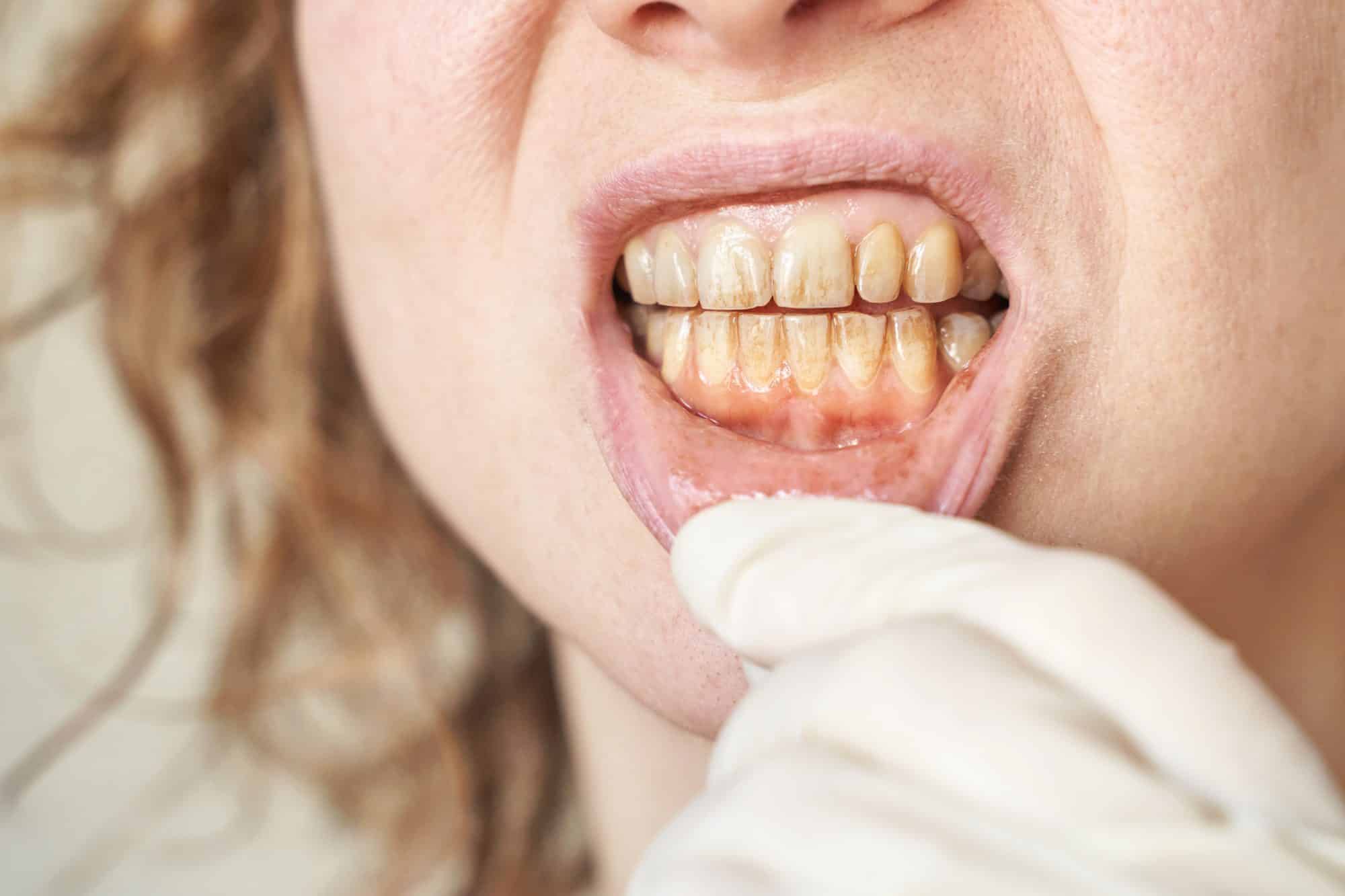
The nicotine and tar found in tobacco products can gradually leave teeth looking yellow or brown. Smoking can also interfere with healthy blood flow to the gums, making it harder for gum tissue to stay healthy and recover from infection or dental treatment.
If you smoke and are concerned about the appearance or health of your teeth and gums, quitting smoking is one of the most beneficial changes you can make for both your oral and general health.
Smoking and Oral Health
Good oral health is important at every stage of life. Problems affecting your teeth and gums can influence how comfortably you eat, speak and smile, while certain oral health conditions can also be connected with your wider wellbeing.
Many factors can contribute to dental problems, and tobacco use is an important one.
Smoking exposes the mouth to numerous chemicals and can interfere with the body’s normal ability to protect and repair oral tissues. When smoking is combined with inadequate brushing, flossing or irregular dental visits, the likelihood of developing dental problems can increase considerably.
Oral Health Problems Associated With Smoking
Smoking can affect your mouth in several ways. Nicotine and tar can stain the teeth, while tobacco use may also affect circulation within the gum tissues.
People who smoke may have an increased risk of developing problems such as:
- Gum disease
- Oral cancer
- Tooth loss, particularly when associated with advanced gum disease
- Tooth decay
- Dry socket following an extraction
- Persistent bad breath
- Yellow or brown tooth discolouration
- Reduced blood and oxygen supply to gum tissues
- Increased plaque and tartar accumulation
- Reduced likelihood of successful dental implant treatment
- Slower healing following tooth extraction, gum surgery and other dental procedures
Regular dental examinations become particularly important for smokers because some oral health problems may progress without causing obvious symptoms in their earliest stages.
Smoking and Periodontal Disease
Smoking is a significant risk factor for periodontal disease, commonly known as gum disease.
Plaque is a sticky film containing bacteria that continuously forms on the surfaces of your teeth. When plaque is not adequately removed through brushing, interdental cleaning and professional dental care, it can accumulate around and beneath the gum line.
The bacteria within plaque can cause inflammation and infection in the tissues that support your teeth.
Gingivitis: The Early Stage of Gum Disease
Gingivitis is the earliest stage of gum disease. Symptoms may include red, swollen, tender or bleeding gums.
At this stage, the condition can usually be reversed when the underlying plaque is removed and good oral hygiene is restored.
Early treatment is important because untreated gingivitis can progress into a more serious condition.
Periodontitis: Advanced Gum Disease
Periodontitis develops when gum disease progresses beyond the gums and begins damaging the structures supporting the teeth, including the periodontal ligament and jawbone.
As these tissues deteriorate, teeth can become loose and may eventually be lost.
If you smoke and have noticed changes in your gums, arranging a dental examination is particularly important.
How Smoking Affects Your Gums
Smoking can interfere with blood circulation within the gum tissues and affect the normal function of cells involved in healing and immune defence.
This can make it harder for your body to respond effectively to bacterial infection.
One problem is that smoking can sometimes mask obvious signs of gum disease. For example, reduced blood flow may mean that a smoker’s gums do not bleed as noticeably even when disease is present.
Smoking may also slow healing following procedures such as:
- Tooth extraction
- Gum treatment
- Dental implant placement
- Oral surgery
Quitting smoking can therefore support both your long-term gum health and your body’s ability to recover after dental treatment.
Warning Signs of Gum Disease in Smokers
If you smoke, pay attention to changes in your gums and teeth.
Possible warning signs include:
- Red or swollen gums
- Persistent unpleasant taste
- Ongoing bad breath
- Tender gums
- Bleeding gums
- Tooth sensitivity
- Loose teeth
- Pain when chewing or biting
- Receding gums
- Changes in the way your teeth fit together when biting
Some people may experience only mild symptoms despite having significant gum disease. Regular professional examinations can help identify problems that may otherwise be missed.
Maintaining effective oral hygiene, removing plaque and tartar professionally when necessary, attending routine dental examinations and quitting smoking can all contribute to healthier teeth and gums.
If you are concerned about your oral health, contact Dental Nook on 07 3124 0248.
Smoking and Teeth Discolouration
A brighter smile can make many people feel more confident, but tobacco use can gradually change the natural colour of teeth.
Smoking is a common cause of external tooth staining. Over time, nicotine and tar can become trapped within microscopic irregularities on the tooth surface.
Nicotine itself is relatively colourless, but when exposed to oxygen it can develop a yellowish appearance. Combined with tar and other tobacco residues, this can cause teeth to appear yellow, brown or darker over time.
The amount of staining can depend on factors such as:
- How frequently you smoke
- How long you have smoked
- Your oral hygiene routine
- Your diet
- The condition of your enamel
- Previous dental treatment
Stopping smoking can help prevent additional tobacco staining, although existing discolouration may require professional treatment.
Teeth Whitening for Tobacco Stains
Long-term tobacco stains can sometimes be difficult to remove using ordinary brushing alone.
The most appropriate whitening method depends on whether the discolouration is primarily on the tooth surface or has penetrated deeper into the tooth.
A dental examination before whitening is important because not every type of discolouration responds to bleaching.
Teeth Whitening Options
Depending on your teeth and the type of staining present, whitening options may include:
- Professional in-chair teeth whitening
- Dentist-supervised take-home whitening
- Over-the-counter whitening products
- Whitening toothpaste for certain surface stains
A dental professional can assess your teeth and help determine which approach is appropriate.
Professional Teeth Whitening
When staining is significant, ordinary whitening toothpaste and home remedies may not produce the desired improvement.
Professional whitening allows the concentration and application of the whitening product to be controlled while steps are taken to protect the gums and surrounding soft tissues.
Before treatment, your teeth and gums should be examined to determine whether whitening is suitable.
Whitening may not be recommended immediately if you have problems such as untreated tooth decay, active gum disease or significant tooth sensitivity.
What Happens During In-Chair Teeth Whitening?
The exact procedure varies depending on the whitening system being used, but treatment commonly involves several stages.
1. Assessing Your Teeth
Your teeth and gums are examined and the existing tooth shade may be recorded. Your desired outcome can also be discussed before treatment begins.
2. Protecting Your Gums
A cheek retractor may be used to keep the lips and cheeks away from the teeth.
A protective barrier is then placed over the gums to reduce contact between the whitening agent and sensitive soft tissues.
3. Applying the Whitening Gel
Professional whitening gel is carefully applied to the visible surfaces of the teeth.
Depending on the whitening system, the gel remains on the teeth for a specified period before being removed or refreshed.
Some whitening systems may use a light as part of the treatment protocol, while others do not require one.
4. Checking the Result
Once treatment is complete, the whitening material and protective barriers are removed and the teeth are assessed.
Temporary tooth sensitivity can occur after whitening, so aftercare instructions may be provided.
In some cases, take-home whitening trays may also be recommended to maintain or further improve the result.
It is important to remember that teeth whitening is not permanent. Continuing to smoke can cause new staining and reduce how long your whitening results remain noticeable.
At-Home Teeth Whitening Treatments
For people who prefer gradual whitening at home, dentist-supervised take-home treatments may be an option.
These systems usually involve custom trays and whitening gel that are used according to professional instructions.
Professional Take-Home Whitening Kits
Tray-based whitening generally falls into two categories:
- Custom-made trays supplied through a dental clinic
- Generic trays purchased over the counter
Custom trays are designed specifically around your teeth, which can improve fit and help control where the whitening gel is applied.
Custom-Fitted Take-Home Whitening Trays
The process generally begins with impressions or digital scans of your upper and lower teeth.
These are used to create whitening trays designed specifically for your mouth.
Once your trays are ready, you will receive whitening gel and instructions explaining:
- How much gel to place in each tray
- How to insert and remove the trays
- How long to wear them
- How frequently treatment should be performed
- What to do if sensitivity develops
Take-home whitening often produces results more gradually than an in-chair procedure.
Treatment duration depends on the whitening system, concentration of the gel and your individual dental needs.
Always follow the instructions supplied by your dental professional rather than increasing the amount or frequency of whitening gel yourself.
Over-the-Counter Whitening Trays
Generic whitening trays are widely available and may improve some types of tooth staining.
However, because they are designed to fit many different mouths, they may not fit your teeth as accurately as custom-made trays.
Poorly fitting trays may also allow whitening gel to contact the gums, potentially causing irritation.
Over-the-Counter Teeth Whitening Products
Not everyone chooses professional whitening. Supermarkets and pharmacies offer various products designed to improve tooth colour, including whitening strips, gels and toothpastes.
Results can vary significantly depending on the cause and severity of the staining.
Whitening Strips and Gels
Whitening strips are thin flexible strips coated with a whitening agent. They are placed directly over the teeth for a specified amount of time.
Whitening gels may be applied using brushes, trays or other applicators depending on the product.
These products may improve certain surface stains but may not produce an even result when teeth are crowded, rotated or significantly discoloured.
For people who continue smoking, staining may return quickly even after whitening.
Whitening Toothpaste
Whitening toothpaste mainly works by helping remove external surface stains rather than changing the underlying colour of the tooth.
Some products contain abrasive ingredients. Excessive or inappropriate use of highly abrasive products can contribute to enamel wear and tooth sensitivity.
Before beginning any whitening treatment, particularly if you already have sensitive teeth, fillings, crowns, veneers or gum problems, speak with your dental professional.
What Are the Benefits of Giving Up Smoking?
Quitting tobacco can provide significant benefits for both your mouth and your overall health.
Even if you have smoked for many years, stopping can still improve your health and reduce future risks.
Some benefits associated with quitting smoking include:
- Reduced risk of several cancers
- Reduced risk of gum disease and other oral health problems
- Lower cardiovascular risk
- Improvements in blood pressure and circulation
- Improved lung function over time
- Reduced risk of developing certain chronic diseases
- Fresher breath
- Reduced tobacco staining of the teeth
- Better healing following dental procedures
- Improved gum health
- Reduced likelihood of future tobacco-related staining
- Improved sense of taste and smell
- Greater chance of maintaining your natural teeth for longer
Quitting can be difficult because nicotine is addictive. Cravings and withdrawal symptoms are common, particularly during the early stages.
Professional smoking-cessation support can make the process more manageable. Your GP, pharmacist or appropriate smoking-cessation service can help you explore suitable evidence-based options.
Protect Your Smile With Dental Nook
Smoking can affect almost every part of your mouth, from the colour of your teeth to the health of your gums and the way your mouth heals following dental treatment.
Quitting smoking is one of the most meaningful steps you can take to protect your oral and overall health.
If smoking has left you concerned about stained teeth, bleeding gums, bad breath, loose teeth or other changes in your mouth, Dental Nook can assess your oral health and discuss appropriate treatment options.
For teeth whitening, gum care, professional cleaning or a general dental assessment, contact Dental Nook.
Call Dental Nook on 07 3124 0248 to arrange an appointment.