
Sleep Dentistry in Brisbane: Comfortable Dental Care at Dental Nook
Introduction to Sleep Dentistry at Dental Nook
For many people, visiting the dentist is not as simple as sitting in the chair and having treatment completed. Dental anxiety, fear of needles, a sensitive gag reflex, previous unpleasant dental experiences, or the thought of undergoing a lengthy procedure can make dental appointments extremely stressful.
At Dental Nook, sleep dentistry is designed to make dental treatment feel calmer, more manageable, and considerably more comfortable for patients who struggle with these concerns.
You may have heard terms such as dental sedation, sedation dentistry, twilight sedation, happy gas, or sleep dentistry. While these techniques vary in how they work and the level of relaxation they provide, they share a common purpose: helping patients receive necessary dental care with less fear and discomfort.
Our approach combines appropriate sedation techniques with compassionate dental care and careful treatment planning. For patients who have postponed dental treatment because of anxiety or previous negative experiences, sleep dentistry may provide a more comfortable way to return to regular dental care.
What Makes Sleep Dentistry at Dental Nook Different?
Sleep dentistry is about more than simply administering sedation. The entire dental experience needs to be planned around the patient’s comfort, safety, medical history, level of anxiety, and the treatment being performed.
At Dental Nook, we understand that dental fear can range from mild nervousness to severe dental phobia. Some patients may feel uneasy about injections, while others become anxious as soon as they enter a dental clinic. There are also patients who struggle with lengthy appointments, complex dental procedures, or a strong gag reflex.
Different sedation options can therefore be considered according to the patient’s circumstances.
For some patients, inhalation sedation such as nitrous oxide may provide enough relaxation. Others may benefit from oral sedation or IV sedation, sometimes referred to as twilight sedation. More extensive procedures may require a deeper level of sedation or general anaesthesia where clinically appropriate.
Whether you require routine dental treatment or more involved dental work, our goal is to create an experience in which you feel supported and comfortable throughout your appointment.
Compassionate Dental Care in Brisbane
Why Patients Consider Dental Nook for Sleep Dentistry in Brisbane
Choosing a dental clinic when you already feel anxious about dentistry can be difficult. A clinical environment, unfamiliar equipment, previous experiences, or uncertainty about what will happen can intensify existing dental fears.
Dental Nook takes a patient-focused approach to sedation dentistry.
Rather than dismissing dental anxiety, we recognise it as a genuine concern. Before treatment begins, we take time to understand what makes you uncomfortable, discuss the treatment being recommended, and explain the sedation options that may be appropriate.
Whether you are visiting for preventive dental care or require more extensive treatment, our aim is to make the process easier from your initial consultation through to your recovery.
Our Commitment to Patient Comfort and Safety
Patient safety is an essential part of sedation dentistry.
The appropriate sedation method depends on several factors, including your general health, medical history, medications, anxiety level, treatment requirements, and the anticipated length and complexity of the procedure.
Where deeper sedation or anaesthesia is required, appropriate monitoring and clinical protocols are used throughout treatment. Depending on the sedation technique and procedure, this may involve monitoring important vital signs such as breathing, oxygen levels, heart rate, and blood pressure.
The objective is not simply to make you sleepy. It is to provide the appropriate level of sedation while maintaining careful clinical oversight throughout the procedure.
From selecting suitable sedative medications to providing local anaesthetic where appropriate, every part of the process is planned with both comfort and safety in mind.
Helping Patients Change Their Dental Experience
One of the most significant advantages of sedation dentistry is what it can mean for someone who has avoided the dentist for years.
Dental anxiety can create a difficult cycle. A person becomes afraid of treatment, delays dental appointments, develops more complicated dental problems and then becomes even more concerned because the treatment required may now be more extensive.
Sleep dentistry can help interrupt that cycle.
Patients who previously struggled to sit through an appointment may find they can receive necessary treatment in a much calmer state. Those who have postponed treatment because of severe anxiety may also feel more confident returning to the dentist once they know sedation options are available.
The real benefit is not simply getting through one dental procedure. It can help patients rebuild confidence in receiving ongoing dental care.
Understanding the Sleep Dentistry Experience
Sedation dentistry can sound complicated if you have never experienced it before.
In simple terms, sedation dentistry uses medication to reduce anxiety and help you relax while dental treatment is performed. The depth of sedation varies depending on the technique used.
Some patients remain fully awake but noticeably calmer. With deeper forms of conscious sedation, you may become very drowsy and remember little about the appointment. General anaesthesia, by comparison, produces unconsciousness and is used only where appropriate.
Sleep dentistry can be particularly useful for patients who experience:
- Dental anxiety or dental phobia
- Fear of needles
- A strong or hypersensitive gag reflex
- Difficulty sitting through lengthy procedures
- Previous traumatic dental experiences
- Anxiety surrounding dental sounds, smells, or instruments
- A need for multiple or complex procedures
- Difficulty becoming comfortable during dental treatment
For suitable patients, sedation can make an appointment that previously felt overwhelming much easier to manage.
Sedation Techniques at Dental Nook: Focusing on Patient Comfort
There is no single sedation technique that is appropriate for everyone.
The type and depth of sedation should be selected according to the individual patient and the dental procedure being performed.
Options may include inhalation sedation using nitrous oxide, oral sedation, IV sedation, and general anaesthesia where clinically appropriate.
Some techniques are designed to reduce mild anxiety while allowing you to remain completely responsive. Others provide a much deeper level of relaxation.
For procedures requiring general anaesthesia, the patient is unconscious for the treatment. Appropriate assessment, monitoring, facilities, and qualified clinical personnel are required whenever deeper sedation or anaesthesia is used.
Your suitability for a particular sedation method will be assessed before treatment.
Preparing for Your First Sedation Dentistry Appointment
A comfortable sedation dentistry experience starts before the actual procedure.
Before treatment, you will generally need to discuss your medical history, current medications, allergies, previous experiences with sedation or anaesthesia, and any concerns you have about dental treatment.
Be open about your anxiety. Knowing exactly what worries you helps the dental team plan your appointment appropriately.
You may also receive specific pre-treatment instructions depending on the type of sedation being used.
For IV sedation or general anaesthesia, these instructions may include fasting for a specified period before treatment. Certain medications may also need to be discussed beforehand. Do not stop or change prescribed medication unless you have been specifically instructed to do so by an appropriate healthcare professional.
If your sedation affects your ability to drive safely, you will need to arrange for a responsible adult to take you home after the procedure and follow any supervision instructions provided to you.
Ask questions before your appointment. Understanding what will happen before, during, and after sedation can make the entire experience feel considerably less intimidating.
Sleep Dentistry Clinic in Brisbane
The Dental Nook Approach
At Dental Nook, sedation dentistry is intended to complement high-quality dental treatment rather than replace careful patient care.
The objective is to provide an environment where people who would otherwise struggle with dental treatment can receive the care they need while feeling more relaxed.
Experience with Sedation Dentistry
Sedation dentistry requires careful assessment and treatment planning.
Different patients respond differently to sedative medications, which is why the sedation method and dosage need to be selected according to individual circumstances.
Pain management is also considered separately from sedation. Sedation can reduce anxiety and awareness, while local anaesthetic may still be required to numb the treatment area.
Modern Dental Facilities and Equipment
Appropriate facilities and monitoring equipment are particularly important when sedation is involved.
Modern dental technology can also assist with diagnosis, treatment planning, efficiency, and patient comfort during procedures.
Combining suitable equipment with careful clinical protocols allows dental treatment to be carried out in a controlled environment.
Patient-Centred Dental Care
For nervous patients, communication can be just as important as the treatment itself.
Before beginning, we aim to explain what to expect and give patients an opportunity to discuss their concerns.
Depending on your needs, nitrous oxide may be considered for lighter relaxation, while IV sedation can provide a deeper level of conscious sedation.
The objective is to select the least intensive sedation method that can safely and appropriately help you receive the treatment you need.
Different Sedation Options
Sedation requirements vary considerably between patients.
Options that may be considered include:
- Nitrous oxide or happy gas
- Oral sedation
- IV sedation or twilight sedation
- General anaesthesia where appropriate
The recommended option will depend on your medical circumstances, anxiety level, treatment requirements, and other relevant clinical factors.
How Sleep Dentistry Can Help With Dental Anxiety
Managing Dental Phobia With Sedation Dentistry
Dental phobia can make even a routine examination feel overwhelming.
For some people, the fear becomes severe enough that they avoid dental treatment altogether. Unfortunately, delaying treatment can allow relatively minor dental issues to become more complicated.
Sleep dentistry provides another option for anxious patients.
Depending on the level of anxiety and the procedure required, sedation may help you remain calmer during anything from routine dental treatment to more extensive procedures.
The goal is not to force anxious patients through an uncomfortable experience. It is to adapt the dental experience so that receiving treatment becomes more manageable.
Creating a Relaxing Dental Experience
Your experience begins before sedation is administered.
Discussing your fears and understanding the procedure can reduce uncertainty. Once an appropriate sedation option has been selected, medication may be administered before or during the appointment depending on the technique.
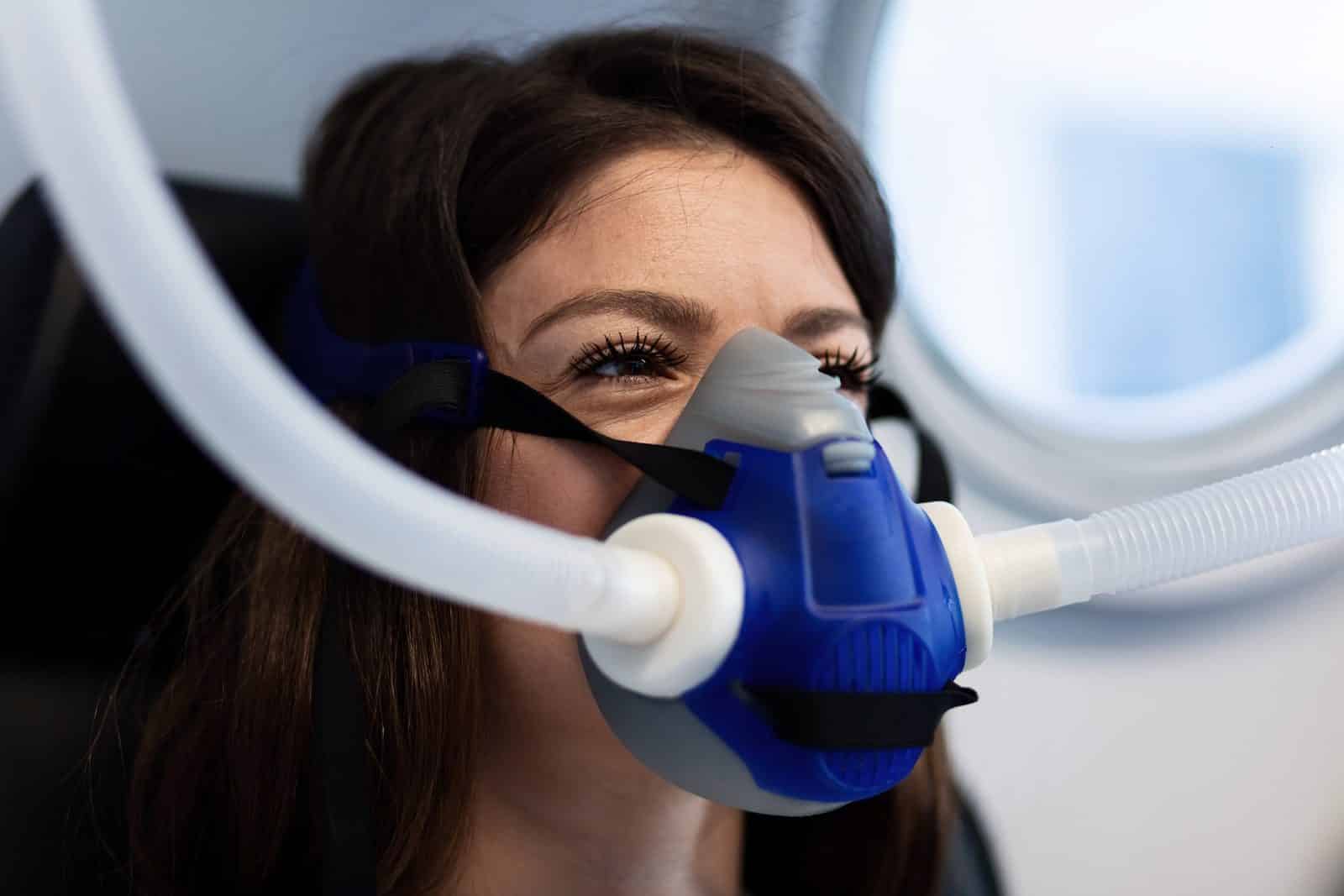
Nitrous oxide is inhaled through a small mask. Oral sedation is generally taken as medication before treatment. IV sedation is administered intravenously and can provide a deeper state of relaxation.
Throughout the procedure, the level of sedation and your wellbeing are monitored according to the technique being used.
Safety Measures for Sedation Dentistry
Sedation should always be approached carefully.
Before receiving sedation, your suitability needs to be assessed. Relevant medical conditions, medications, allergies, previous reactions to anaesthesia, and other health factors should be discussed.
Different levels of sedation require different monitoring, facilities, equipment, and appropriately qualified personnel.
Following your pre-operative and post-operative instructions is equally important for reducing unnecessary risks.
Sedation Options for a More Comfortable Dental Experience
Choosing an appropriate sedation technique depends on both the patient and the procedure.
A person experiencing mild anxiety during a dental clean will have very different requirements from someone undergoing multiple surgical extractions.
Here are some of the sedation options that may be considered.
Happy Gas: What Is It and How Does It Work?
Nitrous oxide, commonly called happy gas or laughing gas, is a form of inhalation sedation.
A mixture containing nitrous oxide is breathed through a small mask placed over your nose. Within a short period, many patients begin to feel calmer and more relaxed.
You generally remain awake and able to communicate throughout treatment.
One advantage of nitrous oxide is that its effects usually wear off relatively quickly once administration stops. Your dental team will advise when it is safe for you to leave and whether any restrictions apply after your appointment.
Happy gas may be useful for adults and children who experience mild to moderate dental anxiety, although suitability must always be assessed individually.
IV Sedation: A Deeper Level of Relaxation
IV sedation, or intravenous sedation, involves administering sedative medication through a vein.
It provides a deeper level of relaxation than nitrous oxide and is sometimes called twilight sedation.
Under IV sedation, patients are generally very relaxed and drowsy but can usually still respond to verbal instructions or gentle prompts. Many patients remember very little about the procedure afterwards.
IV sedation may be considered for:
- Significant dental anxiety
- Longer dental procedures
- Complex treatment
- Multiple treatments being completed during one appointment
- Patients who have struggled with previous dental experiences
Because IV sedation produces a stronger sedative effect, appropriate monitoring is required throughout treatment, and you will generally need someone to accompany you home afterwards.
Oral Sedation: Medication to Help You Relax
Oral sedation involves taking prescribed sedative medication before dental treatment.
It may be suitable for patients who experience mild to moderate dental anxiety and need additional help relaxing before or during their appointment.
Unlike general anaesthesia, oral sedation does not normally make you completely unconscious. Instead, it reduces anxiety and may make you feel sleepy or deeply relaxed.
The strength of the effect varies depending on the medication, dosage, and individual patient.
When sedation is being considered for children, the approach must be carefully assessed according to the child’s health, age, treatment requirements, and other relevant clinical considerations.
General Anaesthetic: Unconsciousness During Dental Treatment
General anaesthesia is different from conscious sedation.
Under general anaesthesia, you are fully unconscious during the procedure.
It may be considered for certain complex dental procedures, patients with particular clinical requirements, or situations where extensive treatment needs to be completed and other sedation options are unsuitable.
General anaesthesia requires appropriate facilities, monitoring, and qualified anaesthetic personnel.
Patients typically have no awareness of the dental procedure while under general anaesthesia and little or no memory of it afterwards.
Suitability must be determined following an appropriate assessment.
Sleep Dentistry Near Me in Brisbane
If dental anxiety has caused you to delay treatment, searching for a sleep dentist near you may be the first step towards receiving the care you need.
At Dental Nook, we can discuss your concerns, assess the dental treatment required, and explain which sedation options may be appropriate for your circumstances.
The right approach depends on more than anxiety alone. Your medical history, treatment complexity, medications, age, and overall health all need to be considered.
Frequently Asked Questions About Sleep Dentistry
The cost of sleep dentistry varies because there is no single type of sedation or dental procedure.
Your overall cost can depend on:
- The type of sedation required
- The length of the procedure
- The dental treatment being completed
- Whether additional clinical personnel are required
- The complexity of your treatment
- Your individual treatment plan
A consultation allows us to assess your requirements and provide more accurate information about the expected costs.
Private health insurance may provide benefits towards certain dental procedures or sedation services, but coverage varies considerably between policies and providers.
The amount you can claim may depend on your level of cover, waiting periods, annual limits, treatment codes, and the particular sedation service being provided.
Check directly with your health fund before treatment if you want to understand your expected rebate or out-of-pocket expenses.
In many cases, yes.
Sedation and local anaesthetic perform different jobs.
Sedation is primarily used to reduce anxiety, awareness, and distress. Local anaesthetic is used to numb the area being treated and prevent pain.
For this reason, local anaesthetic is commonly used alongside dental sedation unless there is a medical reason not to use it.
If you have previously experienced problems with local anaesthetic, have an allergy or suspected allergy, or are concerned that local anaesthetic has not worked effectively for you in the past, tell the dental team before your procedure.
Experience More Comfortable Dentistry at Dental Nook
Dental fear should not have to prevent you from looking after your oral health.
Whether you experience mild nervousness, severe dental anxiety, a strong gag reflex, fear of needles, or difficulty undergoing longer procedures, sedation dentistry may make receiving dental care considerably easier.
At Dental Nook, our focus is on finding an approach suited to your treatment requirements, comfort level, and individual circumstances.
From happy gas and oral sedation to IV sedation and deeper sedation options where clinically appropriate, we can discuss the available choices and help you understand what to expect before treatment begins.
If you have been delaying dental treatment because of anxiety, contact Dental Nook to discuss whether sleep dentistry may be suitable for you.
Dental Nook
Phone: 07 3124 0248
Book a consultation and take the first step towards a calmer, more comfortable dental experience.