
Oral Cancer Screening in Brisbane: Signs, Risks and Early Detection
What Is Oral Cancer?
Oral cancer, sometimes called mouth cancer, occurs when abnormal cancerous cells develop within the tissues of the mouth or surrounding areas. It may affect the lips, tongue, gums, cheeks, floor of the mouth, hard or soft palate, throat, and other nearby tissues.
Oral cancer belongs to the broader group of head and neck cancers. Like many cancers, it can become life-threatening, particularly when it is not identified until it has reached a more advanced stage.
Although oral cancer can affect people of different ages, the risk generally increases with age, particularly after 40. Certain lifestyle and health factors can further increase a person’s risk.
One of the major concerns surrounding oral cancer is that early changes can sometimes be subtle or painless. This means a person may not immediately realise that something is wrong. When oral cancer is diagnosed at a later stage, it may already have spread to nearby tissues or lymph nodes, making treatment more complicated.
This is why understanding the warning signs and attending appropriate dental and medical examinations are so important.
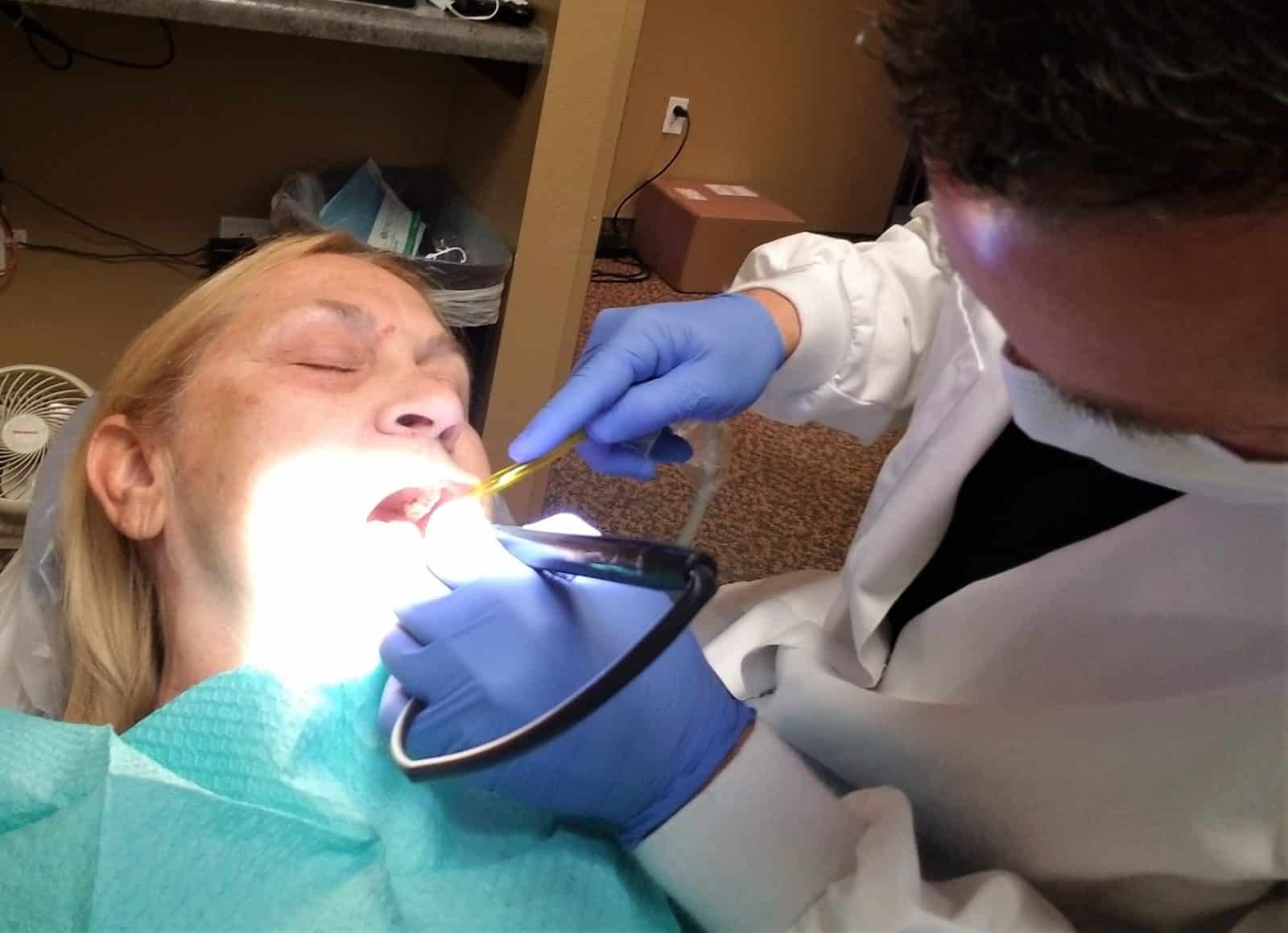
Oral Cancer Awareness
Awareness + Early Detection = A Better Opportunity for Successful Treatment
Being aware of changes inside your mouth can play an important role in protecting your oral health.
Cancerous cells can develop and multiply without producing obvious symptoms in their earliest stages. Oral cancer is no different. Some changes may initially appear to be a minor ulcer, unusual patch, small lump, or irritation that seems harmless.
Increasing awareness helps people recognise when a change should not be ignored.
Early diagnosis can allow appropriate treatment to begin sooner. Your dentist or another suitably qualified healthcare professional may identify suspicious changes during an examination and recommend further investigation where necessary.
Late detection can make oral cancer more difficult to manage. For this reason, persistent or unexplained changes in your mouth should always be professionally assessed.
Did you know? April is recognised internationally as Oral Cancer Awareness Month, helping encourage greater awareness of oral cancer symptoms, risk factors, prevention, and early detection.
What Are the Early Signs and Symptoms of Oral Cancer?
Oral cancer can occur in different areas of the mouth, including the:
- Tongue
- Gums
- Inner cheeks
- Lips
- Floor of the mouth
- Hard palate
- Soft palate
- Throat and surrounding tissues
Knowing what is normal for your mouth can make unusual changes easier to recognise.
Signs and Symptoms of Oral Cancer
Arrange a professional assessment if you notice symptoms such as:
- Pain or difficulty when chewing
- Difficulty or discomfort when swallowing
- Persistent red or white patches inside the mouth
- A mouth sore or ulcer that does not heal
- An unexplained lump or thickened area
- Swollen lymph nodes or glands
- Unexplained numbness or tingling in the mouth
- Persistent tenderness in an area of the mouth
- Difficulty moving the tongue
- Difficulty opening or moving the jaw
- A lump that may be painful or painless
- Unexplained ear pain
- Persistent mouth pain
- Unexplained weight loss
- A persistent sore throat
- Ongoing hoarseness or changes to the voice
Having one of these symptoms does not automatically mean you have oral cancer. Many of these symptoms can be caused by other dental or medical conditions.
However, changes that persist, worsen, repeatedly return, or have no obvious explanation should not be ignored.
Regular dental examinations can also provide an opportunity for abnormalities within the mouth to be identified and investigated appropriately.
What Are the Risk Factors for Oral Cancer?
Anyone can potentially develop oral cancer, but certain factors may increase the likelihood.
Common risk factors include:
- Tobacco use
- Smoking
- Excessive alcohol consumption
- Prolonged sun exposure, particularly affecting the lips
- Increasing age
- Previous cancer history
- Certain family history factors
- Human papillomavirus (HPV) infection
- A combination of smoking and heavy alcohol consumption
Tobacco Use
Smoking and other forms of tobacco exposure are strongly associated with an increased risk of oral cancer.
Avoiding tobacco or quitting smoking can significantly benefit both your oral and overall health.
Sun Exposure
Long-term exposure to ultraviolet radiation can increase the risk of cancer affecting the lips.
If you regularly spend extended periods outdoors, protecting your lips from excessive sunlight can be worthwhile. A lip balm containing appropriate SPF protection may help reduce UV exposure.
Alcohol Consumption
Heavy or prolonged alcohol consumption is another recognised risk factor for oral cancer. The risk can become even greater when heavy alcohol consumption is combined with tobacco use.
Human Papillomavirus (HPV)
Certain strains of human papillomavirus are associated with some cancers affecting the mouth and throat.
HPV is a common virus that can be transmitted through intimate skin-to-skin and sexual contact.
Age and Sex
Oral cancer can occur at different ages, but risk tends to increase as people get older. Historically, men have also experienced higher rates of oral cancer than women.
However, anyone can develop oral cancer, so symptoms should never be dismissed simply because someone does not fit a traditional high-risk profile.
Oral Cancer Screening in Brisbane
What Is an Oral Cancer Screening?
An oral cancer screening is an examination of the mouth and surrounding areas for abnormalities that may require further investigation.
At Dental Nook, routine dental examinations provide an opportunity to assess your oral tissues and identify unusual changes that may need closer attention or referral.
Oral cancer screening itself does not usually require special preparation.
During an examination, the mouth may be checked for changes involving areas such as the:
- Lips
- Tongue
- Gums
- Inner cheeks
- Roof of the mouth
- Floor of the mouth
- Throat and surrounding tissues
The head and neck may also be assessed where appropriate for unusual swelling or lumps.
The purpose is to identify suspicious changes as early as possible. An oral examination cannot, by itself, definitively diagnose cancer. If an abnormal area is identified, further investigation or referral may be recommended.
Why Is Early Detection Important?
Early detection can make a significant difference in the management of oral cancer.
When suspicious tissue changes are identified earlier, further diagnostic testing can be arranged sooner. If cancer is confirmed, treatment may potentially begin before the disease has progressed further.
This is one reason regular dental check-ups remain an important part of preventive oral healthcare.
It is equally important not to wait for your next routine appointment if you discover an unexplained lump, persistent ulcer, unusual patch, or another concerning symptom.
What Happens During an Oral Cancer Examination?
The examination is generally straightforward and can often form part of a broader dental assessment.
Your mouth may be visually examined for:
- Persistent ulcers
- Red or white patches
- Unusual tissue colour
- Lumps
- Thickened tissue
- Swelling
- Unexplained lesions
- Changes affecting the tongue or gums
Areas around the jaw and neck may also be assessed when clinically appropriate.
If something unusual is found, this does not necessarily mean it is cancer. Many oral abnormalities are benign. However, further assessment may be recommended to establish the cause.
Stages of Oral Cancer
Cancer staging is used by medical specialists to describe the size and extent of cancer and whether it has spread.
Oral cancer is generally classified from Stage I through Stage IV. The exact stage is determined using clinical examination, imaging, biopsy results, lymph-node involvement and other diagnostic information.
Stage I
The cancer is relatively small and has not spread to nearby lymph nodes or distant areas.
Stage II
The tumour is larger than at Stage I but remains relatively localised, without evidence of spread to nearby lymph nodes in typical staging scenarios.
Stage III
The cancer may be larger or may have spread to a nearby lymph node.
Stage IV
This represents more advanced disease and may involve nearby structures, multiple or larger lymph nodes, or distant parts of the body.
Cancer staging is more complex than tumour size alone, and staging systems can change as medical guidelines are updated. A specialist medical team determines the actual stage following appropriate diagnostic testing.
Is Oral Cancer Surgery Dangerous?
All surgical procedures involve potential risks, and oral cancer surgery is no exception.
Depending on the location and extent of the cancer, surgery may be recommended to remove cancerous tissue. The specific procedure and its risks vary considerably from one patient to another.
Possible complications can include:
- Bleeding
- Infection
- Swelling
- Pain or discomfort
- Temporary or ongoing difficulty eating
- Changes affecting speech or swallowing
- Changes to appearance or oral function, depending on the area treated
For people diagnosed with oral cancer, treatment planning is generally undertaken by an appropriately qualified medical and specialist healthcare team.
Treatment may involve surgery alone or a combination of surgery, radiation therapy, chemotherapy, or other treatments depending on the diagnosis.
Do Dentists Check for Signs of Oral Cancer?
Dentists routinely examine the soft tissues of the mouth as part of comprehensive oral healthcare and may identify abnormalities that warrant further investigation.
However, an oral examination by a dentist is not the same as receiving a definitive cancer diagnosis.
If suspicious tissue is identified, additional assessment may be necessary. This can include referral to an appropriate specialist for further examination, imaging, biopsy, or other diagnostic procedures.
If you are particularly concerned about oral cancer because of symptoms or known risk factors, tell the dental team when arranging or attending your appointment.
How Often Should You Have an Oral Cancer Screening?
There is no single screening interval that is appropriate for every person.
How often your oral tissues should be assessed depends on factors such as:
- Your age
- Smoking or tobacco history
- Alcohol consumption
- Previous oral abnormalities
- Medical history
- HPV-related risk factors
- Previous cancer diagnosis
- Family and personal health history
- Findings from previous examinations
For many people, examination of the mouth can form part of their regular dental check-up.
People with increased risk factors may require more frequent monitoring or additional assessment based on advice from their dentist, GP, or specialist.
More importantly, do not wait for a scheduled screening if you notice a concerning change.
An ulcer, lump, red or white patch, unexplained bleeding, persistent pain, swallowing difficulty, or another abnormality that does not resolve should be professionally assessed.
When Should You See a Dentist?
Consider arranging an appointment if you notice an unexplained change inside your mouth, particularly if it persists or continues to worsen.
You should seek professional advice for symptoms including:
- An ulcer that does not heal
- Persistent red or white patches
- An unexplained lump
- Ongoing mouth or throat pain
- Difficulty chewing or swallowing
- Persistent hoarseness
- Unexplained numbness
- Changes in tongue or jaw movement
- Swelling around the mouth, jaw, or neck
- Any oral change that concerns you
Many oral changes are caused by conditions other than cancer. Having them assessed, however, is far safer than assuming they will disappear on their own.
Take a Proactive Approach to Your Oral Health with Dental Nook
Being familiar with your mouth and recognising unusual changes can help you take action sooner when something does not seem right.
Regular dental examinations are also valuable because they allow your teeth, gums, and other oral tissues to be assessed as part of your ongoing preventive dental care.
At Dental Nook, our team can examine concerning oral changes and advise you on the appropriate next steps. If an abnormality requires further investigation, referral to an appropriate healthcare professional or specialist may be recommended.
If you have noticed a persistent ulcer, unexplained lump, unusual patch, or another change in your mouth, arrange an assessment rather than waiting for the problem to become more noticeable.
Contact Dental Nook to arrange your dental appointment.