
Myofunctional Orthodontics: Correcting Poor Oral Habits and Supporting Healthy Jaw Development
Myofunctional Orthodontics
Myofunctional orthodontics takes a broader approach to orthodontic care. Rather than focusing only on straightening crooked teeth, it considers the oral habits, muscle function, breathing patterns and jaw development that may contribute to orthodontic problems.
For growing children, habits such as mouth breathing, thumb sucking, incorrect tongue posture and abnormal swallowing patterns may influence how the jaws and teeth develop.
At Dental Nook, identifying these issues early can help determine whether myofunctional orthodontic treatment may support healthier oral development and improve tooth alignment.
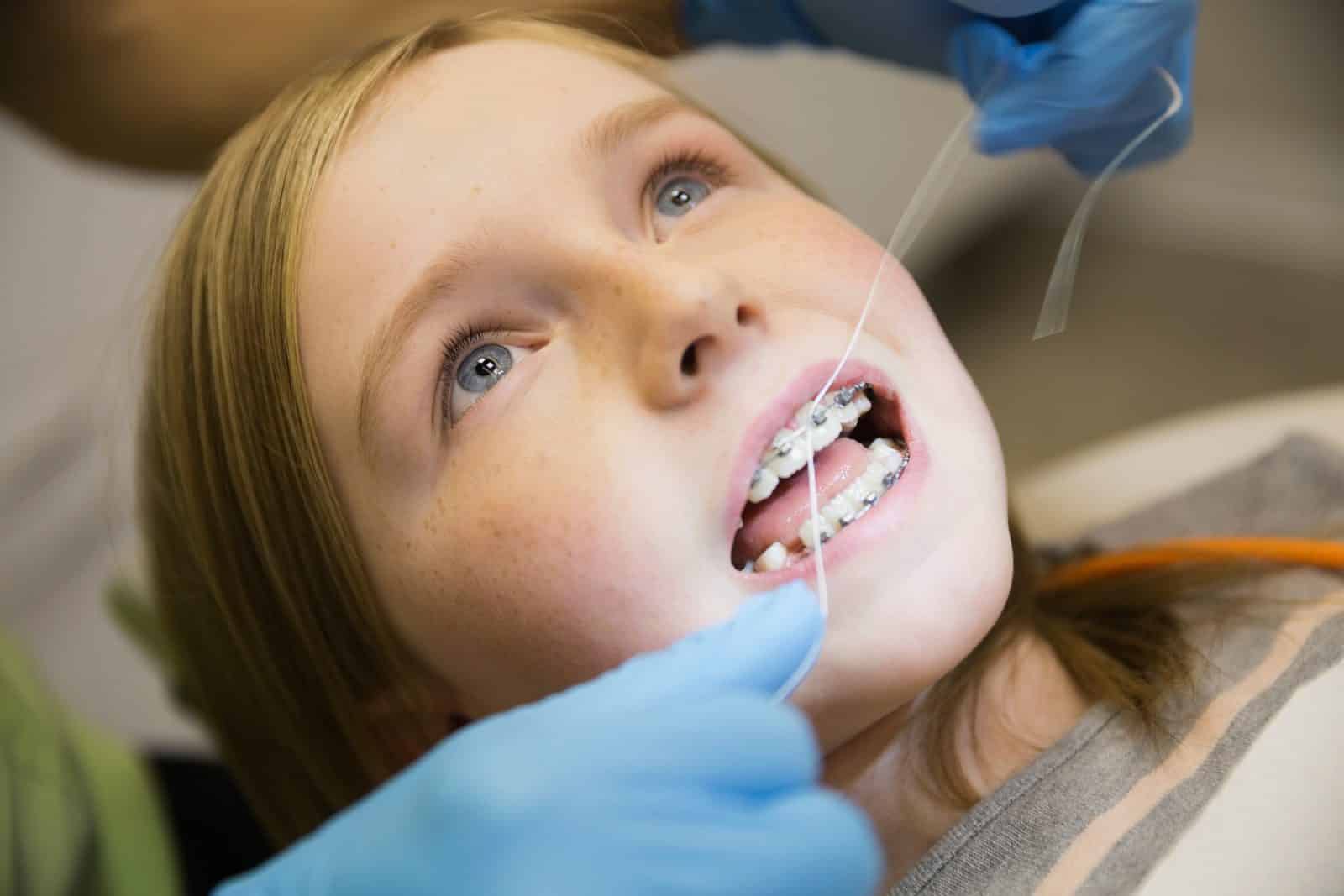
What Is Myofunctional Orthodontics?
Myofunctional orthodontics focuses on correcting dysfunctional oral and facial muscle habits that may interfere with normal jaw growth and tooth development.
Treatment may involve specially designed orthodontic appliances together with exercises intended to improve tongue position, swallowing, breathing and other oral habits.
Before looking more closely at myofunctional treatment, it helps to understand two important terms: occlusion and malocclusion.
What Is Occlusion?
Occlusion describes how the upper and lower teeth come together when you close your mouth.
With a healthy bite, the upper teeth generally sit slightly in front of the lower teeth, while the back teeth meet in a functional and balanced position.
Proper alignment allows the teeth and jaws to work effectively during everyday activities such as chewing and speaking.
What Is Malocclusion?
Malocclusion means that the upper and lower teeth do not meet correctly when the mouth is closed.
It may occur because of the position of the teeth, the development of the jaws or a combination of both. Malocclusion can contribute to crooked or poorly aligned teeth and may affect the way a child bites and chews.
Different forms of malocclusion can include:
- Crowded teeth
- Open bite
- Overbite
- Underbite
- Crossbite
- Crooked or rotated teeth
The severity and cause can vary considerably between children, which is why an individual dental and orthodontic assessment is important.
What Causes Orthodontic Problems and Crooked Teeth?
Malocclusion is an obvious contributor to crooked teeth, but the underlying reason for poor alignment is not always simply that the teeth have grown incorrectly.
A combination of oral habits, genetics, dental development, nutrition and injuries can influence how a child’s teeth and jaws develop.
Poor Oral and Myofunctional Habits
Certain habits during childhood may place repeated pressure on developing teeth and jaws.
These may include:
- Mouth breathing
- Thumb or finger sucking
- Tongue thrusting
- Incorrect swallowing patterns
- Poor resting tongue position
- Extended dummy or pacifier use
- Prolonged bottle use
When these behaviours continue for an extended period, they may influence the position of the teeth and the way the upper and lower jaws develop.
Addressing inappropriate oral habits during childhood may give the jaws a better opportunity to develop normally.
Genetic Factors
Genetics can also influence tooth and jaw development.
Children may inherit characteristics such as jaw size, tooth size and facial structure from their parents. For example, a child may inherit relatively large teeth together with a smaller jaw, increasing the likelihood of crowding.
Some bite and alignment problems may therefore occur even when a child maintains excellent oral hygiene.
Childhood Facial Injuries
An injury involving a child’s face, mouth or jaw may sometimes affect dental development.
Significant trauma can damage or displace teeth and, depending on the severity of the injury, potentially affect the position or development of the jaw.
If your child experiences facial or dental trauma, having the area professionally assessed is important even when there is no obvious immediate damage.
Premature Loss of Baby Teeth
Children usually begin losing their primary teeth at around six years of age as their permanent teeth gradually emerge.
Baby teeth have an important role beyond allowing a child to eat and speak. They also maintain space for the permanent teeth developing underneath.
If a baby tooth is lost significantly earlier than expected, neighbouring teeth may begin moving into the available space.
This can reduce the room available for the permanent tooth and potentially contribute to:
- Crowding
- Crooked permanent teeth
- Abnormal tooth eruption
- Bite problems
Regular dental visits during childhood allow the development and eruption of both baby and adult teeth to be monitored.
Poor Oral Hygiene
Good oral hygiene is another important part of healthy dental development.
Parents and caregivers should encourage children to brush and clean between their teeth from an early age.
Without appropriate oral care, children may develop:
- Tooth decay
- Cavities
- Gum inflammation
- Dental infections
- Premature tooth loss
When a tooth is lost too early because of severe decay or infection, neighbouring teeth can move into the empty space and potentially interfere with the eruption and alignment of permanent teeth.
Nutrition and Dental Development
Adequate nutrition is essential throughout childhood because the teeth, bones, muscles and other facial structures are still developing.
A balanced diet provides nutrients required for healthy teeth, bones and normal growth.
Poor nutrition may negatively affect general development and can also contribute to oral health problems. Supporting children with a balanced diet is therefore an important part of maintaining healthy teeth and overall wellbeing.
Can Malocclusion Be Corrected?
Treatment for malocclusion depends on several factors, including:
- The child’s age
- The type of bite problem
- Jaw development
- Tooth position
- Oral habits
- The severity of the malocclusion
One approach that may be considered for suitable growing children is myofunctional orthodontic treatment.
What Is Myobrace Treatment?
The Myobrace system is a form of preventative orthodontic treatment designed to address certain oral habits and functional factors that can contribute to poor jaw development and tooth misalignment.
Instead of concentrating solely on moving teeth, the system also focuses on behaviours such as mouth breathing, incorrect swallowing and poor tongue posture.
Treatment typically involves a series of removable intra-oral appliances.
Depending on the individual treatment plan, a child may be instructed to wear the appliance for a period during the day as well as while sleeping.
The appliances use gentle forces and are designed to support arch development while helping create appropriate space for emerging teeth.
Suitability varies from child to child, so an assessment is necessary before deciding whether this type of treatment is appropriate.
Correcting Oral Habits With Myobrace Treatment
An important component of myofunctional orthodontics is addressing habits that may be affecting the development of the teeth and jaws.
Treatment may encourage children to:
- Breathe through their nose when appropriate
- Develop a healthier swallowing pattern
- Position their tongue correctly
- Keep their lips together at rest
- Improve oral and facial muscle function
Changing these patterns takes consistency. An appliance by itself may not produce the desired result if the underlying habits continue.
Myobrace Activities and Exercises
Myofunctional treatment can also include specific activities and exercises.
Depending on the child’s needs, these may focus on:
- Nasal breathing
- Correct swallowing
- Appropriate resting tongue posture
- Lip function
- Cheek and facial muscle function
These exercises generally need to be performed consistently according to the treatment instructions.
Different appliances and exercises may be recommended depending on the child’s age, stage of dental development and orthodontic concerns.
Why Early Treatment Can Matter
Childhood is an important period for dental and facial development because the jaws are still growing.
Identifying habits such as prolonged thumb sucking, mouth breathing or tongue thrusting early may provide an opportunity to address them before they contribute to more significant orthodontic problems.
Early intervention does not mean that every child will avoid braces or other orthodontic treatment later.
Instead, the objective is to identify potentially harmful habits and developmental concerns while the child’s facial structures are still growing.
Can Myofunctional Orthodontics Help With Sleep-Related Problems?
The relationship between breathing, oral posture, airway function and sleep can be complex.
Children experiencing persistent mouth breathing, snoring or suspected sleep-disordered breathing should be properly assessed rather than assuming that an orthodontic appliance alone will resolve the problem.
Myofunctional therapy may form part of a broader management approach for certain patients, particularly where oral muscle function or breathing habits are involved.
However, conditions such as obstructive sleep apnoea require appropriate medical assessment and diagnosis. Treatment should be based on the underlying cause and may involve collaboration between dental and medical professionals.
Can Myofunctional Therapy Help Straighten Teeth?
Myofunctional orthodontics may assist dental development by addressing oral habits and muscle patterns that can influence tooth and jaw position.
Unlike conventional fixed braces, the approach is not based solely on applying continuous mechanical pressure to individual teeth.
Instead, treatment may focus on improving the environment in which the teeth and jaws are developing.
Depending on the child and the severity of their orthodontic problem, conventional orthodontic treatment may still be necessary.
How Can the Myobrace System Support Dental Development?
For appropriately selected children, myofunctional treatment may aim to:
- Support healthier jaw and dental arch development
- Address inappropriate swallowing patterns
- Encourage nasal breathing where appropriate
- Improve resting tongue posture
- Encourage the lips to remain together at rest
- Reduce certain harmful oral habits
- Create a more favourable environment for permanent teeth to erupt
- Support better alignment of the jaws and teeth
The outcome depends on factors such as the child’s age, diagnosis, growth, treatment compliance and the nature of the orthodontic problem.
What Is the Best Age for Myobrace Treatment?
There is no single ideal age that applies to every child.
Myofunctional orthodontic treatment is generally considered during the growing years, when the teeth and jaws are still developing. Depending on the child’s dental development and individual needs, treatment may be considered from early childhood through the teenage years.
Children approximately 5 to 15 years of age may potentially be assessed for this type of treatment, but age alone does not determine suitability.
The more important questions are:
- How are the child’s jaws developing?
- Are the permanent teeth erupting normally?
- Is there significant crowding?
- Does the child regularly breathe through their mouth?
- Is the tongue resting in the correct position?
- Are there abnormal swallowing patterns?
- Does the child have persistent thumb or finger sucking habits?
- Is there an existing bite problem?
An early dental assessment can help identify these concerns and determine whether monitoring, myofunctional treatment, conventional orthodontics or another approach is appropriate.
Supporting Healthy Jaw and Tooth Development at Dental Nook
Crooked teeth and bite problems can develop for many reasons. Genetics can play a role, but oral habits, premature tooth loss, breathing patterns and the way the tongue and facial muscles function may also influence dental development.
At Dental Nook, we believe that identifying potential developmental concerns early gives families more information and more treatment options.
If you have noticed that your child has crowded teeth, an unusual bite, persistent mouth breathing, thumb sucking, tongue thrusting or other concerns about their dental development, arranging an assessment can help determine the appropriate next step.
Our team can evaluate your child’s teeth, bite and oral development and discuss suitable treatment options based on their individual needs.
Contact Dental Nook to arrange an assessment and learn more about your child’s orthodontic development.
Phone: 07 3124 0248