
Managing Dental Anxiety in Children
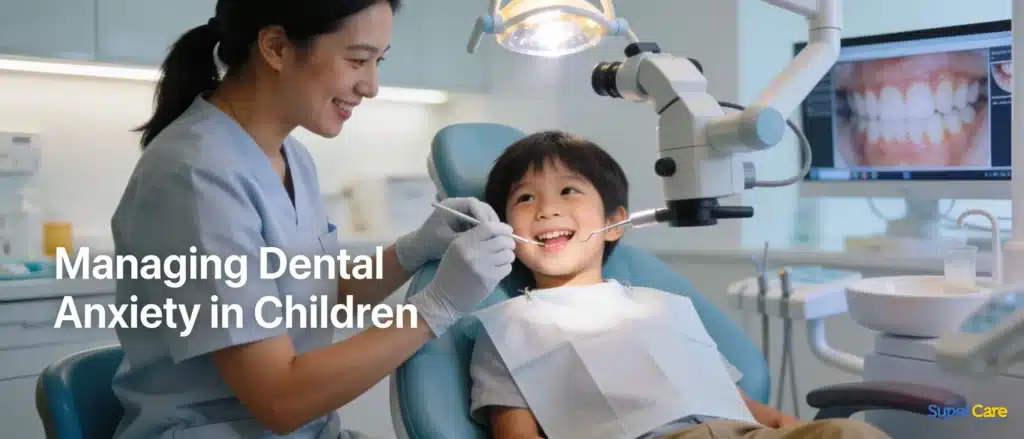
Managing Dental Anxiety in Children
By Dental Nook Editorial Team · Updated 2026-07-13
Dental anxiety in children is manageable through consistent preparation, positive reinforcement. Choosing a child-friendly practice like Dental Nook in Carindale, Queensland. Parents should use calm, reassuring language before appointments, avoid words like “hurt” or “needle,” and reward bravery afterward. Dr. Nikita Verma recommends starting dental visits early to build familiarity and trust.
Dental anxiety affects an estimated 9–20% of children worldwide, making early intervention and positive reinforcement essential tools for parents. Scheduling consistent visits, using calm reassuring language, and choosing a child-friendly practice like Dental Nook in Carindale, Queensland. Reachable at 07 3124 0248 — helps children build lasting confidence at the dentist.
Managing dental anxiety in children affects an estimated 9% of young patients at levels that interfere with their care. Early dental visits reduce fear significantly. Parents benefit from choosing a gentle, experienced dental team. Dental Nook provides reassuring, modern care designed to build positive associations with dentistry from a child’s earliest appointments.
Key Takeaways
- Dental anxiety affects an estimated 9% of children, interfering directly with their ability to receive care.
- Early and regular dental visits reduce fear by building familiarity with the dental environment.
- Past experiences, fear of the unknown, and media influences all trigger dental anxiety in children.
- Dr. Nikita Verma at Dental Nook, Carindale, supports anxious young patients with compassionate dental care.
Why Do Children Develop Fear of the Dentist?
Managing Dental Anxiety in Children begins with understanding its root causes. Dental anxiety affects an estimated 9–20% of children worldwide, according to research published in the International Journal of Paediatric Dentistry — making dental fear one of the most common barriers to pediatric oral health care.
Three primary sources drive dental anxiety in children:
- Past negative experiences — painful or distressing prior visits that condition a fear response
- Fear of the unknown — unfamiliar sounds, instruments, and clinical environments that feel threatening
- Family or media influences — anxious caregivers or dramatized portrayals of dental visits that shape a child’s expectations before any appointment occurs
How serious does dental anxiety become in children?
Among an estimated 9% of children and adolescents, anxiety about dental visits reaches levels that actively interfere with their care. For these patients, dental fear does not simply cause discomfort. Dental fear prevents attendance at a dentist’s office entirely, leaving oral health needs unaddressed.
What happens when childhood dental fear goes unmanaged?
Untreated dental anxiety creates a damaging cycle. Children who avoid dental visits accumulate oral health problems that require more complex treatment, which in turn reinforces existing fear. Addressing the underlying causes early is essential to breaking this pattern and protecting long-term dental well-being.
How Can Early Dental Visits Reduce Long-Term Anxiety?
Managing Dental Anxiety in Children starts with timing. Research conducted on hundreds of school-age children found a statistically significant negative correlation (r = −0.36, p < 0.01) between dental fear and the age at which a child first visits the dentist — the earlier the first visit, the lower the fear.
Delaying that first appointment carries real costs. Children who avoid dental care due to unaddressed anxiety face long-term oral health consequences that compound over time.
What Happens When Dental Anxiety Goes Unaddressed?
Neglecting dental anxiety in children leads directly to avoidance of dental care and lasting oral health issues. Early intervention breaks that cycle before avoidance becomes a habit.
How Does Visit Frequency Affect Fear Levels?
Frequency of dental visits shows an even stronger relationship with reduced fear than age alone. The correlation between visit frequency and dental fear reaches r = −0.65 (p < 0.01). Regular appointments normalize the dental environment for children, steadily lowering apprehension with each visit.
Establishing a consistent routine is essential. Dental Nook, a Brisbane dental clinic, offers appointments throughout the week, including weekends when required, removing scheduling barriers that prevent families from building that routine. Consistent, early exposure to gentle dental care gives children the foundation for a lifetime of confident oral health management.
What Strategies Help Children Overcome Dental Fear?
Managing Dental Anxiety in Children is not only achievable — dental fear is often completely preventable when parents and dental professionals collaborate effectively. Left unaddressed, dental anxiety damages children’s psychological well-being, quality of life, and both oral and systemic health.
Dental professionals who actively work to put young patients at ease play a decisive role in ensuring children receive the quality oral health care they need. Dental Nook, a clinic dedicated to transforming dental care into a positive, welcoming. Stress-free experience, prioritizes compassionate care for patients of all ages.
What role do parents play in reducing a child's dental anxiety?
Parents establish the emotional tone before a dental visit even begins. Avoiding negative language around dental appointments, reading age-appropriate books about dentist visits. Practicing calm, matter-of-fact conversations all reduce anticipatory fear in children.
What can dental professionals do to help anxious young patients?
Effective strategies dental professionals use include:
- Tell-show-do technique — explaining, demonstrating, then performing each step
- Positive reinforcement to reward cooperative behavior
- Gradual exposure, starting with low-stress check-ups before more involved procedures
- Child-friendly language that replaces clinical terminology with familiar words
Consistent early visits build familiarity and trust, transforming the dental environment from a source of fear into a routine, comfortable experience for young patients.
Managing dental anxiety in children is a journey that unfolds gradually through patience, consistency, and the right professional support. When parents approach each dental visit with calm reassurance. Partner with a compassionate dental team, children develop the confidence to view oral health care as a positive, lifelong habit rather than a source of fear. At Dental Nook, Dr. Nikita Verma and our experienced team remain committed to creating a gentle, welcoming environment where every child feels safe, respected, and genuinely cared for.
FAQ
How common is dental anxiety in children?
Dental anxiety affects an estimated 9–20% of children worldwide, with around 9% experiencing fear severe enough to interfere directly with their ability to receive dental care.
What causes children to develop fear of the dentist?
Past negative experiences, fear of the unknown. Family or media influences all trigger dental anxiety in children before an appointment even occurs.
Does visiting the dentist earlier reduce a child's fear?
Research shows a statistically significant negative correlation between dental fear and the age of a child’s first dental visit. Earlier first visits produce lower fear levels.