
Managing Dental Anxiety: Effective Solutions
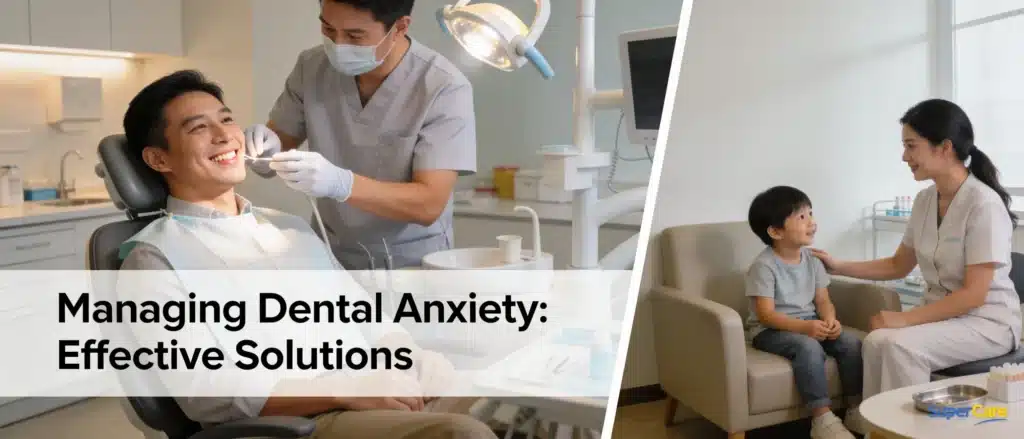
Managing Dental Anxiety: Effective Solutions
By Dental Nook Editorial Team · Updated 2026-07-13
Effective management of dental anxiety combines evidence-based strategies, including deep breathing exercises, open communication with your dentist. Cognitive behavioral techniques, all of which help millions of affected patients worldwide. At Dental Nook in Carindale, Queensland, Dr. Nikita Verma addresses patient concerns from the very first interaction to reduce fear and build trust.
Effective management of dental anxiety combines early identification of patient concerns with evidence-based therapeutic strategies. Research confirms that the initial dentist-patient interaction reveals anxiety signals that guide tailored care. Dental Nook addresses anxious patients through gentle, modern treatment approaches, ensuring comfort. Positive outcomes remain central to every clinical appointment in Brisbane.
Key Takeaways
- Dental anxiety affects tens of thousands of people, making it one of dentistry’s most common challenges.
- Dr. Nikita Verma at Dental Nook uses evidence-based therapies to treat anxious patients effectively.
- Open communication with your dentist before appointments reduces fear and improves treatment outcomes significantly.
- Dental Nook welcomes anxious patients Monday to Wednesday, 9:00 AM to 5:00 PM, at Carindale.
What Are the Most Common Dental Anxiety Symptoms?
Dental anxiety symptoms and solutions begin with recognizing the warning signs — and the stakes are real. Between 50% and 80% of U.S. adults experience some degree of unease, apprehension, stress, or fear when visiting or even thinking about a dental office. Patients who leave these symptoms unaddressed risk avoiding necessary care entirely, allowing oral health conditions to worsen over time.
Common symptoms fall into two categories:
- Emotional symptoms: persistent worry before appointments, irritability, and a sense of dread
- Physical symptoms: elevated blood pressure, increased pulse rate, and measurable changes in galvanic skin response — all of which clinicians can assess to determine severity
When Does Dental Anxiety Become Dental Phobia?
Dental anxiety escalates into dental phobia when fear becomes irrational and overwhelming. At that stage, patients actively avoid dental care regardless of pain or urgent need, compounding long-term oral health damage.
How Does a Dentist Identify Anxiety Severity?
Clinicians measure objective indicators — including blood pressure, pulse rate. Galvanic skin response — to categorize a patient’s anxiety level accurately. Dental Nook prioritizes this kind of attentive, compassionate assessment, transforming each visit into a welcoming and stress-free experience for every patient.
Which Proven Strategies Help Patients Manage Dental Anxiety?
Understanding Dental Anxiety Symptoms and Solutions starts with one clear takeaway: structured, evidence-based techniques reduce anxiety before and during dental visits. Patients who skip these strategies risk compounding avoidance behaviors. Leads to deteriorating oral health and more complex — and costly — treatment down the line.
What breathing techniques help calm dental anxiety?
Deep breathing is among the simplest and most clinically supported tools for reducing dental anxiety. The 4-7-8 technique — inhaling for 4 seconds, holding for 7 seconds, and exhaling for 8 seconds — lowers heart rate and reduces stress levels when repeated through several cycles. Patients who practice this technique before and during appointments report a measurable reduction in physical tension.
How does communication between patient and dentist reduce anxiety?
Early, open communication between a dentist and patient is essential for identifying anxiety before treatment begins. During the initial interaction, dentists assess anxiety through interviews. Patient self-reporting on standardized fear scales, allowing concerns to be addressed directly. For patients whose anxiety rises to the level of dental phobia, the dentist may coordinate care with a doctor, psychologist. Counsellor to develop a comprehensive management plan.
Proven strategies at a glance:
- 4-7-8 breathing — lowers heart rate through controlled breath cycles
- Patient interviews and self-reporting — identifies anxiety early in the clinical encounter
- Multidisciplinary collaboration — connects severe cases with psychologists or counsellors
Dental Nook, located in Carindale, Brisbane, structures every patient interaction around comfort. Reassurance, transforming dental care into a positive, stress-free experience for even the most anxious patients.
How Can Dental Nook Support Your Anxiety-Free Visit?
Dental Nook addresses Dental Anxiety Symptoms and Solutions by combining flexible scheduling with open, individualized communication between patients and practitioners. Patients who avoid care due to anxiety risk serious consequences. Untreated gum disease progresses to tooth loss and contributes to broader general health complications.
What scheduling options help reduce anxiety before an appointment?
Dental Nook offers appointments on weekdays, weekends, and public holidays when arranged in advance. Removing the logistical barrier of rigid scheduling eliminates one layer of stress that worsens anxiety for many patients. Reaching the practice is straightforward — patients contact Dental Nook at 1800 930 336 or info@dentalnook.com.au. Visit the clinic at Westfield Carindale Shopping Center in Carindale, Queensland.
What is the first step a patient should take to manage dental anxiety?
The most important first step is an open conversation with a dental practitioner about available anxiety management strategies. Multiple approaches exist, and practitioners match each strategy to the individual patient’s specific needs and concerns. Early identification of anxiety allows the care team to tailor the visit accordingly.
Key ways Dental Nook supports anxious patients:
- Flexible appointment times, including weekends and public holidays
- Individualized anxiety management discussions with practitioners
- Multiple contact channels for easy pre-visit communication
Managing dental anxiety is an achievable goal, and no patient deserves to face oral health challenges alone or in discomfort. With the right combination of open communication, proven relaxation techniques. A compassionate clinical team, every visit transforms from a source of dread into a positive step toward lasting oral wellness. At Dental Nook, Dr. Nikita Verma and the team are committed to delivering gentle, modern care that places patient comfort. Well-being at the forefront of every appointment.
FAQ
What breathing technique helps reduce dental anxiety?
When does dental anxiety become dental phobia?
Dental anxiety escalates into dental phobia when fear becomes irrational. Overwhelming, causing patients to actively avoid dental care regardless of pain or urgent need.
How does Dental Nook support anxious patients?
Dr. Nikita Verma at Dental Nook in Carindale uses evidence-based therapies. Addresses patient concerns from the very first interaction to reduce fear and build trust.