
Helping Children Overcome Dental Anxiety
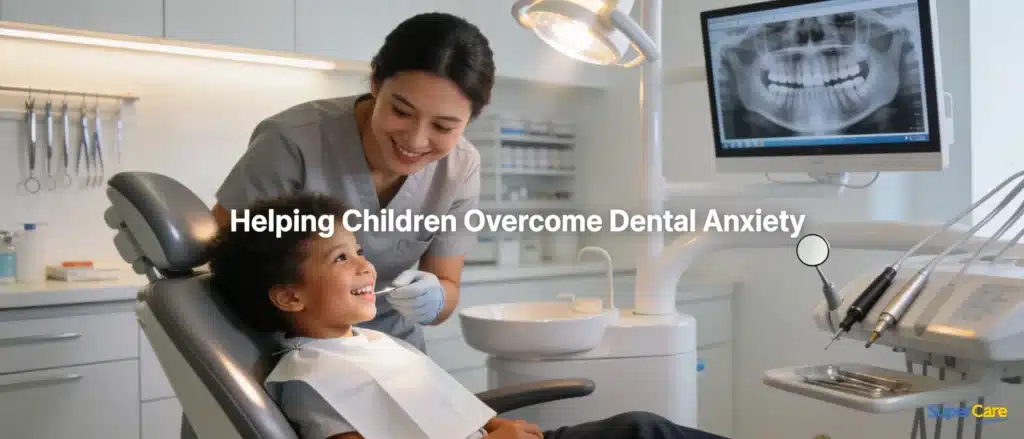
Helping Children Overcome Dental Anxiety
By Dental Nook Editorial Team · Updated 2026-07-13
Dental anxiety in children responds well to proven strategies such as role-playing dental visits at home, using positive reinforcement. Choosing a child-friendly practice like Dental Nook in Carindale, Queensland. Dr. Nikita Verma and her team specialize in creating calm, reassuring experiences that build trust. Reduce fear in young patients over time.
Effective strategies for managing dental anxiety in children include familiarizing young patients with the dental environment before treatment begins, using clear and calm explanations of procedures. Establishing positive associations with dental visits. Non-pharmacological interventions, as outlined in Cochrane Review research, reduce disruptive behaviors linked to dental fear and support long-term oral health outcomes for children.
Key Takeaways
- Dental anxiety affects an estimated 9% of children and adolescents, disrupting their regular dental care.
- Non-pharmacological strategies like tell-show-do techniques reduce fear without medication or sedation.
- Positive reinforcement and familiar comfort objects help children build confidence during dental visits.
- Dr. Nikita Verma at Dental Nook in Carindale creates child-friendly environments to ease appointment stress.
Why Does Dental Anxiety Affect So Many Children?
Managing Dental Anxiety in Children starts with understanding its roots: fear of the unknown, past negative experiences, and the intimidating nature of the dental office environment all drive apprehension in young patients. Left unaddressed, dental anxiety causes children to avoid appointments entirely — putting long-term oral health at serious risk.
What Does Dental Anxiety Look Like in Children?
Dental anxiety manifests in recognizable behavioral and physical signs. Common expressions include:
- Crying or emotional outbursts before or during appointments
- Tantrums and refusal to cooperate with dental staff
- Physical symptoms such as stomachaches or elevated heart rate
Recognizing these signs early allows parents and dental professionals to intervene before anxiety escalates.
How Widespread Is Dental Anxiety Among Young Patients?
An estimated 9% of children and adolescents experience dental anxiety at levels that actively interfere with their care. For this group, anxiety does not simply cause discomfort. It prevents attendance at dental appointments altogether, creating a cycle of neglected oral health.
Dental Nook is dedicated to breaking that cycle. The practice transforms dental visits into positive, welcoming. Stress-free experiences, ensuring young patients receive the consistent care their developing smiles require.
What Non-Pharmacological Strategies Help Anxious Children?
Managing Dental Anxiety in Children through non-pharmacological interventions is an evidence-based approach that dental professionals actively employ to reduce fear without reliance on sedation. Failing to address dental anxiety carries real consequences — children who do not receive timely support risk avoiding dental care altogether, leading to long-term oral health deterioration.
Dental anxiety in children originates from multiple sources, including past negative experiences, fear of the unknown. Family or media influences. Each source requires a tailored response from the dental team.
Why Does Dental Anxiety Develop in Children?
Dental anxiety does not arise from a single cause. Past experiences, fear of the unknown. Messages absorbed from family members or media all shape how a child perceives a dental visit. Dental professionals who understand these root causes are better positioned to select strategies that address each child’s specific concerns.
What Strategies Do Dental Professionals Use?
Dental teams actively work with young patients to reduce apprehension before and during appointments. Common non-pharmacological strategies include:
- Tell-show-do technique: Explaining and demonstrating each step before performing it
- Distraction methods: Engaging children with visual or auditory stimuli during treatment
- Positive reinforcement: Acknowledging cooperative behavior to build confidence
- Gradual exposure: Introducing dental instruments and procedures incrementally
- Parental involvement: Incorporating trusted caregivers into the appointment experience
Dental Nook’s experienced team applies these evidence-based strategies to ensure anxiety does not prevent young patients from receiving the quality oral health care every child deserves.
How Can Parents and Dentists Work Together Effectively?
Managing Dental Anxiety in Children requires a deliberate, collaborative approach between parents and dental professionals. Without this partnership, children risk developing avoidance behaviors that compromise long-term oral health.
Effective collaboration centers on two core responsibilities:
- Parents prepare children at home by using calm, positive language about dental visits and avoiding fear-based descriptions
- Dental professionals create a comfortable, welcoming office environment that reduces apprehension before treatment begins
What Role Does the Dental Environment Play?
A thoughtfully designed dental office directly reduces anxiety in young patients. Dental Nook prioritizes a welcoming clinical environment so children associate dental visits with safety rather than stress. Families who feel comfortable in the practice are far more likely to maintain consistent care schedules.
How Does Scheduling Support Consistent Pediatric Dental Care?
Irregular attendance is one of the most damaging patterns in childhood oral health. Dental Nook offers extended hours, including after-school and Sunday appointments, to help families remove scheduling barriers. Convenient online booking is also available. Parents seeking to arrange a visit can contact Dental Nook at 07 3124 0248, located at Westfield Carindale Shopping Center in Brisbane.
FAQ
How common is dental anxiety in children?
An estimated 9% of children and adolescents experience dental anxiety at levels that actively interfere with their care, preventing attendance at appointments. Creating a cycle of neglected oral health.
What are the signs of dental anxiety in children?
Children with dental anxiety display crying, tantrums, refusal to cooperate with dental staff. Physical symptoms such as stomachaches or elevated heart rate.
How does Dental Nook help anxious young patients?
Dr. Nikita Verma at Dental Nook in Carindale creates child-friendly environments and uses non-pharmacological strategies, such as tell-show-do techniques. Positive reinforcement, to transform dental visits into welcoming, stress-free experiences.