
Managing Bleeding After a Tooth Extraction: What You Need to Know
Managing Bleeding After a Tooth Extraction
Some bleeding after a tooth extraction is expected and forms part of the body’s natural healing process. Whether you’ve had a wisdom tooth removed or another type of dental extraction, knowing what is normal, how to manage bleeding at home, and when to contact a dentist can make your recovery much less stressful.
At Dental Nook, we want patients to feel informed and confident throughout their recovery. While mild bleeding, swelling, and discomfort are common after an extraction, persistent or heavy bleeding should never be ignored.
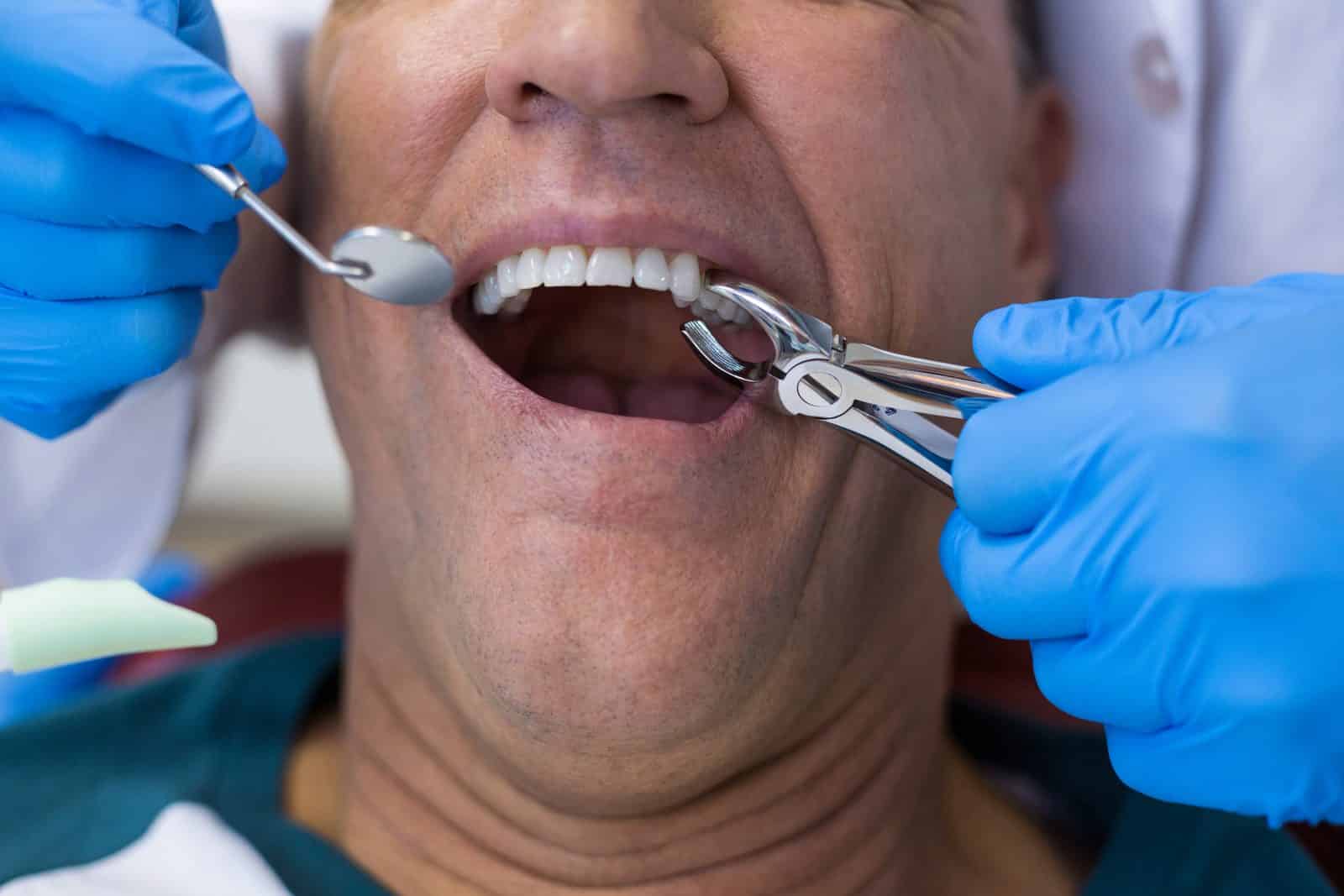
Managing Bleeding After a Tooth Extraction
Once a tooth has been removed, a blood clot begins to form within the empty socket. This clot plays an important role in protecting the underlying bone and tissues while the area heals.
For this reason, post-extraction care is largely focused on controlling bleeding while protecting the newly formed blood clot from becoming disturbed.
Pain relief may also be required during the first few days. The most appropriate pain medication can depend on your medical history, other medicines you take, and the type of extraction performed. Follow the instructions provided by your dentist and check with a healthcare professional before taking medication if you are unsure.
Managing Bleeding at the Extraction Site
Minor oozing from an extraction site is generally expected immediately after treatment. Your dentist will usually place gauze over the area and ask you to maintain firm, consistent pressure by biting down.
The aim is to allow a stable blood clot to develop within the socket. Disturbing this clot too early may cause the extraction site to start bleeding again and can interfere with normal healing.
Bleeding After Wisdom Tooth Extraction
Wisdom tooth removal may involve a more complex extraction than removing a straightforward tooth, particularly when the wisdom tooth is impacted or positioned beneath the gum.
As a result, some patients may experience bleeding, swelling, tenderness, and jaw discomfort following the procedure.
These symptoms should generally improve as recovery progresses. Following your post-operative instructions carefully can help protect the extraction site and reduce the likelihood of complications.
What Is Normal After a Tooth Extraction?
Some bleeding or blood-stained saliva during the early stages of recovery can be normal. It is also common to experience tenderness and swelling around the extraction area.
Because removing a tooth leaves a wound within the mouth, the body needs time to form a clot and begin repairing the tissue.
During the first 24 hours, you may notice mild oozing around the socket. This should gradually reduce rather than become heavier.
Swelling may become more noticeable during the first couple of days before beginning to settle. Your dentist may recommend suitable pain relief and the use of a cold pack against the outside of your face to help manage discomfort and swelling.
When Does Bleeding Become a Concern?
Bleeding may require professional attention when it is heavy, does not begin to settle, repeatedly restarts, or becomes worse rather than improving.
There is an important difference between lightly blood-stained saliva and active bleeding that continues to fill the mouth.
You should contact a dental professional if:
- Bleeding remains heavy despite applying firm pressure
- The extraction site continues to bleed excessively
- Bleeding becomes progressively worse
- Large blood clots repeatedly form in the mouth
- You feel faint, weak, dizzy, or otherwise unwell
- You are concerned that something is not healing normally
People who take blood-thinning medications or have a medical condition affecting blood clotting should follow the specific instructions provided by their dentist and medical practitioner.
Self-Care Tips for Managing Bleeding
If the extraction site begins bleeding again, there are several steps you can take while following the individual aftercare advice provided by your dentist.
Bite Firmly on Gauze
Place clean gauze over the extraction site and maintain firm, continuous pressure by biting down.
Avoid repeatedly removing the gauze to check the area, as this can interfere with clot formation. Follow the instructions given by your dental team regarding how long to maintain pressure.
Protect the Blood Clot
The blood clot inside the socket is essential for healing, so avoid activities that could disturb it.
During the initial recovery period, your dentist may advise you to avoid:
- Forceful rinsing
- Spitting vigorously
- Drinking through a straw
- Touching the socket with your fingers or tongue
- Smoking or vaping
- Strenuous physical activity
Creating suction or repeatedly disturbing the extraction site may dislodge the clot and cause bleeding to restart.
Use Pain Relief Appropriately
Pain and tenderness are common following an extraction, but medication should be taken according to your dentist’s or healthcare professional’s instructions.
Some medicines may not be suitable for every patient, particularly for people with certain medical conditions or those taking other medications.
If you’re uncertain about which pain relief is appropriate after your extraction, contact Dental Nook, your pharmacist, or your medical practitioner rather than changing medications yourself.
Rest With Your Head Elevated
Rest is important during the initial stages of recovery.
Keeping your head slightly elevated when resting may help minimise bleeding and swelling. Avoid strenuous exercise or activities that significantly increase your heart rate during the period recommended by your dentist.
When Should You Seek Professional Help?
If bleeding does not settle after following your post-extraction instructions and applying consistent pressure to the area, contact your dentist.
You should also seek prompt professional advice if you develop symptoms such as:
- Persistent or uncontrolled bleeding
- Severe or increasing pain
- Significant swelling
- Fever or feeling generally unwell
- Difficulty swallowing or breathing
- Pus or signs of infection
- Bleeding accompanied by dizziness or weakness
Persistent bleeding sometimes requires additional treatment at the dental clinic. Depending on the cause and your individual circumstances, a dentist may need to examine the socket, clean the area, use haemostatic materials, place additional sutures, or recommend another appropriate treatment.
If bleeding is severe or you develop difficulty breathing, swallowing, or other serious symptoms, seek urgent medical attention.
Supporting a Smooth Recovery After Tooth Extraction
In most cases, post-extraction bleeding is temporary and gradually settles as a stable blood clot develops.
The most important thing you can do is protect the extraction site and follow the aftercare instructions provided to you.
Avoid disturbing the blood clot, take medications only as directed, maintain appropriate oral hygiene, and attend any recommended follow-up appointments.
Every extraction and every patient is different. If something does not feel right, don’t simply wait for it to become worse.
Need Help After a Tooth Extraction? Contact Dental Nook
If you’ve recently had a tooth or wisdom tooth removed and are concerned about bleeding, pain, swelling, or your recovery, the team at Dental Nook can assess the situation and advise you on the appropriate next step.
Getting professional advice early can help identify potential complications and give you greater confidence during the healing process.
Call Dental Nook on 07 3124 0248 if you have concerns following a dental extraction.
*This information is general in nature and should not replace personalised advice from your dentist or medical practitioner. Always follow the specific post-operative instructions provided for your treatment.*