
IV Sedation Brisbane
IV Sedation Dentist Brisbane
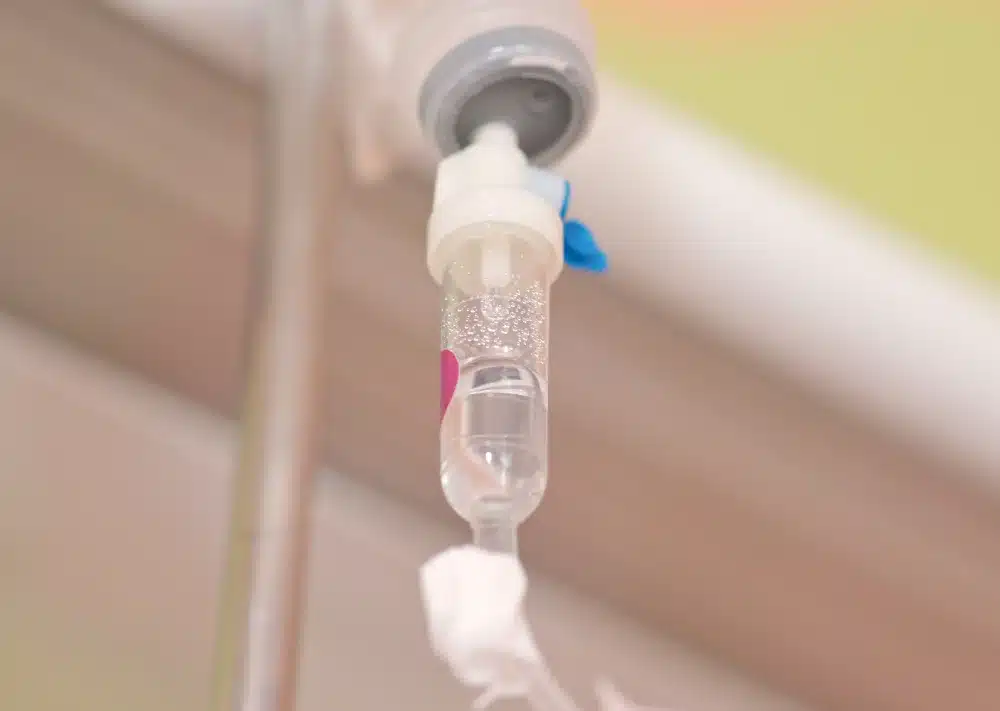
Some dental treatments can feel overwhelming, but they don’t have to. At Dental Nook, IV sedation is one of the ways we make appointments more comfortable and calm. With IV sedation, relaxing medication is gently delivered through a vein. You stay awake, can follow instructions, and breathe on your own, but your anxiety and awareness of the procedure are significantly reduced – almost like being in a soft, protective bubble. The medicines used are well studied, safe and effective. Modern sedation dentistry now uses clearly defined levels such as minimal, moderate and deep sedation, so the amount of sedation can be carefully tailored to your needs. Throughout the procedure, your breathing and vital signs are closely monitored with advanced equipment, allowing our team to detect and manage any concerns quickly. Overall, IV sedation helps Dental Nook provide dental care that is not only clinically precise, but also focused on your comfort and safety from start to finish.
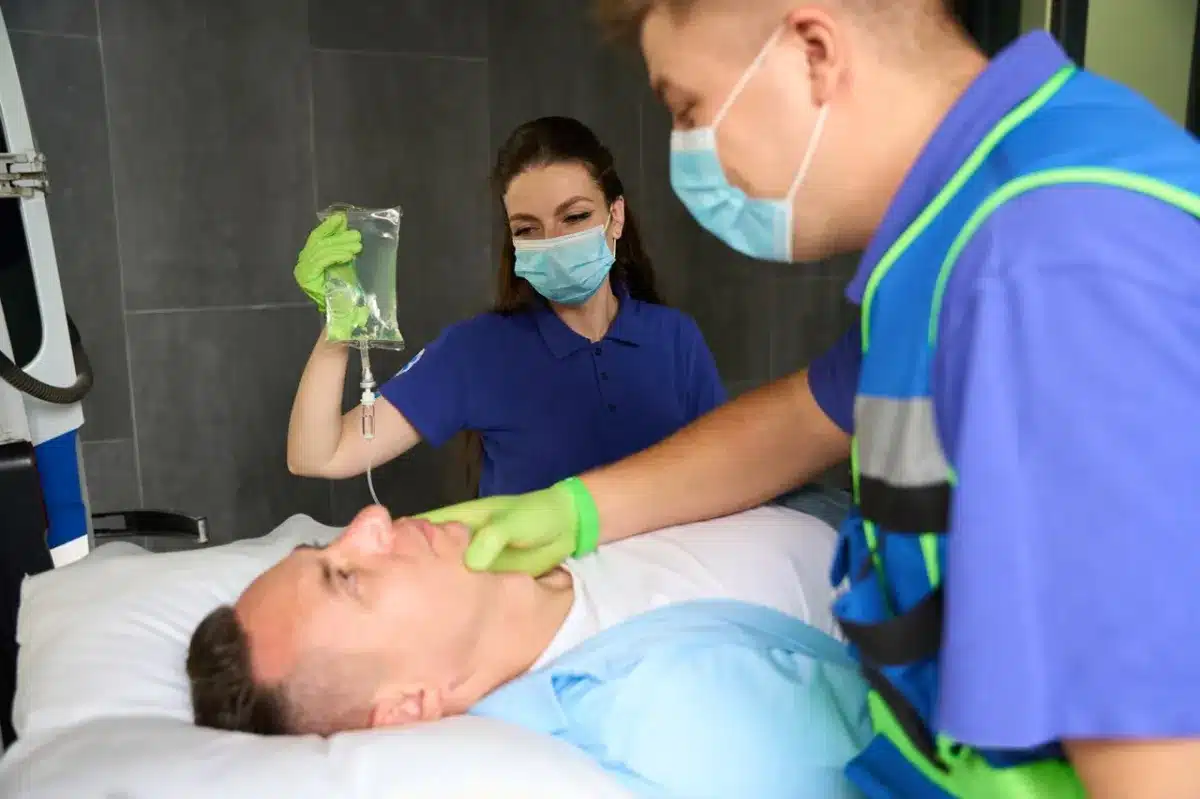
What is IV Sedation?
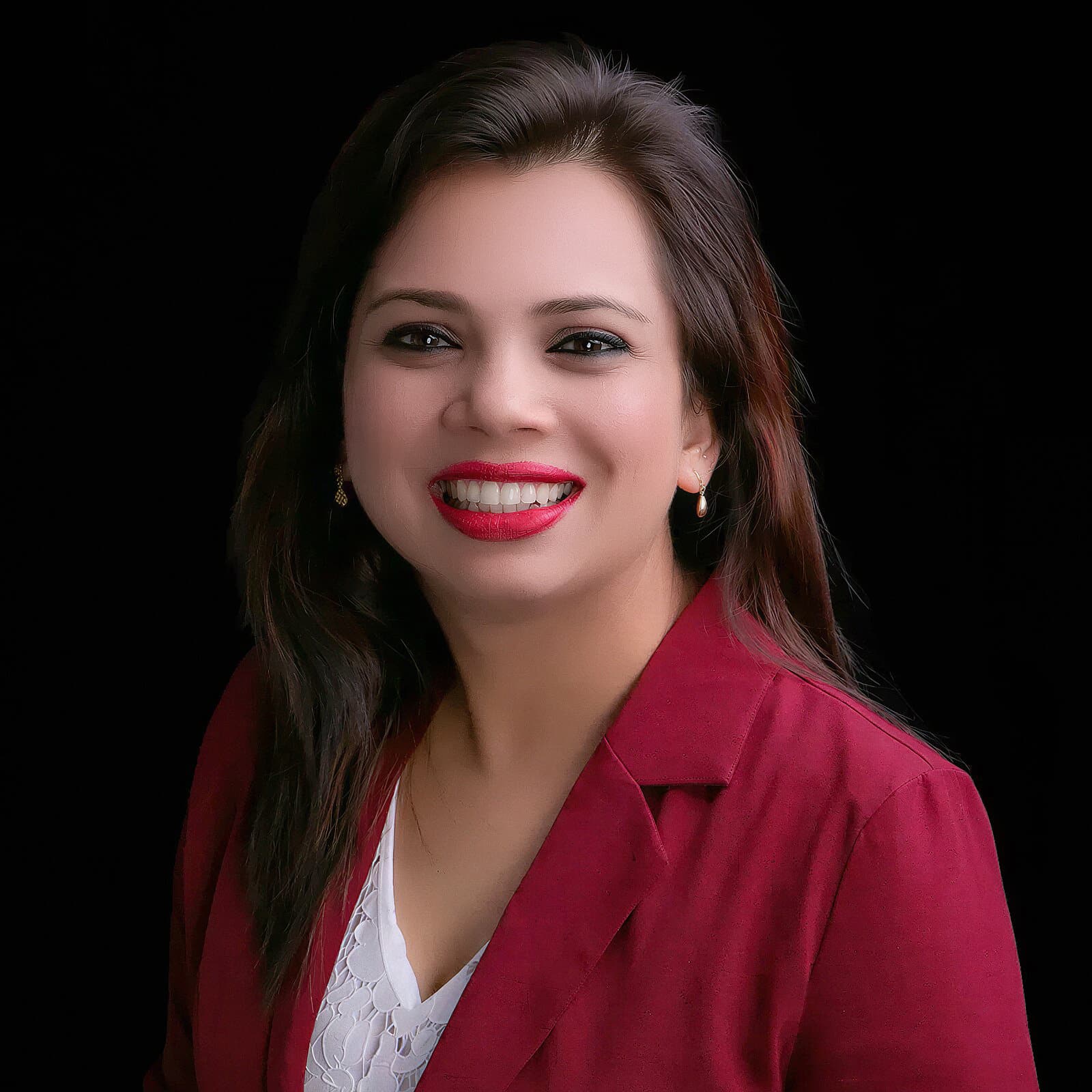
Principal Dentist
BDS
General, Cosmetic & Family Dentist | Sleep Dentistry
Dr Nikita has been practising dentistry since 2007, working in India and New Zealand before settling in Brisbane in 2022. She is known for her gentle, patient-focused approach, especially for people with dental anxiety. Her key interests include restorative and cosmetic dentistry, orthodontics, oral surgery, implant therapy and sleep dentistry.

Pros and Cons of IV Sedation
-
Strong anxiety control
For people with dental fear or phobia, IV sedation can be the difference between avoiding the dentist and finally getting the care they need. -
Little or no memory of treatment
Most patients remember very little of the procedure afterwards, which is a big advantage for those who feel nervous or anxious. -
Fast-acting
Because the medication goes straight into the bloodstream, it works quickly and allows treatment to begin sooner.
-
Recovery time needed
After IV sedation you cannot drive yourself home. You’ll need a support person to take you home, and you may feel tired or drowsy for the rest of the day. -
Possible side effects
As with any medicine, there can be temporary side effects such as light-headedness, nausea, or a dry mouth. Your dentist will discuss these with you before treatment.
When and Why Is IV Sedation Used?
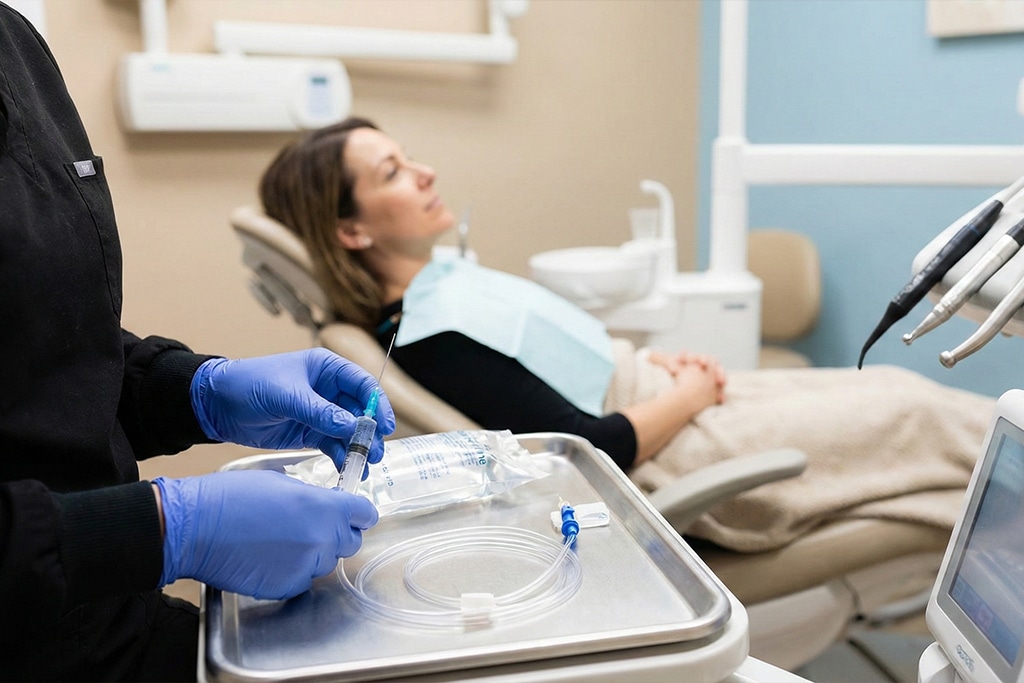
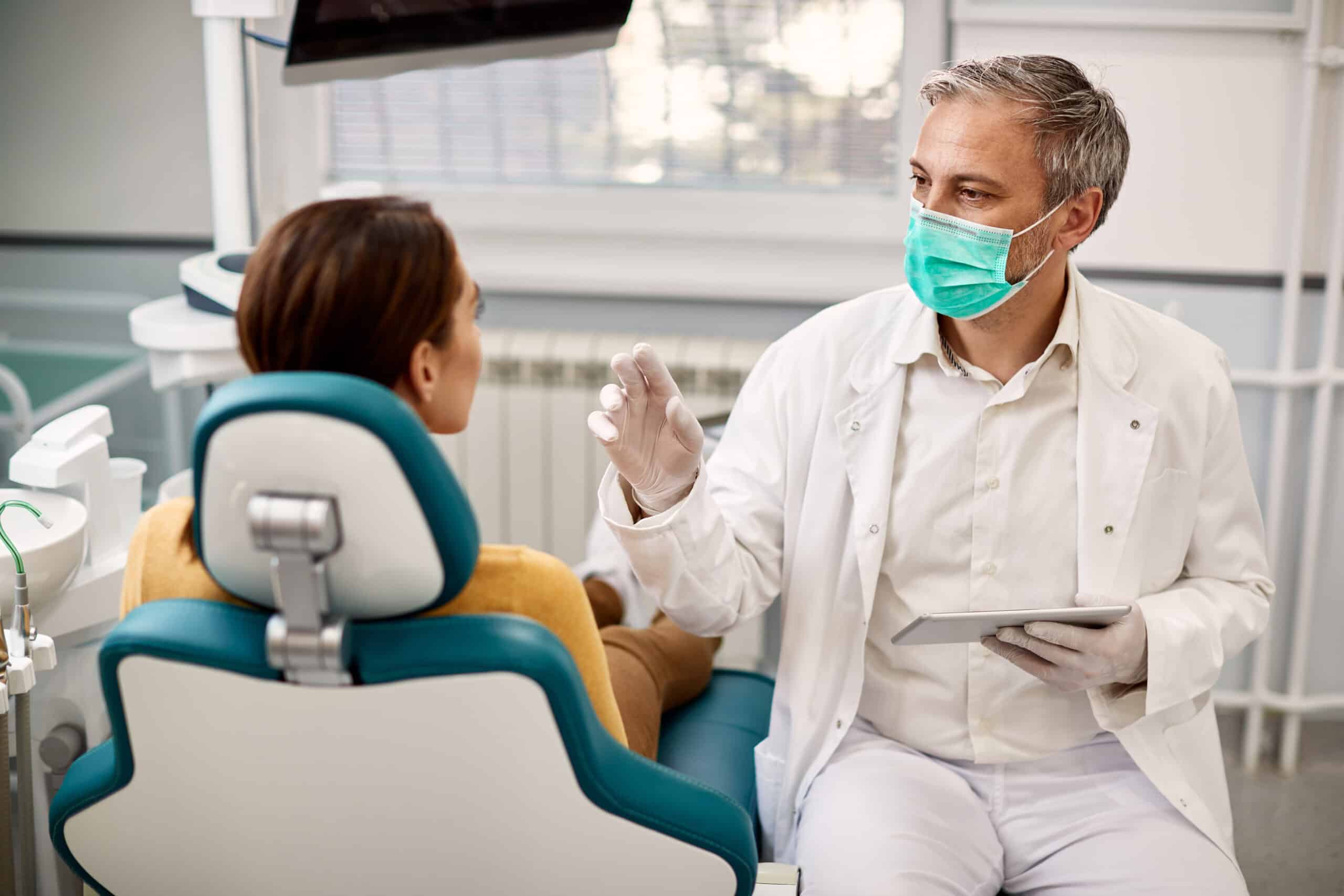
Preparing for IV Sedation
Risks of IV Sedation
- Allergic or unexpected reactions to the sedative
- Being more deeply sedated than intended
- Very rare breathing or circulation difficulties
In Australia, IV sedation is generally not used for routine dental treatment in children. For younger patients, options usually include nitrous oxide (laughing gas) for mild to moderate anxiety or sleep dentistry under general anaesthesia for more complex needs.
IV Sedation for Dental Anxiety and Dental Phobia
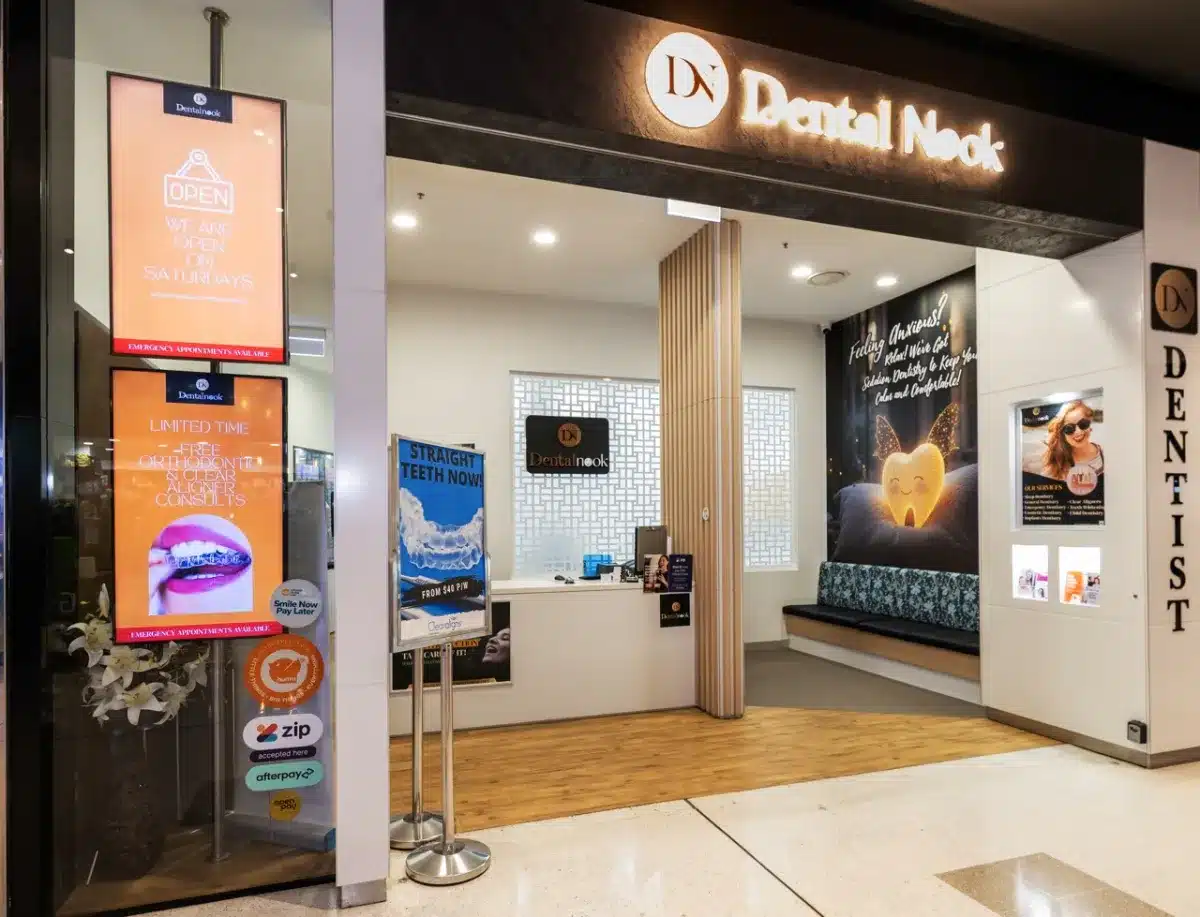
IV Sedation Dentistry in Brisbane
Dental procedures with IV sedation
IV sedation can be paired with local anaesthetic for many dental treatments, particularly for patients who feel very anxious, fearful of dentistry, or have special needs. It can be used for procedures such as dental surgery, root canal therapy, wisdom tooth removal, and other complex treatments.
When clinically appropriate, IV sedation may be provided in a regular dental clinic, but not every practice offers it, as it requires extra training, specialised equipment, and emergency support. Some people are not suitable for IV sedation, including many pregnant or breastfeeding patients and those with certain heart, lung, or liver conditions.
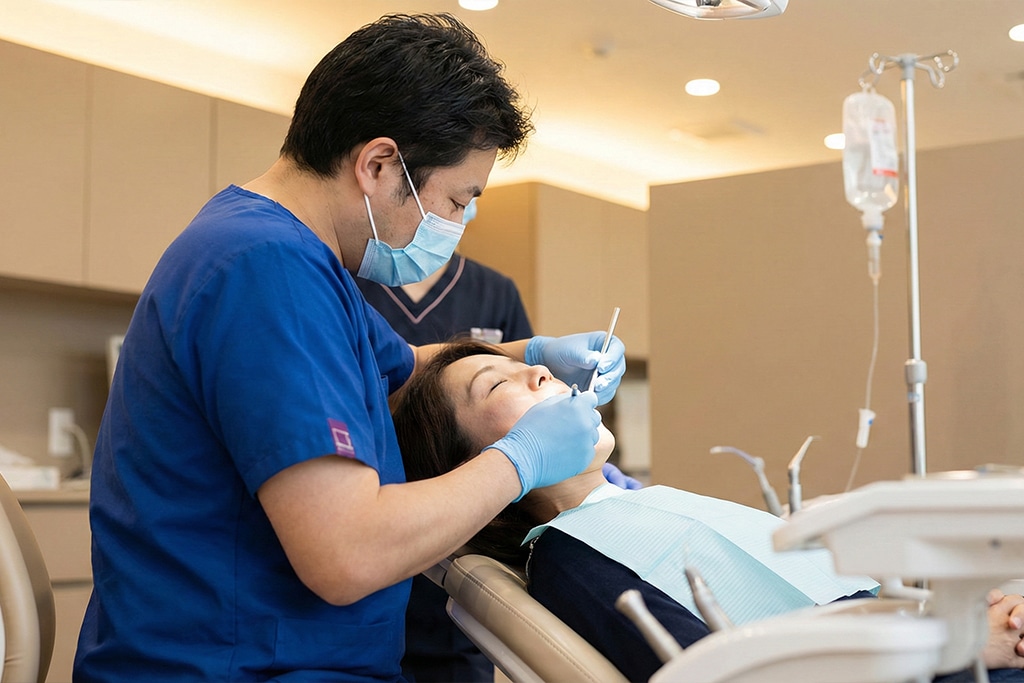
Who may be suitable for IV sedation?
Frequently Asked Questions
for IV Sedation
Will I be asleep during IV sedation?
IV sedation does not usually mean you are fully unconscious like general anaesthesia. Most patients feel very drowsy, deeply relaxed, and remember little or nothing about the procedure afterwards.
Is IV sedation safe?
IV sedation is generally safe when it is carefully planned, administered, and monitored by qualified professionals. Your medical history, medications, and treatment needs are reviewed before it is recommended.
Who is a good candidate for IV sedation?
IV sedation may be suitable for patients who have moderate to severe dental anxiety, have a strong gag reflex, need multiple or complex treatments, struggle to sit through longer appointments, or want a more relaxed dental experience.
What dental procedures can be done with IV sedation?
IV sedation can be used for many treatments, including wisdom teeth removal, dental implants, tooth extractions, root canal treatment, crowns and bridges, and other more involved dental procedures.
How do I prepare for IV sedation?
Before IV sedation, your dentist will usually give you instructions about eating, drinking, medications, and arranging for a responsible adult to take you home after the appointment.
How long does IV sedation take to wear off?
The sedative effects can last for several hours after treatment. You may feel drowsy for the rest of the day, so you should not drive, work, or make important decisions until you have fully recovered.
Can IV sedation help with dental phobia?
Yes, IV sedation is often used for patients with dental phobia because it helps them feel calm and relaxed and may reduce memory of the procedure.
What are the risks of IV sedation?
As with any sedation, there are risks, which is why your medical history and suitability are assessed carefully. Your dentist will explain the benefits, limitations, and possible risks before treatment.
Do I need someone to drive me home after IV sedation?
Yes. After IV sedation, you will need a responsible adult to take you home and stay with you for the period advised by your dental team.