Dental Avulsion
Dental Avulsion: Emergency Care You Can Trust in Brisbane
A knocked-out tooth is one of the most urgent dental emergencies. The first few minutes after an injury can decide whether your natural tooth can be saved or needs to be replaced.
At Dental Nook in Brisbane, our emergency dentist is experienced in managing dental avulsion and other dental trauma. We provide prompt, compassionate care for patients from Brisbane.
What Is Dental Avulsion?
- Sports injuries
- Falls or accidents at home or work
- Collisions on the playground
- Road or cycling accidents
Can a Knocked-Out Tooth Be Saved?
- You reach a dentist within about sixty minutes
- The tooth is handled gently and kept moist
- The root surface is not scrubbed or allowed to dry out
First Aid for a Knocked-Out Tooth
1
Pick up the tooth correctly
2
Rinse very gently if needed
3
Reinsert a permanent (adult) tooth only
Permanent (adult) tooth: Hold the tooth by the white crown, not the root. Do not scrape, rub or scrub it. If it is dirty, rinse it gently in milk or contact lens saline. If the person is conscious and cooperative, gently place the permanent tooth back in the socket and have them bite on a clean cloth to hold it in place. If you cannot reinsert it, keep it moist in a container of milk or contact lens saline. Seek immediate dental treatment because time is critical.
Baby (primary) tooth: Do not put a baby tooth back in the socket. Reimplanting a baby tooth can damage the developing permanent tooth. Seek prompt dental treatment and take the tooth with you.
If you are unsure whether it is a baby or permanent tooth: Do not try to reinsert it. Keep it moist in milk or contact lens saline, take it with you and seek urgent dental advice.
Reference: Queensland Government, Emergency dental – knocked-out tooth guidance.
4
Keep the tooth moist if reinsertion is not possible
- Place it in a small container of milk, or
- Ask the patient to hold it in the side of the mouth between the cheek and gum if it is safe to do so
5
Act quickly
What Not To Do?
- Do not scrub or scrape the root surface
- Do not allow the tooth to dry out
- Do not use alcohol, antiseptic or hot water on the tooth
- Do not attempt to replant a baby tooth yourself
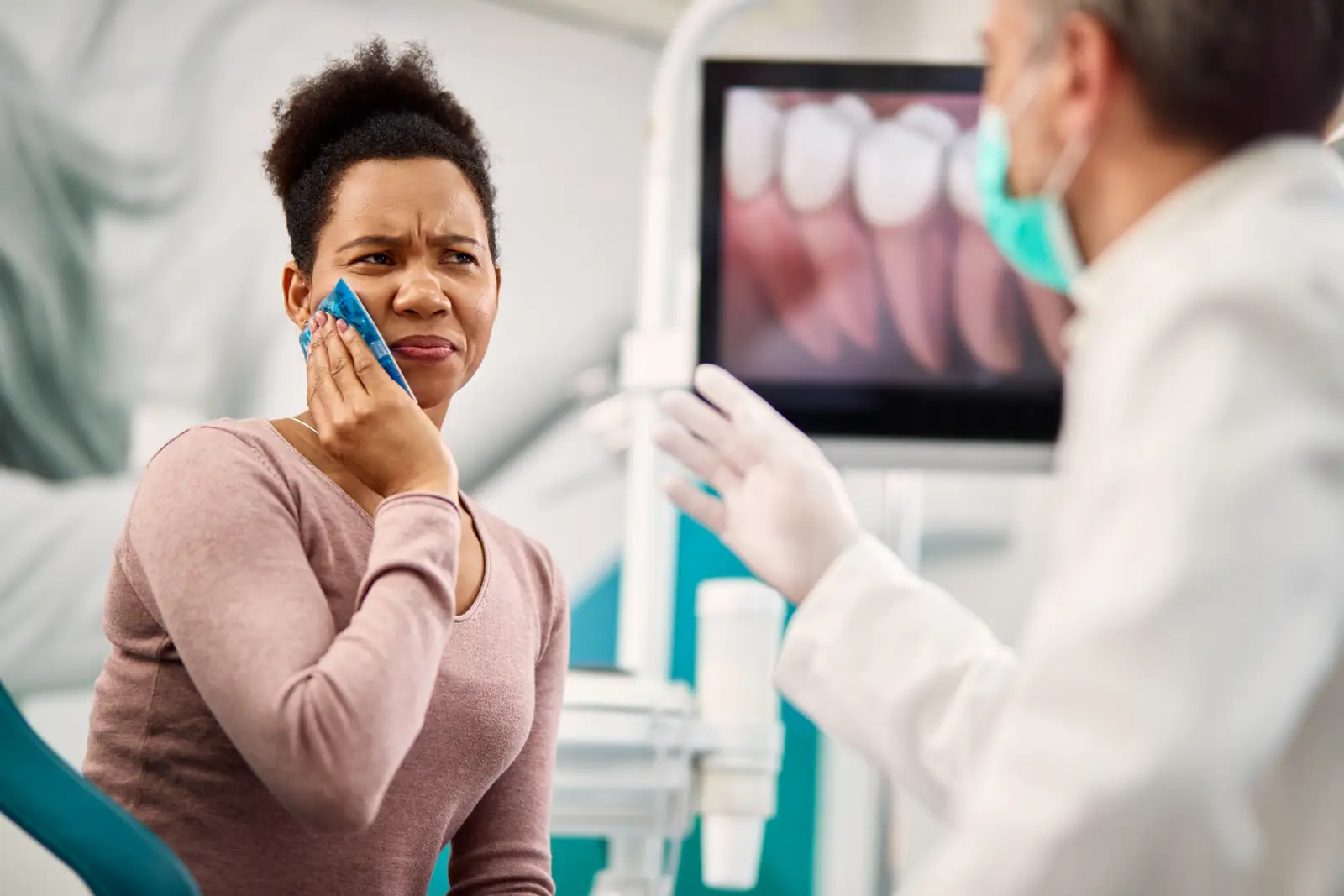
How Dental Nook Treats Dental Avulsion?
When you arrive at Dental Nook Brisbane, our emergency dentist will act quickly to care for both you and your tooth.
1. Immediate assessment
2. Cleaning and preparing the socket
3. Reimplantation of the tooth
4. X-rays and imaging
5. Pain relief and medication
6. Follow-up planning
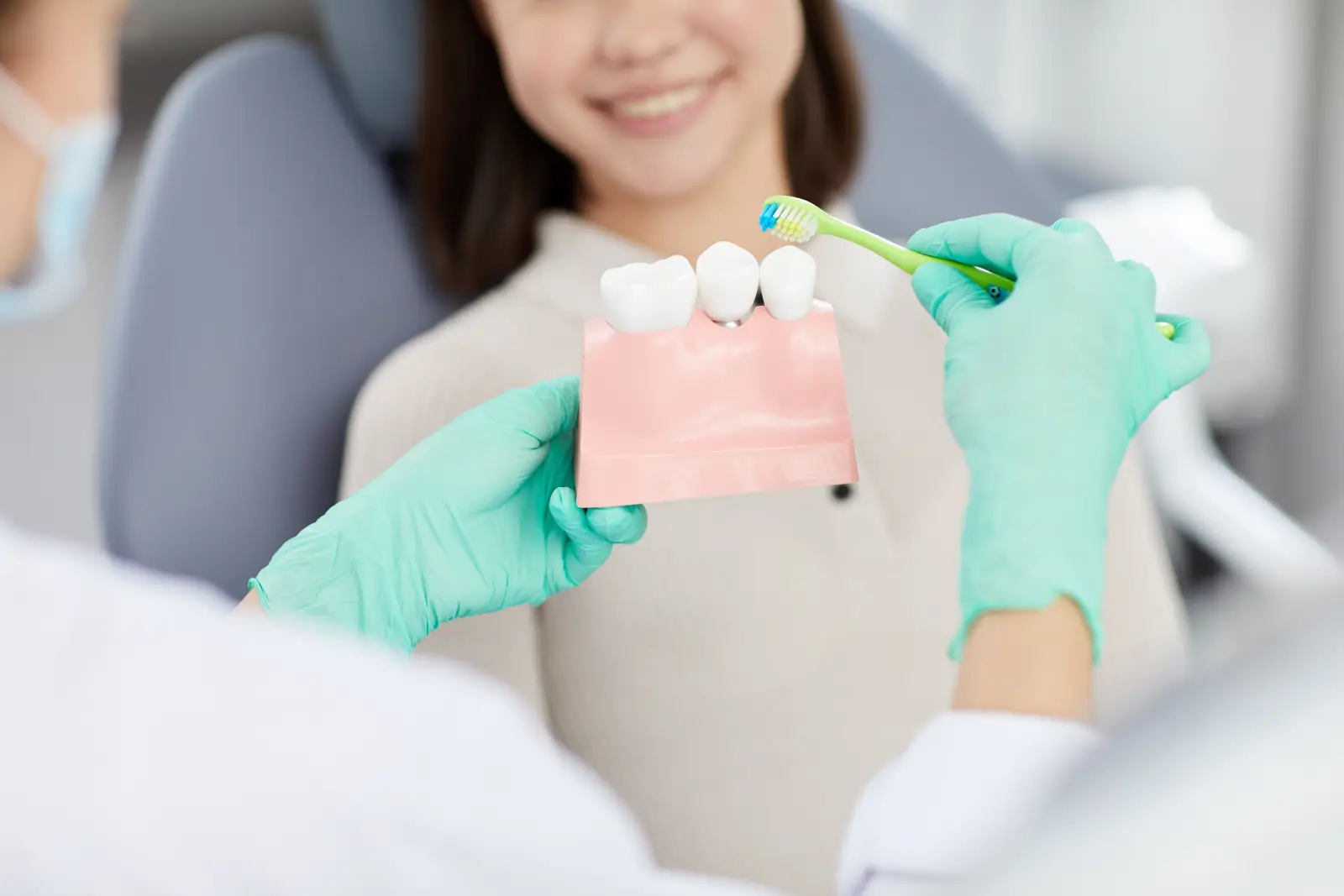
Aftercare for an Avulsed Tooth
- Avoiding contact sports or rough activities until the dentist confirms healing
- Eating a soft diet and chewing on the opposite side for the first few weeks
- Keeping the area clean with gentle tooth brushing and rinsing after meals
- Using any prescribed chlorhexidine mouthwash as directed to reduce infection risk
- Taking pain relief and antibiotics exactly as advised
- Attending all review and root canal appointments
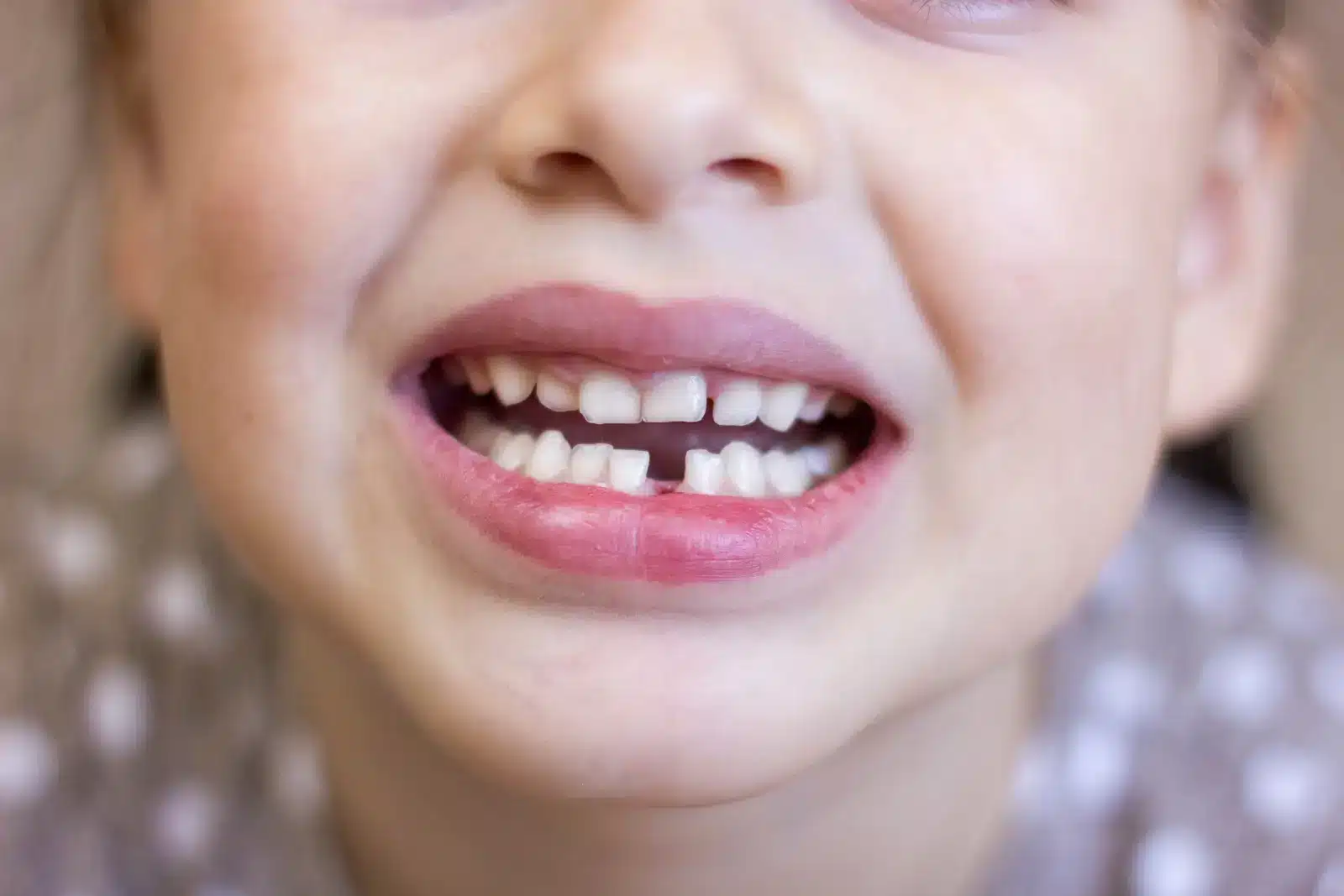
Dental Avulsion in Children
- Baby teeth are usually not replanted because doing so may harm the developing adult tooth underneath. However, prompt assessment is still important to check for other injuries and to plan future space management if required.
- Permanent teeth often can and should be replanted as quickly as possible.
If your child has had a tooth knocked out, call Dental Nook immediately. Our team will advise you on first aid and arrange an urgent appointment.
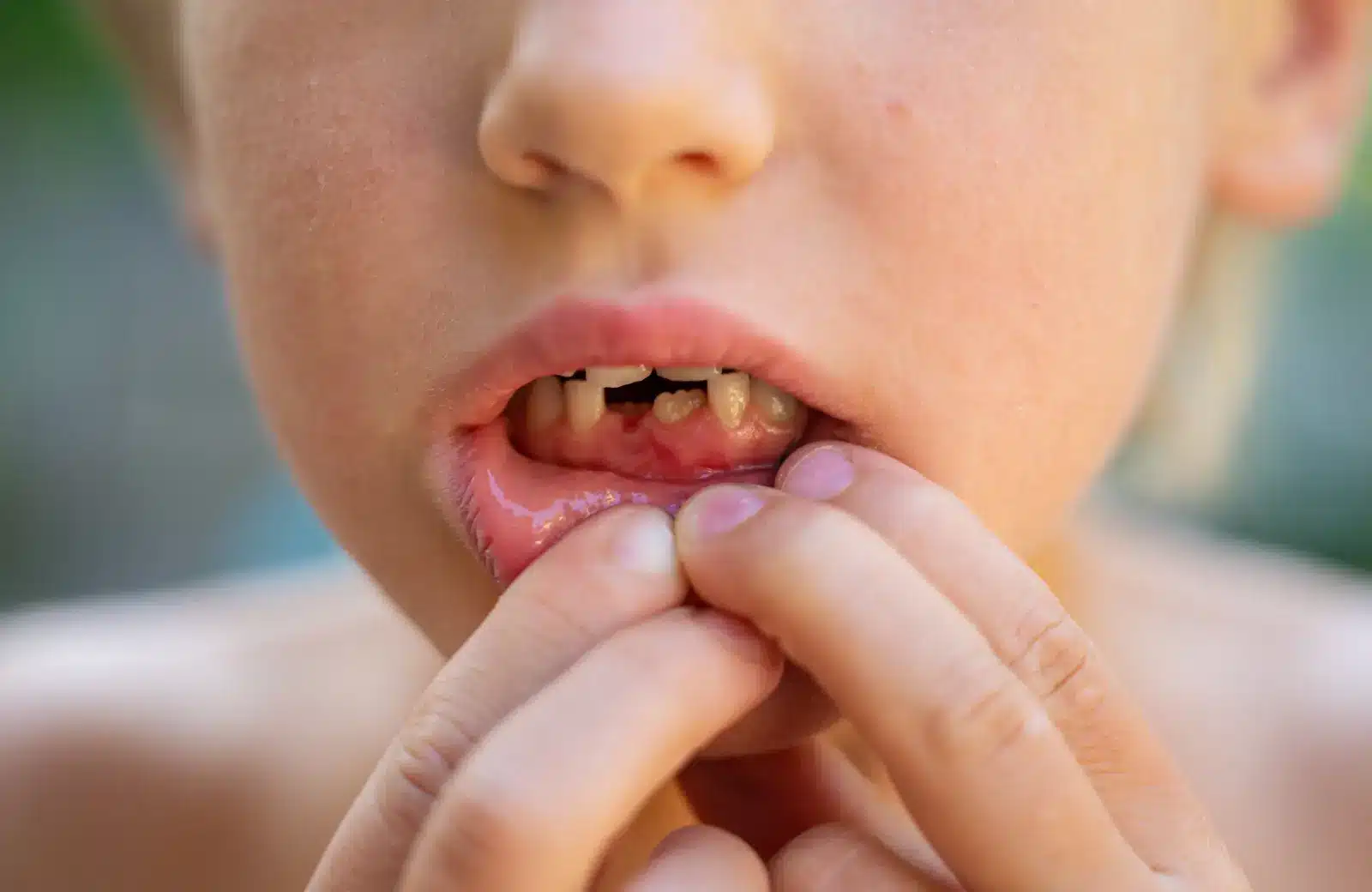
When to See an Emergency Dentist?
- A tooth has been completely knocked out
- A tooth feels very loose after trauma
- Part of the tooth has broken, off and the pulp is visible or very sensitive
- There is significant bleeding, swelling or difficulty closing the mouth
- You suspect the jaw may be fractured
Frequently Asked Questions about Dental Hygiene
What is the very first thing I should do if my tooth is knocked out?
Permanent (adult) tooth: Hold the tooth by the white crown, not the root. Do not scrape, rub or scrub it. If it is dirty, rinse it gently in milk or contact lens saline. If the person is conscious and cooperative, gently place the permanent tooth back in the socket and have them bite on a clean cloth to hold it in place. If you cannot reinsert it, keep it moist in a container of milk or contact lens saline. Seek immediate dental treatment because time is critical.
Baby (primary) tooth: Do not put a baby tooth back in the socket. Reimplanting a baby tooth can damage the developing permanent tooth. Seek prompt dental treatment and take the tooth with you.
If you are unsure whether it is a baby or permanent tooth: Do not try to reinsert it. Keep it moist in milk or contact lens saline, take it with you and seek urgent dental advice.
Reference: Queensland Government, Emergency dental – knocked-out tooth guidance.
How long do I have to save a knocked-out tooth?
Can children’s knocked-out teeth be replanted?
Do I really need an emergency dentist if the tooth is not painful?
What if the tooth was stored dry or in tissue?
Will I need a root canal after the tooth is replanted?
What if I cannot find the knocked-out tooth?
Where can I get emergency help for a knocked-out tooth near me?
Call Dental Nook Immediately
Phone: 1800 930 336
Location: Carindale, Brisbane