
Understanding Tooth Decay: Causes, Prevention, and Care by Dental Nook
How does tooth decay occur?
What causes tooth decay?
Tooth decay — also called dental caries or cavities — is one of the most common health conditions worldwide, yet many people do not fully understand what actually triggers it. The short answer is bacteria, but the full picture is a little more involved.
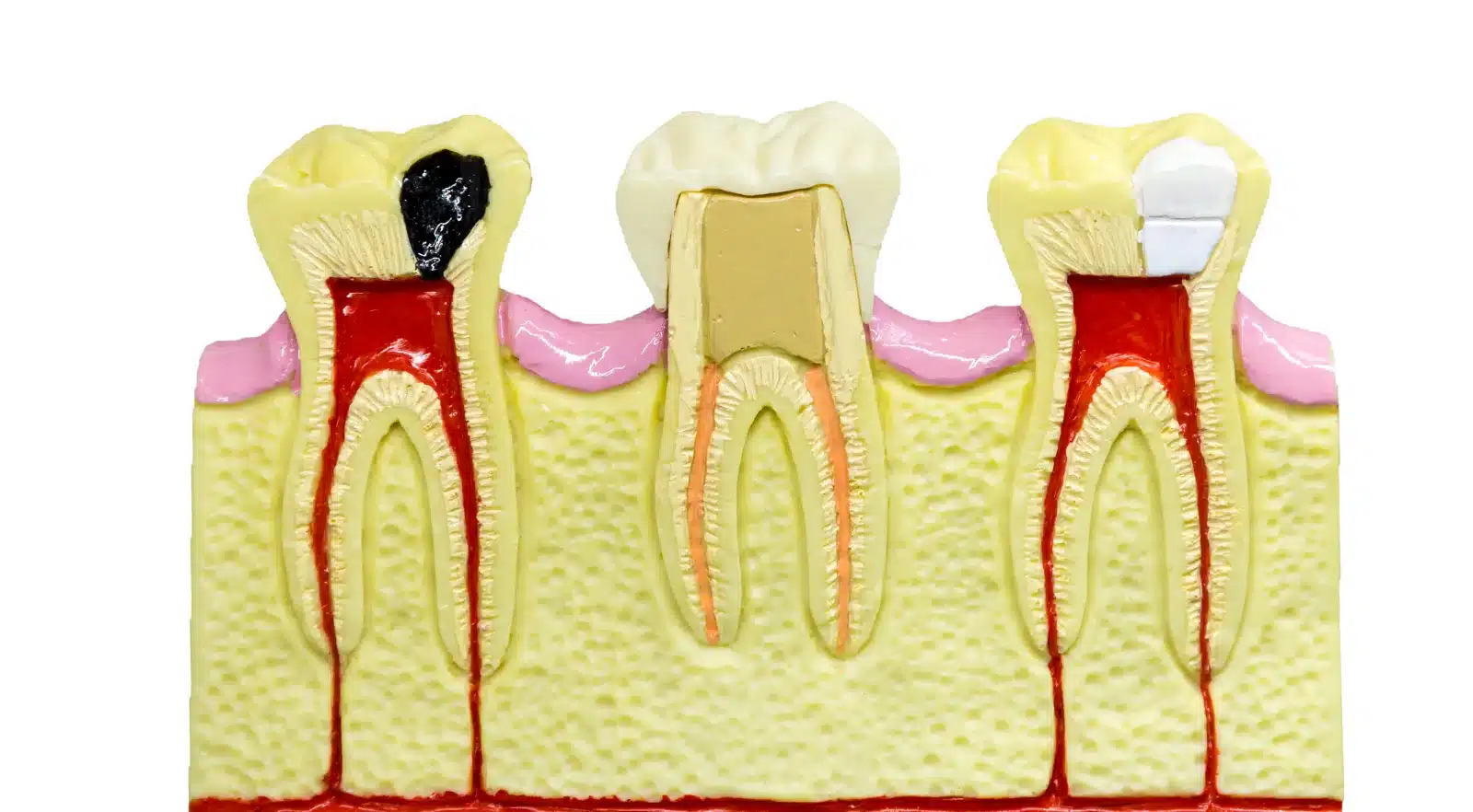
Your mouth is home to a vast ecosystem of microorganisms. When the harmful varieties interact with the carbohydrates in your diet — sugars, starches, and processed foods — they produce acids as a byproduct. These acids mount a steady attack on tooth enamel, gradually stripping away the minerals that keep it strong and intact. Over time, this acid erosion leads to the formation of cavities: permanent holes in the tooth structure.
To make matters worse, those same bacteria do not work alone. They organise themselves into a soft, sticky film called dental plaque, which clings to tooth surfaces after every meal or drink. Plaque that is not regularly disrupted through brushing and flossing provides ongoing acid exposure, accelerating the decay process. Without intervention, the damage can ultimately spread to supporting gum tissue and may eventually cost you the tooth entirely. Fortunately, with consistent dental care and the right habits, tooth decay is largely preventable.
Baby Bottle Tooth Decay
Early dental hygiene for babies
Causes of tooth decay in young children
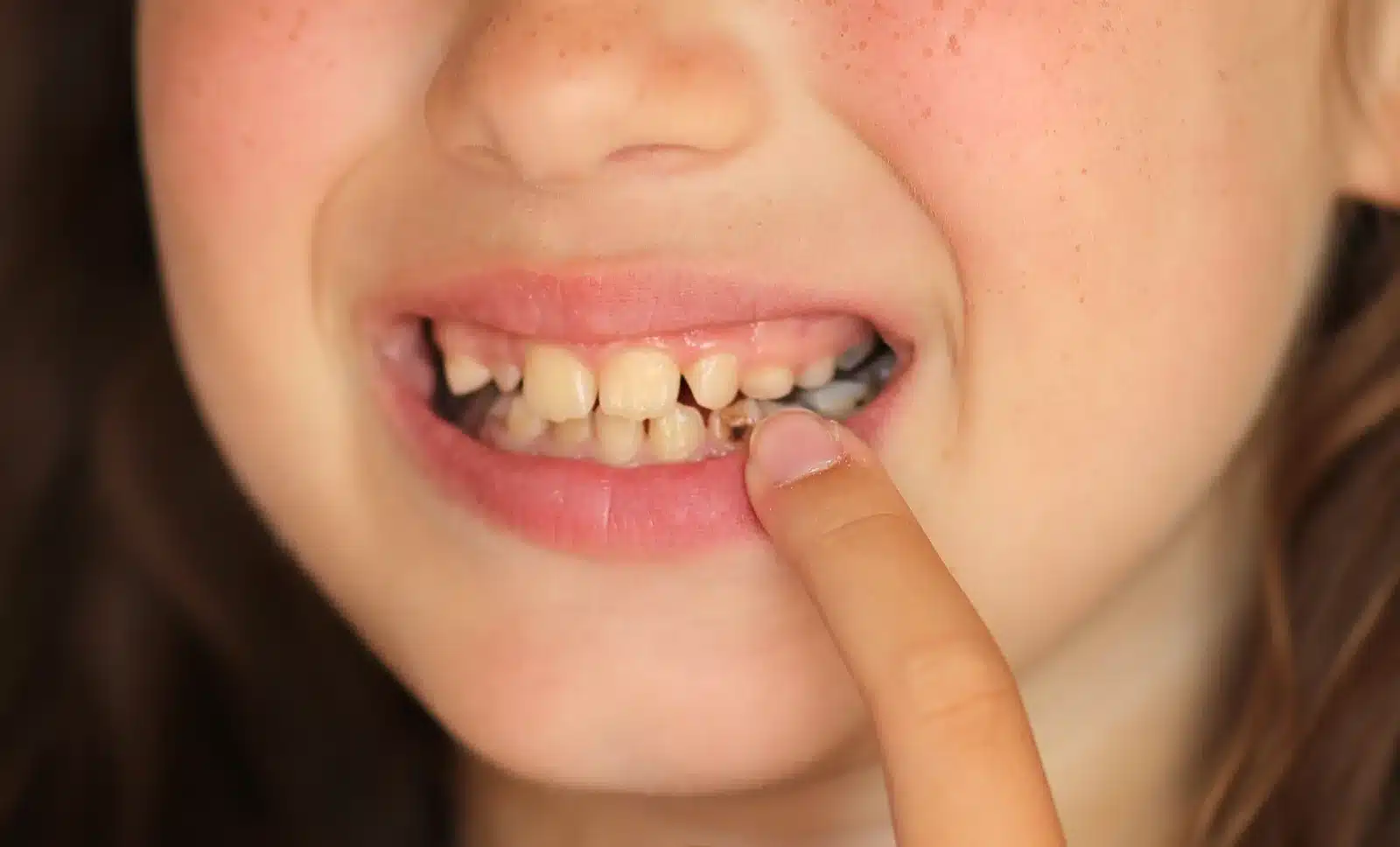
A combination of factors puts young children at elevated risk: eating between meals too often, regular exposure to sugary drinks and snacks, gaps in daily oral hygiene, and skipping dental visits. Any one of these can tip the balance toward decay, and together they create ideal conditions for it to take hold quickly.
Primary teeth might be temporary, but they serve an important structural purpose — they hold space in the jaw for the adult teeth developing beneath them. When baby teeth are lost prematurely due to decay, the neighbouring teeth drift into the vacant space. The permanent tooth that eventually tries to emerge finds its intended path blocked, leading to misalignment and possible orthodontic problems that are far more costly to fix.
If you spot white patches near your child’s gum line, do not wait to see if they resolve on their own. These are an early sign of decay, and acting quickly gives your dentist the best chance of stopping the process before it progresses. Contact Dental Nook to arrange an assessment for your child.
Preventing Dental Decay in Children
What are the stages of tooth decay?
Different stages of tooth decay
Tooth decay stage 2
Tooth decay stage 3
Tooth decay stage 4
Tooth decay stage 5
What are the symptoms of tooth decay?
Tooth decay symptoms
Decay does not always make itself known straightaway, but these are the signs worth watching for:
- Toothache — ranging from a dull ache to sharp, spontaneous pain
- Heightened sensitivity when consuming hot, cold, or sugary foods and drinks
- Visible discolouration — white patches in early stages, progressing to yellow, brown, or black spots
- Discomfort or pain when biting or chewing
- Ongoing bad breath that does not resolve with normal hygiene
- A persistent strange or bitter taste in the mouth
- Noticeable pits or holes visible on the tooth surface
Because early-stage decay often produces no symptoms at all, twice-yearly dental check-ups are one of the most reliable ways to catch problems before they become painful or expensive. Your dentist can identify decay in its earliest form during a routine examination and intervene before it causes significant damage.

Tooth decay prevention
How to prevent tooth decay
The good news is that tooth decay is largely preventable with a few consistent habits:
- Keep up with twice-yearly dental appointments and professional cleans
- Brush thoroughly twice a day using a soft-bristled toothbrush and fluoride toothpaste, spending at least two minutes each session
- Focus on technique — angle the brush toward the gum line and cover every surface of every tooth
- Add a fluoride mouth rinse to your daily routine
- Cut back on sugary and starchy snacks, especially between meals
- Reduce soft drink and sweetened beverage consumption
- Drink fluoridated tap water rather than bottled water where possible
- Talk to your dentist about dental sealants for the back teeth
The molars and premolars at the back of the mouth have deep grooves and pits in their chewing surfaces where food debris easily becomes lodged — making them disproportionately prone to cavities. Dental sealants are thin, clear plastic coatings bonded to these surfaces, effectively sealing off those grooves and creating a smooth, easier-to-clean barrier against decay.
Dry mouth and tooth decay
Saliva helps prevent tooth decay
Saliva is one of your mouth’s most underrated defences. Beyond keeping the mouth comfortable and moist, it actively neutralises the acids produced by bacteria and helps remineralise enamel after acid exposure. When saliva production drops — a condition called dry mouth — the mouth loses this buffering capacity, and acid is left in contact with tooth surfaces for far longer than it should be. The result is an accelerated risk of both tooth decay and gum disease.
Managing dry mouth is therefore an important aspect of overall oral health. Regular dental visits remain the best foundation. Chewing sugar-free gum between meals can meaningfully boost saliva flow and help keep the mouth’s acid levels in check. Smoking, by contrast, suppresses saliva production and significantly compounds the problem — yet another reason to consider quitting. Ask your dentist about strategies to manage dry mouth at your next visit.
Tooth decay treatment
How is tooth decay treated?
The good news is that tooth decay is largely preventable with a few consistent habits:
- Keep up with twice-yearly dental appointments and professional cleans
- Brush thoroughly twice a day using a soft-bristled toothbrush and fluoride toothpaste, spending at least two minutes each session
- Focus on technique — angle the brush toward the gum line and cover every surface of every tooth
- Add a fluoride mouth rinse to your daily routine
- Cut back on sugary and starchy snacks, especially between meals
- Reduce soft drink and sweetened beverage consumption
- Drink fluoridated tap water rather than bottled water where possible
- Talk to your dentist about dental sealants for the back teeth
The molars and premolars at the back of the mouth have deep grooves and pits in their chewing surfaces where food debris easily becomes lodged — making them disproportionately prone to cavities. Dental sealants are thin, clear plastic coatings bonded to these surfaces, effectively sealing off those grooves and creating a smooth, easier-to-clean barrier against decay.
Dental fillings
Dental crowns
Root canal
Tooth extraction

Tooth Decay Risk Factors
While anyone can develop cavities, certain conditions and habits raise the risk considerably:
- Active or untreated gum disease
- Physical injury or trauma to the teeth or surrounding tissue
- Tobacco use in any form
- Crowded or misaligned teeth that are harder to clean effectively
- Chronic dry mouth
- The natural anatomy and position of certain teeth
- Low or no fluoride exposure through toothpaste or drinking water
- A diet consistently high in sugar, or a habit of frequent snacking throughout the day
To arrange an appointment with one of our dentists at Dental Nook, reach out through our website or give us a call — we would be glad to help you take the next step toward a healthier smile.