What Is the Most Effective Way to Whiten My Teeth?
Many people want a brighter smile and often ask what the most effective way to whiten teeth is. While there are many whitening products available in stores, professional teeth whitening performed by a dentist is generally considered the most effective and safest method.
Professional whitening treatments use stronger whitening agents and are carefully monitored, which helps achieve better and more even results compared to over the counter products.
[Image placeholder]
Professional Teeth Whitening: How It Works
Professional teeth whitening is a treatment that removes stains and discolouration from the surface of teeth. The whitening gel used during treatment breaks down stains and lightens the natural colour of the teeth.
Whitening at the Dental Practice
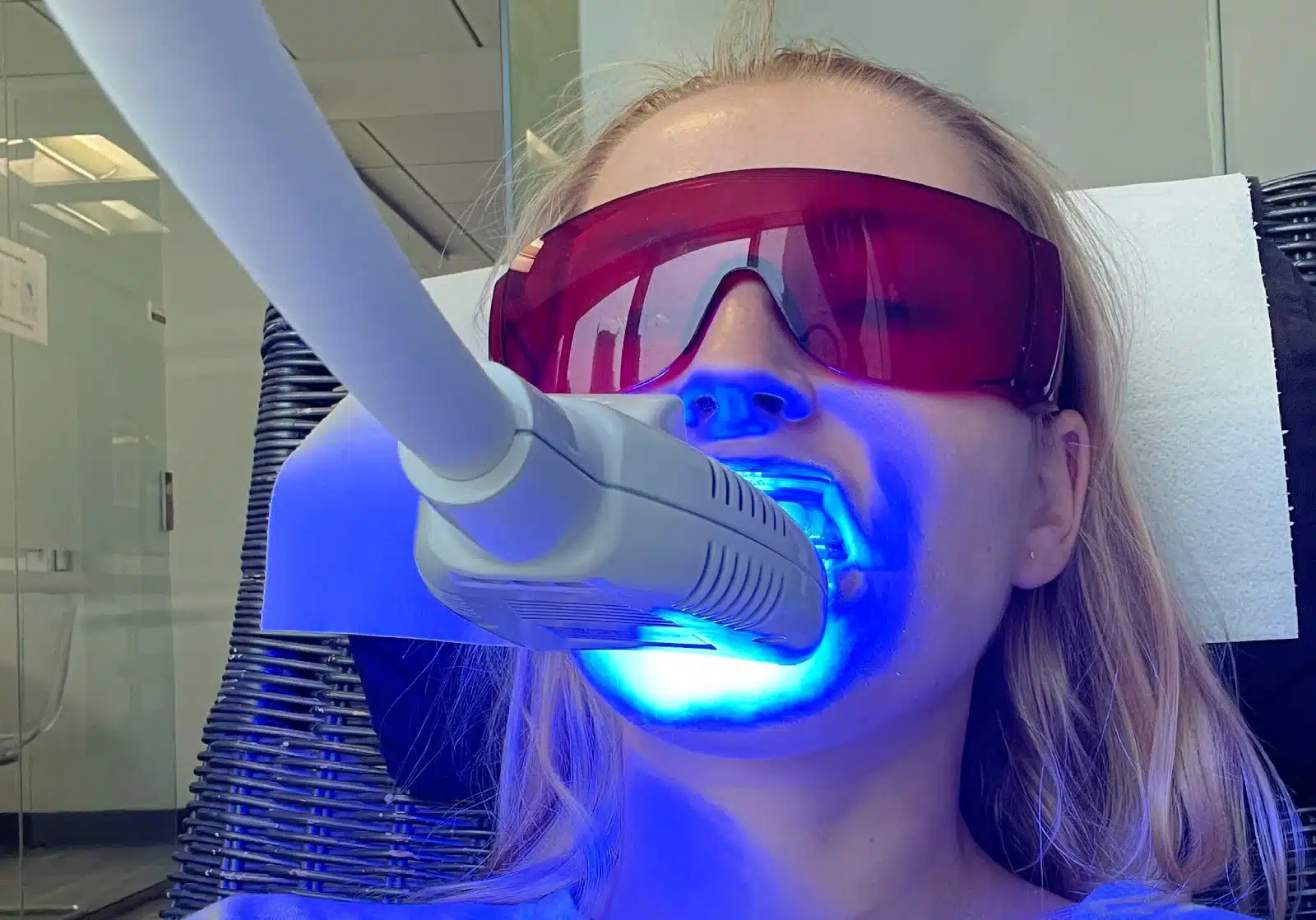
In chair whitening is performed at the dental clinic and usually provides faster and more noticeable results. A protective barrier is placed over the gums, and whitening gel is applied to the teeth. A special light may be used to enhance the whitening process.
Take Home Whitening Kits
Dentists may also provide custom take home whitening kits. These kits include custom trays that fit your teeth and professional whitening gel that you use at home over a period of time.
Over the Counter Whitening Products
Whitening strips, toothpaste, and other products are available in stores. While they may help remove minor stains, they usually do not provide the same results as professional whitening.
[Video placeholder]
Step by Step Explanation of the Whitening Process
Before Whitening Treatment
Before whitening begins, the dentist will examine your teeth and gums to make sure whitening is suitable for you. Teeth may be cleaned to remove plaque and surface stains.
During Whitening Treatment
A protective barrier is placed on the gums, and whitening gel is applied to the teeth. The gel is left on the teeth for a specific amount of time and may be activated with a special light.
After Whitening Treatment
After the treatment, the gel is removed and the teeth are rinsed. The dentist may provide instructions on how to maintain the whitening results and reduce sensitivity.
Which Teeth Whitening Should You Choose?
The best whitening option depends on your teeth, the level of staining, and your goals. Professional whitening is usually recommended for the best and safest results. Your dentist can help you decide whether in chair whitening or take home whitening is more suitable for you.
Who Can Benefit From Teeth Whitening?
Teeth whitening may be suitable for people who have stained or discoloured teeth and want a brighter smile. Common causes of tooth discolouration include coffee, tea, red wine, smoking, and ageing.
Whitening works best on natural teeth and may not work on crowns, fillings, or veneers.
Types of Stains Teeth Whitening Works Best On
Teeth whitening is most effective on certain types of stains.
- Yellow stains usually respond very well to whitening
- Light brown stains may also improve significantly
- Surface stains caused by food and drinks are often easier to remove
- Some deeper stains may require multiple treatments
When Teeth Whitening May Not Be Effective
Teeth whitening may not be suitable in all cases. Whitening may not work well if discolouration is caused by trauma, certain medications, or dental conditions affecting tooth structure.
Whitening also does not change the colour of crowns, fillings, or veneers, so colour differences may occur after whitening.
What About Porcelain Veneers?
Porcelain veneers are thin shells that are placed on the front surface of teeth to improve their appearance. Veneers can change the colour, shape, and size of teeth and are often used for smile makeovers.
Veneers are usually recommended when whitening alone cannot achieve the desired result.
Who Should Consider Porcelain Veneers?
Porcelain veneers may be suitable for people who have:
- Severely discoloured teeth
- Chipped or worn teeth
- Gaps between teeth
- Uneven or irregularly shaped teeth
- Teeth that do not respond to whitening
Dental Issues Whitening Cannot Fix
Teeth whitening improves colour but does not fix structural problems. Whitening cannot repair chipped teeth, cracks, gaps, or uneven teeth. These issues may require veneers, crowns, or other dental treatments.
Dental Veneer Procedure Step by Step
The veneer process usually involves several steps.
First, the dentist prepares the tooth by removing a small amount of enamel. Then impressions are taken to create custom veneers. Temporary veneers may be placed while the final veneers are made. Once ready, the veneers are bonded to the teeth and adjusted for comfort and appearance.
Teeth Whitening vs Porcelain Veneers – Which One Is Right for You?
Teeth whitening is usually recommended for people who want to improve the colour of their teeth. Veneers are more suitable for people who want to change the shape, size, or overall appearance of their teeth in addition to colour.
Your dentist will help you decide which option is best based on your smile goals and dental condition.
Pros and Cons of Professional Teeth Whitening
Pros
- Improves tooth colour
- Fast and noticeable results
- Non invasive treatment
- Safer when performed by a dentist
Cons
- Results are not permanent
- Some people may experience sensitivity
- May require maintenance treatments
Pros and Cons of Porcelain Veneers
Pros
- Can dramatically improve smile appearance
- Long lasting results
- Can fix multiple cosmetic issues
- Natural looking results
Cons
- More expensive than whitening
- Requires removal of some tooth enamel
- Irreversible procedure
- May need replacement after many years
Cost of Teeth Whitening vs Porcelain Veneers
Teeth whitening is generally more affordable than porcelain veneers. Veneers are a more complex cosmetic treatment and involve laboratory work and multiple appointments.
The best option depends on your budget, dental condition, and desired results.
[Book Online placeholder]
Caring for Teeth After Whitening or Veneers
After whitening or veneers, it is important to maintain good oral hygiene to keep your smile looking bright.
Avoid Foods That Cause Staining
Coffee, tea, red wine, and smoking can stain teeth and reduce whitening results.
Maintain Good Oral Hygiene
Brush and floss daily and attend regular dental check ups.
Attend Regular Dental Visits
Regular professional cleaning helps maintain whitening results and overall dental health.
How Long Do Results Last?
Teeth Whitening
Whitening results may last from several months to a few years depending on diet, oral hygiene, and lifestyle habits.
Porcelain Veneers
Porcelain veneers can last many years with proper care and regular dental visits.
Takeaway
Teeth whitening is one of the most effective ways to improve the colour of your smile, while porcelain veneers are a better option for more significant cosmetic changes. The best treatment depends on your teeth, goals, and budget.
A consultation with a dentist can help determine the most suitable option for achieving a brighter and more confident smile.
Brighten Your Smile With Professional Dental Care
If you are considering teeth whitening or porcelain veneers, our dental team can help you choose the most suitable option for your smile. We focus on safe, effective, and personalised dental treatments to help you achieve the smile you want.
Contact our team today to book a consultation and learn more about your treatment options.