
Chipped Tooth Repair and Treatment: Dental Nook
Oops — I've Chipped a Tooth!
Does a chipped tooth hurt?
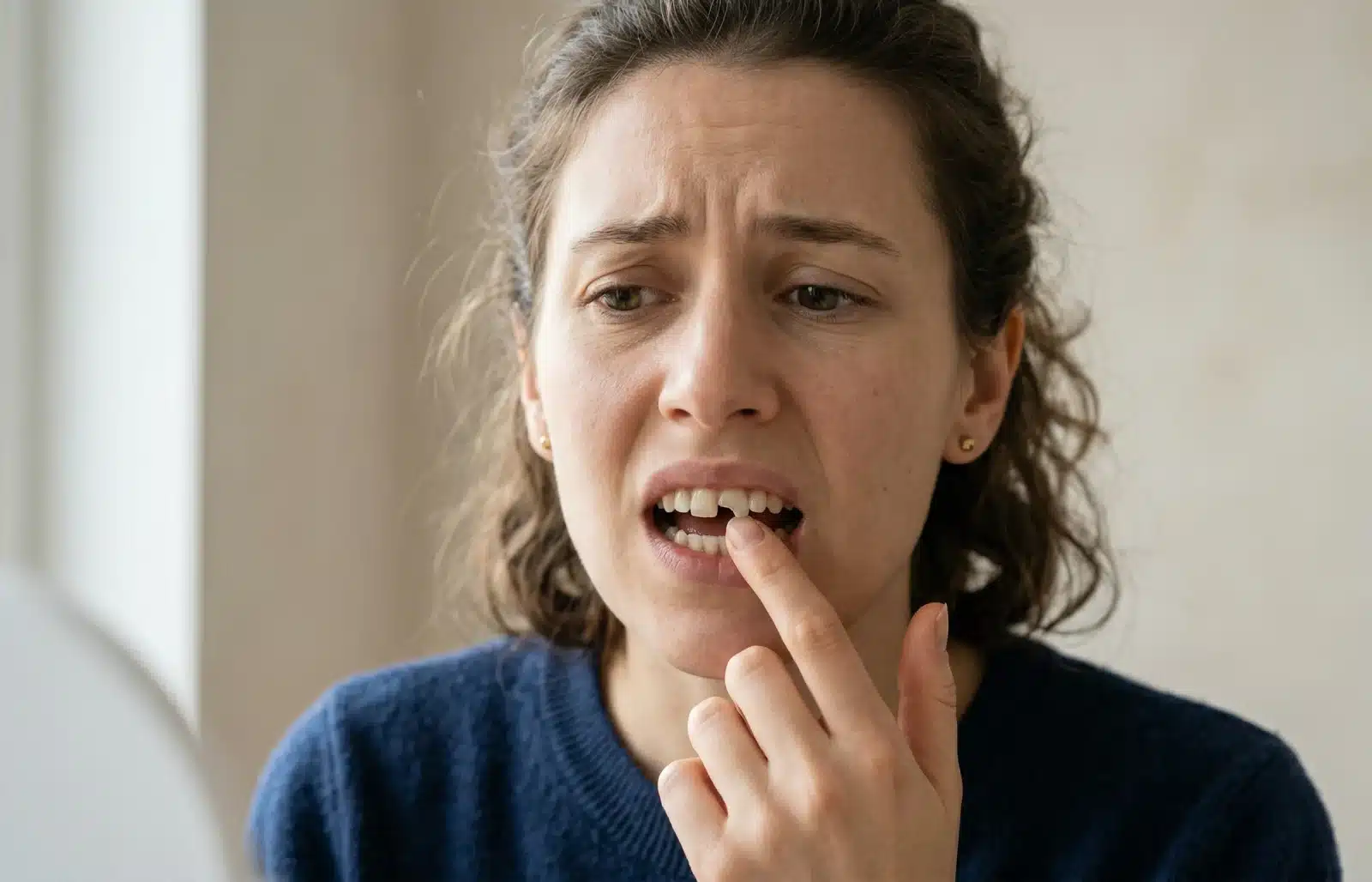
What Happens When Dentine Is Exposed?
Tooth enamel is the strongest material in the entire human body, and its primary role is to act as a protective shield for your teeth. But as tough as enamel is, once it breaks away, it uncovers the layer beneath — dentine — which is extremely reactive to external stimuli.
What kind of stimuli?
- temperature changes, whether hot or cold
- sugary or acidic foods
- sugary or acidic beverages
- even air
Exposed dentine not only produces pain and sensitivity but also significantly raises your chances of developing a tooth infection, a dental abscess, or in serious cases, losing the tooth entirely.
Book in with a dentist as soon as you notice a chipped or broken tooth to prevent the situation from getting worse.
But wait — can tooth enamel actually break?

What Causes a Tooth to Chip?
Why Do Teeth Chip?
- falls and tumbles
- accidents
- using your teeth as tools (opening packaging, biting nails, etc.)
- a direct blow to the face
- biting down on hard foods or objects such as boiled lollies, pens, or ice
- contact sports
- a weakened tooth structure, sometimes resulting from previous root canal treatment
- teeth grinding (bruxism)
- ageing dental restorations
- Wearing a fitted mouthguard during contact sports is strongly recommended to protect your teeth and jaw from impact injuries.
- If you grind your teeth, this may be related to an uneven bite — speak to your dentist about whether orthodontic treatment could help resolve the underlying cause.
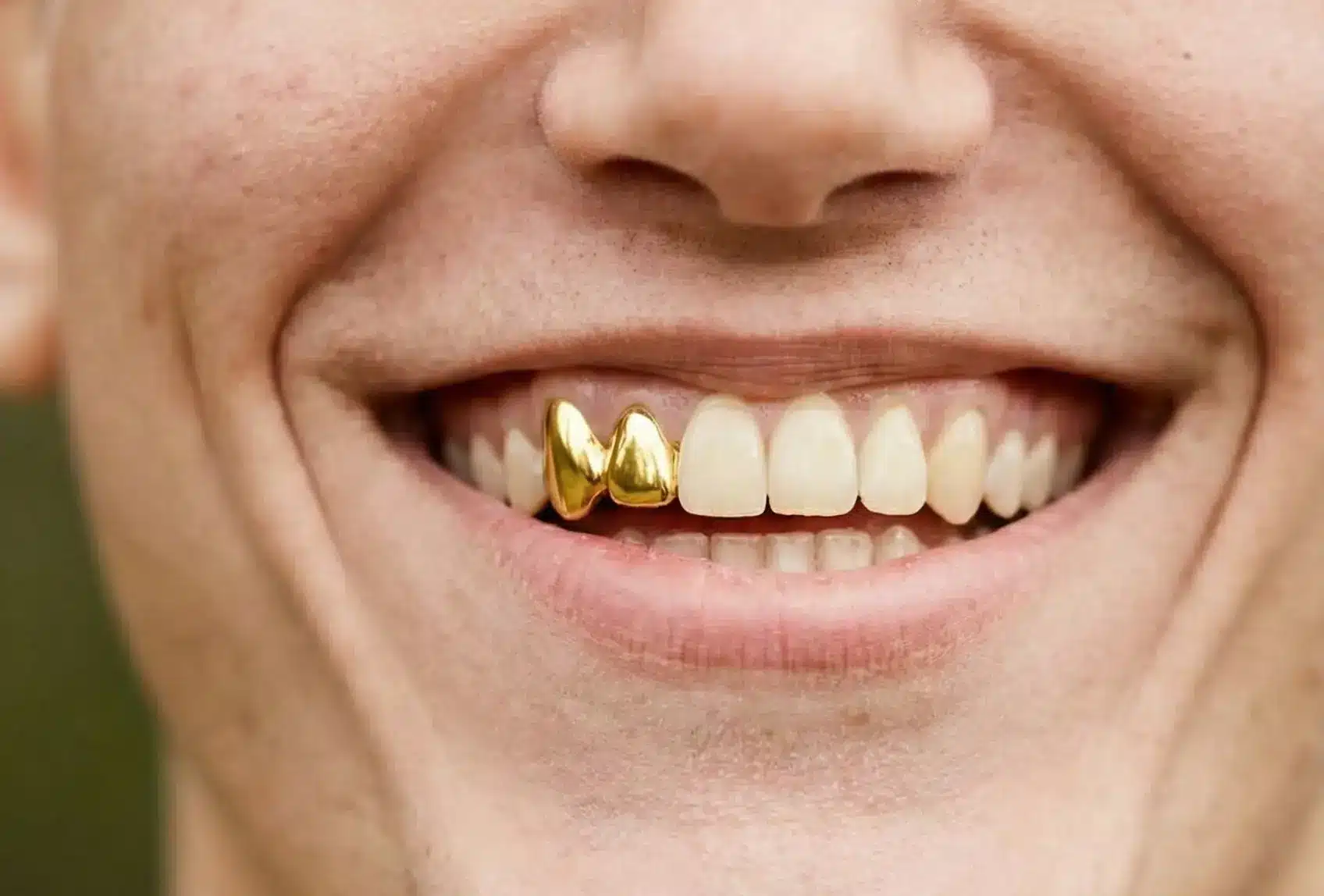
Weakened Teeth Are More Vulnerable to Chipping or Breaking
- tooth decay and cavities
- large existing dental fillings
- a diet high in sugary or acidic foods and drinks
- chronic teeth grinding
- acid reflux
- general ageing and gradual wear
Signs and Symptoms of a Chipped Tooth
- a rough or uneven edge on the tooth
- discomfort when biting or chewing
- heightened tooth sensitivity
- intermittent pain that comes and goes rather than being constant
- swelling in the gum tissue surrounding the damaged tooth
- irritation of the tongue or inner cheek caused by contact with the sharp or jagged edge of the tooth
Chipped Tooth vs. Cracked Tooth
Are They the Same Thing?
While a chipped tooth and a cracked tooth can seem similar and may not always be straightforward to tell apart, there are some useful distinctions:
- A chipped tooth is usually quite noticeable, whereas a cracked tooth is often invisible to the naked eye. You could have a crack in a tooth without even realising it.
- Cracks tend to develop on back teeth that bear the brunt of chewing forces, while chips most commonly occur on front teeth.
- A chipped tooth can often be repaired with a relatively straightforward procedure completed in a single appointment. A cracked tooth, on the other hand, may need more extensive treatment such as root canal therapy.
- A chip generally affects only a portion of the tooth, whereas a crack can run through the entire tooth structure.
Treatment Options for a Chipped or Broken Tooth
How Can a Chipped or Broken Tooth Be Fixed?
Dental Fillings
Dental Crowns
- can be fabricated from metal, porcelain fused to metal, or all-ceramic (porcelain) material
- is the preferred option for larger breaks that affect more than just the surface of the tooth
- is used when a filling alone is not sufficient to restore the tooth
- helps guard against further damage including decay
Dental Veneers
- conceal chips, cracks, or other surface damage
- improve the overall look and symmetry of the smile
Dental Bonding
Root Canal Therapy
What Should You Do Immediately After Chipping a Tooth?
In the meantime, here is what to do:
- If you can locate the broken fragment, keep it and bring it to your appointment. In some cases — though not always — the dentist may be able to reattach it if it fits back onto the tooth precisely. It is always worth bringing it along just in case.
- Rinse your mouth gently with warm water, then cover the tooth with a small piece of damp gauze.
- Apply a cold pack or ice wrapped in a cloth to the outside of your cheek to help minimise swelling.
- If you are in significant pain or the tooth is bleeding, an over-the-counter pain reliever can provide temporary relief.
- Stick to soft foods if you need to eat, and avoid anything hard, crunchy, or chewy.
Permanent (adult) tooth: Hold the tooth by the white crown, not the root. Do not scrape, rub or scrub it. If it is dirty, rinse it gently in milk or contact lens saline. If the person is conscious and cooperative, gently place the permanent tooth back in the socket and have them bite on a clean cloth to hold it in place. If you cannot reinsert it, keep it moist in a container of milk or contact lens saline. Seek immediate dental treatment because time is critical.
Baby (primary) tooth: Do not put a baby tooth back in the socket. Reimplanting a baby tooth can damage the developing permanent tooth. Seek prompt dental treatment and take the tooth with you.
If you are unsure whether it is a baby or permanent tooth: Do not try to reinsert it. Keep it moist in milk or contact lens saline, take it with you and seek urgent dental advice.
Reference: Queensland Government, Emergency dental – knocked-out tooth guidance.