Baby Tooth Subluxation: What Parents Need to Know
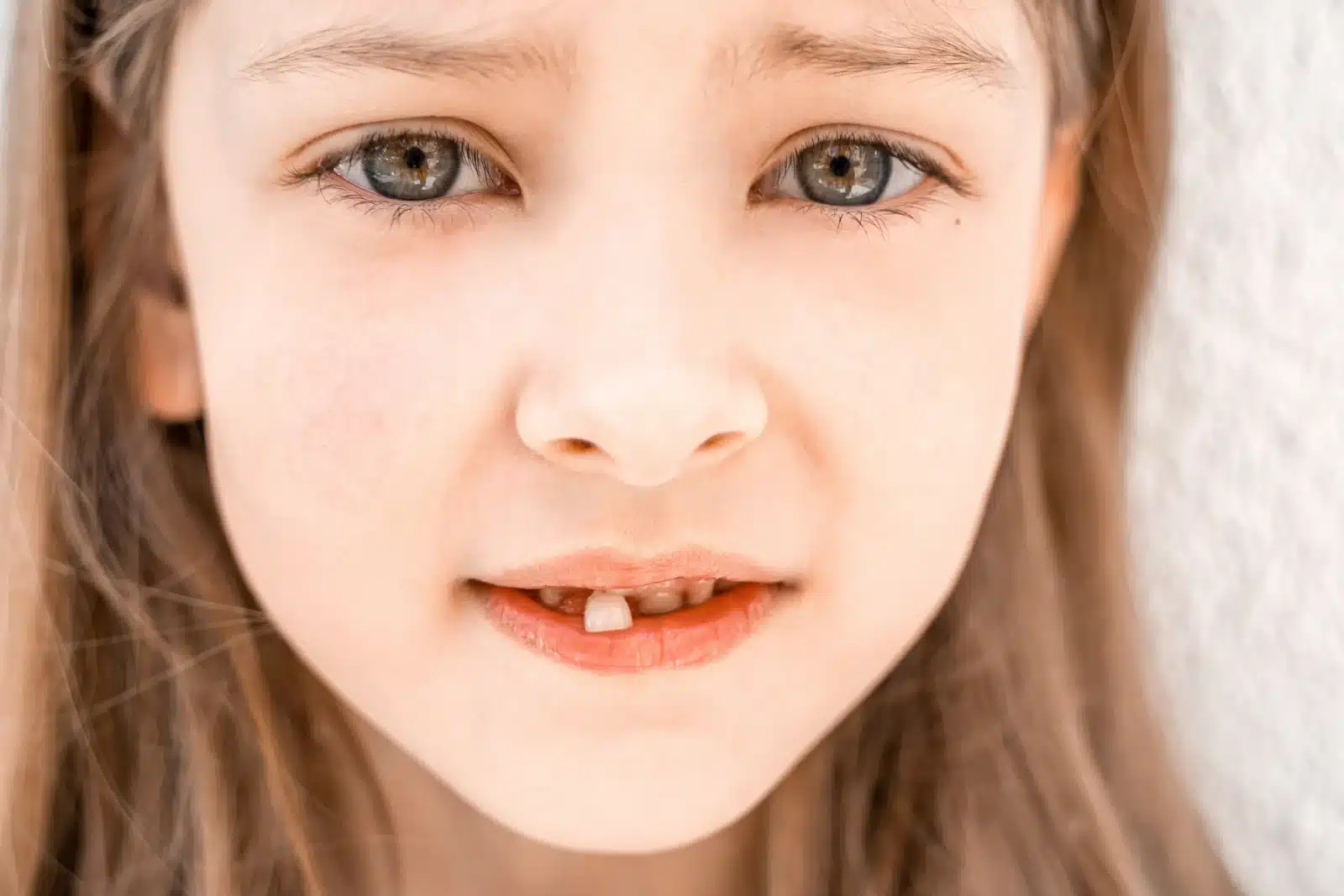
A dental injury involving a child’s baby tooth can be distressing for parents. One common type of injury is tooth subluxation, where a primary tooth becomes loose after trauma but remains in its original position. Although it may look concerning, subluxation is a relatively common childhood dental injury and often heals naturally with proper care and monitoring.
Understanding the causes, symptoms, and treatment options can help parents respond calmly and ensure their child receives appropriate care when needed.
What Is Baby Tooth Subluxation?
Baby tooth subluxation occurs when a primary tooth becomes mobile due to trauma without being displaced from its socket. The tooth may feel tender, slightly loose, or sensitive when touched or during chewing. While this injury can be alarming, most cases resolve without invasive treatment, especially when evaluated and monitored by a paediatric dentist.
Common Causes of Baby Tooth Subluxation
Children’s active lifestyles make them more prone to dental injuries. Common causes include:
Falls and Accidents
Toddlers learning to walk and young children at play frequently experience falls that can lead to tooth injuries.
Sports and Recreational Activities
Contact sports and playground activities may result in accidental impacts to the mouth.
Collisions and Impacts
Bumping into furniture, playground equipment, or other children can cause trauma to baby teeth.
Biting on Hard Objects
Chewing on hard toys, ice, or non-food objects may damage the supporting structures of a tooth.
Signs Your Child’s Tooth Is Loose from an Injury
Recognising the symptoms of subluxation helps ensure timely care. Watch for the following signs:
- Tooth Mobility: The tooth feels loose but remains in position.
- Tenderness or Sensitivity: Pain or discomfort when biting or touching the tooth.
- Bleeding Gums: Mild bleeding around the affected tooth.
- Swelling: Gum tissue around the tooth may appear inflamed.
- Tooth Discolouration: The tooth may darken over time following injury.
If you notice any of these symptoms, consult a dentist promptly for evaluation and guidance.
Immediate Steps to Take After a Tooth Injury
If your child experiences a dental injury, taking the right steps can help minimise complications:
Stay Calm and Reassure Your Child
Comfort your child and keep them relaxed to prevent further injury.
Check for Bleeding or Swelling
Gently inspect the mouth and apply light pressure with clean gauze if bleeding occurs.
Clean the Area
Rinse your child’s mouth with clean water to remove debris.
Apply a Cold Compress
Place a cold pack or wrapped ice on the affected area to reduce swelling and discomfort.
Provide a Soft Diet
Offer soft foods and avoid allowing your child to bite on the injured tooth.
Seek Dental Care Promptly
Arrange an appointment with a paediatric dentist for professional assessment and advice.
Possible Treatments for Baby Tooth Subluxation
Treatment depends on the severity of the injury and your child’s symptoms.
Observation and Monitoring
In most cases, the tooth heals naturally. Regular dental reviews ensure proper recovery and detect any complications.
Stabilisation (Splinting)
If the tooth is significantly mobile, a flexible splint may be used temporarily to support healing.
Soft Diet Recommendations
Avoiding hard or crunchy foods reduces stress on the affected tooth during recovery.
Pain Management
Appropriate pain relief may be recommended to keep your child comfortable.
Tooth Extraction
In rare cases where the tooth is severely damaged or poses a risk to the developing permanent tooth, extraction may be necessary.
Preventing Future Tooth Injuries
Preventive measures play a vital role in protecting your child’s oral health.
Use Protective Mouthguards
Encourage mouthguard use during sports and high-impact activities.
Create Safe Play Environments
Ensure play areas are free from hazards that may cause falls or injuries.
Supervise Young Children
Close supervision helps reduce the risk of accidents during early childhood.
Promote Healthy Habits
Discourage chewing on hard objects such as ice, pens, or toys.
Schedule Regular Dental Check-Ups
Routine visits support early detection and prevention of dental issues.
Understanding the Impact on Permanent Teeth
Trauma to baby teeth can occasionally affect the development of permanent teeth. Potential outcomes include:
- Discolouration: The developing permanent tooth may appear discoloured.
- Enamel Defects: Injury may interfere with enamel formation.
- Delayed Eruption: Permanent teeth may erupt later than expected.
- Misalignment: Severe trauma can affect the alignment or position of permanent teeth.
Regular dental monitoring ensures any concerns are identified and managed early.
Frequently Asked Questions About Baby Tooth Injuries
How long does it take for a subluxated baby tooth to heal?
Healing typically occurs within a few weeks, depending on the severity of the injury.
Should my child avoid certain foods after a tooth injury?
Yes. A soft diet is recommended to minimise stress on the affected tooth during recovery.
Can a subluxated baby tooth become infected?
Although uncommon, infection is possible. Regular dental check-ups help monitor healing and prevent complications.
Is tooth discolouration normal after subluxation?
Yes, discolouration may occur as part of the healing process. Your dentist will monitor the tooth for any concerns.
Can my child continue brushing after a tooth injury?
Gentle brushing should continue to maintain oral hygiene, avoiding direct pressure on the injured area.
Will a loose baby tooth affect my child’s speech?
In most cases, subluxation does not significantly affect speech. Any concerns should be discussed with your dentist.
Safe, Gentle Solutions for Baby Tooth Injuries
At Dental Nook, we understand how stressful dental injuries can be for both children and parents. Our compassionate team provides gentle, child-focused care in a comfortable environment. From diagnosis to recovery, we are dedicated to protecting your child’s oral health and supporting their growing smile.
If your child has experienced a dental injury or shows signs of a loose baby tooth, contact Dental Nook today to schedule an appointment. Prompt evaluation and expert care help ensure the best possible outcome for your child’s dental health.