
Emergency Dental Care Tips: Dental Nook
Dental emergencies can be stressful, painful, and unexpected. Knowing what to do in the first few minutes can help reduce discomfort, prevent further damage, and improve the chances of saving a tooth. If you need an emergency dentist Brisbane, an emergency dentist Carindale, or an urgent dentist Brisbane, these simple emergency tips can help before you arrive at Dental Nook.
Severe toothache
Rinse your mouth gently with warm water and keep the area clean. Avoid placing aspirin directly on the gums or tooth, as this can irritate the tissue. If the pain is severe or getting worse, contact a pain relief dentist Brisbane or same day dentist Brisbane as soon as possible.
Knocked-out tooth
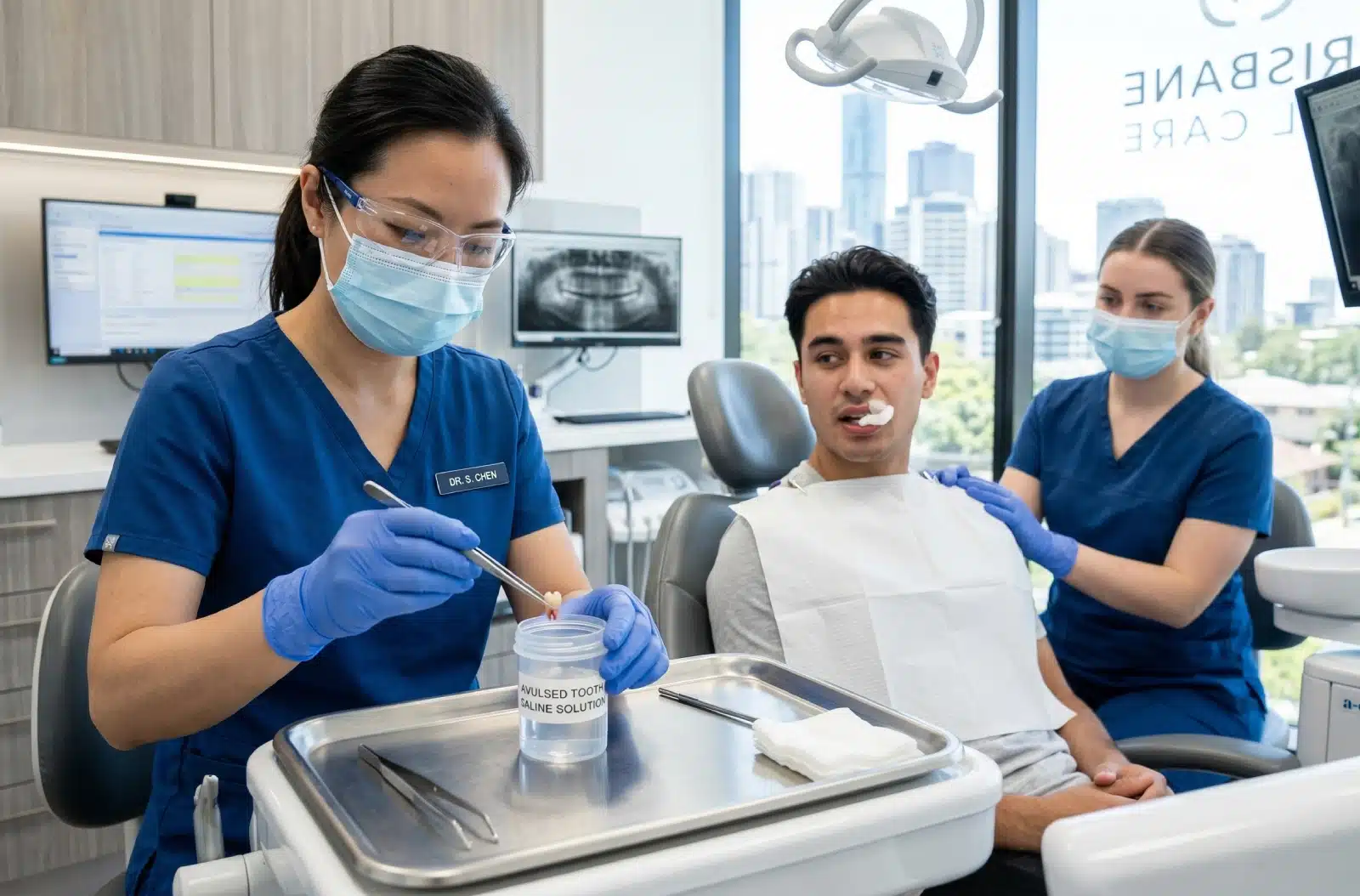
Hold the tooth by the crown, not the root. If it is dirty, rinse it gently with water without scrubbing. If possible, place it back into the socket carefully. If that is not possible, keep it in milk or saliva and seek urgent help immediately. Fast action gives the best chance of saving the tooth.
Broken, chipped, or cracked tooth
Rinse your mouth with warm water and keep any broken pieces if you can. Avoid chewing on that side and contact an emergency dentist near me or an emergency dentist Brisbane southside quickly, especially if there is pain or sharp edges.
Swelling or dental abscess
Swelling in the gums, face, or jaw may be a sign of infection and should not be ignored. Use a cold compress on the outside of the face and contact the clinic straight away. If swelling is severe, worsening, or affecting breathing or swallowing, seek urgent medical attention immediately.
Bleeding after dental trauma
Apply gentle pressure with clean gauze or a clean cloth to the area. Keep pressure steady for several minutes. If bleeding does not stop, contact an emergency dentist open now in Brisbane or seek urgent care.
Lost filling or crown
A lost filling or crown can leave the tooth exposed and sensitive. Avoid chewing on that side and keep the area clean. If you still have the crown, bring it with you to the appointment. Prompt treatment can help prevent further damage.
Wisdom tooth pain
If you have swelling, jaw pain, or pain at the back of your mouth, it may be related to an infected or impacted wisdom tooth. Rinse gently with warm salt water and avoid hard foods. If the pain is severe, contact a clinic that provides emergency wisdom tooth removal Brisbane or wisdom tooth pain relief Brisbane.
Soft tissue injury
If you have injured your lips, cheeks, tongue, or gums, rinse gently with warm water and apply pressure with clean gauze if there is bleeding. A cold compress may help reduce swelling. If bleeding continues, seek urgent care.
What not to do
Do not ignore severe pain, swelling, infection, or uncontrolled bleeding. Do not place painkillers directly onto the gums. Do not delay treatment for a knocked-out or broken tooth, as waiting can make the problem worse.
When to call Dental Nook?
Contact Dental Nook straight away if you have severe pain, swelling, trauma, a broken tooth, an infected tooth, or sudden wisdom tooth pain. We help patients searching for a dentist open now, Brisbane, after-hours dentist Brisbane, weekend dentist Brisbane, and emergency dentist Carindale get fast support when urgent care is needed.

Frequently Asked Questions
What is considered a dental emergency?
A dental emergency is any problem involving sudden pain, swelling, bleeding, infection, trauma, or damage to a tooth that needs prompt attention. This can include severe toothache, a knocked-out tooth, a broken or cracked tooth, facial swelling, a dental abscess, uncontrolled bleeding, or sudden pain from a wisdom tooth. If the problem is getting worse, causing strong discomfort, or affecting your ability to eat, sleep, or function normally, it is best to seek urgent dental care as soon as possible.
Can I get a same-day emergency dental appointment in Brisbane?
Same-day emergency dental appointments may be available depending on the urgency of your condition and appointment availability on the day. If you are experiencing severe pain, swelling, trauma, or signs of infection, it is best to contact Dental Nook as early as possible so our team can assess your situation and guide you on the next step. Early contact gives you the best chance of being seen quickly.
Do you treat wisdom tooth emergencies?
Yes, Dental Nook helps patients with wisdom tooth emergencies, including severe pain, swelling, infection, pressure at the back of the mouth, and difficulty opening the jaw. Wisdom teeth can sometimes become impacted or infected, which may lead to worsening discomfort if not treated promptly. If you are dealing with sudden wisdom tooth pain or need urgent assessment, our team can examine the area and recommend the most suitable treatment.
What should I do if I have a knocked-out tooth?
If a tooth has been knocked out, hold it carefully by the crown and avoid touching the root. If it is dirty, rinse it gently with clean water without scrubbing. If possible, place the tooth back into the socket carefully. If that is not possible, keep it moist in milk or saliva and seek emergency dental care immediately. Acting quickly is very important, as prompt treatment can improve the chance of saving the tooth.
Do you help nervous patients with emergency treatment?
Yes, we understand that emergency dental visits can feel overwhelming, especially if you are already in pain or feel anxious about treatment. Dental Nook aims to provide calm, supportive care for nervous patients and explain everything clearly before treatment begins. If you are feeling anxious, let our team know when you call so we can help make your visit as comfortable as possible.
Do you see patients from Carindale and nearby suburbs?
Yes, Dental Nook welcomes patients from Carindale and the surrounding suburbs across the Brisbane southside. We commonly help patients from Camp Hill, Belmont, Mansfield, Carina, Tingalpa, and nearby areas who need urgent dental care. Our clinic is conveniently located for patients looking for a trusted emergency dentist near Carindale and near Westfield Carindale.
What should I do if I have swelling or signs of infection?
Swelling in the gums, face, or jaw may be a sign of a dental infection and should not be ignored. You should contact Dental Nook as soon as possible for urgent advice and assessment. In the meantime, you can apply a cold compress to the outside of the face to help reduce swelling. If the swelling becomes severe or starts affecting breathing or swallowing, seek urgent medical attention immediately.