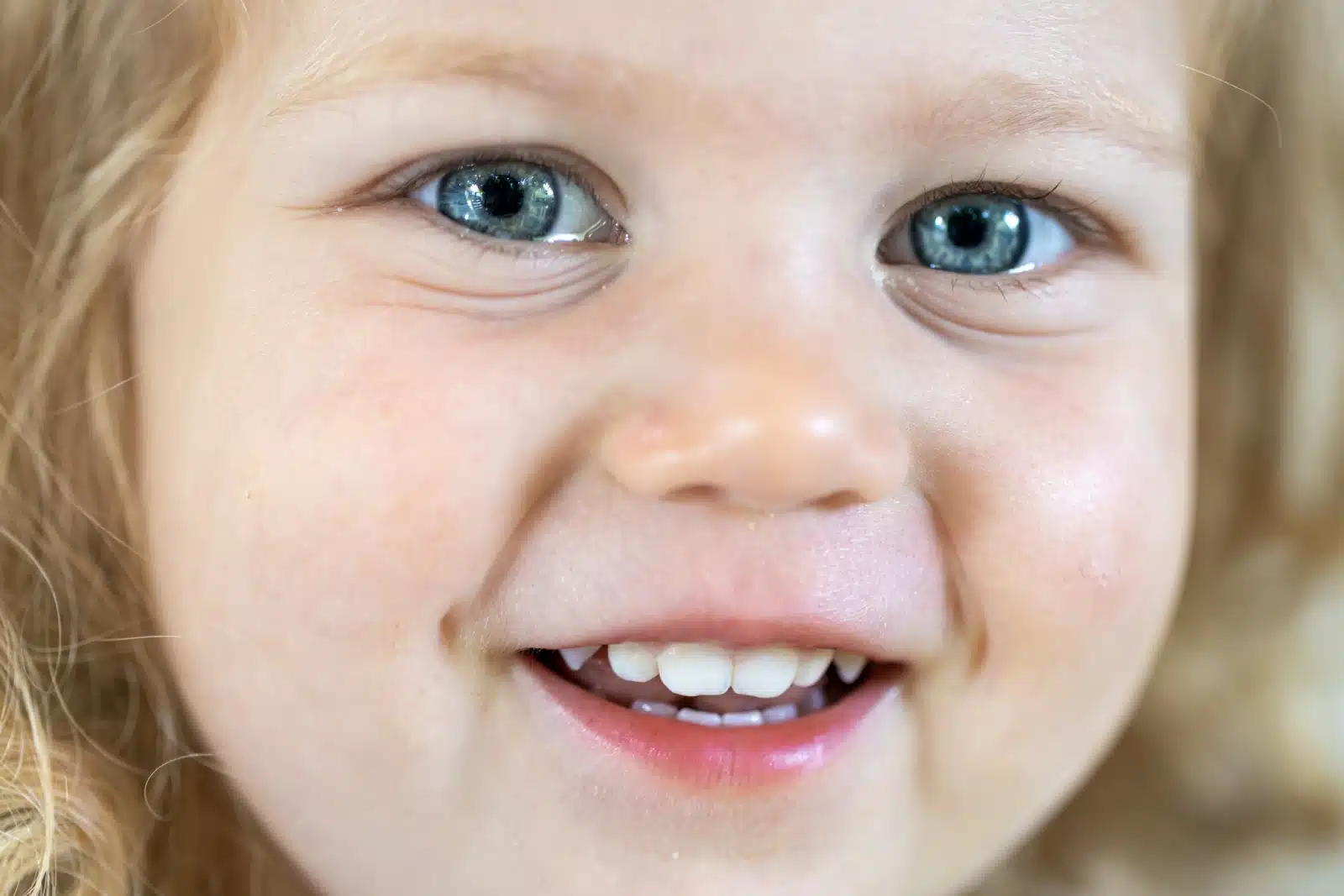
It can be surprising to look inside your child’s mouth and see a second row of teeth appearing behind their baby teeth. Many parents worry something has gone wrong.
In most cases, this situation — sometimes called “shark teeth” — is a normal part of dental development. Understanding why it happens and when to seek advice can give you peace of mind.
At Dental Nook, we help families navigate every stage of growing smiles with clarity and reassurance.
Why Permanent Teeth Sometimes Erupt Behind Baby Teeth
Permanent teeth usually grow directly under baby teeth and gradually dissolve the baby tooth roots, causing them to loosen and fall out.
However, sometimes permanent teeth erupt slightly behind the baby teeth instead of directly underneath. This can happen when:
- The baby tooth roots have not fully dissolved
- The permanent tooth takes a slightly different path
- There is mild crowding in the jaw
This commonly occurs with the lower front teeth around ages 5 to 7.
How Do Baby Teeth Normally Fall Out?
In typical development:
- Permanent teeth form beneath baby teeth
- The roots of baby teeth gradually resorb
- The baby teeth loosen and fall out naturally
When this process is slightly delayed, the permanent tooth may appear behind the baby tooth before it falls out.
Typical Timeline of Permanent Teeth Eruption
Most children begin losing baby teeth around age 6. The lower front teeth are usually the first to change, followed by the upper front teeth.
Every child develops at their own pace. Minor variations are completely normal.
Why Do Permanent Teeth Sometimes Create a “Double Row”?
Several factors may contribute:
Slow Baby Tooth Root Resorption
If the baby tooth roots dissolve more slowly than usual, the permanent tooth may erupt behind it.
Jaw Size and Spacing
Limited space in the jaw may alter the eruption path.
Tooth Position Variations
Permanent teeth do not always follow an identical path in every child.
In many cases, the baby tooth will loosen and fall out on its own within a few weeks.
Will the Permanent Teeth Move into Place?
Often, yes.
Once the baby tooth falls out, the tongue naturally helps guide the permanent tooth forward. Over time, it may align into a more natural position.
Monitoring is usually the first step before considering intervention.
Is It Harmful or Painful?
In most cases, it is not harmful.
Some children may feel:
- Mild discomfort
- Tender gums
- Sensitivity while chewing
However, significant pain or swelling should be evaluated.
What Should I Do If My Child Has Permanent Teeth Behind Baby Teeth?
In many cases, gentle encouragement is helpful.
You can:
- Encourage your child to wiggle the baby tooth
- Maintain good oral hygiene
- Monitor the tooth for loosening
Avoid forceful pulling unless advised by a dentist.
If the baby tooth remains firm after several weeks, professional assessment is recommended.
When Should You Seek Dental Advice?
Schedule a dental visit if:
- The baby tooth does not loosen
- There is swelling or infection
- Your child experiences significant discomfort
- The permanent tooth appears severely misaligned
Early evaluation ensures proper development.
When Is Extraction of the Baby Tooth Necessary?
Sometimes, if the baby tooth does not loosen naturally, removal may be recommended to allow the permanent tooth to move into place.
This is a simple procedure performed with care and minimal discomfort.
Will This Affect My Child’s Long-Term Alignment?
Most cases resolve naturally without long-term impact.
However, if there is significant crowding, your dentist may monitor:
- Tooth spacing
- Jaw growth
- Alignment patterns
Early orthodontic evaluation may be suggested in some cases.
Avoid Forcing or Pulling Teeth at Home
While loose baby teeth can be gently encouraged, avoid aggressive pulling. This can:
- Cause unnecessary pain
- Increase bleeding
- Risk infection
If unsure, seek professional guidance.
Other Tooth Eruption Variations in Growing Children
Children may also experience:
- Early eruption
- Delayed eruption
- Mild crowding
- Temporary spacing changes
Most developmental variations are normal and monitored during routine dental visits.
How to Prevent Problems with Permanent Teeth Eruption
You can support healthy eruption by:
- Maintaining regular dental check-ups
- Encouraging brushing twice daily
- Limiting sugary foods and drinks
- Ensuring adequate nutrition
Routine visits allow early detection of any concerns.
Frequently Asked Questions
Is it normal for permanent teeth to grow behind baby teeth?
Yes, especially in the lower front teeth around age 6.
Should I pull the baby tooth out?
Only if it is very loose. Avoid force unless advised by a dentist.
How long does it take for the baby tooth to fall out?
Often within a few weeks, but it varies.
Will the permanent tooth move forward naturally?
In many cases, yes — especially once the baby tooth falls out.
Can this lead to orthodontic problems?
Usually not, but monitoring helps ensure healthy alignment.
Ensure Your Child’s Smile Grows Healthy and Strong
Seeing permanent teeth appear behind baby teeth can look unusual, but it is often part of normal dental development.
At Dental Nook, we provide gentle, child-focused care to monitor growth and ensure each stage of eruption progresses smoothly.
If you are unsure about your child’s tooth development, book an appointment for a professional assessment. Early reassurance helps parents feel confident and keeps little smiles on track.