For many people, the idea of visiting a dentist in Brisbane can trigger feelings of nervousness or anxiety. But what if you could gently drift into a peaceful sleep and wake up with your dental treatment completed?
Welcome to the reassuring world of sleep dentistry — where anxious patients can receive high-quality dental care without pain, fear, or stress.
In this guide, we answer the most common questions about sleep dentistry and explain how general anaesthesia can allow patients to remain completely unconscious throughout their treatment.
At Dental Nook, we understand that dental anxiety is real. Sleep sedation dentistry is becoming increasingly popular because it offers patients a calm, comfortable way to maintain their oral health. Many modern dental clinics now include sedation options as part of their comprehensive care services.
If the sound of a dental drill or even the thought of sitting in a dental chair makes you uneasy, sleep dentistry may be exactly what you’ve been searching for.
1. What Is Sedation Dentistry?
Sedation dentistry involves the use of carefully selected medications to help patients feel calm and relaxed before and during their dental appointment. By reducing anxiety and discomfort, sedation enhances the overall treatment experience and can significantly improve a patient’s confidence toward ongoing dental care.
Application and Techniques
Sedation dentistry includes several methods, each tailored to the patient’s needs and the complexity of treatment.
1. Inhalation Sedation (Nitrous Oxide)
Nitrous oxide, commonly known as happy gas, is delivered through a comfortable mask placed over the nose. It works quickly to reduce anxiety and promote relaxation. The effects wear off soon after the procedure, allowing patients to return to their daily routine with minimal lingering effects.
2. Oral Sedation
Oral sedation involves taking a prescribed sedative in tablet or liquid form before the appointment. This method helps patients feel calm and at ease before treatment begins. In paediatric dentistry, oral sedatives may sometimes be used before general anaesthesia to create a smoother and more comfortable experience for children.
3. IV Sedation
Intravenous sedation delivers medication directly into the bloodstream, producing a deeper level of relaxation. It works more rapidly than other forms of sedation and is commonly used for patients requiring longer or more complex dental procedures.
4. General Anaesthesia
General anaesthesia renders the patient completely unconscious throughout the procedure. This option is generally reserved for extensive treatments such as dental implants, wisdom teeth removal, or for patients experiencing severe dental anxiety or phobia.
Levels of Sedation
Sedation dentistry can be adjusted according to the required level of relaxation:
Minimal Sedation
Patients remain awake but feel calm and relaxed.
Moderate Sedation
Patients stay conscious yet may have little memory of the procedure afterwards.
Deep Sedation
Patients are on the edge of consciousness but can still be awakened if necessary.
General Anaesthesia
Patients are fully unconscious during the procedure.
Benefits of Sedation Dentistry
Sedation dentistry provides numerous advantages, including:
• Reducing fear and anxiety, enabling patients to receive essential dental care
• Minimising memory of the procedure, which can be helpful for individuals with dental phobias
• Allowing multiple treatments to be completed in fewer appointments due to increased patient comfort
Safety and Regulation
Sedation dentistry should always be administered under the supervision of qualified and experienced dental professionals. Clinics must follow strict regulatory guidelines set by governing bodies to ensure patient safety.
Each sedation plan is carefully tailored to the individual’s medical history and current health condition. This personalised approach ensures that treatment remains both safe and effective.
Across Brisbane, many modern dental practices have embraced sedation dentistry to support patients with dental anxiety or those requiring extensive treatment. Its growing popularity reflects its proven safety and ability to enhance patient comfort and cooperation.
2. Is Sedation Dentistry Safe?
Sedation dentistry is considered safe when performed by trained and experienced professionals in an appropriately equipped clinical setting.
Several important factors contribute to safety:
Professional Administration
Sedation is carefully delivered by qualified dental professionals who continuously monitor vital signs throughout the procedure.
Individual Assessment
Each patient undergoes a comprehensive medical history review and pre-sedation assessment. Certain health conditions or medications may require additional precautions.
Equipment and Training
Dental clinics offering sedation are equipped with emergency equipment and staffed by trained professionals who can respond promptly to any unexpected reactions.
Following Instructions
Patients are provided with detailed pre- and post-sedation instructions, including fasting requirements and arranging transport home.
Appropriate Sedation Level
The chosen level of sedation must suit both the patient’s medical profile and the procedure being performed.
Certification and Regulation
Dental practices must comply with regulatory standards, which include maintaining certified equipment and appropriate clinical training.
Consultation and Transparency
A detailed consultation allows patients to discuss sedation options, practitioner experience, and potential risks before proceeding.
Sedation dentistry can greatly ease anxiety for individuals who fear dental treatment, making it a practical and beneficial solution for many patients.
3. Will I Feel Any Pain While Under Sedation?
When sedation is used during dental treatment, most patients experience minimal to no pain. The degree of comfort depends on the level of sedation administered.
As sedation depth increases, awareness and sensitivity to discomfort decrease.
Minimal Sedation
You remain awake but relaxed. Some mild awareness of the procedure may still occur.
Moderate Sedation
You may feel deeply relaxed and have limited memory of the procedure. Pain perception is significantly reduced.
Deep Sedation
You are close to unconsciousness and unlikely to feel pain, though you may still respond to stimulation.
General Anaesthesia
You are fully unconscious and will not feel pain during the procedure.
Your dentist or sedation specialist will determine the most suitable level of sedation to ensure both comfort and safety.
4. What Types of Sedation Are Used in Paediatric Dentistry?
Sedation options are also available for children, particularly when anxiety or complex treatment is involved.
Local Anaesthesia
While not technically a sedative, local anaesthesia is commonly used in paediatric dentistry to numb the treatment area and prevent pain. It may be combined with sedation techniques when appropriate.
Nitrous Oxide (Laughing Gas)
Nitrous oxide is frequently used to help children relax during dental treatment. It is administered through a small mask and mixed with oxygen. The effects are mild and wear off quickly once the mask is removed.
General Anaesthesia
For extensive dental work or in cases where a child is extremely anxious or unable to cooperate, general anaesthesia may be recommended. This allows the child to be fully asleep during the procedure, ensuring treatment can be completed safely and comfortably.
What Is Sleep Dentistry?
Sleep dentistry, also known as sedation dentistry, is a safe and well-established method that allows nervous or anxious patients to undergo dental treatment while feeling relaxed, drowsy, or fully asleep.
Depending on the type and level of sedation used, patients may feel deeply calm with limited awareness of the procedure, or they may be completely unconscious under general anaesthesia.
Sedation dentistry is especially helpful for those who tend to delay or cancel appointments due to fear. It provides a comfortable pathway for patients to finally receive the dental care they need without emotional distress.
Sedation options can be used for a wide range of treatments, including routine fillings and cleans, as well as more complex procedures such as tooth extractions, wisdom teeth removal, dental implants, and full-mouth restorations.
Sleep dentistry is particularly beneficial for:
• Patients experiencing dental anxiety or dental phobia
• Individuals with previous traumatic dental experiences
• Patients with a strong gag reflex
• People with special needs or disabilities
• Children who are too anxious or young to cooperate comfortably
• Patients requiring lengthy or multiple procedures in one visit
• Individuals with medical conditions such as movement disorders
Whether someone simply feels nervous about dental treatment or has complex health needs that make conventional dentistry challenging, sleep dentistry offers a safe and supportive solution.
How Is General Anaesthetic Administered?
General anaesthesia is one of the most advanced forms of dental sedation available. It is not administered by a general dentist alone. Instead, it is delivered by a qualified specialist anaesthetist who has undergone extensive medical training.
This process involves carefully administering a combination of sedative and pain-relieving medications to ensure the patient is completely asleep and unaware during the procedure.
General anaesthesia is typically recommended for patients undergoing extensive treatment or those with severe dental anxiety or phobia. It is also suitable for individuals with hypersensitive gag reflexes or extreme fear.
Throughout the entire procedure, patients are continuously monitored by experienced medical professionals to ensure the highest standards of safety and care.
Unlike lighter sedation options such as nitrous oxide or IV sedation, general anaesthesia ensures total unconsciousness. In some cases, especially for longer or more complex procedures, treatment may take place in a hospital setting to provide additional safety support.
What Are the Other Sedation Options Available?
There are several sedation techniques available to help patients feel calm and relaxed during dental treatment.
Nitrous Oxide (Happy Gas)
Nitrous oxide, commonly known as happy gas, is inhaled through a small mask placed over the nose. It creates a calming and relaxing effect while keeping the patient awake and responsive.
Patients often describe the sensation as feeling light, peaceful, and slightly detached from their surroundings. The effects wear off quickly after treatment, meaning most patients can return to their normal routine shortly afterwards.
IV Sedation (Twilight Sedation)
IV sedation involves administering medication directly into the bloodstream through a small intravenous line. Patients remain conscious but enter a deeply relaxed, dream-like state.
Although patients can still respond to simple instructions, they usually remember very little of the procedure afterwards. IV sedation is fast-acting and highly effective for individuals with moderate to severe dental anxiety.
Is General Anaesthesia Safe for Dental Treatment?
When administered by qualified professionals in an appropriate clinical setting, general anaesthesia is considered safe for most patients.
As with any medical procedure, there are potential risks. However, these are minimised through thorough medical assessment, careful monitoring, and experienced clinical supervision.
At Dental Nook, patient safety is always our highest priority.
Are There Medical Conditions or Medications That Can Affect Sleep Dentistry?
Certain medical conditions and medications may influence whether sedation is suitable.
For example, patients with respiratory conditions, cardiovascular issues, or specific health concerns may require additional assessment. Some prescription medications and herbal supplements can also interact with sedative drugs.
It is essential to provide your dentist with a complete and accurate medical history, including all medications and supplements you are taking. This allows your dental team to tailor sedation safely and appropriately.
How Long Do the Effects of Sleep Dentistry Last?
Recovery time varies depending on the type of sedation used and the individual patient.
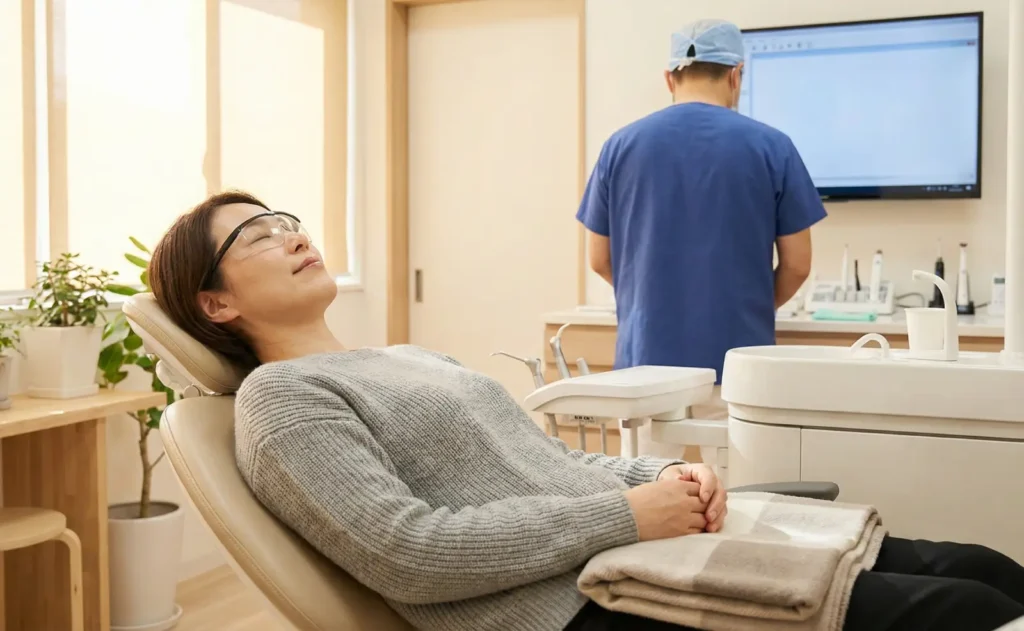
For some, the effects wear off within a few hours. Others may feel groggy for the remainder of the day, particularly after more complex procedures.
It is recommended to have a responsible adult accompany you and assist you after treatment, especially if general anaesthesia or IV sedation is used.
How Should I Prepare for Sleep Dentistry?
Your dentist will provide detailed pre-treatment instructions. In most cases, patients are required to fast for several hours before the procedure.
You should also:
• Arrange for someone to drive you home
• Wear comfortable clothing
• Avoid jewellery and heavy makeup
• Inform your dentist of all medications
• Get a good night’s sleep before your appointment
Following these guidelines helps ensure a smooth sedation experience and recovery.
Will I Feel Any Pain During or After Treatment?
Sedation dentistry is designed to keep you comfortable and pain-free. During treatment, you are unlikely to feel any discomfort.
After the procedure, there may be mild soreness depending on the type of treatment performed. This is typically temporary and manageable with post-operative care instructions.
What Precautions Should I Take After Sleep Dentistry?
After receiving sedation, it is important to allow your body time to recover.
For at least 24 hours, patients should avoid:
• Driving
• Operating machinery
• Strenuous physical activity
• Making important decisions
Resting at home and following your dentist’s post-treatment advice will support a safe recovery.
Does Private Health Insurance Cover Sleep Dentistry?
Coverage varies depending on your specific health fund and level of cover.
Some insurance plans include benefits for sedation dentistry, particularly when medically necessary. It is advisable to check with your provider before scheduling treatment.
Can Children Receive Sleep Dentistry?
Yes, children can benefit from sleep dentistry, especially if they experience dental anxiety or require extensive treatment.
Paediatric-focused dental clinics may offer sedation options to ensure children receive treatment in a calm and supportive environment.
Experience Comfortable Dentistry at Dental Nook
Are procedures like root canals, extractions, or surgical treatments causing you stress?
At Dental Nook, we believe every patient deserves a calm, comfortable, and pain-managed dental experience. Your oral health is important, and we are committed to delivering treatment in a way that feels safe and reassuring.
Whether you require nitrous oxide, IV sedation, or general anaesthesia, our experienced team prioritises your comfort at every stage.
There is no need to delay essential dental care due to fear or anxiety. Modern sleep dentistry allows you to receive the treatment you need in a relaxed and controlled setting.
Take the next step towards a healthier, brighter smile in complete comfort. Contact Dental Nook today to learn more about your sedation options and schedule your appointment.