First Aid Guidance for Parents from Dental Nook Brisbane
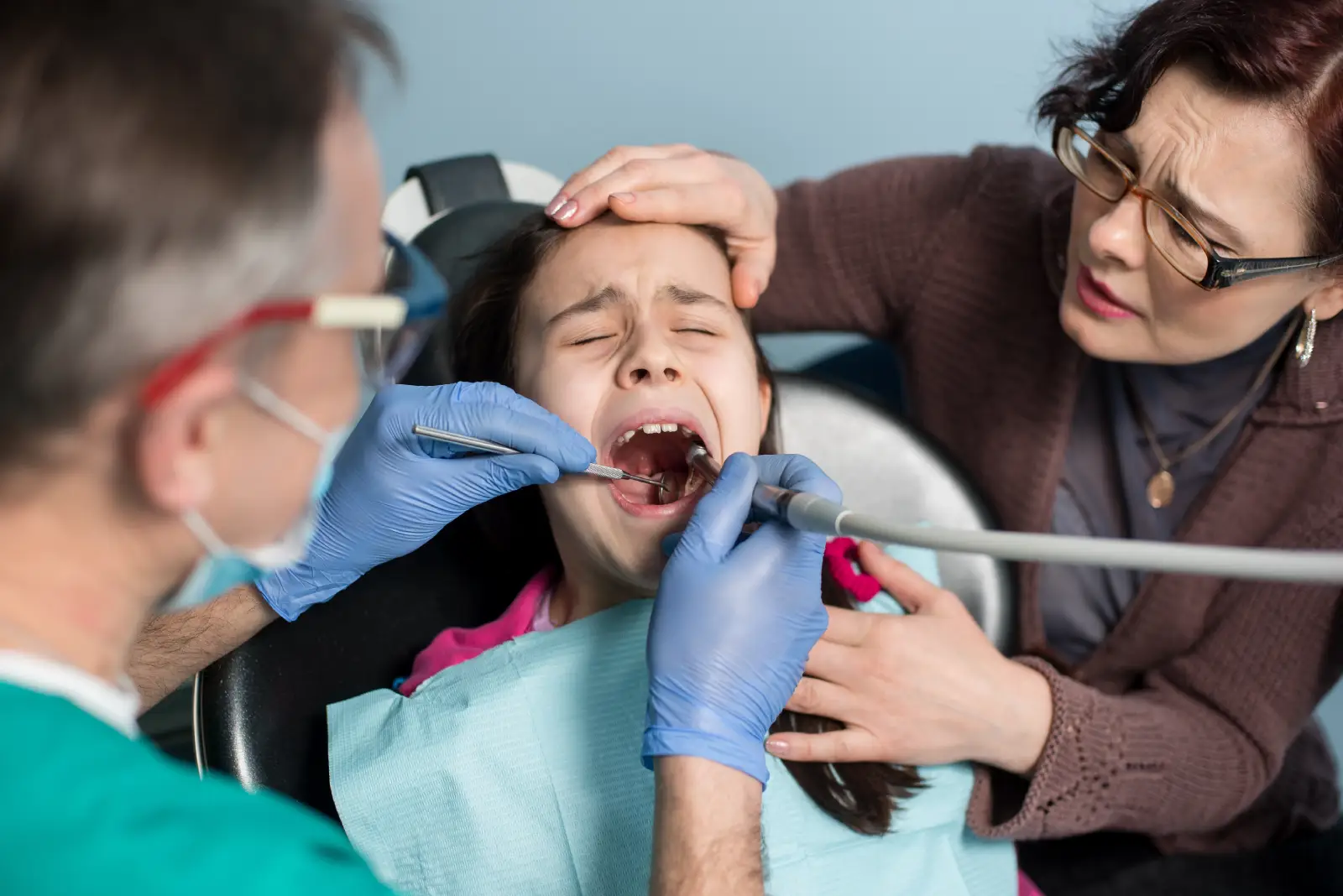
Children live in motion. They run, climb, fall, laugh, and explore without hesitation. With that energy comes the occasional accident. A bumped tooth during sport, a split lip after a fall, or sudden swelling during dinner can quickly turn an ordinary day into a stressful one.
Dental emergencies in children rarely happen at convenient times. They often occur during play, at school, or late in the evening when it is difficult to decide what to do next. As a parent, it can be hard to judge whether the situation requires immediate treatment or simple home care.
At Dental Nook Brisbane, our emergency dentist team regularly supports families through these moments. Below, we explain how to recognise a true dental emergency and outline practical steps you can take before arriving at the clinic.
Situations That Require Immediate Dental Emergency Care
Some conditions go beyond dental care and require urgent hospital attention.
Call 000 immediately if your child experiences:
- Heavy bleeding that does not slow or stop
- Difficulty breathing or swallowing
- A suspected fractured or broken jaw
- Ingestion of a button battery or a harmful chemical
These situations require emergency medical treatment without delay.
What Is Considered a Dental Emergency in Children?
Not every complaint of tooth discomfort signals a crisis. However, certain signs should never be ignored. If your child appears distressed, is in persistent pain, or something looks visibly abnormal, it is always appropriate to contact your Brisbane dentist for advice.
Your child may require urgent dental care if they have:
- A severe toothache that continues for hours or disrupts sleep
- Swelling around the jaw, cheek, or face
- Fever combined with dental pain
- A tooth that has been knocked out completely
- A tooth that has shifted, loosened, or been pushed out of position
- A cracked or fractured tooth exposing the inner yellow layer
- Bleeding inside the mouth that does not settle
- Jaw pain when opening or closing
- Orthodontic wires cutting into soft tissues
- A small pimple-like swelling on the gum indicating possible infection
When in doubt, seeking professional advice is always safer than waiting.
First Steps You Can Take at Home
When a dental injury occurs, the first few minutes can feel overwhelming. Children may cry, there may be visible blood, and you may feel uncertain about what to do first.
The most important step is to remain calm. Your child will take emotional cues from you. Speak gently, reassure them, and assess the situation methodically.
Here are safe and simple actions to take:
- Check that your child is breathing comfortably.
- Look for additional injuries beyond the mouth.
- Apply gentle pressure with clean gauze or cloth if there is bleeding.
- Use a wrapped ice pack on the outside of the face to reduce swelling.
- Rinse the mouth lightly with water only. Avoid alcohol-based mouthwash.
- Provide paracetamol or ibuprofen following the correct dosing guidelines.
- Do not give aspirin unless specifically advised by a doctor, as it may increase bleeding.
These measures are temporary support steps. They do not replace professional care, but they can reduce discomfort and prevent further complications before your appointment at Dental Nook Brisbane.
Tooth Knocked Out (Avulsion)
Understanding the Difference Between Baby and Adult Teeth
A knocked-out tooth can feel alarming. However, the correct response depends entirely on whether it is a baby tooth or a permanent adult tooth.
If you are unsure, contact Dental Nook Brisbane immediately for guidance. Acting quickly and correctly makes a significant difference.
Permanent (Adult) Tooth
When a permanent tooth is knocked out, timing is critical. The highest chance of successful reattachment occurs within the first 30 minutes.
Follow these steps carefully:
- Locate the tooth immediately.
- Hold it only by the crown, avoiding the root.
- If dirty, rinse gently using milk or saline solution. Do not scrub or wipe it dry.
- If possible, gently reinsert the tooth into the socket in its natural position.
- Ask your child to bite down softly on gauze to hold it steady.
- If reinsertion is not possible, place the tooth in milk or saliva. Never store it dry.
- Contact our dental emergency Brisbane team immediately so we can prepare for urgent care.
Avoid wrapping the tooth in tissue or leaving it exposed to air, as this damages the delicate cells needed for reattachment.
Baby (Primary) Tooth
If a baby tooth is completely knocked out, do not attempt to place it back into the gum. Reinserting a primary tooth can harm the developing permanent tooth beneath.
Instead:
- Rinse your child’s mouth gently with water.
- Apply light pressure with gauze to stop bleeding.
- Use a cold compress externally to minimise swelling.
- Offer soft foods and avoid chewing near the injured area.
- Arrange a dental visit to ensure no additional structures were affected.
Monitor your child for swelling, increased pain, or fever in the following days.
Tooth Pushed In, Twisted, or Partially Dislodged (Luxation)
Sometimes a tooth is not completely knocked out but appears crooked, shorter, or displaced. These injuries may look minor externally, but often involve movement within the bone.
What you should do:
- Do not attempt to reposition the tooth yourself.
- Keep your child comfortable and calm.
- Offer only soft foods such as yoghurt or soup.
- Contact Dental Nook Brisbane for same-day assessment.
Children may appear fine initially, but internal damage can develop if not treated promptly.
Broken, Chipped, or Cracked Tooth
A chipped or fractured tooth may seem minor, but deeper layers may be affected.
Immediate steps include:
- Rinse gently with water.
- Retrieve any broken fragments and place them in milk.
- Cover sharp edges with orthodontic wax if needed.
- Apply a cold compress externally.
- Avoid hot, crunchy, or sticky foods.
- Book a dental examination to assess internal damage.
Even small fractures can worsen if left untreated.
Sudden Toothache or Sensitivity
If your child suddenly complains of dental pain:
- Gently floss to remove possible trapped food.
- Rinse with warm salt water to soothe irritated gums.
- Provide appropriate pain relief if necessary.
- Avoid applying heat to the face, as this may worsen swelling if infection is present.
Persistent or worsening pain requires professional evaluation.
Managing Pediatric Dental Emergencies: A Guide by Dental Nook
A dental abscess is a bacterial infection and requires urgent attention. It may present as swelling, gum boil, fever, or throbbing pain.
While awaiting treatment:
- Administer suitable pain relief according to dosage instructions.
- Apply a cool compress externally.
- Keep your child upright to reduce pressure sensations.
- Provide soft, mild foods.
- Do not attempt to squeeze or burst any gum swelling.
If swelling spreads rapidly or your child struggles to breathe or swallow, attend the hospital immediately.
After assessment, your dentist will determine whether antibiotics, drainage, or further dental treatment is required.
Fractured or Broken Jaw
Jaw injuries typically occur after a significant impact.
Signs may include:
- Difficulty opening or closing the mouth
- Severe pain
- Teeth not aligning correctly
- Swelling or bruising
Actions to take:
- Encourage your child to keep the jaw still.
- Support gently with a soft cloth under the chin during transport.
- Apply a cold compress externally.
- Proceed directly to hospital emergency services.
Jaw fractures cannot be managed within a standard dental appointment and require medical imaging and hospital care.
Facial Swelling, Fever, or Gum Boil
Facial swelling combined with fever suggests infection that may spread quickly in children.
Contact Dental Nook Brisbane for a same-day evaluation.
If breathing or swallowing becomes difficult, seek hospital dental emergency care immediately.
Cuts to the Lip, Cheek, Tongue, or Mouth
Mouth tissues bleed easily but also heal quickly with proper care.
Steps to follow:
- Rinse gently with clean water.
- Apply firm pressure with gauze for approximately 10 minutes.
- Use a cold compress externally to reduce swelling.
- Seek dental or hospital care if bleeding does not stop or if teeth are involved.
Objects Stuck Between Teeth
If something becomes lodged:
- Attempt gentle flossing.
- Avoid sharp tools such as pins or tweezers.
- If unsuccessful, book a dental visit for safe removal.
Braces and Orthodontic Problems
Loose wires can be uncomfortable but are rarely urgent.
Management steps:
- Cover sharp edges with orthodontic wax.
- Leave loose brackets attached if still connected.
- Avoid sticky or hard foods.
- Contact your orthodontist for repair.
Urgent care is needed only if significant pain or tissue injury occurs.
When to Visit a Dentist and When to Go to the Hospital?
See Dental Nook Brisbane the same day for:
- Knocked-out teeth
- Displaced teeth
- Toothache with swelling
- Broken teeth
- Mouth cuts
Attend hospital or call 000 for:
- Heavy bleeding
- Breathing difficulty
- Broken jaw
- High fever with facial swelling
Simple Dental First-Aid Kit for Families
Keep these items accessible:
- Clean gauze or cloth
- Small sealed container
- Milk or saline
- Cold pack
- Age-appropriate pain relief
- Orthodontic wax
- Dental Nook Brisbane phone number: 07 3124 0248
These practical items can make the first moments after an injury far more manageable.
Dental Emergencies and Children with Special Needs
For children with sensory sensitivities or additional support needs, dental emergencies can feel particularly overwhelming.
At Dental Nook Brisbane, we prioritise calm communication, gentle pacing, and individualised care adjustments. Familiar routines, soft explanations, and steady reassurance are central to how we manage urgent situations for children who require extra understanding.
Please note that sleep dentistry appointments require advance scheduling and cannot be provided on the same day as emergency visits. Emergency bookings are subject to availability, and Sunday emergency appointments are not offered for special needs children.
Managing Pediatric Dental Emergencies: A Guide by Dental Nook
The information provided here is intended for general educational guidance only. It does not replace professional dental or medical advice. If your child experiences pain, trauma, or signs of infection, contact a qualified dental professional or seek dental emergency care immediately.
Brisbane Dental Clinic with Sedation Options
Dental Nook Brisbane provides safe sedation options, including nitrous oxide and general anaesthesia, to help children feel relaxed during necessary treatment.
General anaesthesia appointments are carefully organised in advance and are not performed on the same day as dental emergency visits. These treatments are arranged to ensure appropriate medical supervision and preparation.
For urgent advice or dental emergency bookings, contact 07 3124 0248.