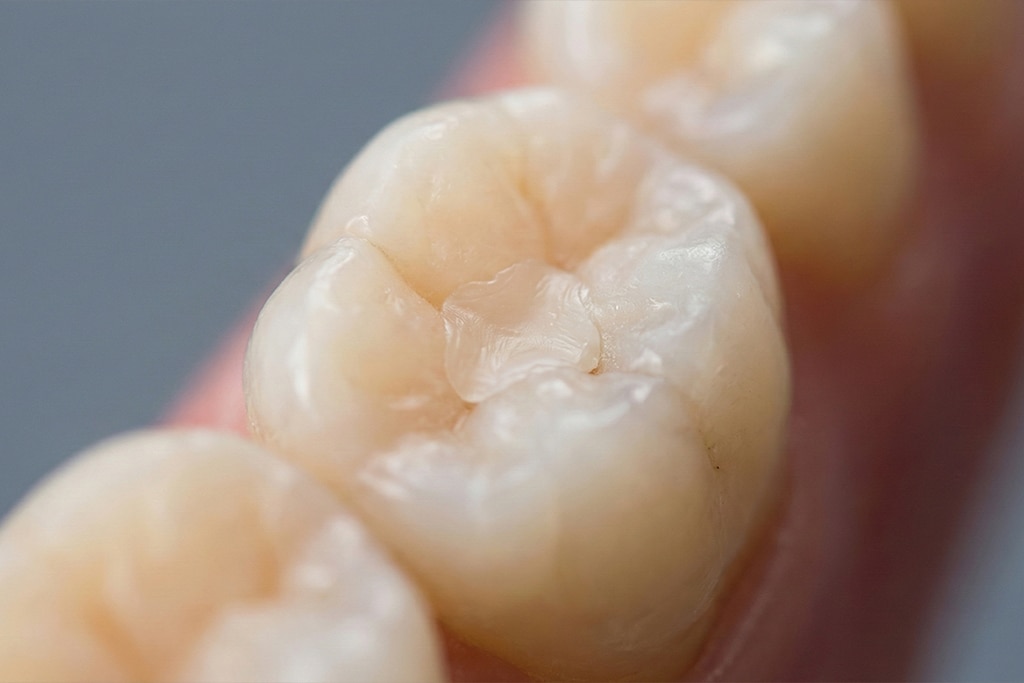
A root canal treatment is performed to save a damaged or infected tooth by removing bacteria and sealing it to prevent further problems. However, if the treatment is not fully completed, the tooth can remain vulnerable. An incomplete root canal may occur for several reasons, including complex root anatomy or a temporary restoration failing before the final stage is completed. When this happens, discomfort, reinfection, or even tooth fracture may follow.
At Dental Nook Brisbane, our experienced team helps patients understand what occurs when a root canal is left unfinished and what steps can be taken to restore the health of the tooth.
What Is Root Canal Treatment?
When the inner part of a tooth becomes infected due to deep decay, trauma, or cracks, root canal treatment is used to remove the infection and preserve the natural tooth.
Inside each tooth is soft tissue known as the pulp. This pulp contains nerves and blood vessels. When it becomes infected, bacteria multiply within the canals of the tooth, often causing pain, swelling, or sensitivity.
During a root canal procedure, the infected pulp is carefully removed. The canals are thoroughly cleaned, shaped, disinfected, and sealed to prevent bacteria from returning.
Root canal treatment is recommended because it allows you to keep your natural tooth, prevents the infection from spreading to the surrounding bone or gums, and restores normal function.
What Does an Incomplete Root Canal Mean?
Root canal treatment is completed in stages. Each stage is essential for long-term success. If any part of the process is left unfinished, the tooth may not be adequately protected.
Canals Not Fully Cleaned
Teeth contain narrow internal channels called canals. If even a small amount of infected tissue or bacteria remains inside these canals, infection can return over time, leading to renewed pain or swelling.
Missed Canals
Some teeth, particularly molars, have additional canals that may be narrow or hidden. If a canal is not identified and treated, bacteria can continue to survive inside that untreated space.
Temporary Filling Failure
After cleaning the canals, a temporary filling is often placed until the final restoration is completed. If this temporary material cracks or falls out, bacteria can re-enter the tooth and reverse the progress made during treatment.
Final Crown or Filling Not Placed
The final stage of root canal treatment involves placing a strong filling or crown. Without this step, the tooth remains weak and exposed. The restoration acts as a protective seal and strengthens the tooth for long-term use.
Why Completing Treatment Is So Important
Each stage of a root canal builds upon the previous one. Cleaning removes infection. Sealing prevents reinfection. Restoring the tooth protects it from fracture.
If one stage is skipped, the entire treatment can fail. Completing every step significantly improves the long-term success of the procedure.
Proper sealing prevents bacteria from re-entering the canals. A crown or strong filling reinforces the tooth structure, allowing it to withstand normal chewing forces.
What Can Happen If a Root Canal Is Left Incomplete?
When treatment is unfinished, several complications may arise.
Ongoing Infection
Bacteria that remain inside the canals continue to multiply. Infection can spread to surrounding bone or gum tissue.
Delayed or Poor Healing
For healing to occur, infection must be eliminated. If untreated areas remain, inflammation may persist at the root tip.
Leakage and Reinfection
Small gaps in a filling allow bacteria to seep back into the tooth, restarting the infection process.
Tooth Fracture
A root canal-treated tooth is naturally more brittle. Without proper restoration, it can crack, chip, or break under normal chewing pressure.
Persistent Symptoms
Ongoing tenderness, swelling, or recurring discomfort may indicate that the treatment was not fully completed.
If you are experiencing sudden dental pain or swelling, our Emergency Dentist Brisbane team at Dental Nook is available to provide urgent care.
Why Might a Root Canal Be Left Unfinished?
There are situations where treatment cannot be completed in one visit or complications arise.
Complex Root Anatomy
Some teeth have curved, narrow, or unusually shaped canals that make cleaning and sealing more challenging.
Difficulty Measuring Canal Length
Accurate measurement of canal length is essential. If measurements are inaccurate, parts of the canal may remain untreated.
Canal Blockages
Calcification or internal debris may block access to the full canal length, preventing complete cleaning.
Temporary Restoration Issues
If a temporary filling fails between appointments, bacteria may contaminate the canals again.
Missed Follow-Up Appointments
Sometimes treatment progresses well, but the final crown or filling is delayed. Without the final restoration, the tooth remains vulnerable.
Signs Your Root Canal May Need Attention
Certain symptoms may indicate incomplete treatment or reinfection.
Persistent Pain or Pressure
Mild discomfort is common after treatment. However, ongoing pain lasting several weeks should be evaluated.
Gum Swelling or Pimple Formation
Swelling or a small gum abscess near the treated tooth can signal lingering infection.
Unpleasant Taste or Bad Breath
Persistent bad taste or odour may indicate bacterial activity inside the tooth.
Missing Temporary Filling
If a temporary filling becomes loose or falls out, the tooth should be reviewed promptly.
Treatment Options If Your Root Canal Was Not Completed
An incomplete root canal does not always mean the tooth must be removed. Several options are available.
Completing the Original Treatment
If the canals remain clean, your dentist may continue from where treatment stopped, finalise cleaning, seal the canals, and place a permanent restoration.
Root Canal Retreatment
If reinfection has occurred, the tooth can be reopened, cleaned again, disinfected, and resealed.
Root-End Surgery (Apicoectomy)
In cases where infection persists at the root tip, a minor surgical procedure can remove the infected tissue and seal the root end directly.
Tooth Extraction
If the tooth cannot be restored, removal may be necessary. Replacement options such as dental implants or bridges can then be discussed.
Do You Always Need a Crown After a Root Canal?
The need for a crown depends on the location of the tooth and how much structure remains.
Back teeth often require crowns because they withstand heavy chewing forces.
Front teeth may sometimes be restored with strong fillings if sufficient structure remains intact.
Your dentist will assess the tooth’s strength, position, and function before recommending the most appropriate option.
How to Protect Your Tooth After Treatment?
Following proper aftercare improves the long-term success of root canal treatment.
- Attend all follow-up appointments so healing can be monitored.
- Ensure the final filling or crown is placed without delay.
- Avoid chewing hard foods on temporary restorations.
- Maintain excellent oral hygiene to prevent further decay.
Sedation Dentistry Options at Dental Nook
We understand that dental procedures can cause anxiety for some patients. Dental Nook offers sedation options to help make your experience more comfortable.
Laughing Gas
Nitrous oxide helps you feel calm and relaxed while remaining awake during treatment.
IV Sedation
IV sedation places you in a deeply relaxed state. You remain conscious but may remember very little of the procedure afterwards.
Sleep Dentistry
For patients with severe anxiety or complex treatment needs, we provide Sleep Dentistry under general anaesthesia in Brisbane. You will be fully asleep during the procedure and gently awakened afterwards. A support person will be required to accompany you home.
Frequently Asked Questions
1. How long does a root canal treatment usually take?
The time required for a root canal depends on which tooth is being treated and how complex the infection is. A front tooth with a single canal may take approximately 45 to 60 minutes. Back teeth, such as molars, often contain multiple canals and may require 90 minutes or longer.
In some cases, treatment is completed over two or more visits, particularly if there is significant infection that requires additional cleaning or time for healing before the final seal is placed.
2. Is a root canal painful during or after the procedure?
Root canal treatment has a reputation for being painful, but with modern techniques and anaesthesia, the procedure itself is typically no more uncomfortable than having a filling placed. Your dentist will use local anaesthetic to ensure the tooth is fully numb throughout treatment.
After the procedure, it is normal to experience mild tenderness or sensitivity for a few days while the surrounding tissues heal. This discomfort is usually manageable with over-the-counter pain relief. If pain is severe or continues beyond a week, it is important to contact your dentist for assessment.
3. How do I know if I need a root canal instead of a filling?
A filling is appropriate when decay affects only the outer layers of the tooth. A root canal becomes necessary when the infection reaches the inner pulp tissue.
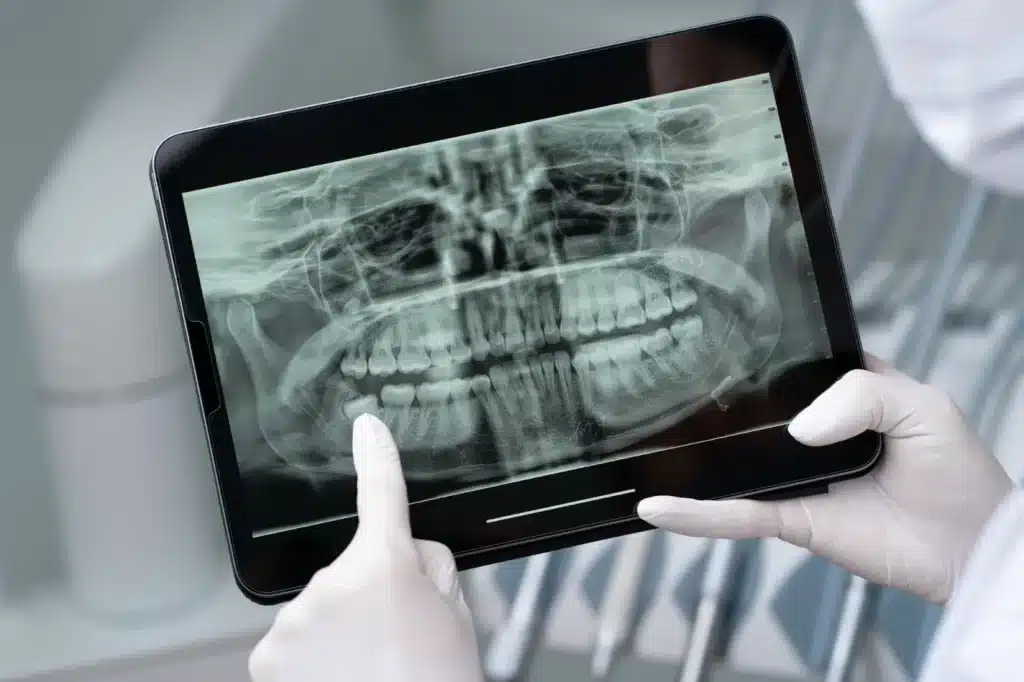
Common signs that you may require a root canal include prolonged sensitivity to hot or cold, pain when chewing, swelling in the gums, or spontaneous toothache. Your dentist will take X-rays and carefully examine the tooth to determine whether the infection has reached the pulp. If it has, root canal treatment is the most effective way to preserve the natural tooth.
4. Can a tooth that has had a root canal still get cavities?
Yes, it can. While root canal treatment removes the nerve and infected pulp inside the tooth, the outer enamel and dentine remain. These outer layers can still develop decay if plaque and bacteria are not removed effectively.
Maintaining good oral hygiene and attending regular dental check-ups remains just as important after a root canal as it is for untreated teeth.
5. How long can a tooth last after a root canal?
A tooth that has undergone root canal treatment can last many years and, in some cases, a lifetime. The longevity depends on how well the treatment was completed, whether a crown or strong restoration was placed, and how well the tooth is maintained.
With proper care and routine dental visits, root canal-treated teeth often function just like natural teeth.
6. What are the signs that a root canal has failed?
Root canal failure may occur if bacteria remain inside the canals or re-enter the tooth later. Signs to look for include returning pain after initial healing, swelling of the gums, a small pimple-like bump near the treated tooth, or discharge.
You may also notice persistent sensitivity or an unpleasant taste in your mouth. If these symptoms appear, prompt dental evaluation is recommended, as retreatment may be required.
7. Can antibiotics replace the need for a root canal?
Antibiotics cannot replace root canal treatment. While they may temporarily reduce swelling or discomfort, they do not eliminate the infection inside the tooth. A root canal is necessary to physically remove bacteria from the canals and seal the tooth.
Without proper treatment, the infection typically returns once antibiotics are stopped.
8. Why do some root canals take more than one appointment?
Some teeth are more complex than others. Teeth with multiple canals, curved roots, or severe infections may require additional time to ensure thorough cleaning and disinfection.
In these cases, treatment may be scheduled over two or more visits to allow for careful management of infection and proper healing before final sealing.
9. Is it safe to leave a temporary filling in for a long time?
Temporary fillings are designed to protect the tooth only for a short period, usually a few weeks. If left in place for too long, they can crack, wear down, or fall out, allowing bacteria to re-enter the tooth.
It is important to return for your permanent filling or crown as recommended to ensure long-term protection.
10. Can a tooth with a crown still need a root canal in the future?
Yes. A crown protects the external structure of the tooth but does not prevent decay or infection from reaching the pulp through cracks, gaps, or untreated areas.
In some situations, root canal treatment can be performed through an existing crown if the pulp becomes infected at a later stage.
11. What happens if you delay getting a root canal?
Delaying root canal treatment allows infection to progress. Pain may initially come and go, but over time it often worsens. The infection can spread to surrounding bone or soft tissues and may cause facial swelling.
If left untreated for too long, the tooth may no longer be salvageable and could require extraction.
12. Are there alternatives to root canal treatment?
The only true alternative to a root canal is removing the tooth. While extraction eliminates the infection, it leaves a gap that may require replacement with a dental implant, bridge, or denture.
Preserving your natural tooth with root canal treatment is generally the preferred option for maintaining chewing function, speech, and jaw stability.
13. Can a root canal be redone if it doesn’t work the first time?
Yes. A procedure known as retreatment can often address a failed root canal. This involves reopening the tooth, cleaning the canals again, and resealing them.
If retreatment is not sufficient, other options such as root-end surgery (apicoectomy) or extraction may be considered.
A Calmer Dental Experience for Children with Special Needs
If your child experiences anxiety, sensory sensitivities, or developmental challenges, our team provides gentle and supportive care tailored to their needs. Our Brisbane Special Needs Dentist works at your child’s pace to ensure a comfortable experience.
We also offer specialised paediatric dental care for children who may require root canal treatment or other restorative procedures.
What to Do Next?
If you believe your root canal treatment may not have been completed or you are experiencing ongoing symptoms, early assessment is important.
Our Brisbane dentists at Dental Nook will carefully evaluate your tooth, explain the findings clearly, and provide treatment options designed to protect your smile.
For patients concerned about affordability, we offer flexible payment options, including Humm and support for eligible SuperCare applications.
Call Dental Nook today on 1800 930 336 to schedule your appointment.