At Dental Nook, we understand that caring for a child with additional needs often means managing many aspects of their health and daily routine. Oral health is part of that picture, but dental problems do not always present clearly.
Some children are unable to describe pain. Others may respond differently to discomfort. Many find brushing or dental visits overwhelming. As a Brisbane dental clinic experienced in treating children with additional needs, we recognise these challenges and tailor care accordingly.
Below, we explain the most common oral health concerns we see in children with special needs, along with the treatment options we may recommend.
Common Oral Health Issues in Children With Additional Needs
Dental Caries (Tooth Decay)
Children with additional needs may face a higher risk of tooth decay for several reasons. Daily brushing can be difficult due to limited hand control, strong sensory reactions, or difficulty understanding instructions. When plaque remains on teeth longer than it should, decay can develop quietly.
Some children also rely on medications that reduce saliva or are supplied in sweet liquid form. Saliva plays a protective role in washing acids away. When saliva is reduced, tooth decay can progress more quickly.
How We Assess Decay at Dental Nook
Our dentists begin by identifying the cause and pace of the decay. We assess:
- Diet and snacking habits
- Brushing routines and support
- Saliva flow
- Mouth breathing or reflux
- Medications
- Your child’s ability to tolerate treatment
We then choose the least stressful option that effectively manages the condition.
Treatment Options
Early Stage Management
If decay is still small, we may recommend:
- Fluoride varnish to strengthen enamel
- Sealants on deep grooves, often on molars
- A simple home care plan with correct toothpaste use and reduced sugary drinks between meals
Arresting Decay Without Drilling
In some cases, silver diamine fluoride (SDF) may be used to stop cavities from progressing. This can be helpful when a child is not ready for fillings. It may darken the decayed area, which we discuss with parents beforehand.
Restorative Treatment
If a cavity has formed:
- Fillings using glass ionomer or composite materials
- Stainless steel crowns for baby teeth with extensive decay
- Pulp treatment if the nerve is affected
- Extraction when restoration is not predictable or safe
When a baby tooth is lost early, we may discuss space maintenance depending on age and tooth position.
Gum Disease (Gingivitis)
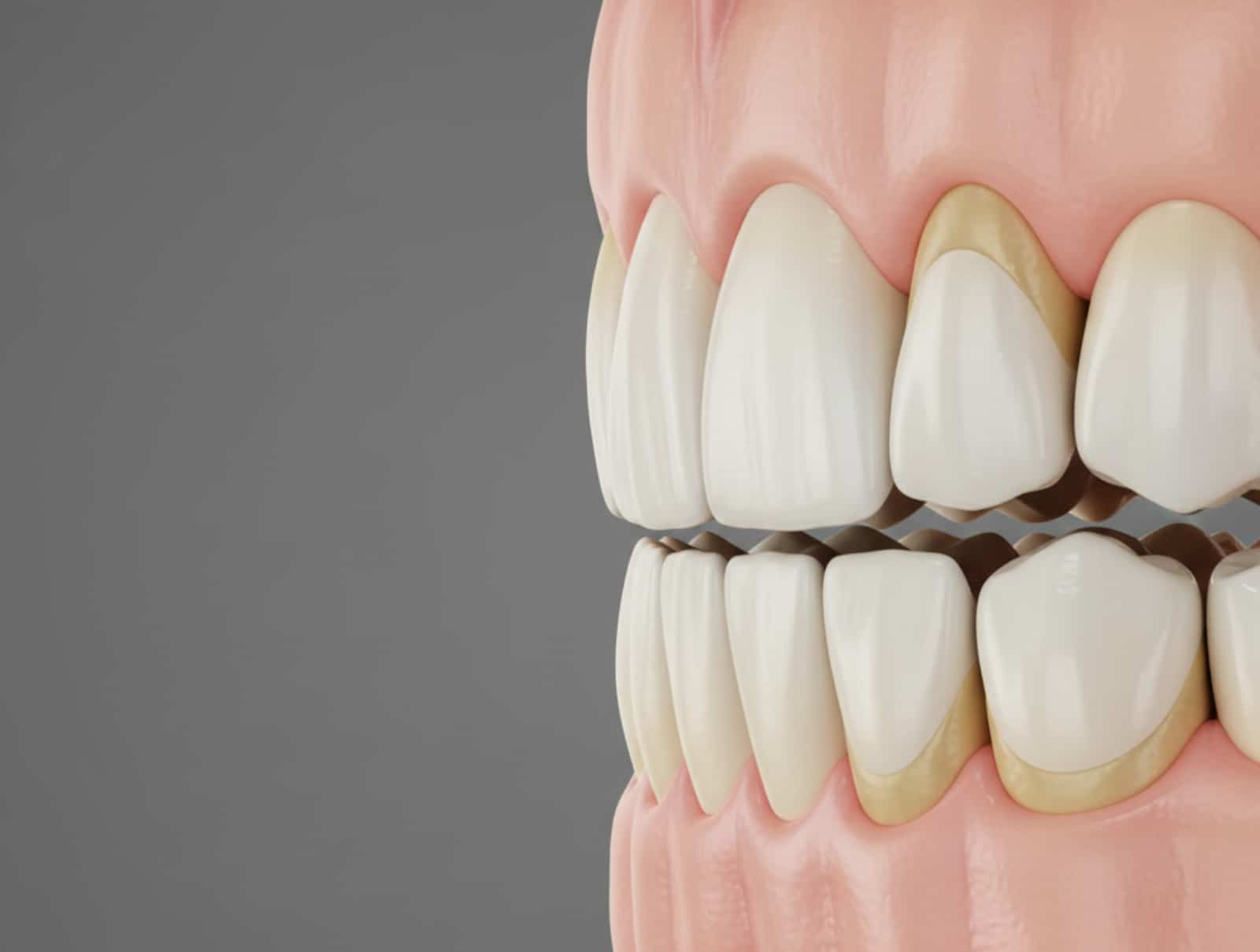
Healthy gums rely on consistent cleaning along the gumline. For many children with additional needs, this is the most difficult area to clean. Sensory discomfort, jaw control challenges, or a strong gag reflex may prevent thorough brushing.
Mouth breathing, drooling, and medications that reduce saliva also increase risk. Gums may appear red, swollen, or bleed easily, often without obvious pain.
What We Do?
We examine plaque and calculus along the gumline, review brushing support, diet, and medical factors, and provide professional cleaning suited to your child’s tolerance level.
Treatment May Include
- Gentle scaling
- Shorter visits or staged appointments
- Desensitising gels
- Age-appropriate fluoride use
- Parent-assisted brushing guidance
- Chlorhexidine gel for short-term support
- Collaboration with your child’s GP if medications affect gum health
Delayed Tooth Eruption
Teeth typically erupt in a predictable sequence. However, in children with additional needs, eruption may occur later due to growth differences, genetics, hormonal factors, or certain medical conditions.
Low muscle tone, medication use, and chronic health issues may also influence timing.
Our Approach
We compare dental development with overall growth and medical history. X-rays are taken only when necessary to confirm tooth presence and positioning.
Treatment Options
- Monitoring over time
- Removal of baby teeth blocking eruption
- Minor gum procedures if needed
- Space maintainers
- Referral to orthodontists when appropriate
- Coordination with medical professionals if systemic causes are involved
Tooth Wear (Attrition and Erosion)
Tooth wear can occur gradually due to grinding, reflux, or acidic medications. Grinding may happen during sleep or periods of stress. Acid exposure softens enamel, making it more vulnerable.
Reduced saliva further limits natural protection.
Management May Include
- Fluoride applications
- Protective coatings
- Night guards, if tolerated
- Dietary adjustments
- Medical referrals for reflux management
- Conservative restorative treatment only when necessary
Enamel Defects
In some children, enamel does not fully develop during early childhood. This may be linked to genetic conditions, premature birth, or early medical complications.
Affected teeth may chip more easily and decay faster.
Treatment Focus
- High-strength fluoride varnish
- Remineralising creams
- Protective sealants
- Fillings or crowns when breakdown is severe
- Regular reviews to monitor progression
Cosmetic treatment is considered only if it improves comfort or function.
Malocclusion (Crowded or Misaligned Teeth)
Jaw development may differ in some children with additional needs. Muscle tone differences, prolonged habits, or developmental timing changes can affect alignment.
Our Approach
We evaluate bite function, cleaning ability, comfort, and speech impact.
Treatment Options
- Monitoring growth
- Space maintainers
- Early interceptive orthodontics
- Referral to orthodontists when suitable
- Adjustments to prevent trauma
Bruxism (Teeth Grinding)
Grinding often occurs during sleep or stress. It may serve as a self-regulation behaviour. Over time, it can flatten or fracture teeth.
Management Includes
- Monitoring wear
- Fluoride for strengthening enamel
- Protective restorations
- Night guards, if tolerated
- Addressing reflux or airway factors
- Collaboration with medical professionals
Aggressive intervention is avoided unless there is pain or damage.
Oral Trauma and Tooth Injury
Children with balance or coordination challenges may be more prone to dental injuries.
Immediate Care May Involve
- Pain and bleeding control
- Examination for head injury
- Smoothing chipped edges
- Bonding or splinting adult teeth
- Pulp treatment if needed
- Extraction when required
Future replacement planning is discussed for adult teeth.
Oral Sensory Sensitivities
The mouth can be an intensely sensitive space. Toothbrush texture, toothpaste taste, or water sensation may feel overwhelming.
We provide practical guidance to make hygiene more manageable at home.
Medication-Related Oral Concerns
Long-term medications may reduce saliva or contain sugar. This increases the risk of decay and gum irritation. We tailor preventive strategies accordingly.
Why Oral Health May Be More Challenging?
Challenges may include:
- Daily care difficulties
- Sensory sensitivities
- Medical conditions
- Communication barriers
- Fatigue and routine disruption
These challenges are common and do not reflect poor parenting or lack of care.
Practical Daily Oral Care Tips
Brushing
Find a position where your child feels secure. Parent-assisted brushing is encouraged. Even short brushing sessions help.
Toothpaste
Choose mild or unflavoured fluoride toothpaste if taste is an issue. Use only the recommended amount.
Flossing
Floss holders, interdental brushes, or water flossers may be easier than traditional floss.
Routine
Keep brushing time consistent and calm. Stop before overwhelm.

How Often Should Children With Additional Needs Visit the Dentist?
While many children attend twice yearly, we may recommend visits every three to four months. Frequent monitoring allows us to manage small concerns before they escalate.
What to Expect at Dental Nook
Longer Appointments
We allow extra time for settling in.
Clear Explanations
We use simple language and show tools before use.
Gentle Pace
Care may be spread across multiple visits.
Parent Involvement
Parents remain involved throughout.
Comfort Adjustments
We adapt lighting, sound, and positioning where possible.
Sedation Options
Laughing Gas (Nitrous Oxide)
A mild sedative delivered through a small mask. It promotes relaxation while your child remains awake. The effects wear off quickly.
Sleep Dentistry Brisbane
For children unable to tolerate treatment awake, we offer Sleep Dentistry in Brisbane under general anaesthesia, managed by a qualified anaesthetist. This allows all required treatment to be completed in one visit.
When to Seek Urgent Dental Care
Contact us promptly if you notice:
- Gum swelling or pimple-like bumps
- Persistent bad taste
- Fever or unusual tiredness
- Facial swelling
- Knocked-out or loose teeth
- Refusal to eat
- Sudden behavioural changes
Medical Disclaimer
This information is general and does not replace personalised professional advice. Every child’s needs are unique. A clinical assessment is essential to determine appropriate care.
Supporting Children Who Need Extra Care
If previous dental experiences have been difficult or if you are unsure how your child will manage a visit, we invite you to contact us first.
Dental Nook
Address: Westfield Carindale Shopping Centre Level 1, Shop 2068 Opp Woolworths, 1151 Creek Rd, Carindale QLD 4152, Australia
Phone: 1800 930 336
If you are experiencing a dental emergency, our Emergency Dentist Brisbane is available by appointment, subject to availability.