Implant Consultation and Diagnostic Tests
Your implant journey starts with a comprehensive consultation with our implant dentist at Dental Nook.
During this visit, we assess your oral health, discuss your goals and check whether implants are suitable for you. Diagnostic imaging, such as 3D scans or X-rays, is often required to plan treatment safely and accurately.
An initial implant consultation generally falls in the $90 to $490 range, depending on the type and number of scans required.
Implant Fixture and Abutment
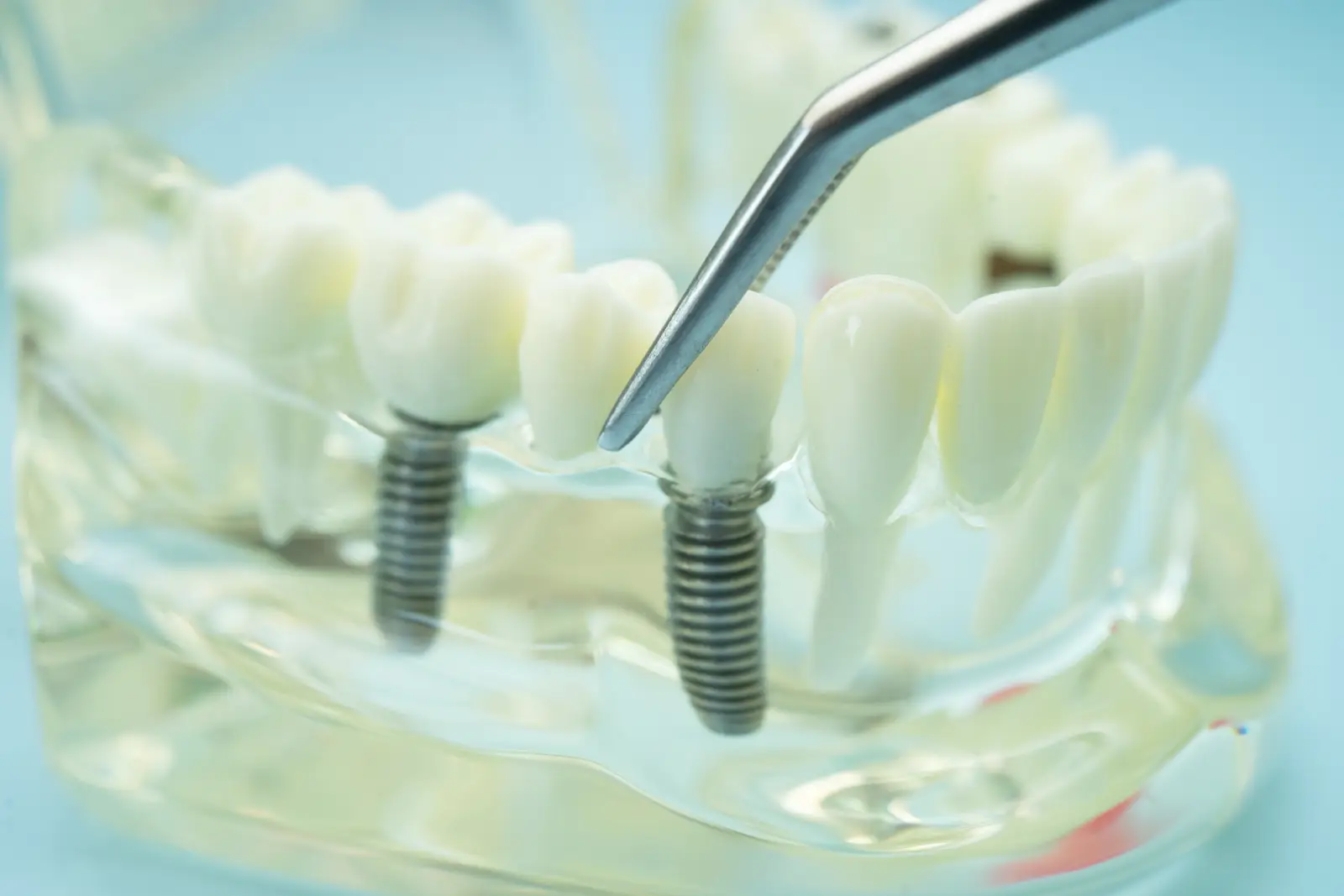
The titanium post that replaces the tooth root is called the implant fixture. It is placed into the jawbone during surgery.
An abutment is then attached to join the implant to the future crown.
The cost of the fixture and abutment depends on the brand of implant and the materials used. As a guide, this part of the treatment can range from about $1,400 to $2,900 for each implant.
Implant Crown
The visible part of your new tooth is the implant crown. It is carefully designed to blend with your natural teeth in shape and colour.
Porcelain, zirconia or a combination of ceramics may be used. On average, an implant crown at Dental Nook is usually between $900 and $1,900.
Extra Procedures Sometimes Needed With Implants
Some patients require additional procedures before or during implant placement. These may include sinus lifts or bone grafting to increase bone volume and support the implant.
- A sinus lift usually falls in the $1,200 to $4,900 range.
- A bone graft can range from about $500 to $2,900, depending on the amount and type of graft material required.
These procedures create a stronger foundation for long-term implant success.
Costs Related to Anaesthesia and Sedation
Depending on the complexity of your surgery and your comfort needs, your treatment may be carried out with local anaesthetic only or with additional sedation. Options can include oral sedation, intravenous sedation or treatment in hospital under general anaesthesia.
Fees for anaesthesia or sedation vary from about $100 up to $3,000, depending on the type of sedation used, the duration of the procedure and whether a hospital stay is required.
When general anaesthesia or sleep dentistry is involved, the total will usually include:
- the hospital or facility fee
- the anaesthetist’s fee
- The dental surgeon’s fee for placing the implants.
Follow-Up Care and Review Appointments
After implant placement, you will need review visits so that our team can monitor healing and check that the implants are integrating as expected. These post-operative appointments may be billed separately or included in your overall treatment plan, depending on the package arranged.
Because every smile and mouth is different, the total cost per implant, including surgery and restorative work, commonly ranges from $3,000 to $6,500 or more, once all associated items are taken into account. Factors such as the number of implants, the type of final restoration, your general health and the location of the clinic all influence the final figure.
For a more accurate estimate tailored to your specific situation, we recommend consulting with Dental Nook Brisbane, where we can design a personalised treatment and fee plan.
Using Superannuation to Help With Dental Implant Costs
In Australia, some patients use their superannuation to help pay for necessary dental implant treatment. Through the ATO Early Release of Superannuation program, eligible individuals may be able to access part of their super to fund essential dental care that might otherwise be difficult to afford.
Dental implants can significantly improve function, appearance and quality of life, but they are a major investment. Anyone considering using superannuation should:
- carefully review their financial position
- understand all available options and alternatives
- Consider the long-term impact of accessing super early
- Speak with their super fund and an independent financial adviser before making a decision.
What Influences the Cost of Dental Implants in Brisbane?
Several key factors affect how much you will pay for dental implants at a Brisbane clinic such as Dental Nook:
- Number of implants
The more implants required, the higher the overall fee. However, when several implants are placed in the same appointment, the cost per implant can sometimes be lower.
- Type of implant system
Different implant designs and systems can vary in price. Endosteal, zygomatic, or other specialised implants use different materials and components, which can change the total cost.
- Additional preparatory procedures
Some people need extra treatment before their implants can be placed, such as tooth extractions, bone grafts, or sinus lifts. These steps add to the overall investment.
- Materials used
Implants and their components can be made from different materials, such as various grades of titanium or zirconia. Higher-end materials or premium brands often come with higher fees.
- Experience of the implant dentist
A dentist with advanced training and many years of implant experience may charge more, but their skills can contribute to more predictable results and better long-term success.
- Location and style of the clinic
Clinics in busy or more affluent suburbs may have higher overheads, which can be reflected in their fees. A modern practice with extended services and more support staff may cost slightly more.
- Dental insurance
Some private health insurance policies cover part of the implant-related costs. How much you pay out of pocket will depend on your level of cover and your fund’s limits.
When comparing implant quotes, it is important to look beyond price alone and consider the dentist’s expertise, the quality of materials, and the standard of care you will receive.
How Gum Disease Treatment Affects Implant Costs
Treating gum disease before implant placement can influence the overall cost of your dental care.
- Severity of the condition
Mild gum irritation may only need a professional clean, while more advanced gum disease can require deeper cleaning, root planing or periodontal surgery, which are more costly.
- Type of treatment required
Gingivitis is often managed with thorough cleaning and improved home care. Periodontitis, a more serious condition, may need several specialised appointments and possibly surgery, which increases costs.
- Experience of your clinician
Specialists and dentists with additional periodontal training may charge more than a general dentist, reflecting their expertise.
- Number of visits
Complex gum problems usually require more appointments to stabilise the condition. More visits generally mean higher total fees.
- Practice location and overheads
Practices in premium locations or larger clinics with higher running costs may have slightly higher treatment fees.
- Insurance contribution
Some health insurance policies pay part of the cost of gum disease treatment. This can significantly reduce your out-of-pocket expense.
Managing gum health properly before implants are placed can improve the chances of long-term implant success, but it does form part of the overall treatment investment.