If you’ve recently been told you need a root canal, you may also hear your dentist recommend a dental crown afterwards. This often raises an important question:
If the infection has been treated, why is a crown still necessary?
At Dental Nook, we believe patients deserve clear explanations. Dr. Nikita takes the time to help you understand not only the treatment itself, but also how to protect your tooth long-term.
Let’s walk through why crowns are commonly recommended after root canal treatment and what it means for your oral health.
What Happens to Your Tooth During a Root Canal?
A root canal is performed when the inner pulp of your tooth becomes infected or severely inflamed. During treatment:
- The infected pulp is carefully removed
- The inside of the tooth is cleaned and disinfected
- The root canals are sealed to prevent reinfection
While this procedure saves the tooth, it also changes its structure.
Once the pulp is removed, the tooth no longer has its internal blood supply. Over time, this can make it more brittle and prone to fracture.
That’s where a crown becomes important.
Why the Tooth Becomes Weaker After a Root Canal
After root canal treatment, a tooth may become:
More Brittle
Without living tissue inside, the tooth loses some of its natural strength.
Structurally Compromised
Decay, infection, and the access opening made during treatment can remove a significant portion of the tooth’s structure.
More Vulnerable to Cracks
Back teeth, especially molars, handle heavy chewing forces. Without reinforcement, they are at higher risk of breaking.
A crown acts as protective reinforcement — restoring strength and function.
What Does a Dental Crown Do?
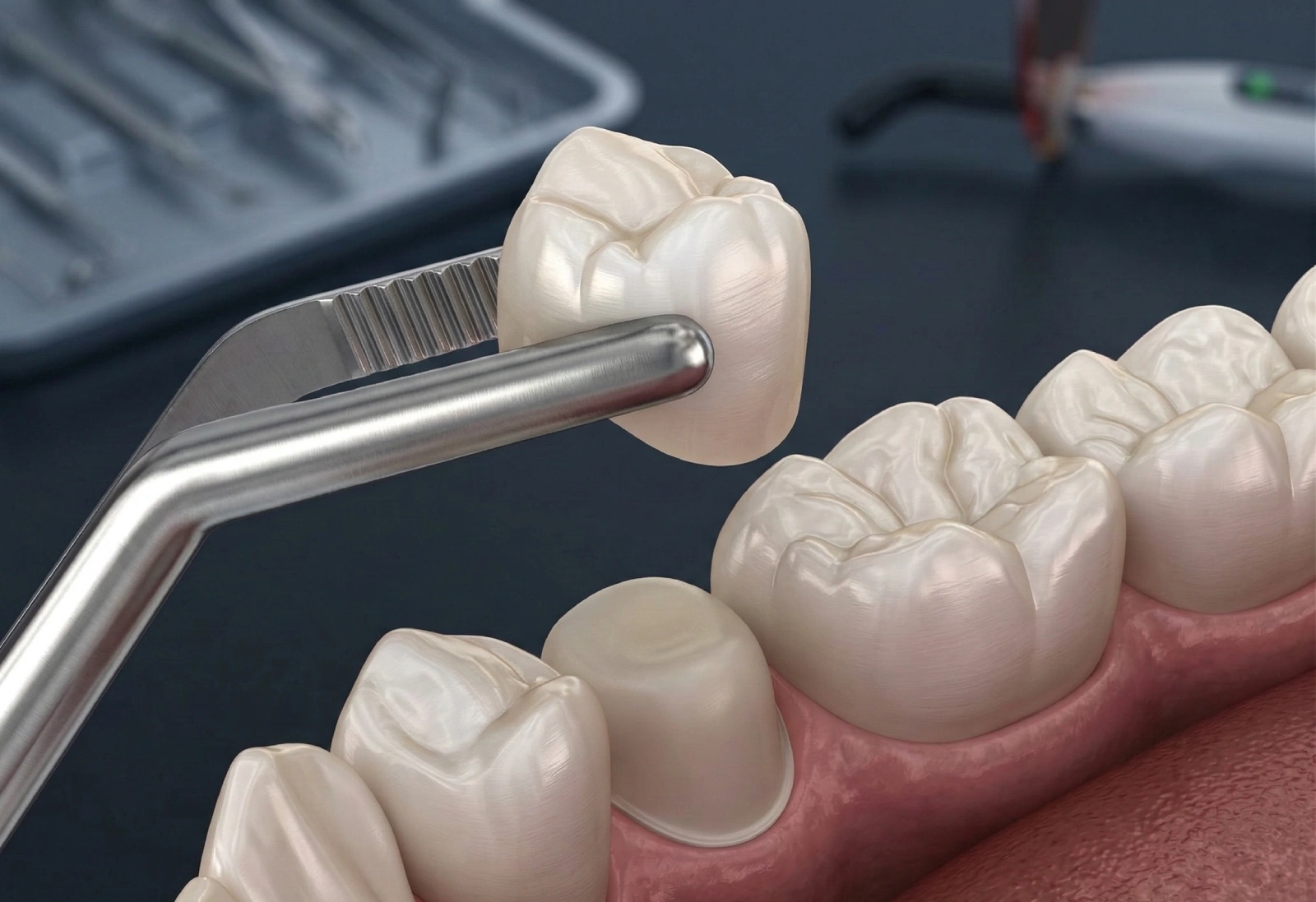
A dental crown is a custom-made cap that covers the entire visible portion of the tooth. It is designed to:
- Restore shape and appearance
- Protect against fracture
- Reinforce weakened tooth structure
- Allow comfortable chewing
At Dental Nook, crowns are carefully crafted to blend naturally with your surrounding teeth, so your smile remains both functional and aesthetic.
What Can Happen If You Skip the Crown?
Some patients consider delaying or skipping a crown, especially if the tooth feels fine after the root canal. However, doing so can increase the risk of:
- Cracking the tooth under normal chewing pressure
- Fracturing beyond repair
- Needing extraction if the tooth splits
In many cases, a fractured tooth cannot be saved. Placing a crown at the right time helps avoid more complex treatment later.
When Is the Right Time to Get a Crown?
For most back teeth (molars and premolars), a crown is strongly recommended shortly after root canal treatment.
Front teeth may not always require crowns, depending on:
- How much natural tooth structure remains
- Bite pressure
- Aesthetic considerations
Dr. Nikita assesses each case individually and explains whether a crown is necessary for your specific tooth.
What Types of Crowns Are Available?
At Dental Nook, we offer modern crown materials tailored to your needs.
Porcelain Crowns
Highly aesthetic and ideal for visible teeth.
Ceramic Crowns
Strong and natural-looking, suitable for many areas of the mouth.
Zirconia Crowns
Durable and long-lasting, especially effective for back teeth.
The right material depends on the tooth’s location, bite forces, and your preferences.
The Crown Process Step by Step
- The tooth is reshaped to allow room for the crown.
- Digital impressions are taken for precise fit.
- A temporary crown may be placed.
- Your custom crown is fitted and securely bonded.
We prioritise comfort throughout the process and use modern techniques to ensure accuracy and durability.
How Long Does a Crown Last?
With proper care, dental crowns can last many years — often 10 to 15 years or more.
Longevity depends on:
- Oral hygiene habits
- Bite pressure and grinding
- Regular dental check-ups
- Overall oral health
Routine care plays a significant role in protecting your investment.
How to Care for a Tooth with a Crown
Caring for a crowned tooth is similar to caring for natural teeth:
- Brush twice daily
- Floss carefully around the crown
- Attend regular dental check-ups
- Address grinding if present
If you grind your teeth, Dr. Nikita may recommend a night guard to protect both natural teeth and crowns.
Sedation Options for a More Comfortable Experience
If dental treatment makes you anxious, Dental Nook offers sedation options to help you feel relaxed and comfortable.
Happy Gas
Mild relaxation while remaining awake.
Oral Sedation
Medication taken before your appointment to reduce anxiety.
IV Sedation
A deeper level of relaxation for patients with significant dental fear.
Your comfort matters. Dr. Nikita discusses sedation options carefully and ensures your safety at every stage.
Book a Crown Consultation Before Your Tooth Weakens
If you’ve had a root canal or have been advised to get a crown, it’s important not to delay protection.
At Dental Nook in Brisbane, we focus on preserving your natural teeth whenever possible. Reinforcing a root-treated tooth with a crown is often the final step in restoring both strength and confidence.
If you’re unsure whether you need a crown after a root canal, schedule a consultation with Dr. Nikita. We’ll assess your tooth and guide you through your options clearly and calmly.