Tooth Extraction in Brisbane

tooth extraction

Gentle tooth extraction at Dental Nook is always a last resort. Our first goal is to protect and preserve your natural teeth with fillings, crowns, root canal treatment and periodontal care. Extraction is only recommended when keeping the tooth would harm your overall oral health or cause ongoing pain and infection.

From our Carindale clinic, we care for patients across the Brisbane south side with safe, carefully planned tooth extractions, sedation options and long-term solutions to replace missing teeth.

When is tooth extraction needed?

Your dentist may suggest removing a tooth when one or more of the following apply

Severely decayed or broken teeth

A tooth that cannot be restored with a filling, crown or root canal, for example, a tooth that has fractured below the gum line or after a crown was delayed.

Baby teeth that have not fallen out on their own

Retained primary teeth can block or delay the eruption of permanent teeth. Removing them can help create a healthier path for the adult teeth.

Tooth removal as part of orthodontic treatment

In some orthodontic cases, there is not enough room in the jaw. One or more teeth may need to be removed to create space before braces or clear aligners are fitted.

Loose teeth caused by advanced gum disease

Teeth that are very mobile because of periodontitis may need to be removed before planning replacement options such as dental implants or bridges.

Problem with wisdom teeth

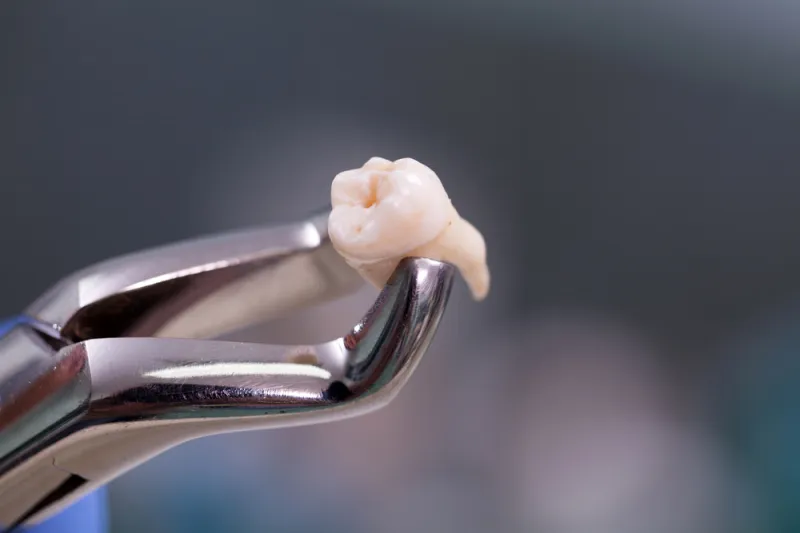
Wisdom teeth that are impacted, decayed, infected or pressing on other teeth often require removal to prevent pain and crowding.

Teeth in unusual positions

Occasionally, teeth appear in places such as the palate or high in the gum. If they interfere with normal bite or oral function, extraction may be advised.

Types of tooth extraction at Dental Nook

Simple extraction

A tooth that cannot be restored with a filling, crown or root canal, for example, a tooth that has fractured below the gum line or after a crown was delayed.

Surgical extraction

Retained primary teeth can block or delay the eruption of permanent teeth. Removing them can help create a healthier path for the adult teeth.

Wisdom tooth extraction

In some orthodontic cases, there is not enough room in the jaw. One or more teeth may need to be removed to create space before braces or clear aligners are fitted.

Baby tooth extraction

Teeth that are very mobile because of periodontitis may need to be removed before planning replacement options such as dental implants or bridges.

What happens during a tooth extraction?

1

History and assessment

We begin with a full medical and dental history, including current medications and any existing health conditions.

2

Examination and X-rays

X-rays are taken to assess the tooth, roots and surrounding bone, and to plan the safest method of removal.

3

Anaesthetic and comfort care

A numbing gel is placed on the gum, followed by a local anaesthetic, so the area feels completely numb. You may feel gentle pressure, but you should not feel pain.

4

Sedation options

For very anxious patients, IV sedation can be arranged with appropriate medical monitoring. This allows you to feel relaxed while your dentist works.

5

Tooth removal

The dentist uses fine instruments to loosen the tooth and lift it from the socket. For surgical cases, a small gum opening is made, and the tooth may be removed in sections.

6

Cleaning and stitches

The socket is cleaned and checked. Stitches are placed if needed to support healing. A gauze pack is positioned for you to bite on to help with blood clot formation.

7

Post-treatment instructions

Before you leave, we review aftercare instructions and arrange any follow-up visit needed for review or removal of stitches.

Aftercare and recovery

Good aftercare helps your mouth heal and reduces the risk of complications. Your dentist will give instructions tailored to you, which usually include
  • Bite on the gauze pack for about thirty minutes, then gently remove it
  • Avoid spitting, rinsing forcefully or using a straw for at least three days so the blood clot is not disturbed
  • Do not smoke while the area is healing
  • Apply a covered ice pack to the cheek in short intervals during the first day to limit swelling
  • Eat soft, cool foods such as yoghurt, smoothies, mashed vegetables or soups on the first day and chew on the opposite side
  • Take any prescribed pain relief or antibiotics exactly as directed
  • Keep the area clean by brushing the rest of your teeth as normal and gently rinsing with warm salt water after the first twenty-four hours
Most people feel significantly better within two to three days after a simple extraction, although larger surgical procedures can take longer. If you notice increasing pain, a bad taste, fever or swelling that worsens, contact the clinic straight away for review.
tooth hurting
partial dentures

Replacing a missing tooth after extraction

Removing a tooth is often the first step in a wider treatment plan. We will discuss ways to restore your smile and chewing function, which may include
  • Dental implantsthat act as artificial roots and support a natural-looking crown
  • Dental bridgesthat use neighbouring teeth as supports for a fixed replacement tooth
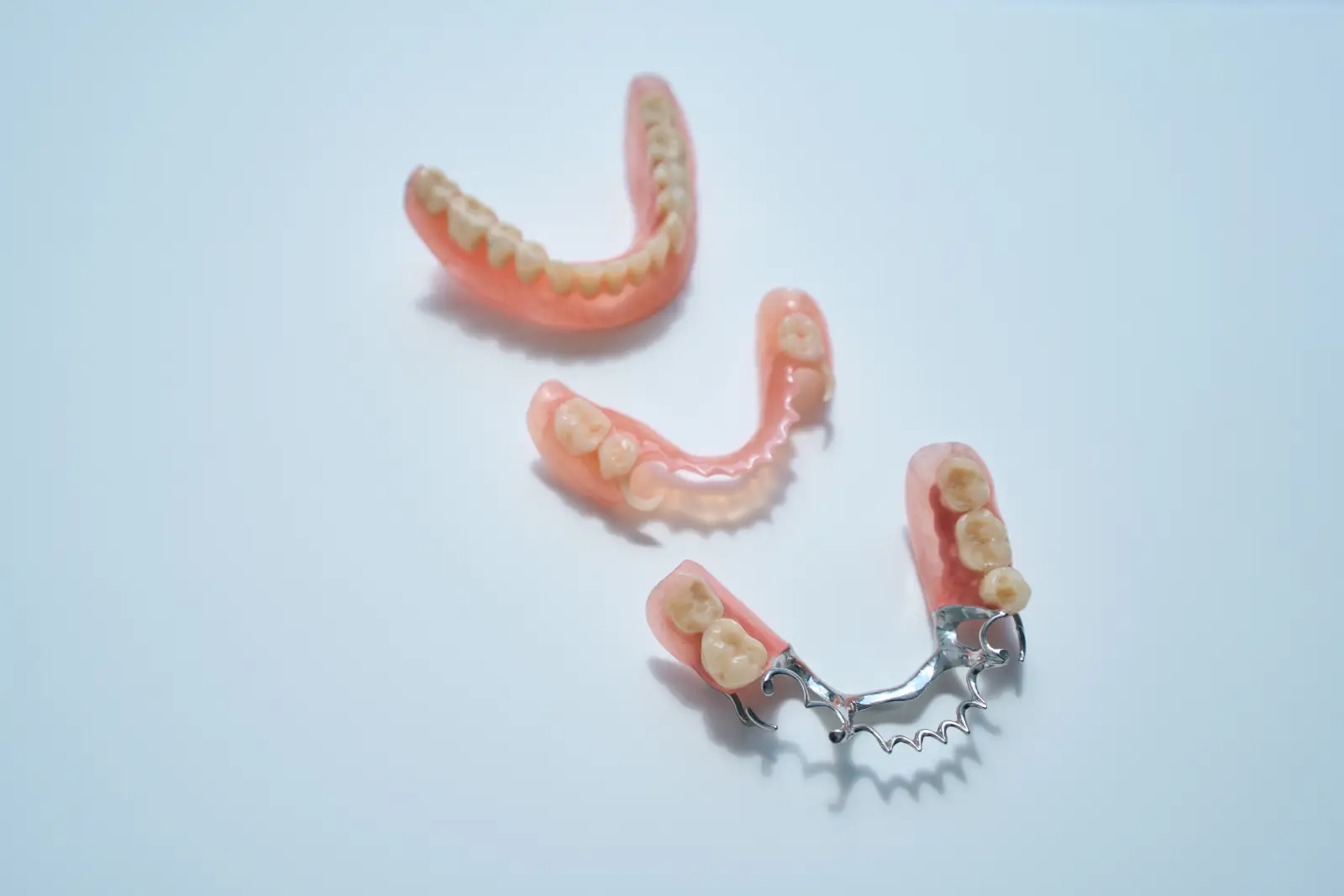
  • Partial denturesare used when several teeth are missing in one area
Planning replacement options early helps protect your remaining teeth and maintain a balanced bite.

Tooth extraction costs at Dental Nook Brisbane

The fee for a tooth extraction depends on several factors, such as
  • Whether the extraction is simple or surgical
  • The position and number of teeth involved
  • The need for X-rays, sedation or additional procedures
You will receive a clear estimate before treatment begins, and our team can explain available payment options or health fund rebates.
dental consultancy

Frequently Asked Questions about Tooth Extraction

Is tooth extraction painful?
The procedure is carried out with a local anaesthetic, so you should not feel pain while the tooth is being removed. You may feel pressure or movement. For very anxious patients, we can arrange IV sedation to make the visit even more comfortable.
Most people feel back to normal within two to three days after a straightforward extraction. Surgical extractions, such as impacted wisdom teeth, can take longer. Healing is usually smoother if you follow all aftercare instructions.
Yes. We assess each wisdom tooth with X-rays and can perform both simple and surgical wisdom tooth extractions where appropriate. If the case is very complex, we may recommend a specialist.
In many cases, dental implants are an excellent way to replace a missing tooth. Once the gum and bone have healed sufficiently, your dentist will assess the site and discuss whether an implant, bridge or another option is best for you.
Choose soft, cool foods on the first day, such as yoghurt, smoothies, mashed potato or soup that has cooled slightly. Avoid hot drinks, alcohol, crunchy foods and anything that requires strong chewing until your dentist advises it is safe.
Fees vary according to the type of extraction and the tooth involved. Before treatment, we provide a detailed quote and can talk through payment options and any health fund rebates that may apply.
Yes. Many patients travel from Carina, Camp Hill, Mansfield, Mount Gravatt and other local suburbs because they value our gentle approach and sedation choices.
If you have treatment with IV sedation, you will need a support person to take you home and stay with you for a period of time. For extractions completed with local anaesthetic only, most people can safely travel home on their own and return to light daily activities, unless your dentist advises otherwise.

Request an Appointment Online

Please note that this is not an actual appointment, but only a request for one. We Will Contact you for a confirmation shortly after. Thank you!