Importance of a Healthy and Confident Smile
A healthy, confident smile enhances appearance and reflects overall oral and general health. A well-maintained smile can improve self-confidence, support clearer communication, and positively influence personal and professional interactions, as cosmetic dentists often explain.
If you want it slightly more patient-friendly, more clinical, or more marketing-focused, tell me, and I’ll adjust the tone without changing the meaning.
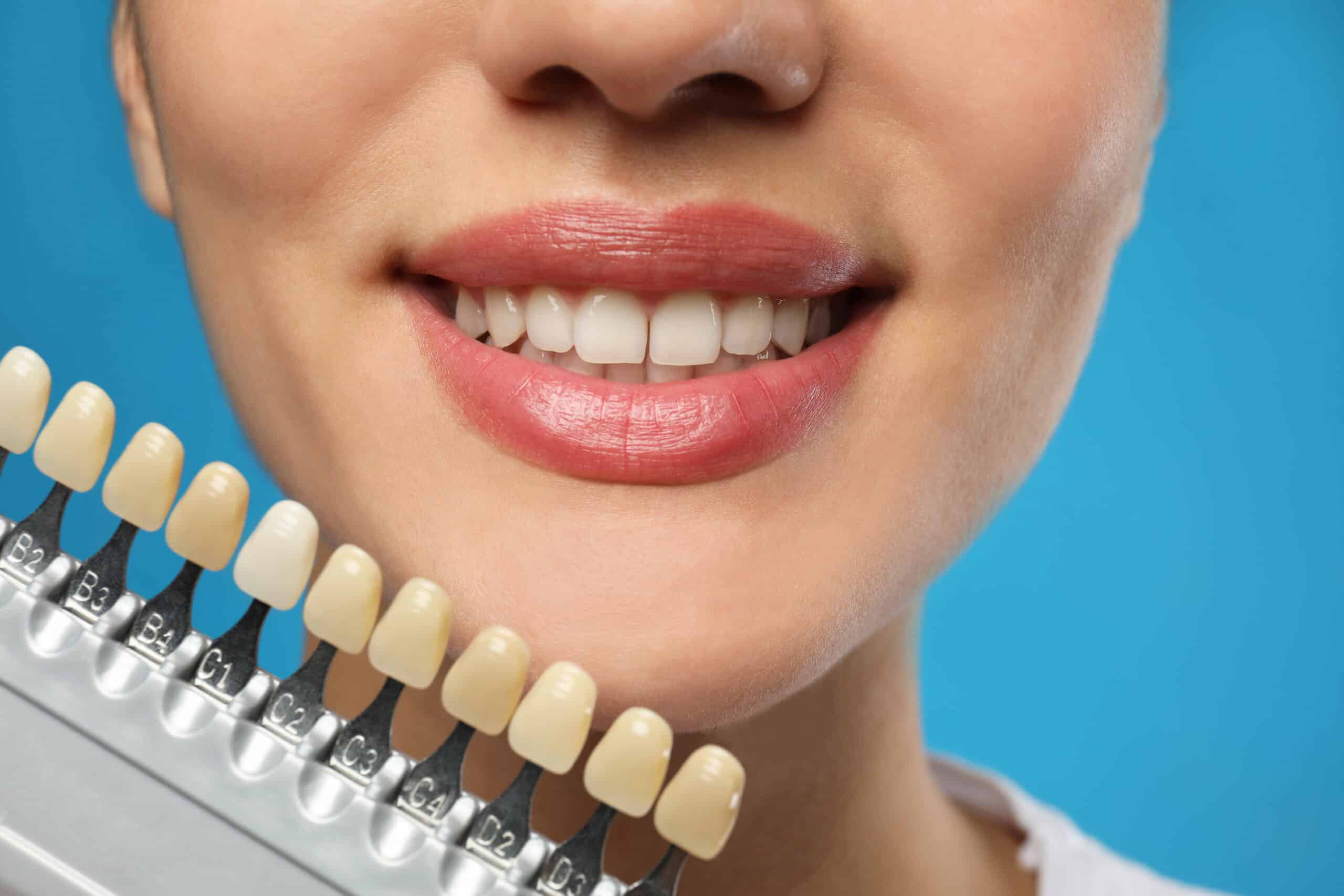
Discoloured teeth can take away from an otherwise confident smile and often lead to feelings of self-consciousness. Learning what causes tooth discolouration and understanding the available treatment options can help restore confidence and allow your smile to look its best again, creating a positive and lasting impression. Learn more about professional teeth whitening in Brisbane.
Causes of Tooth Discolouration
Dental professionals explain that tooth staining can differ in cause, appearance, and severity. These stains are generally grouped into two main types: extrinsic discolouration, which affects the outer surface of the tooth, and intrinsic discolouration, which occurs within the tooth structure itself.
Why Do I Have One Discoloured Tooth?
Noticing a single tooth that appears darker or a different colour than the rest can be concerning, and there are several possible reasons this may occur.
Trauma:
If a tooth has experienced trauma, such as a knock or fall, it can result in internal bleeding within the tooth. This internal damage may cause the tooth to darken over time, often appearing grey or noticeably darker than surrounding teeth.
Dental Procedures:
Previous dental treatments, including fillings or root canal therapy, can sometimes lead to a change in tooth colour. As time passes, the materials used during these procedures may contribute to a darker appearance in the treated tooth.
Tooth Decay:
Decay can also cause discolouration. As the tooth structure breaks down, the affected tooth may take on a yellow, brown, or even black colour, depending on the severity of the decay.
Dental Hygiene Habits:
Poor oral hygiene can result in plaque and tartar build-up, which does not always affect every tooth evenly. This uneven build-up can lead to discolouration in a single tooth rather than across the entire smile.
Dietary Habits:
Although dietary habits usually affect all teeth, certain teeth may be more exposed to staining due to their position in the mouth or existing surface changes, making one tooth more prone to discolouration.
Age-Related Changes:
Age-related wear typically affects all teeth, but if one tooth has experienced greater enamel wear than others, it may appear darker or different in colour over time.
Symptoms to Watch For:
If the discolouration is accompanied by pain, sensitivity, swelling, or changes in the surrounding gums, it is important to seek emergency dental care. These symptoms may indicate decay, infection, or another underlying dental issue.
A thorough dental examination is the best way to identify the exact cause of a discoloured tooth and determine the most appropriate treatment. Maintaining regular dental check-ups, good oral hygiene, and a balanced diet can help prevent further discolouration and support long-term oral health.
How Can I Stop My Teeth from Discolouration?
Preventing tooth discolouration requires a combination of consistent oral hygiene, thoughtful dietary choices, and regular professional dental care. The following approaches can help reduce staining and maintain a brighter smile:
Oral Hygiene Routine:
Maintaining a consistent and thorough oral hygiene routine is essential. Brushing twice daily with fluoride toothpaste and flossing every day helps remove plaque and surface stains before they become more noticeable. Using a toothbrush with soft bristles is recommended to reduce the risk of enamel wear, which can make teeth more prone to discolouration over time.
Dietary Habits:
Certain foods and drinks are known to stain teeth and should be consumed in moderation. Common contributors include beetroot, Vegemite, coffee, tea, and red wine. When these are consumed, rinsing the mouth with water afterwards can help reduce their staining effect on tooth surfaces.
Quitting Smoking:
Tobacco use, whether through smoking or chewing, is a major cause of tooth discolouration. Stopping these habits not only helps improve the appearance of your teeth but also benefits your overall oral and general health.
Regular Dental Visits:
Routine dental check-ups and professional cleanings are an important part of preventing discolouration. During these visits, surface stains can be removed, and personalised advice can be provided based on your oral health needs.
Professional Whitening Treatments:
For deeper or more stubborn stains, professional teeth whitening treatments may be more effective than over-the-counter products. These treatments should always be carried out under the supervision of a dental professional to ensure safe and appropriate results.
Avoiding Excessive Fluoride:
Fluoride plays an important role in strengthening teeth, but excessive exposure, especially during tooth development, can lead to fluorosis, which may cause visible discolouration. Using fluoride-containing products correctly and as advised is important.
Using Straws:
When drinking beverages such as soft drinks, coffee, or tea, using a straw can help limit direct contact between the liquid and the teeth, reducing the risk of staining.
It is important to remember that everyone’s teeth respond differently to various substances, and what works well for one person may not be as effective for another. Speaking with a dental professional can help you develop a personalised approach that suits your lifestyle and supports long-term oral health.
Can a Discoloured Tooth Be Fixed?
The treatment or restoration of a discoloured tooth depends on the underlying cause of the colour change. Understanding the available treatment options and how effective they are can help determine the most suitable approach for different types of discolouration.
Surface Stains (Extrinsic Discolouration):
These stains affect the outer surface of the tooth and are commonly caused by foods, drinks, or smoking.
- Professional Cleaning:
Routine professional dental cleanings can effectively remove surface stains. Dental hygienists and oral health therapists often use specialised instruments to lift stains from the tooth surface. - Whitening Toothpaste:
Whitening toothpastes may help reduce mild surface staining, but they generally do not produce significant or dramatic whitening results. - Professional Whitening Treatments:
Dentist-performed whitening or bleaching treatments are more effective for this type of staining. These treatments can noticeably lighten tooth colour, although temporary tooth sensitivity may occur afterwards.
Internal Stains (Intrinsic Discolouration):
Intrinsic staining develops within the tooth and may be caused by factors such as medication, trauma, decay, or certain medical treatments.
- Internal Bleaching:
In some cases, internal bleaching may be recommended. This involves placing a bleaching agent inside the tooth and is particularly effective when discolouration is related to previous root canal treatment. - Veneers or Crowns:
When discolouration is severe, dental veneers or dental crowns may be considered. These restorations cover the tooth to create a new, stain-free surface. It is important to note that this option involves permanent alteration of the natural tooth structure.
Age-Related Discolouration:
- Combination Treatments:
Age-related staining may require a combination of internal and external treatments. In some cases, professional teeth whitening may be recommended first, followed by veneers if further improvement is needed.
Limitations and Risks:
- Tooth Sensitivity:
Increased tooth sensitivity is a common side effect of bleaching treatments, although it is usually temporary. - Damage to Tooth Enamel:
Excessive use of whitening products, particularly over-the-counter options used without professional guidance, can lead to enamel damage. - Gum Irritation:
Some individuals may experience irritation to the gums from bleaching agents.
It is important to consult a dentist to determine the most appropriate treatment for your individual situation. A personalised assessment allows your dentist to explain the benefits and potential risks of each option and recommend a solution that suits your needs. What works well for one person may not be suitable for another, which is why individualised dental advice is essential.
What Deficiency Causes Teeth Discolouration?
Nutritional Deficiencies and Tooth Discolouration:
- Calcium Deficiency:
Calcium plays a vital role in maintaining strong teeth, much like it does for bones. When calcium intake is insufficient, tooth enamel can become weaker, making teeth more susceptible to discolouration. - Vitamin D Deficiency:
Vitamin D supports the absorption of calcium in the body. Low vitamin D levels can indirectly affect tooth strength and health, increasing the risk of discolouration. - Iron Deficiency:
Low iron levels may cause the gums to appear paler, which can make teeth look more yellow by contrast. On the other hand, excessive iron intake can sometimes cause teeth to develop a greyish appearance.
Now, let’s look at non-dietary factors that can also contribute to tooth discolouration:
- Oral Hygiene:
Inadequate brushing and flossing allow plaque and tartar to build up on the teeth, which can result in a yellowish tint over time. - Medications:
Certain medications, including some antibiotics, are known to cause changes in tooth colour. - Genetics:
The natural shade of your teeth can be inherited, much like eye colour, and varies from person to person. - Ageing:
As teeth age, the outer enamel gradually wears down, revealing the naturally yellower dentine beneath. - Environmental Factors:
Excessive fluoride exposure, whether through drinking water or dental products, can lead to white spots or streaks on the teeth. This condition is known as fluorosis. - Lifestyle Choices:
Smoking or chewing tobacco, along with frequent consumption of beverages such as coffee, tea, and red wine, can lead to external staining of the teeth.
In summary, both diet and lifestyle influence the health and appearance of your teeth. A balanced diet containing adequate calcium, vitamin D, and iron supports strong teeth and enamel. When combined with good oral hygiene practices and mindful lifestyle choices, the risk of tooth discolouration can be reduced. If you notice significant changes in tooth colour, it is advisable to consult your dentist or oral health therapist for professional guidance.
Extrinsic Tooth Staining
Extrinsic staining affects the outer surface of the tooth, known as the enamel, in adults. These stains develop on the tooth surface and are commonly linked to lifestyle habits such as consuming certain foods and drinks or using tobacco products.
Discolouration caused by extrinsic staining can alter the appearance of teeth and make them appear darker or less uniform in colour.
Food and Beverages
Regular consumption of dark-coloured foods and drinks can contribute to tooth discolouration over time. Common examples include coffee, tea, red wine, cola, and dark fruits and vegetables such as berries, blueberries, blackberries, and cherries. These foods and beverages contain strong pigments that can cling to the enamel surface, leading to visible staining and dark patches on the teeth.
Tobacco Use
Smoking or using chewing tobacco is another major cause of tooth staining and can significantly affect the natural colour of teeth over time. Nicotine present in tobacco products can cause yellow staining on the tooth surface, while tar, which is dark and sticky, can lead to brown or even black discolouration that becomes more difficult to remove.
Poor Dental Hygiene
Inadequate oral hygiene allows plaque and food particles to remain on the teeth for extended periods. This build-up can lead to surface staining and may worsen existing discolouration, making teeth appear darker and less healthy over time.
Intrinsic Stains
Intrinsic discolouration refers to staining that occurs within the internal structure of the tooth. Unlike extrinsic stains, which affect the outer enamel surface, intrinsic stains develop in the dentin layer beneath the enamel and are often more noticeable and difficult to address.
Fluoride Exposure
Excessive exposure to fluoride during tooth development can result in fluorosis, a condition that causes changes in tooth colour. This type of staining is considered intrinsic because high fluoride levels can interfere with normal enamel formation while the teeth are developing.
Tetracycline Antibiotics
The use of tetracycline antibiotics during enamel development, particularly in children whose adult teeth are still forming, can lead to permanent tooth discolouration. Certain antipsychotic medications have also been linked to changes in tooth colour.
Trauma or Injuries to the Teeth
Injuries to adult teeth can cause internal staining due to damage to blood vessels, internal bleeding, or nerve death within the tooth. When this occurs, blood by-products can seep into the dentin layer, resulting in teeth appearing darker, greyish, or yellow in colour.
Genetic Factors
Some people are naturally more prone to tooth discolouration due to inherited traits. Genetic factors can affect the thickness, translucency, or mineral composition of enamel, causing teeth to appear darker or more susceptible to staining from an early age.
Ageing
Tooth discolouration commonly occurs as part of the ageing process. Over time, enamel gradually wears down, revealing the naturally yellow dentin underneath. As enamel thins with age, teeth also become more vulnerable to staining from external sources, further contributing to discolouration.
Dental Materials
Certain dental materials, particularly older amalgam restorations, can cause teeth to develop a grey or black appearance. Amalgam fillings often contain silver sulphide compounds that may corrode or tarnish over time, leading to discolouration of the surrounding tooth structure.
Intrinsic stains are generally more difficult to remove than extrinsic stains, which occur on the surface of the enamel and may be managed with professional dental treatments.
How to Prevent Tooth Discolouration
Maintaining good oral hygiene and following simple daily habits can help reduce staining and support a brighter, healthier smile.
Brush and Floss Consistently:
Brush your teeth at least twice a day for two minutes each time and floss once daily, as recommended by the American Dental Association. Regular brushing and flossing help remove plaque and food debris that contribute to staining, dental caries, and tooth decay.
Rinse Your Mouth After Eating or Drinking:
After consuming foods or drinks known to cause staining, rinse your mouth with water to reduce the chance of discolouration. Using a fluoride mouth rinse can also help strengthen teeth and protect against decay.
Avoid Excessive Fluoride Exposure:
Fluoride plays an important role in preventing tooth decay, but excessive use can lead to discolouration. Use fluoride-based products appropriately and follow your dentist’s advice to maintain the right balance.
Limit Stain-Causing Foods and Drinks:
Beverages and foods such as coffee, tea, red wine, soy sauce, and dark-coloured soft drinks can stain teeth over time. Enjoy these in moderation and consider using a straw when possible to reduce contact with the teeth.
Attend Regular Dental Check-Ups:
Seeing your dentist regularly for professional cleans and examinations helps remove surface stains and supports overall oral health. Dentists can also monitor early signs of discolouration and other dental concerns. The Australian Dental Association recommends a dental check-up and clean at least once every six months.
Treatment Options for Tooth Discolouration
Identifying the root cause of tooth discolouration is important when choosing the most suitable treatment and helping prevent further changes in tooth colour. Treatment options for tooth discolouration may include teeth whitening approaches designed to lighten the teeth and support better oral hygiene.
Whitening Toothpaste
Whitening toothpastes are a commonly used over-the-counter option for managing mild tooth discolouration. These products are formulated to remove surface stains using gentle abrasives such as silica or calcium carbonate. Some whitening toothpastes also contain chemical agents like hydrogen peroxide or carbamide peroxide, which help break down stains so they can be removed more easily.
Whitening toothpastes can be effective for extrinsic stains caused by factors such as smoking, coffee, tea, or red wine. However, they are generally less effective for intrinsic staining or more severe forms of tooth discolouration.
Professional Teeth Whitening
Below is an overview of the in-chair teeth whitening process.
Professional teeth whitening is a cosmetic dental treatment designed to reduce stains and discolouration, resulting in a brighter and more refreshed smile. This procedure is carried out by a dentist or trained dental professional and is typically faster and more effective than home-based whitening methods.
Initial Consultation:
Before starting treatment, you will have a consultation with your dentist to assess the condition of your teeth, discuss your goals, and confirm whether professional whitening is suitable for you. Photographs of your teeth may be taken to monitor progress and compare results.
Dental Cleaning:
Prior to whitening, your dentist will clean your teeth to remove plaque or tartar. This step helps ensure the whitening agent works evenly and effectively.
Protection of Gums and Soft Tissues:
A protective gel or rubber barrier is applied around the teeth to shield the gums and surrounding soft tissues from the whitening solution. This ensures the whitening agent remains in contact only with the tooth surfaces.
Application of the Whitening Agent:
The whitening gel, commonly containing hydrogen peroxide or carbamide peroxide, is applied directly to the teeth. In-chair whitening uses a higher concentration of the active ingredient compared to take-home options, which allows for quicker and more noticeable results.
Activation of the Whitening Agent:
Depending on the system used, a specialised light or laser may be applied to activate the whitening agent. This helps speed up the breakdown of peroxide, allowing it to penetrate the enamel and lift stains more effectively.
Waiting Period:
The whitening gel is left on the teeth for a set amount of time, usually between 15 and 30 minutes. The process may be repeated in several cycles during the same appointment, depending on the desired shade and treatment plan.
Rinsing and Removal of Protective Barriers:
Once whitening is complete, the dentist will rinse the mouth thoroughly and remove all protective materials.
Post-Whitening Care:
After treatment, your dentist will provide guidance on post-whitening care. This may include advice on avoiding foods and drinks that can stain teeth and maintaining good oral hygiene.
Results and suitability can vary between individuals. A consultation with your dentist is essential to determine whether professional teeth whitening is the right option for you.
Take-Home Whitening Kits
Take-home whitening kits are another option for managing tooth discolouration. These over-the-counter products may include whitening trays, strips, or gels that contain a lower concentration of bleaching agents compared to professional treatments.
While these kits allow teeth whitening to be done at home, they typically require a longer period to achieve noticeable results when compared to in-chair whitening procedures.
Dental Bonding
Dental bonding, also referred to as composite bonding, is a minimally invasive treatment that involves applying a tooth-coloured composite resin to the surface of discoloured teeth.
This approach is often used for mild discolouration and can also address concerns such as small chips, cracks, gaps between teeth, or minor irregularities in tooth shape. It is generally a quicker and more affordable cosmetic solution.
Porcelain Veneers
Porcelain veneers are thin, custom-made shells crafted from dental-grade porcelain and bonded to the front surfaces of teeth. Veneers can be used to address a range of cosmetic concerns, including moderate to severe tooth discolouration, as well as chipped, cracked, or unevenly aligned teeth.
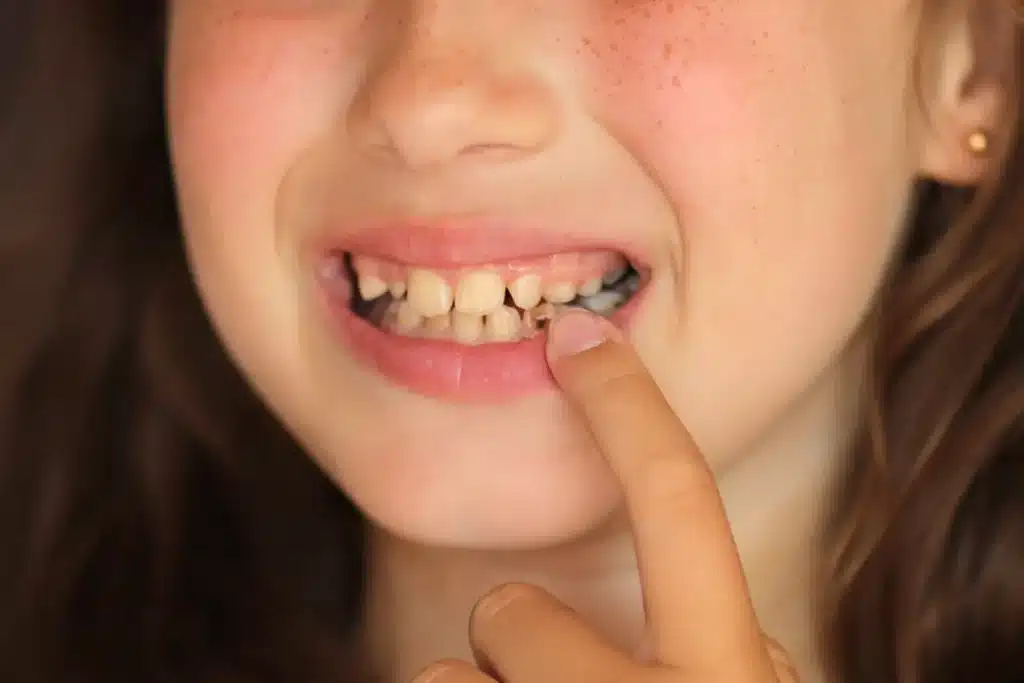
Frequently Asked Questions
Q. What are the main causes of tooth discolouration, and how do factors like diet, oral hygiene, medication, and genetics play a role?
Tooth discolouration is a common concern and can develop due to a combination of different factors. These causes are generally grouped into external and internal influences.
Dietary Habits: Foods and drinks such as coffee, tea, red wine, and dark-coloured soft drinks contain strong pigments that can stick to the surface of the teeth. Frequent consumption of these items can gradually stain the enamel, causing teeth to look darker over time.
Oral Hygiene: Inadequate oral hygiene can worsen tooth discolouration. When plaque and tartar build up on the teeth, they can create a yellow or brown appearance. Regular brushing, flossing, and professional dental cleanings play an important role in preserving the natural shade of teeth.
Medication and Medical Conditions: Some medications, including tetracycline antibiotics, are known to cause tooth discolouration, particularly if they are taken while teeth are still developing in childhood. Excessive fluoride intake during tooth development can also lead to fluorosis, which causes visible changes in tooth colour. Certain genetic conditions may affect enamel quality, making teeth more susceptible to discolouration.
Age-Related Changes: As people get older, the enamel on their teeth gradually wears down. This thinning enamel allows the naturally yellow dentin beneath to show through more clearly, making teeth appear duller or more yellow with age.
Smoking and External Factors: Smoking and chewing tobacco are major contributors to tooth staining and often cause stubborn, long-lasting discolouration. Exposure to high levels of fluoride or certain metals, such as iron or copper, can also affect tooth colour.
Dental Procedures and Materials: Some dental materials, including older amalgam fillings, can cause a grey or dark appearance in the surrounding tooth structure over time. Ageing fillings and crowns may also contribute to discolouration as they wear or as the natural tooth colour changes around them.
Overall, tooth discolouration usually results from a combination of lifestyle choices, diet, oral hygiene habits, medical factors, and past dental treatments. Managing these factors, along with regular dental visits and professional cleanings, can help maintain or improve the appearance of your teeth.
Q. Can a root canal treatment cause a tooth to become discoloured?
In some cases, a tooth that has undergone root canal treatment may gradually darken over time.
Q. Do braces cause teeth to become discoloured?
Braces themselves do not cause discolouration, but staining can occur if oral hygiene is not well maintained during orthodontic treatment. Plaque and stains often develop around brackets and wires, where cleaning can be more difficult. Regular brushing, flossing, and routine dental check-ups help reduce the risk of staining.
Q. Is home teeth whitening dangerous?
At-home teeth whitening can carry certain risks, including tooth sensitivity, irritation of the gums, uneven whitening results, and potential enamel damage if products are overused or used incorrectly. To reduce these risks, it is important to follow instructions carefully and speak with a dentist before starting any home whitening treatment.
Q. Is it safe to whiten teeth using baking soda?
Using baking soda to whiten teeth is generally considered safe when done occasionally and in moderation.
We Offer Sedation Dentistry
At Dental Nook, we provide a range of sedation options to suit different comfort levels and treatment requirements.
Laughing Gas (Nitrous Oxide):
Laughing gas is a mild form of sedation that helps you feel calm and relaxed while remaining fully awake and responsive. Its effects wear off quickly after the appointment, allowing you to return to your normal routine soon after treatment.
IV Sedation (Twilight Sedation):
IV sedation is administered through a vein and places you in a deeply relaxed, dream-like state without fully putting you to sleep. Many patients remember little or nothing about the procedure, making this option suitable for those who want a stronger level of relaxation.
Sleep Dentistry (General Anaesthesia):
Sleep dentistry under general anaesthesia means you are completely asleep for the duration of the treatment. This option is often chosen for complex procedures or for patients with significant dental anxiety who prefer not to be awake during their care. It allows dental treatment to be completed in a stress-free manner.
Gentle and Supportive Dental Care for Children with Unique Needs
Every child deserves to feel safe and comfortable when visiting the dentist. For children with special needs, this often requires extra patience, understanding, and flexibility, and we are committed to providing that level of care.
Our team works closely with parents and carers to understand what helps each child feel comfortable, whether that means slowing the pace of the appointment, adapting the environment, or finding simple ways to reduce stress during the visit.
Our focus goes beyond dental health alone. Her goal is to ensure that both you and your child feel supported, understood, and cared for throughout every stage of treatment.