
Sleep Dentistry in Brisbane: Relaxed, Worry-Free Dental Care

dental anesthesia

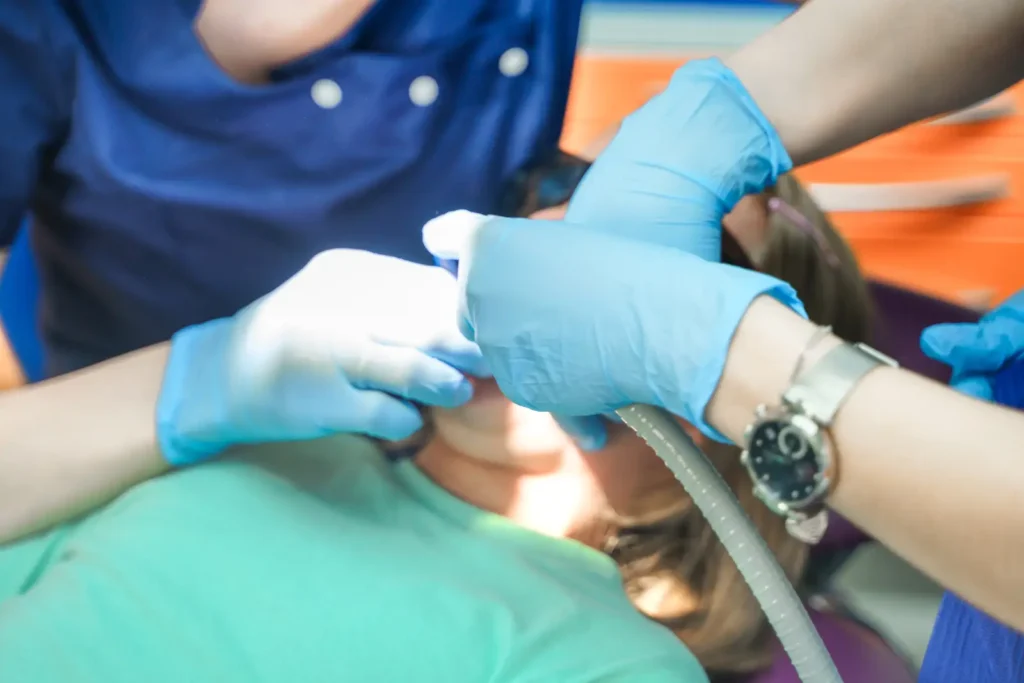
At Dental Nook Brisbane, we offer sleep dentistry under general anaesthesia, carried out by highly trained specialist anaesthetists in a carefully monitored setting. Our sleep dentistry service is a comfort-focused style of care, often referred to as sedation dentistry or dental sedation.

This approach allows dental treatment to be completed while you are fully relaxed and unaware of the procedure, without the need for physical restraint. It is designed to be safe, pain-free, low-stress and efficient, making it ideal for people who need several procedures completed in a single visit, those who experience significant dental anxiety, and patients with medical or physical conditions that make standard dental appointments difficult. While it is not suitable for everyone, sleep dentistry can be life-changing for the right patients.
anesthesia
“I have suffered Dental phobia for a very, very long time… I had lost track of how many years it at been since I last visited a Dentist – more than 10 years, I was ashamed to say. A chance discussion with an equally phobic friend led me to Cathy at Tooth Booth Carindale. It took a few weeks to build up the courage to go. I chatted over the phone to the friendly receptionist a few times to gain comfort and then finally made it in for a clean and check-up. Apart from the internal build-up, just getting myself in the door, this was a completely un-traumatising experience! I felt great as I strutted out with the news that I only needed one small filling. I was back within a few weeks to have the work done, and although my anxiety was once again almost paralysing, the entire experience set me at ease! What a great team. They really understand the importance of attending to the person they have in front of them and not just the task at hand.”
– Marisa Stewart

What is sleep dentistry?

At Dental Nook, sleep dentistry (also called sedation dentistry or dental sedation) uses general anaesthesia to place you in a dream-like, fully relaxed state throughout your dental treatment. Depending on the type of procedure, both an oral surgeon and an experienced sedation dentist may be involved to closely monitor you from start to finish. This approach allows your dentistry to be completed safely and comfortably while you remain unaware of the procedure.

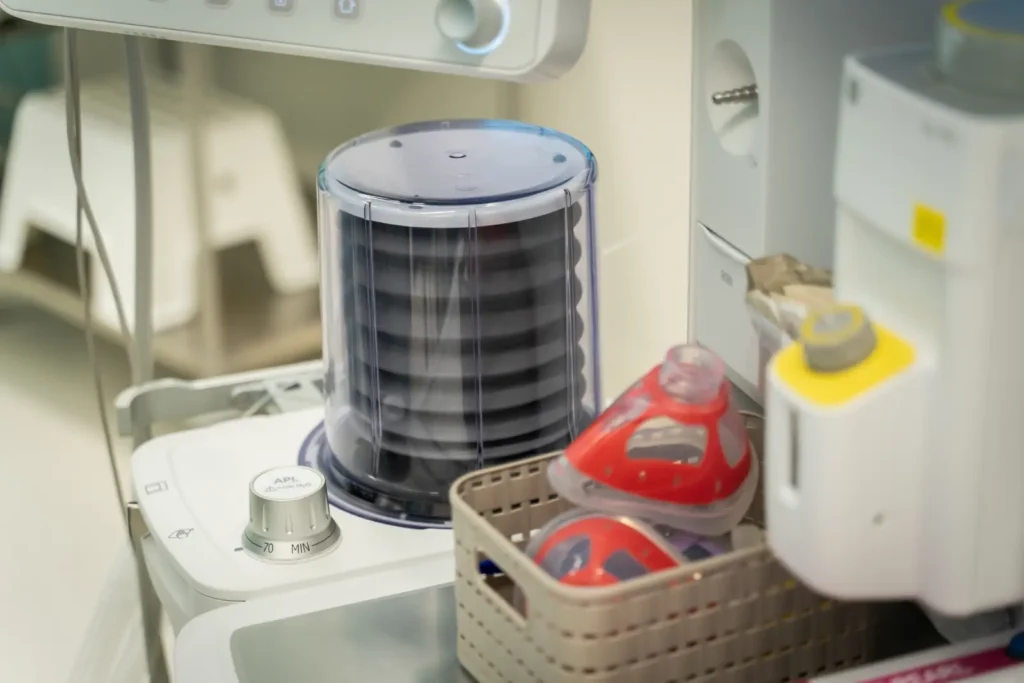
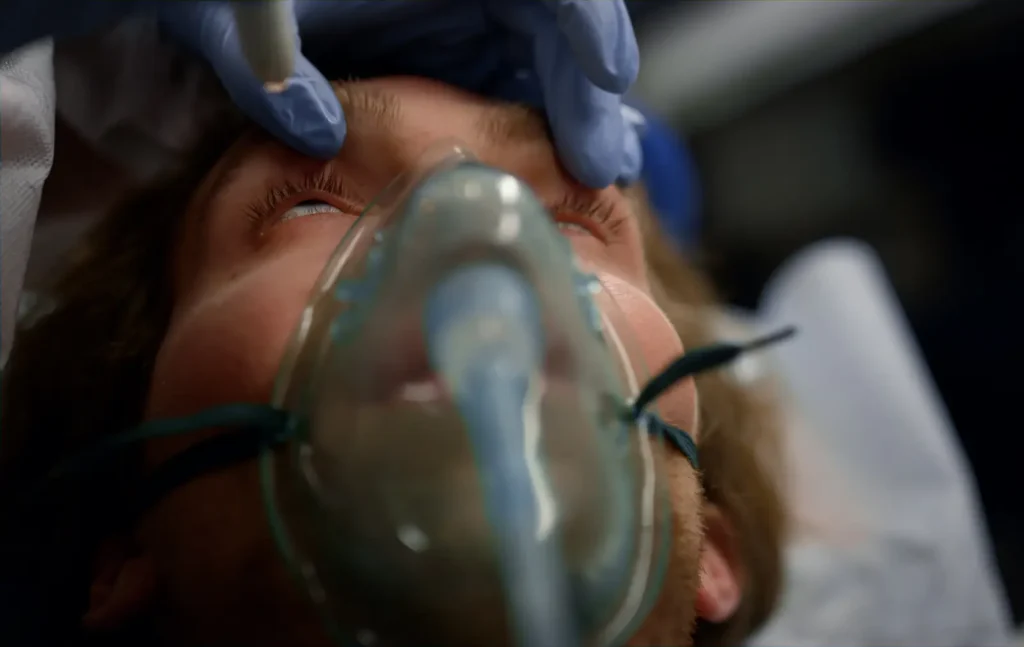
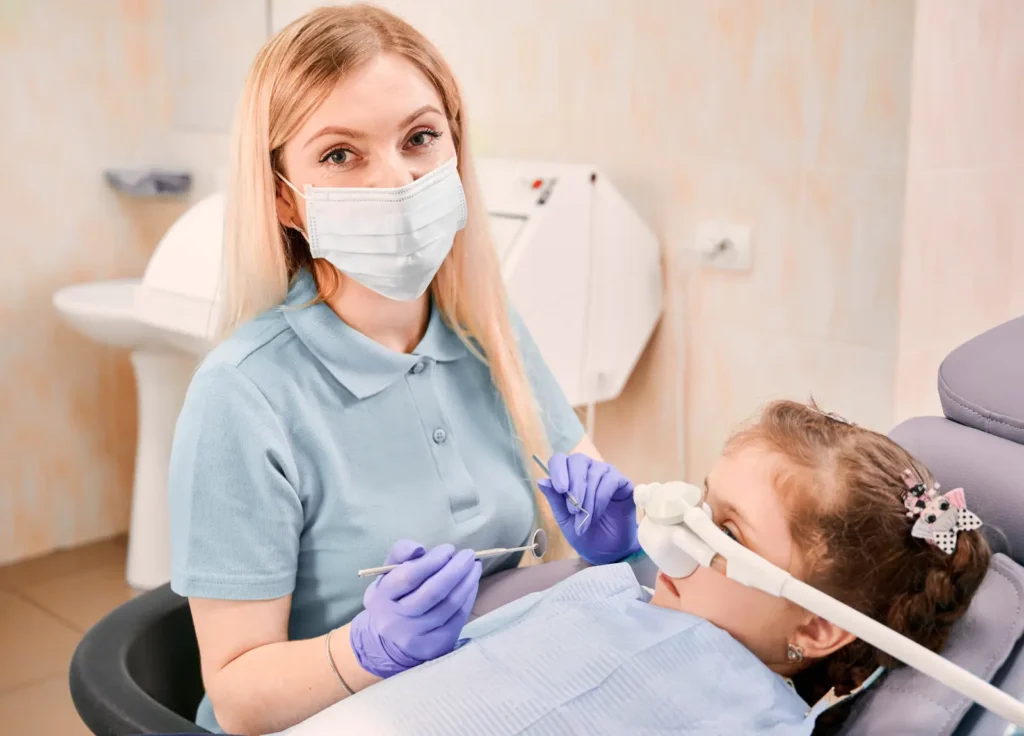
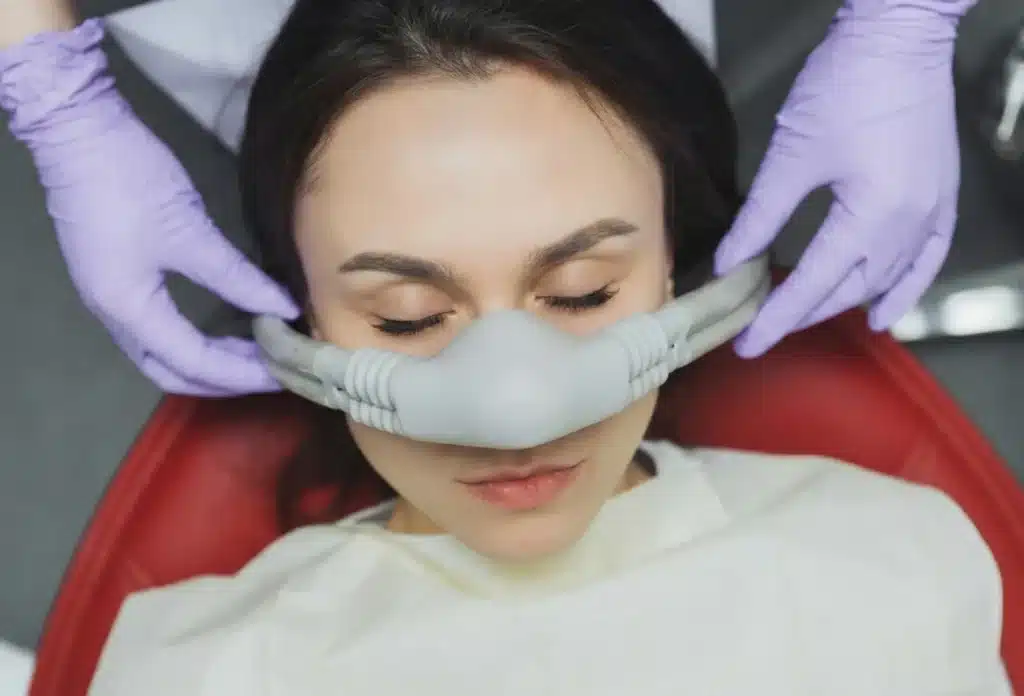
At Dental Nook, we offer three main approaches to sleep dentistry: Happy gas (nitrous oxide) in the dental chair IV or twilight sedation in the dental chair General anaesthesia in a hospital setting Happy gas does not put you fully to sleep, but it helps you feel calm and less anxious throughout your visit. It is generally more affordable than IV sedation or general anaesthesia and gives our team greater flexibility when arranging appointments. For patients who require extensive treatment, have complex medical needs, or do not respond well to happy gas, our dentists may recommend treatment under general anaesthesia. Only a limited amount of happy gas can be safely used in a standard dental clinic, whereas full, deeper levels of sedation are provided in a hospital environment under specialist care.

General anaesthesia (GA)creates a carefully controlled state of unconsciousness. Under GA you do not feel any pain, are unaware of the treatment being performed, and any anxiety or discomfort related to dental procedures is completely removed.
Who can benefit from sleep dentistry
at Dental Nook?

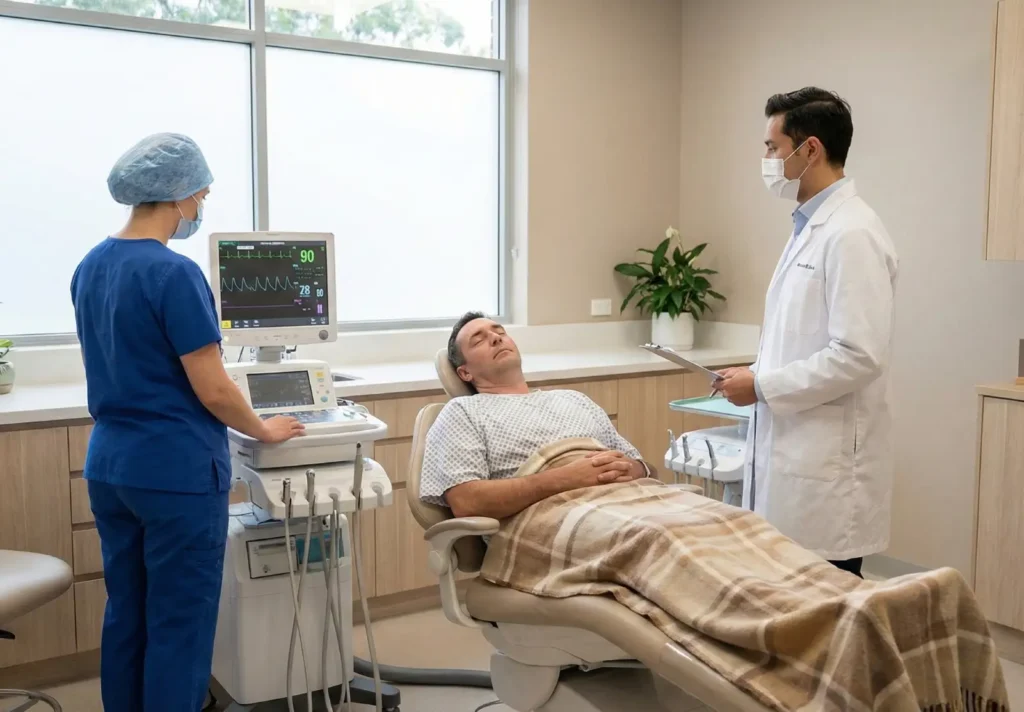
Doctor checking up the affect of sleep dentistry on patient.

Sleep Dentistry for Individuals with Dental Phobia or Anxiety

Sleep dentistry is especially helpful for people who struggle with dental anxiety or a strong fear of treatment. Many individuals avoid essential dental care because they are worried about procedures. Using general anaesthesia, sleep dentistry allows patients to be completely relaxed and unaware while their treatment is carried out, reducing both fear and stress.
Some people experience dental phobia, a severe fear of visiting the dentist or having dental work done. When this fear is left unaddressed, it can lead to delayed treatment and poorer overall oral health.
“Really love this clinic, the team are super friendly and easy to go visit. I’ve had two wisdom surgeries done by Dr Nikita, and both were relaxed and pain-free. She is a skilled dentist and very kind. Great dentist to see if you get nervous, very reassuring. Can’t recommend their services enough.”
– Cara Stanton

Sleep dentistry for patients with special needs

Sleep dentistry can be a very supportive option for patients with special needs who find regular dental visits difficult. For people with physical or intellectual disabilities, sitting still, coping with sounds, or managing anxiety during treatment can be challenging. By using general anaesthesia, we can provide essential dental care in a controlled, comfortable, and low-stress environment.
Because the patient is fully relaxed, our team can often complete several treatments in a single visit. This is especially helpful for children and adults with special needs who may struggle with long or repeated appointments.

Sleep dentistry with general anaesthesia can make dental care much easier and safer for patients with additional needs. Key benefits include:

  1. Better comfort and cooperation
    Many patients with physical, intellectual, or behavioural challenges find it hard to sit still or follow instructions. Under general anaesthesia, they are fully asleep and relaxed, so treatment can be completed without distress or struggle.
  2. Less anxiety and sensory overload
    Bright lights, sounds, smells, and unfamiliar people can be overwhelming. General anaesthesia allows patients to “sleep through” the experience, avoiding the fear and sensory stress that often come with a traditional appointment.
  3. Improved safety
    Uncontrolled movements or difficulty understanding directions can increase the risk of injury during treatment. Being fully asleep keeps the patient still, helping protect their mouth, teeth, and airway throughout the procedure.
  4. More efficient treatment
    When a patient is calm and still, the dental team can work steadily and efficiently. This often shortens the overall procedure time and reduces how long families need to be at the clinic or hospital.
  5. Comprehensive care in one visit
    Patients with special needs may require multiple fillings, extractions, or more complex work. Under general anaesthesia, many procedures can be completed in a single session, minimising the number of visits and recoveries.
  6. Fewer traumatic memories
    Painful or frightening experiences at the dentist can create long-term fear. Because sleep dentistry is painless and the patient has no awareness of the procedure, there is far less chance of developing negative associations with dental care.

General anaesthesia is not the right option for everyone. At Dental Nook, our team will carefully review each patient’s medical history, abilities, and specific needs, and discuss the risks, benefits, and alternatives so families can make an informed decision about the safest way to provide care.

Yes. Sleep dentistry with general anaesthesia can be recommended for both adults and children whose special needs make conventional dental visits difficult or unsafe. It is particularly helpful when:

  • A patient cannot tolerate having treatment while awake
  • Communication or sensory challenges make cooperation very hard
  • Extensive or complex dental work is required and would otherwise need several long appointments

One of the main goals is to prevent dental trauma. By completing treatment while the patient is asleep, the dentist can perform procedures that might be impossible or highly distressing while the patient is awake.

For example, a paediatric dentist may suggest sleep dentistry for a very young child who requires space maintainers or multiple procedures in small mouth with limited cooperation. Under general anaesthesia, these treatments can be carried out gently and safely in one visit, helping protect both the child’s oral health and their long-term confidence in dental care.
Sleep dentistry for children and teenagers with severe dental fear or behavioural needs

Children and adolescents who find it hard to cooperate because of fear, dental phobia or behavioural challenges can benefit from sleep dentistry at Dental Nook. Using general anaesthesia, our team can provide essential care more calmly and safely for young patients and their carers, reducing anxiety without the need for physical restraint.

Sleep dentistry for extensive or complex dental treatment

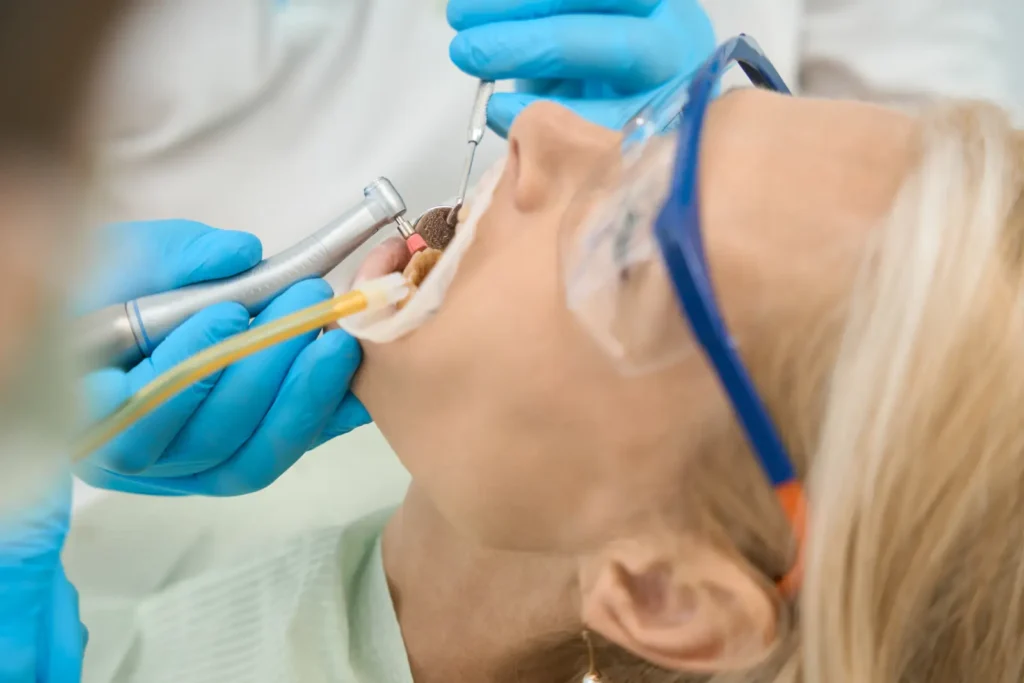
Sleep dentistry is also very helpful for people who require longer or more involved procedures, such as multiple tooth removals, wisdom teeth surgery, dental implants, gum treatment, root canal therapy or other oral surgery. General anaesthesia allows these appointments to feel more comfortable and far less stressful.

Sleep dentistry can be used for a wide range of treatments, including

  • Tooth extractions, including wisdom teeth
  • Dental implant placement
  • Treatment for gum disease
  • Bone grafting for dental implants
  • Root canal treatment
  • Oral and maxillofacial surgery
  • Treatment of cleft lip or cleft palate in a hospital setting
  • Dental crowns and bridges

General anaesthesia is particularly useful for long or complicated treatments because it places the patient into a controlled sleep, similar to a hospital procedure. While they are asleep, they feel no pain and are unaware of the treatment.

Key benefits for this type of care at Dental Nook include

  1. Pain-free care
    General anaesthesia prevents any sensation of pain during treatment. Patients sleep through the procedure and do not feel instruments or discomfort.
  2. Less anxiety and fear
    Major dental work can feel overwhelming. Because patients are fully asleep, they do not experience the worry or fear that might normally come with these appointments.
  3. Better focus and efficiency for the clinician
    Complex procedures demand concentration and precision from the dentist. With the patient still and relaxed under anaesthesia, the dentist can work more efficiently which can reduce the overall time required.
  4. More treatment in a single visit
    Extensive work often needs several standard appointments. Under general anaesthesia, many or all procedures can be completed in one session, saving time and limiting the number of visits needed.
  5. No distressing memories
    Patients do not remember the procedure because they were asleep, which helps avoid new negative memories and can make future dental visits feel less daunting.

It is important to talk with the sedation dentist or oral surgeon about general anaesthesia so that the benefits and any risks can be considered for your individual situation. They will review your medical history, assess the complexity of the treatment and recommend the safest and most suitable option.

If you would like to know more about sleep dentistry at Dental Nook, including sedation for implants, wisdom teeth removal, special needs dentistry, root canal treatment or other advanced care, please contact our team for guidance.
dental gag reflex

Sleep dentistry for people with a strong gag reflex

A pronounced gag reflex can make even simple dental treatment difficult. Under general anaesthesia, this reflex can be temporarily suppressed, allowing your dentist to work more comfortably and efficiently. Book a consultation with our team at Dental Nook to see whether sleep dentistry is a suitable option for you.

A gag reflex(pharyngeal reflex) is the body’s natural defence mechanism that helps protect the throat and airway from foreign objects. When dental instruments touch the back of the mouth or throat, this reflex can be triggered, causing gagging as a way to prevent choking.
Sleep Dentistry for Individuals with Certain Medical Conditions

Our sleep dentistry service in Brisbane, using general anaesthesia, can particularly benefit patients with certain medical conditions that make traditional dental procedures challenging. Our sedation dentists may recommend sleep dentistry with general anaesthesia for specific medical conditions like Parkinson’s disease and epilepsy.

At Dental Nook, sleep dentistry with general anaesthesia can be a helpful option for people whose medical or behavioural conditions make routine appointments difficult or unsafe. Our dentists may recommend treatment under GA for specific conditions, such as

  • Parkinson’s disease– tremors and uncontrolled movements can make it hard to sit still in the chair.
  • Cerebral palsy– muscle spasms or involuntary movements can interfere with precise dental work.
  • Autism spectrum disorder– sensory sensitivities, difficulty processing sounds, lights or touch, and challenges with sitting for long periods can make conventional care overwhelming.
  • Down syndrome– smaller oral cavities, larger tongues or reduced muscle tone can complicate treatment and co-operation.
  • Alzheimer’s disease or dementia– memory and understanding may be reduced, which can increase agitation or distress during appointments.
  • Severe anxiety disorders, including dental phobia– intense fear, can make it impossible to complete care safely in the standard way.
  • Developmental conditions such as ADHD– difficulty remaining still or focused may prevent longer procedures from being carried out comfortably.
  • Epilepsy– stress may increase the chance of a seizure; controlled treatment under GA can lower this risk.
  • Certain genetic or connective-tissue disorders (for example Ehlers Danlos syndrome)– these may affect joints and soft tissues and need extra planning for safe treatment.

Because every person’s health and dental needs are different, the decision to use general anaesthesia is always made on a case-by-case basis. Your dentist or oral surgeon will consider your medical history, the type of treatment required, and the potential benefits and risks, and will liaise with your GP or specialist where needed.

Some children cannot comfortably manage dental treatment in the traditional chair, particularly if they have epilepsy or other complex needs. In these situations, a paediatric-style approach to care under general anaesthesia may be recommended.

While nitrous oxide (happy gas) can be useful for many young patients, it is not suitable when a child cannot breathe steadily through the nose or struggles to keep their mouth open. When this happens, treatment under GA can allow the dentist to complete necessary care safely while the child is fully asleep.

If you would like more information about how sleep dentistry at Dental Nook can support a child with epilepsy or other additional needs, our team is happy to discuss options.

Key considerations when a child is treated under general anaesthesia:

  • Balancing the removal and preservation of teeth
    When a child is asleep under GA, the dentist carefully considers whether a tooth should be restored or removed. The aim is always to protect long-term oral health while avoiding unnecessary extractions.
  • Protecting space for adult teeth
    Whenever possible, we try to keep baby teeth until they are naturally replaced, as they guide the eruption of adult teeth. If a baby tooth must be removed, a space maintainer (spacer) can be fitted to hold the gap open so the permanent tooth has room to come through correctly.

Who can benefit from sleep dentistry
at Dental Nook?

Dental treatment under general anaesthesia at Dental Nook follows a carefully planned, multi-step pathway that covers consultation, scheduling and coordination, the procedure itself, and your post-operative care.

At your first sleep-dentistry visit at Dental Nook:

  • Comprehensive check-up– Your dentist will examine your teeth and gums, take X-rays if required, and discuss your full medical history.
  • Sedation options– We will outline the different forms of sedation available, such as general anaesthesia, IV (twilight) sedation, and happy gas, and recommend what best suits your needs.
  • Detailed explanation– If general anaesthesia is the preferred option, your dentist will talk you through the process step by step and answer any questions you may have.
  • Cost estimate– You will receive an outline of the expected fees, including the dentist’s fee, the anaesthetist’s fee, and any hospital or theatre charges.
  • Medical clearance– You will be asked to complete a medical history form and, where appropriate, see the anaesthetist to confirm that you are medically suitable for treatment under general anaesthesia.
  • Securing your booking– A deposit is usually required to reserve your hospital date for sleep dentistry.

Once you and your dentist have agreed to proceed, several organisational steps take place before your general anaesthetic appointment:

  • Confirming the Treatment Plan
    Your dentist will finalise a written treatment plan. You’ll review this document, ask any further questions, and confirm that you are happy to proceed.
  • Choosing a Date and Time
    Our team will work with you and the hospital to find a suitable day and time for your sleep-dentistry procedure.
  • Arranging the Anaesthetist
    Our treatment coordinator will book an anaesthetist and provide you with their contact details. Typically, the anaesthetist will phone you a few days before your procedure to go over your medical history and explain important instructions, including fasting requirements.
  • Hospital Pre-admission
    You’ll be asked to complete the hospital’s pre-admission paperwork online or via a form supplied by the hospital or our team.
  • Consent Forms
    Separate consent forms for both Dental Nook and the hospital must be read and signed before your procedure. These will be provided for you in advance.
  • Payment Arrangements
    Sleep dentistry involves fees from three parties: the dental clinic, the anaesthetist, and the hospital.
    A deposit is generally paid to Dental Nook to lock in your booking, with the balance of dental fees due shortly before the procedure. The anaesthetist will issue their own account, which is usually payable in the days leading up to your appointment. The hospital will either invoice you directly or collect payment on the day of admission. It is your responsibility to check any health fund or hospital cover and to understand what out-of-pocket costs will apply.

When it is time for your treatment under general anaesthesia:

  • Hospital setting– All sleep-dentistry procedures are carried out in a hospital environment rather than in the dental chair at Dental Nook, to ensure maximum safety and monitoring.
  • Admission– You will be asked to arrive at the hospital around one to two hours before your scheduled theatre time so admission checks can be completed.
  • Going to sleep– In the operating theatre, the anaesthetist will administer the general anaesthetic, and you will drift into a controlled, deeply asleep state.
  • Dental treatment– While you are asleep, your Dental Nook clinician will complete the planned dentistry, which may include procedures such as wisdom tooth removal, fillings, crowns, implants, root canal therapy, or comprehensive care for children.

Our team will guide you through every step so your experience with sleep dentistry at Dental Nook is as safe, smooth, and stress-free as possible.

  • Once your treatment under general anaesthesia is finished, you will rest in a recovery area where our team will monitor you until you are fully awake and stable.
  • Before you leave, your Dental Nook dentist will explain your post-operative instructions, including how to manage discomfort, keep your mouth clean, and what you can and cannot eat.
  • If teeth have been removed, you will be asked to avoid swimming or submerging your head in water for about ten days.
  • A review visit will be scheduled so we can check your healing, answer any questions, and adjust your care if needed.
  • Having dental treatment completed under general anaesthesia offers a high level of comfort but is more costly than treatment with local anaesthetic alone, as it involves hospital and specialist anaesthetist fees.
  • Medicare does not generally fund hospital dental treatment under general anaesthesia, but many private health policies may contribute to, or fully cover, some of these expenses depending on your level of cover.
  • Patients pay Dental Nook’s treatment fees directly, then can use the detailed receipt we provide to claim any eligible rebate from their health fund.
  • The anaesthetist and the hospital will issue their own separate accounts, which are settled with them independently.

Sleep Dentistry: Safety and Medical Considerations

Sleep dentistry with general anaesthesia can be a very helpful option, but it is still a medical procedure and carries some risks. Possible side-effects include nausea and vomiting and, in very rare circumstances, serious complications such as brain injury or death. These risks are generally low in healthy patients, but they must be carefully weighed.
Before choosing sleep dentistry at Dental Nook, it is important to share your full medical history, current medications, and details of your planned treatment with your dentist or oral surgeon. Together, you can weigh up the benefits and risks so you can make a confident, informed decision about your care.

Book a Sleep Dentistry Consultation at Dental Nook

If you are considering sleep dentistry at Dental Nook Brisbane, book a consultation with one of our sedation-trained dentists. At this visit, we will review your medical history, discuss your concerns, and decide whether sleep dentistry is a suitable and safe option for you. Get in touch with our team by phone or book your consultation online.
find dental nook clinic in westfield shopping centre or contact us for expert dentists in brisbane

Request an Appointment Online

Please note that this is not an actual appointment, but only a request for one. We Will Contact you for a confirmation shortly after. Thank you!